Grai Orthopedic Implants
A titanium hip stem can look identical across two hospitals, yet its acquisition price may differ sharply. What is the cost difference between wholesale and retail orthopedic implants? There is no single, dependable markup. “Wholesale” usually means the hospital’s negotiated purchase price; “retail” may mean a list price, a hospital charge, or a patient’s out-of-pocket bill. Those figures are not interchangeable.
The U.S. Government Accountability Office’s 2012 report, Medicare: Lack of Price Transparency for Certain Medical Devices, described limited visibility into hospital purchasing prices for physician-preference devices, including orthopedic implants. A 2005 Journal of Bone and Joint Surgery study by Kevin J. Bozic and colleagues examined how hospital volume and market conditions relate to total hip implant costs. Bozic’s published research points to an important caution: hospitals may pay different prices for similar implants. Exact comparisons remain difficult. Device model, contract terms, bundled services, and purchasing volume all matter. A patient’s bill may also include the operating room, surgeon, anesthesia, and follow-up care—not just the implant.
A wide gap is possible. But a percentage without context can mislead. Ask which price is being compared, for which implant, and under what contract. Small details matter. This introduction sets up a practical comparison of purchase costs, hospital charges, and patient expenses, while recognizing that public data rarely reveal every negotiated term. The numbers are useful, but not perfectly tidy.
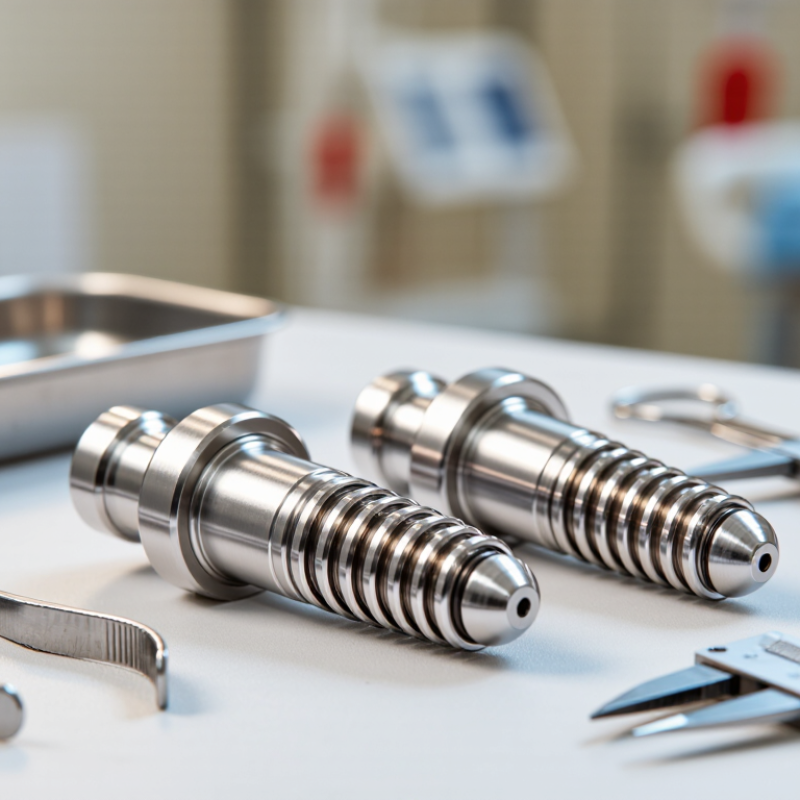
Orthopedic implants include joint replacements, plates, screws, and spinal devices used to support or repair the musculoskeletal system. Their path to surgery is more involved than a simple retail purchase. Manufacturers supply hospitals directly or through distributors, while group purchasing organizations may negotiate contracts for multiple facilities. Some hospitals hold implants in inventory; others use consignment stock, with payment due after a device is used.
There is no single wholesale-to-retail markup. A hospital’s charge may include the implant, operating-room services, sterilization, and clinical support, so it does not equal the supplier’s invoice. CMS’s National Health Expenditure Accounts report $4.9 trillion in U.S. health spending for 2023. That figure describes the whole health system, not implant prices, and should not be treated as a device-cost benchmark. The FDA’s Unique Device Identification system helps identify devices through distribution and use, but it does not disclose negotiated prices. Not simple.
Tips: When comparing costs, ask whether the quoted amount covers only the implant or also related hospital services. Check the model, quantity, and contract terms; otherwise, two prices may look comparable when they are not. Pricing remains opaque, even to careful buyers.
| Implant Category | Typical Components | Indicative U.S. Facility Acquisition Cost | Patient-Facing or “Retail” Cost | Common Distribution Route |
|---|---|---|---|---|
| Total hip replacement | Femoral stem, femoral head, acetabular shell, and liner | Approximately $2,000–$7,000 per construct; actual negotiated prices vary. | No standard retail price. The implant may be included in a bundled surgery charge or shown as a hospital charge; the billed amount is not the same as the facility’s acquisition cost. | Manufacturer or distributor to hospital or surgical facility; the facility generally supplies the implant for the procedure. |
| Total knee replacement | Femoral component, tibial component, and, when used, a patellar component | Approximately $1,500–$6,000 per construct; price depends on configuration, contract, and purchasing volume. | Not consistently sold to patients as a standalone retail product. Patient responsibility depends on coverage, benefit design, and the facility’s billing arrangement. | Manufacturer or distributor to hospital or surgical facility, often under a negotiated purchasing agreement. |
| Spinal fixation system | Pedicle screws, rods, connectors, and related fixation components | Approximately $1,000–$5,000 for a basic construct; larger or more complex constructs can cost more. | There is no universal patient retail price. Charges can vary by facility and may be incorporated into the overall procedure bill. | Manufacturer or distributor to hospital or surgical facility; specialized cases may involve procedure-specific inventory arrangements. |
| Trauma fixation construct | Bone plate and screws, or an intramedullary nail and locking screws | Approximately $300–$2,500 for common constructs; implant type and case complexity affect the cost. | Usually billed through the facility’s procedure or inpatient account rather than purchased directly by the patient. | Manufacturer or distributor to hospital or surgical facility, which selects and provides the system for the case. |
| Shoulder replacement | Humeral stem or component and glenoid component; configuration varies by procedure | Approximately $1,500–$5,000 per construct; implant design and configuration can change the price. | No standardized retail price. The patient-facing amount is determined by the facility’s billing and the patient’s insurance or payment arrangement. | Manufacturer or distributor to hospital or surgical facility, generally through contracted purchasing channels. |
| How “wholesale” and “retail” differ | Facility acquisition cost: the negotiated amount paid by a hospital or surgical facility to obtain an implant. It is not a universal published wholesale price. | Patient-facing cost: may be a bundled charge, a separately listed facility charge, or an amount subject to insurance adjustments. It should not be assumed to equal the implant’s purchase price. | Pricing typically passes through a manufacturer or distributor before the implant is supplied to the facility and used by a clinician. | |
| Important: Cost ranges are broad, indicative U.S. estimates in USD for facility acquisition, not quotations or guaranteed market prices. Actual negotiated prices are often confidential and vary by implant configuration, contract terms, purchasing volume, location, and case complexity. Ask the hospital or surgical facility for an itemized estimate and confirm what is included in the procedure charge. | ||||
They include joint replacements, plates, screws, and spinal devices. These devices support or repair parts of the musculoskeletal system.
Manufacturers may supply hospitals directly or through distributors. Some hospitals store implants onsite; others use consignment stock and pay after use. Not a shelf tag.
Prices are negotiated through contracts. Order volume, product range, delivery terms, and support services can all affect the quote.
Not necessarily. A patient’s bill may include the implant, operating-room services, sterilization, and clinical support. The numbers can look comparable, but often aren’t.
Check whether it covers instruments, freight, rebates, and replacement stock. Confirm the model and quantity, too. Small details matter.
Titanium alloys, stainless steel, and medical-grade polymers have different sourcing and processing needs. Complex shapes may require precise machining and extra inspection.
They may, but larger orders also need more storage and can leave unused inventory. That trade-off is easy to underestimate.
No. They can help identify devices through distribution and use, but they do not disclose negotiated prices. Pricing remains opaque.
Orthopedic implants move through a distribution chain from manufacturers to wholesalers, hospitals, clinics, and, in some cases, other care providers. Wholesale pricing generally reflects bulk purchasing and negotiated supply arrangements, while retail pricing may include the costs of procurement, storage, handling, and providing the implant as part of a patient’s care. What is the cost difference between wholesale and retail orthopedic implants depends on the implant type, materials, order volume, supplier terms, and the setting in which it is used.
The listed price is not always the final amount paid. Shipping, inventory management, specialized handling, surgical planning, facility services, and other care-related charges can affect the total cost. Comparing prices therefore requires looking beyond the implant itself and checking what each quote includes. Understanding how distribution, pricing factors, and additional charges fit together can help care providers and patients make clearer, more informed cost comparisons.