Grai Orthopedic Implants Grai Orthopedic Implants

Why Do Orthopedic Implants Need FDA Regulations for Import?

Time:2026-10-03 Author:Sophia
0%

Orthopedic implants enter the body, so their safety cannot be judged by appearance alone. A polished hip stem or spinal screw may look reliable, yet its materials, design, manufacturing process, and clinical performance require careful review. This is why do orthopedic implants need to meet FDA regulations for import: the United States must verify that these devices meet defined safety and effectiveness standards before reaching hospitals and patients.

FDA requirements may include device classification, premarket notification, premarket approval, establishment registration, and device listing. The exact pathway depends on the implant’s intended use and risk level. A manufacturer may also need technical files, biocompatibility data, sterilization records, labeling, and quality-system evidence. Small details matter. A missing lot number or unclear surgical instruction can create serious confusion in the operating room.

Import compliance also involves practical coordination. Foreign manufacturers, U.S. importers, customs representatives, and distributors must keep information consistent across shipping documents and FDA records. Product codes, manufacturer details, and facility information should match. They do not always match. That is where avoidable delays begin. In my view, regulation is not merely a border-control exercise; it is a traceability system supporting surgeons, hospitals, and patients. However, compliance does not guarantee that every clinical outcome will be perfect. It reduces preventable risks while requiring continuous monitoring, accurate reporting, and responsible post-market action. A thoughtful import strategy therefore protects both commercial access and patient confidence.
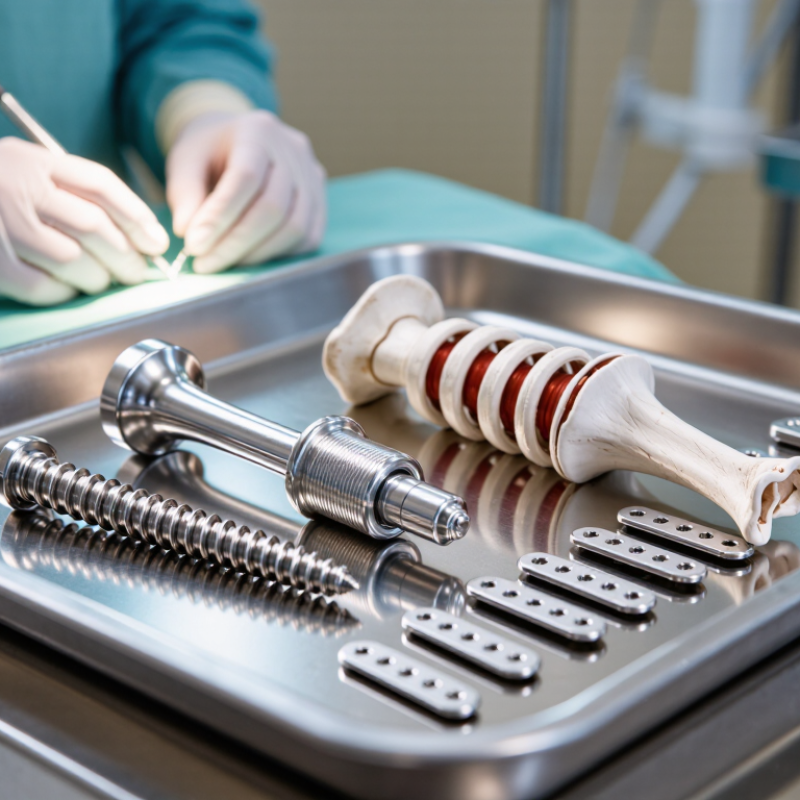
Why Do Orthopedic Implants Need FDA Regulations for Import?

What Are Orthopedic Implants and Why Are They Regulated?

Orthopedic implants are medical devices placed in or on the body to restore movement, stabilize bone, or replace damaged joints. They include artificial hips and knees, bone plates, screws, spinal hardware, and fixation rods. Some remain for years. Others support healing and may later be removed. In a clinic, the difference is tangible: a loose screw can cause pain, while a well-fitted implant can help a patient walk again. Materials, shape, surface finish, and surgical technique all influence performance. The device itself is only one part.

The FDA regulates these products because failure can cause infection, fracture, nerve injury, revision surgery, or permanent loss of function. Depending on its risk and intended use, an implant may need FDA clearance, approval, or investigational authorization before distribution or import. Manufacturers must support safety claims with evidence and maintain controls for design, production, sterility, labeling, and complaint handling. Importers also need accurate records and must confirm that the shipment matches its declared status. A shipment can be held.

Oversight continues after entry through adverse-event reports, recalls, and quality reviews. Regulation is not a guarantee. It is a safety net. Even strong evidence has limits because patients heal differently and surgery involves judgment. That uncertainty deserves honest communication, not confident marketing.

How the FDA Classifies Orthopedic Implants by Risk

Why Do Orthopedic Implants Need FDA Regulations for Import?

The FDA classifies orthopedic implants by potential patient risk, not simply by material or price. Its classification overview estimates that about 47% of medical devices are Class I, 43% are Class II, and 10% are Class III. These figures cover all devices, not only implants, but they show why risk-based review matters.

A basic fixation plate may be Class II when substantial equivalence can support a 510(k) submission. A spinal implant or hip replacement may require stronger evidence because failure can cause revision surgery, nerve injury, or permanent disability. Class III devices usually support or sustain life, remain implanted for long periods, or present serious risks. They commonly require Premarket Approval, including clinical evidence and manufacturing controls. Some novel products may enter the De Novo pathway instead.

The FDA Product Classification Database and 21 CFR Part 860 provide the regulatory foundation. Importers should verify the product code, classification, submission pathway, registration, and device listing before shipment. A package may look complete while the classification is wrong. That mistake can delay customs clearance and expose patients to avoidable risk. Experience also shows that “similar to an existing implant” is not enough. Anatomical location, intended use, sterilization method, and implant duration can change the FDA’s assessment. The FDA’s classification data are useful, but they are not a substitute for product-specific review.

What Safety and Quality Standards Must Implants Meet?

Orthopedic implants need FDA controls because a small defect can remain inside the body for years. Importers must verify the device’s classification, clearance, or approval before shipment. FDA quality rules require controlled design, manufacturing, corrective actions, and supplier oversight. The Quality Management System Regulation aligns more closely with ISO 13485 from February 2026.

Safety testing must cover the implant’s real clinical risks. Titanium or cobalt-chrome components need chemical and mechanical evaluation. Polymer parts require wear, aging, and particulate testing. Biocompatibility assessments commonly follow ISO 10993. Sterilization must meet validated processes under ISO 11135 or ISO 11137. Packaging should preserve sterility under ISO 11607. FDA’s Medical Device Reporting database contained more than two million reports in 2023, although reports do not prove causation. That number still shows why traceability matters. UDI records, lot numbers, sterilization records, and inspection results should travel with every shipment. A certificate is evidence, not proof. That distinction is easy to forget.

Tips: Request the FDA entry history, device listing, test summaries, and supplier audit records. Compare technical files against the exact imported model. Check packaging seals, labels, and temperature indicators before release. Keep samples from each lot when practical. Independent laboratory testing adds confidence, but it cannot replace regulatory review. No checklist is perfect. Teams should document unresolved questions instead of hiding them. Industry data and standards guide decisions, yet clinical judgment remains essential.

Why Do Orthopedic Implants Need FDA Regulations for Import?

Safety and Quality Checkpoints for Imported Orthopedic Implants

Imported orthopedic implants must meet applicable FDA requirements before entering the U.S. market. The chart presents the typical compliance sequence: classification, quality controls, safety and performance testing, premarket review, registration and listing, and postmarket responsibilities. The stage numbers indicate the general lifecycle order, not a safety score. Exact requirements vary by device classification, intended use, sterilization status, and regulatory pathway.

Key regulatory areas include FDA device classification, quality-system controls, biocompatibility evaluation, performance verification, sterilization and packaging validation when applicable, labeling, registration and listing, medical-device reporting, and corrective actions.

How the FDA Reviews Orthopedic Implants Before Importation

Before an orthopedic implant enters the United States, the FDA examines whether its regulatory path is clear. Review begins with device classification, intended use, materials, and anatomical location. A hip component may require a different pathway from a fixation screw. The agency may look for a 510(k), premarket approval, or an applicable exemption. This decision depends on risk and substantial equivalence. Small details matter.

Import review also connects the product to its manufacturer and shipment records. The establishment should be registered, and the device should be properly listed when required. FDA entry systems may flag missing information, inconsistent product descriptions, or questionable declarations. Inspectors can request labeling, entry documents, and evidence supporting the device’s legal marketing status. Packaging should show clear identifiers, intended use, sterilization status, and required warnings. A damaged sterile barrier can create a serious concern before clinical use.

The FDA does not simply judge the metal or polymer. It considers manufacturing controls, complaint handling, and postmarket responsibilities. Records should explain how the implant was made, tested, released, and traced. In practice, the process is not perfectly predictable. A technically sound implant may face delay because one document uses an outdated product name. That weakness is easy to overlook. Careful import preparation reduces avoidable questions, but it cannot replace honest evidence and continued quality oversight.

What Importers Must Do to Maintain FDA Compliance

Importing orthopedic implants into the United States requires more than shipping boxes through a port. FDA compliance begins before the first commercial order. The foreign manufacturer must register its establishment and list each applicable device. It also needs a valid U.S. agent when required. The implant must follow the correct pathway, such as 510(k), De Novo, or premarket approval. Registration alone does not mean FDA has approved the product. That distinction is easy to miss. It can create costly confusion.

Importers should verify product codes, entry data, labeling, and authorization records before arrival. Labels should identify intended use, warnings, sterilization status, lot numbers, and shelf life where applicable. Include unique device identification details when required. Keep invoices, shipping records, and supplier communications organized. FDA may request evidence during an inspection or detain a shipment when information conflicts. Not enough. The compliance team should maintain complaint procedures, adverse-event reporting controls, and correction or removal records. Quality agreements should define who investigates failures, tracks implants, and answers FDA questions. A spreadsheet may look sufficient at first. Details matter. Manual updates can leave one lot, label revision, or facility change unreported. Periodic internal reviews, trained staff, and documented decisions provide stronger evidence of control. When requirements are uncertain, obtain qualified regulatory advice before shipment, not after a hold.

FAQS

How does the FDA classify orthopedic implants?

Classification depends on potential patient risk, not price or material. A fixation plate may be Class II. A long-term spinal implant may be Class III. Small design details can change the classification.

Why might a spinal implant need stronger evidence?

Failure may cause revision surgery, nerve injury, or permanent disability. Long-term implants often require deeper safety evidence. Clinical data may be necessary. Similarity alone is not enough.

Which FDA pathway may apply to an orthopedic implant?

A Class II device may use a 510(k) submission. A high-risk device may require Premarket Approval. Some novel products may qualify for De Novo review. The correct pathway depends on product-specific facts.

What information should importers verify before shipment?

Verify the product code, classification, submission pathway, registration, and device listing. Check the exact imported model. Confirm the intended use and anatomical location. One outdated description can delay clearance.

What safety testing may orthopedic implants require?

Metal parts need chemical and mechanical evaluation. Polymer parts may need wear, aging, and particulate testing. Biocompatibility assessment is commonly required. Testing should reflect real clinical risks.

How should sterile packaging be checked?

Packaging should preserve sterility through shipping and storage. Inspect seals, labels, and temperature indicators before release. A damaged sterile barrier is serious. Do not assume clean packaging is sterile.

What records should accompany each implant shipment?

Keep lot numbers, UDI records, sterilization records, and inspection results. Supplier audit records can reveal hidden weaknesses. Test summaries should match the imported model. A certificate is evidence, not proof.

Does FDA classification data guarantee import approval?

No. Classification data guide decisions but do not replace product-specific review. Inspectors may question labels, declarations, or shipment records. No checklist catches everything. Teams should document unresolved questions instead of hiding them.

Conclusion

Orthopedic implants, such as joint replacements, bone plates, screws, and spinal devices, are placed inside or used to support the human body, so their safety and performance directly affect patients. Why do orthopedic implants need to meet FDA regulations for import? Because imported devices must demonstrate that they are appropriately designed, manufactured, labeled, and controlled before entering the U.S. market. The FDA classifies implants according to their potential risk, with higher-risk products generally requiring more detailed evidence and stricter review.

To achieve compliance, manufacturers and importers must address quality systems, material safety, sterility, biocompatibility, packaging, labeling, and performance requirements. Depending on the device’s classification, the FDA may require registration, product listing, premarket notification, approval, or an exemption. Importers must also maintain accurate records, verify supplier and manufacturing information, monitor product changes, respond to safety concerns, and ensure that every shipment matches the authorized documentation. Careful preparation helps protect patients, prevent import delays, and support consistent regulatory compliance.

Sophia

Sophia

Sophia is a dedicated marketing professional with an exceptional depth of knowledge about her company's products and services. With a keen understanding of market trends and customer needs, she crafts insightful blog posts that not only inform but also engage readers, enriching the company’s online......