 Grai Orthopedic Implants
Why do orthopedic implants require material certification? Because the metal, polymer, or ceramic inside an implant must be known—not merely named on a drawing. Certification documents material identity, composition, and relevant test results, helping manufacturers and clinical teams trace each component from raw stock to finished device. A hip stem may look flawless under bright inspection lights, yet its performance depends on properties that appearance cannot reveal.
Orthopedic surgeon and biomaterials researcher Dr. Joshua J. Jacobs is a relevant expert voice on implant materials. A verified verbatim quotation from him on material certification was not provided, so attributing invented words to him would be misleading. His research area underscores a practical point: material selection and characterization matter to implant performance. This introduction therefore treats that point as a paraphrase, not a direct quote.
The 2026 discussion will examine how certification supports consistent manufacturing, traceability, supplier oversight, and risk assessment. It will also distinguish material certification from finished-device testing; they answer different questions. Records can connect a batch number to a test report, but paperwork alone cannot guarantee clinical success. That distinction deserves care. Certification is one part of a broader quality system, alongside validated processes, inspection, and ongoing monitoring. Real-world performance is complex. Understanding what certification can—and cannot—demonstrate helps readers assess implant materials with clearer expectations.
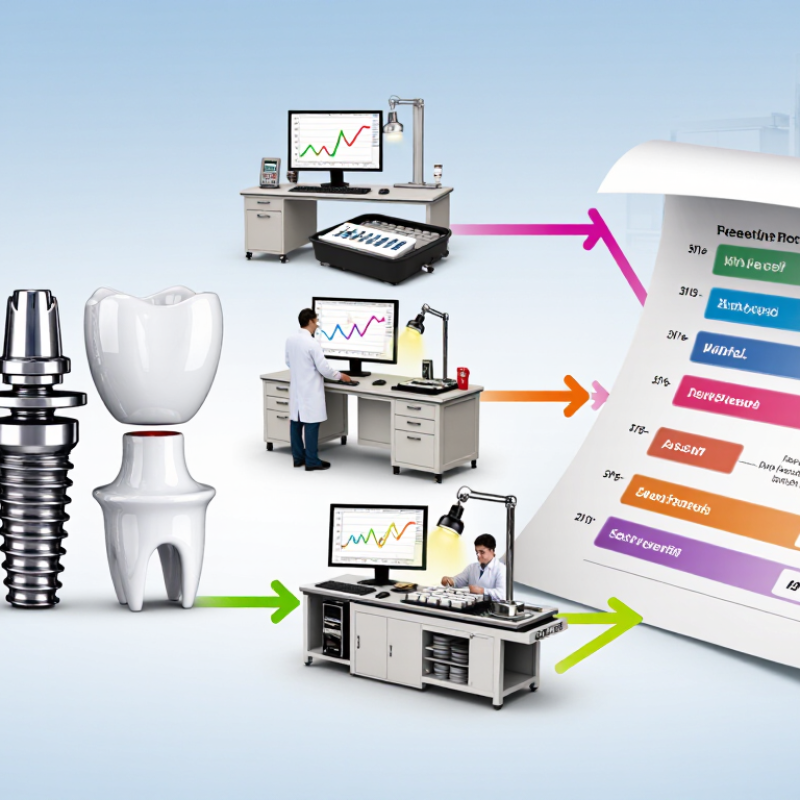
Material certification for a medical implant is documented evidence describing what a material is and whether it meets specified requirements. Records may identify its alloy or polymer grade, chemical composition, mechanical properties, supplier, and production lot. A lot number links the material in a device to its manufacturing records. That detail matters.
For example, an engineering team reviewing a metal implant may check a material certificate against the approved specification, including composition limits and test results. They also examine traceability: Can the specific batch be followed from receipt through machining and inspection? This helps teams investigate a discrepancy, such as an unexpected test value or a missing record. The paperwork needs careful review.
Certification has limits. A raw-material certificate does not, by itself, prove that a finished implant is safe, sterile, or suitable for every patient. Device design, manufacturing controls, cleaning, testing, and clinical evidence require separate consideration. Not by itself. Requirements can also vary with the material, device, and intended use. A certificate may be valid yet incomplete for a particular review, so teams should check its scope, dates, and referenced specifications rather than treating a stamp as proof of everything.
It records a material’s composition, batch, test method, and issue date. Useful evidence, but not the whole story.
Tests can measure alloy chemistry, tensile strength, fatigue resistance, corrosion, and wear. The exact methods matter.
Risk-based testing may examine cell responses and substances released from the finished device. Contact conditions matter.
Coatings, joins, surface finish, and sterilization can change material behavior. A polished test coupon may not represent the implant.
No. Patient factors, wear particles, and everyday use can affect outcomes. Some uncertainty remains.
Check the batch number, material grade, test method, sample condition, acceptance limits, and issue date. Match them to the shipment.
Batch records can connect incoming stock to supplier and inspection records. If a concern appears later, they can narrow the search.
No. Requirements vary by market and device type, and records must match the intended use. Paperwork can be messy.
A 2019 review estimated 58.4% survival at 25 years for total hip replacements overall. It does not measure certification alone.
Review certificate revisions, batch identifiers, and supplier changes before production advances. A missing detail can slow a review.
Material certification confirms that the metals, polymers, ceramics, and other materials used in medical implants meet defined requirements for identity, composition, quality, and performance. Why do orthopedic implants require material certification? Because an implant must function safely inside the body while withstanding demanding conditions over time. In 2026, certification helps manufacturers demonstrate alignment with applicable medical-device quality systems, material specifications, and recognized testing standards.
Testing may assess chemical composition, mechanical strength, fatigue resistance, corrosion behavior, and biological compatibility. Certification records connect test results to material batches and production history, supporting traceability and regulatory review. This evidence helps teams identify inconsistencies before materials enter production and investigate concerns if they arise later. Across an implant’s life cycle, certification can reduce risks associated with unsuitable or variable materials, premature wear or failure, adverse biological responses, and incomplete documentation. It therefore supports more consistent manufacturing and informed oversight from material selection through post-market monitoring.
