Grai Orthopedic Implants Grai Orthopedic Implants

5 Best Orthopedic Implant After Sales Service Benefits?

Time:2026-10-25 Author:Sienna
0%

Choosing orthopedic implants involves more than comparing materials, sizes, and purchase prices. Clinical teams also need dependable support after delivery. A well-designed service program can influence surgical confidence, patient follow-up, and long-term device management.

Many buyers ask: Why is after-sales service crucial for orthopedic implants purchases? The answer becomes clear in practical situations. A hospital may need instrument guidance before surgery. A surgeon may request sizing information during case planning. Staff may also require training on storage, handling, or product documentation. Prompt, knowledgeable support can reduce confusion when every minute matters.

This article examines five valuable orthopedic implant after-sales service benefits. These include technical assistance, surgeon and staff training, traceability support, responsive replacement handling, and structured feedback collection. Reliable suppliers should provide clear contact channels, documented procedures, and evidence-based product information. They should also understand that each hospital has different workflows, inventory systems, and clinical needs.

Small details matter. A replacement component should arrive with accurate labeling and records. A support representative should explain the issue plainly, not hide behind technical language. Still, service programs are not perfect. Response times may vary, and some suppliers may promise more than they consistently deliver. Buyers should review service terms, escalation processes, training records, and customer references before purchasing. That careful review creates a more realistic partnership between manufacturers, distributors, surgeons, and healthcare providers.
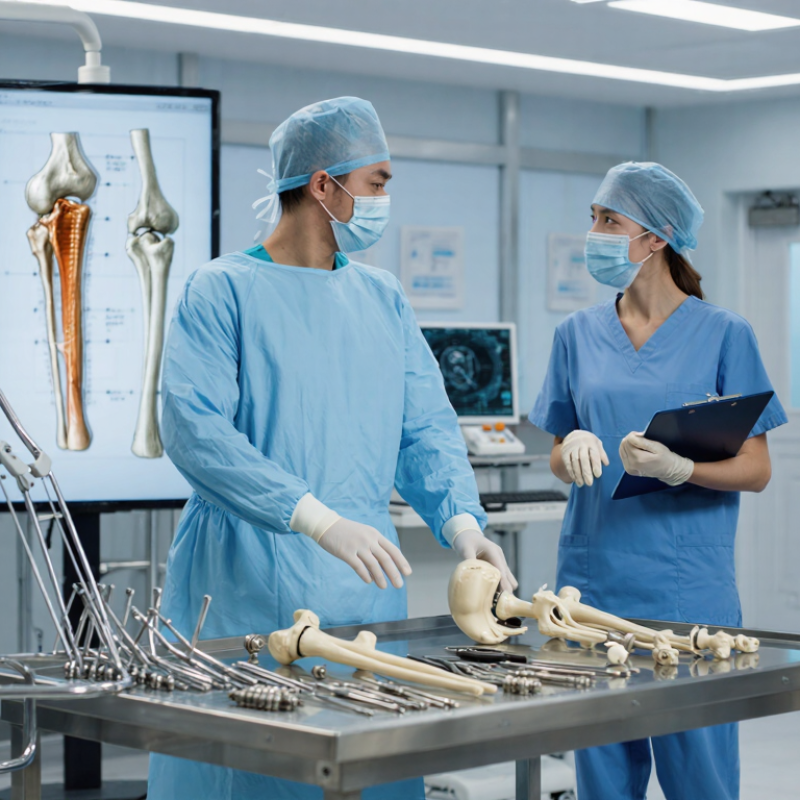
5 Best Orthopedic Implant After Sales Service Benefits?

Faster Resolution of Orthopedic Implant Issues

5 Best Orthopedic Implant After Sales Service Benefits

Faster Resolution of Orthopedic Implant Issues

When an orthopedic implant issue appears, time matters. A loose instrument or unclear label can interrupt a scheduled procedure. Fast after-sales support creates a clear path from report to action. Trained service staff should acknowledge the case, confirm details, and set a realistic response time. That structure reduces repeated calls and prevents small problems from becoming costly delays.

The strongest programs combine technical knowledge with practical field experience. Engineers may review images, batch records, handling conditions, and operating notes before suggesting a safe next step. Clinicians need useful answers, not generic scripts. Replacement guidance, instrument checks, and documented escalation can reduce uncertainty. Traceable case records also support quality reviews and future staff training. Every interaction should protect patient safety and follow applicable clinical procedures.

Service benefits extend beyond emergencies. Usage feedback can reveal packaging weaknesses, confusing instructions, or recurring instrument wear. Corrective guidance and scheduled checks may reduce repeat disruptions. Still, no support system is flawless. A rushed reply can miss the real cause. Teams should question assumptions, record what happened, and verify that the solution worked in practice. This honest feedback loop can improve response speed over time.

Improved Patient Safety Through Ongoing Technical Support

5 Best Orthopedic Implant After-Sales Service Benefits

Improved Patient Safety Through Ongoing Technical Support

Orthopedic implant safety continues after surgery. Patients may report swelling, clicking, pain, or reduced movement weeks later. Fast technical support helps clinical teams review symptoms, surgical records, implant details, and instrument performance. Small issues can become serious when communication is slow. The World Health Organization reports that about one in ten patients experiences harm during healthcare, with more than half considered preventable. Reliable follow-up can support earlier review and safer decisions.

Technical specialists can guide hospitals through product documentation, storage checks, surgical technique questions, and instrument inspection. They can also help identify recurring concerns across facilities. The 2024 American Joint Replacement Registry Annual Report contains data from more than three million hip and knee procedures. Such large-scale evidence shows the value of long-term monitoring, not only immediate surgical outcomes. Still, support systems are not flawless. A missed call, incomplete record, or delayed escalation may matter.

Tips: Keep implant lot numbers, operative notes, and patient feedback together. Use a clear escalation contact. Schedule technical reviews after complex procedures. Train staff to recognize unusual noise, instability, or unexpected pain. Document every response. It is simple, but often overlooked. Review recurring cases quarterly, and invite surgeons, nurses, and biomedical engineers to discuss what failed.

Longer Implant Lifespan Through Maintenance Guidance

5 Best Orthopedic Implant After-Sales Service Benefits?

Longer Implant Lifespan Through Maintenance Guidance

A well-planned maintenance program can support an orthopedic implant’s long-term performance. Follow-up appointments allow clinicians to check pain, movement, stability, and surrounding tissue. They may also review X-rays or other imaging when symptoms change. Small findings can matter. Early attention may prevent a minor concern from becoming a complex revision case.

Good after-sales support gives patients practical guidance, not vague promises. A care team can explain suitable exercises, weight limits, wound care, and warning signs. Sudden swelling, persistent warmth, unusual clicking, or reduced mobility should receive medical attention. Patients should also keep procedure records and imaging reports. These details help clinicians compare changes over time.

Maintenance advice must reflect the patient’s age, activity level, bone quality, and medical history. A warehouse worker may need different movement guidance than a retired swimmer. Care instructions should follow the operating surgeon’s recommendations and approved device information. No implant lasts forever. Daily habits also influence results.

Real-world care is rarely perfect. People miss appointments, forget exercise limits, or ignore mild discomfort. That is why clear reminders and accessible clinical support are valuable. A documented review schedule can encourage better decisions when recovery does not follow the expected path.

5 Best Orthopedic Implant After Sales Service Benefits? - Longer Implant Lifespan Through Maintenance Guidance

After-Sales Service Benefit Maintenance Guidance or Service Activity Typical Timing or Data Point How It Supports Implant Longevity Measurable Service Record
Early complication detection Postoperative review of pain, wound condition, swelling, mobility, neurovascular status, and signs of infection or instability. Follow-up schedules commonly include an early review within the first few weeks, with timing individualized by the treating clinician. Identifies problems before they progress to loosening, malalignment, deep infection, or revision surgery. Review date, symptoms, wound findings, range of motion, and escalation decision.
Radiographic and functional monitoring Comparison of follow-up radiographs with postoperative baseline images, together with assessment of function and pain. Common review points include approximately 6 weeks, 3 months, 6 months, and 1 year, followed by clinician-directed monitoring. Tracks alignment, migration, subsidence, wear, bone changes, and functional recovery over time. Imaging date, implant position, radiographic observations, pain score, and functional assessment.
Personalized activity and load management Guidance on rehabilitation, progressive strengthening, fall prevention, body-weight management, and suitable low-impact activities. Activity restrictions and progression vary according to implant location, fixation method, healing status, and patient factors. Reduces avoidable overload, falls, dislocation risk, abnormal wear, and excessive stress at the bone–implant interface. Rehabilitation milestones, assistive-device status, activity tolerance, and documented precautions.
Patient education and warning-sign support Provide written instructions on infection warning signs, sudden pain, instability, swelling, reduced function, and when to contact a clinician. Education should be provided before discharge and reinforced at every appropriate follow-up visit. Encourages timely clinical evaluation and helps prevent delayed treatment of infection, fracture, dislocation, or loosening. Education completion, patient questions, warning signs reviewed, and contact pathway provided.
Long-term implant documentation and care coordination Maintain implant identifiers, operative details, imaging history, revision status, and communication between the patient, surgeon, rehabilitation team, and care providers. Update the record at each procedure, imaging review, major clinical change, or transfer of care. Improves continuity of care and supports accurate assessment if symptoms, trauma, revision planning, or unrelated surgery occurs. Implant type and size, fixation method, surgical date, imaging archive, contact history, and care plan.

Note: Follow-up intervals and activity recommendations must be individualized by the treating orthopedic clinician. Implant service guidance supports clinical care but does not replace medical evaluation.

Better Clinical Outcomes With Expert Product Assistance

5 Best Orthopedic Implant After-Sales Service Benefits

Better Clinical Outcomes With Expert Product Assistance

Orthopedic implant care does not end when the package is opened. Expert after-sales support helps clinical teams confirm product selection, understand instrumentation, and prepare for unusual anatomy. Clear guidance can reduce avoidable delays during surgery. It can also support more consistent implant positioning and handling.

Responsive technical assistance is valuable during real procedures. A trained specialist can explain sizing references, instrument functions, and approved handling steps. Short answers matter. Time matters more. Practical training helps operating-room staff recognize errors before they affect workflow. However, support should never replace the surgeon’s clinical judgment or hospital protocols.

Reliable service also strengthens follow-up care. Teams need accessible documentation, lot details, handling records, and clear answers about product performance. These details support traceability and informed clinical decisions. Feedback from surgeons can reveal recurring challenges, such as confusing markings or inefficient instrument layouts. Some service processes still leave room for improvement. A delayed response or vague instruction can undermine confidence, even when the implant itself performs well. Ongoing education, honest communication, and careful post-market monitoring help connect product assistance with safer, more predictable patient care.

Lower Healthcare Costs Through Efficient After-Sales Care

After-sales care for orthopedic implants can lower healthcare costs long after surgery. Its value begins with reliable follow-up, not a sales promise. Clinical teams can review wound concerns, mobility progress, and implant-related symptoms during scheduled checks. Early assessment may prevent expensive complications, emergency visits, or avoidable revision procedures. Clear patient instructions also reduce confusion about activity limits and warning signs. Small details matter.

A strong service program supports five practical benefits. First, trained staff can guide correct device use and rehabilitation routines. Second, technical specialists can inspect instruments and related equipment before faults interrupt treatment. Third, accurate records improve traceability during recalls, audits, or clinical investigations. Fourth, replacement planning helps hospitals avoid urgent, high-priced purchases. Fifth, education reduces handling errors that may damage equipment or delay care. Errors become expensive.

Cost control requires more than cutting purchase prices. Hospitals should track repair frequency, response times, readmissions, and unused inventory. This evidence shows whether after-sales support is actually working. In practice, rushed phone advice rarely solves a recurring technical problem. On-site checks and written escalation routes are more dependable. Still, no service model is perfect. Staff turnover, incomplete records, and delayed reporting can weaken results. Regular reviews help identify those gaps before they become costly.

5 Best Orthopedic Implant After-Sales Service Benefits

Lower Healthcare Costs Through Efficient After-Sales Care

Efficient after-sales care supports early complication detection, structured follow-up, accurate implant traceability, timely revision planning, and better patient education. The chart presents published clinical reference ranges rather than company or brand performance data. Lower complication and revision risks can help reduce avoidable hospitalizations, repeat procedures, and long-term treatment costs.

Reference basis: published registry and systematic-review findings for total hip and knee arthroplasty outcomes, including implant survivorship, readmission, and deep infection rates. Values are shown as commonly reported ranges and should not be interpreted as guaranteed outcomes.

FAQS

Why does orthopedic implant support continue after surgery?

Symptoms may appear weeks later, including swelling, clicking, pain, or limited movement.

What information should hospitals keep for follow-up care?

Keep lot numbers, operative notes, imaging reports, and patient feedback together.

How can technical specialists support surgical teams?

They can explain product documents, sizing references, instrument functions, and approved handling steps.

Can maintenance guidance extend implant performance?

Planned reviews can identify changes in pain, movement, stability, or surrounding tissue.

What warning signs should patients report?

Patients should report sudden swelling, persistent warmth, unusual clicking, instability, or reduced mobility.

How should activity advice reflect individual needs?

Guidance should consider age, activity level, bone quality, and medical history.

How does after-sales assistance support better clinical outcomes?

Clear answers can reduce avoidable delays during surgery and improve instrument preparation.

What weaknesses can occur in support systems?

A missed call, incomplete record, or vague instruction can delay useful action.

Conclusion

After-sales service plays a vital role in maximizing the value and reliability of orthopedic implants after purchase. Why is after-sales service crucial for orthopedic implants purchases? It provides timely assistance when technical questions, fitting concerns, or product-related issues arise, helping healthcare professionals resolve problems faster and maintain patient safety. Ongoing technical support can also guide proper handling, inspection, and usage, reducing avoidable complications and supporting more consistent clinical care.

Effective after-sales support may extend implant service life by offering practical maintenance and storage guidance. It also gives clinicians access to expert product assistance, enabling better decision-making and potentially improving patient outcomes. By addressing concerns early and helping medical teams use products efficiently, a well-organized after-sales program can reduce unnecessary replacements, delays, and additional healthcare expenses. Overall, reliable support is an important part of responsible orthopedic implant purchasing and long-term clinical performance.

Sienna

Sienna

Sienna is a skilled marketing professional with a deep expertise in our company’s core products and services. With a passion for innovation and detail, she plays a pivotal role in crafting insightful blog posts that not only highlight the unique features of our offerings but also provide valuable......