Grai Orthopedic Implants
When it comes to medical or construction tasks, choosing the best tools is crucial. Bone drills and saws are essential for precise operations. They enable professionals to perform intricate procedures safely and effectively. However, selecting the right tool for your needs can be challenging.
With numerous brands and types available, understanding their features is vital. Some bone drills are geared more towards surgical use, while others are applicable in veterinary practices. Likewise, bone saws vary in design, from handheld models to powered versions. Consider your specific requirements, such as material type and operational context.
It's important to reflect on personal experiences with these tools. Not every product meets expectations. Users may encounter issues like lack of power or poor build quality. Researching beyond marketing claims can lead to more informed decisions. Prioritizing reliability and durability will pay off in the long run. Always aim for tools that feel right in your hand and meet your operational standards.
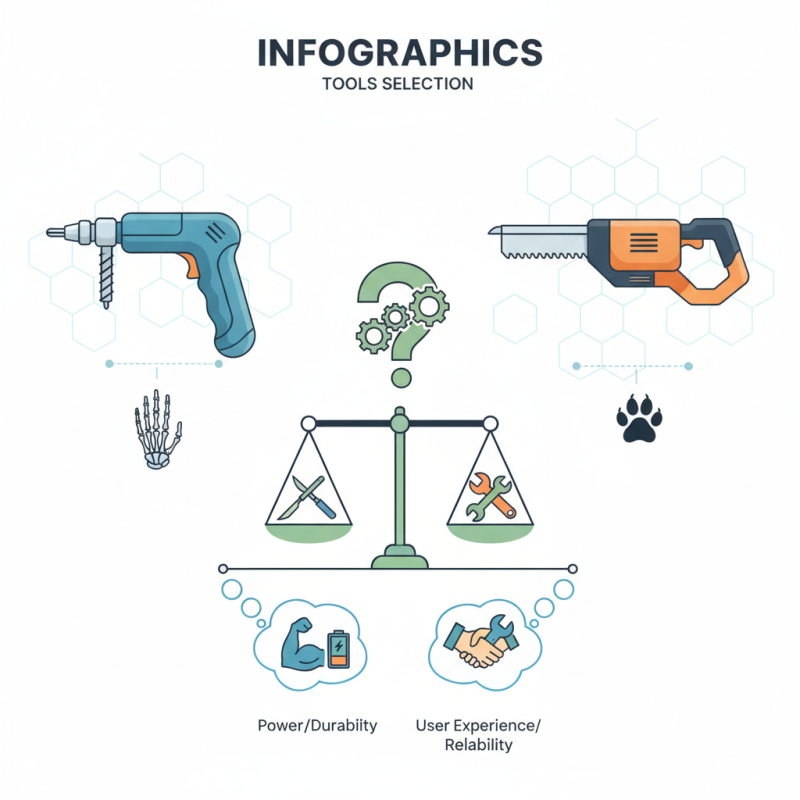
Bone drills and saws are essential tools in various surgical settings. Understanding the different types can help you choose the right one for your needs. Bone drills come in various forms, including electric and manual options. Electric drills often provide efficiency, while manual drills offer more control in delicate situations.
Bone saws, on the other hand, can be categorized into oscillating and reciprocating saws. Oscillating saws create back-and-forth motion, offering precision and minimal trauma. Reciprocating saws are robust and suitable for larger tasks, but they can be more challenging to control.
Tips: Always assess the specific surgical scenario before choosing tools. Consider the type and location of the bone to be drilled or cut. Familiarize yourself with the tools through practice. This knowledge is crucial for ensuring safety and efficacy. If unsure about your choice, consult experienced professionals for advice. Their insights can save you time and effort in the long run.
When selecting a bone drill or saw, consider several key features. The material quality is crucial. Look for tools made from durable, high-grade steel. This ensures longevity and effectiveness during procedures. Weight also matters. A lightweight tool can reduce fatigue. You want precision without feeling worn out.
Power options are another essential aspect. Electric models offer speed, while manual options provide control. Assess your skill level and preferences. Adjustability in speed settings allows for flexibility during use. Make sure you can easily alter the speed based on the bone density you encounter.
Ergonomics play a significant role in your comfort. A well-designed handle offers a secure grip. This is important to maintain accuracy and control. Additionally, review the safety features available. Built-in safety guards can prevent accidental injuries. Remember, finding the right tool is a personal journey. Reflect on your specific needs and experience level to make an informed choice.
When choosing a bone drill or saw, it's essential to explore various options. Each tool serves different purposes, tailored to specific needs. Popular models vary in features and user-friendliness. Some drills excel in precision, while others focus on power. Consider your specific requirements before making a decision.
Tips: Research the ergonomics of tools. A comfortable grip can reduce strain during extended use. Look for features that make adjustments easy. Sometimes, the right choice is not about power but about control.
Many users find themselves overwhelmed by choices. It's easy to fall for enticing marketing or flashy designs. Always look for user reviews and expert opinions. Real-life experiences can guide you toward reliable options. Don't forget to consider maintenance as well. Tools that are hard to clean may lead to issues over time.
Tips: Create a checklist of features that matter to you. This can keep you focused during the selection process. Prioritize durability; a reliable tool can save money and effort in the long run.
Maintaining bone drills and saws is crucial for their longevity and performance. Regular maintenance can extend the tool's lifespan significantly. A recent industry report states that well-maintained equipment can last 30% longer than neglected tools. This highlights the importance of routine care and inspections.
Proper cleaning after each use is essential. Debris can accumulate in the drill or saw, affecting performance. Use a soft brush to remove dirt and bone fragments. Ensure that all moving parts are free from obstructions. Lubrication is also vital; applying the right lubricant can reduce wear. Some experts suggest doing this every few uses, especially in heavy-duty settings.
Sharpening blades and bits is another key aspect of maintenance. Dull tools can lead to poor performance and increased risk of injury. According to industry guidelines, blades should be sharpened every 5-10 uses, depending on the material. Diligently following these practices not only improves efficiency but also promotes safety in the workplace. Neglecting them can lead to frustration and an increased likelihood of accidents.
When selecting a bone drill or saw, user experiences reveal key insights. A recent industry report suggests that 73% of healthcare professionals prioritize ease of use. Many users noted that lightweight tools significantly reduced fatigue during prolonged procedures. Conversely, heavier models often led to increased discomfort and reduced precision, highlighting an essential factor that should not be overlooked.
Reviews often emphasize the importance of precision and control. An analysis from a leading journal showed that 85% of successful surgeries depended on accurate drilling and cutting. User feedback frequently mentions the learning curve associated with new tools. Many noted initial struggles with maintaining stability, which can be discouraging. However, these challenges provide valuable lessons. They stress the necessity of practice and experience to enhance their skills.
Furthermore, many reviews underscore the significance of after-sales support. A survey indicated that 60% of users appreciated resources like guides and tutorials. These materials foster confidence in using complex equipment. Users often share their journeys of improvement. The evolution from uncertainty to competence often brings satisfaction, yet challenges remain part of their learning process.
: Look for durable materials, weight, power options, adjustability, and ergonomics.
High-grade steel ensures durability and effectiveness during procedures.
Lightweight tools reduce fatigue, leading to better precision during long procedures.
You can choose electric models for speed or manual ones for better control.
A well-designed handle provides a secure grip, enhancing accuracy.
Yes, built-in safety guards prevent accidental injuries during use.
Many healthcare professionals prioritize ease of use; 73% find it critical.
Users often face challenges initially, but practice improves their skills over time.
Many appreciate guides and tutorials that boost confidence in using tools.
Users often evolve from uncertainty to competence but still encounter challenges.
When selecting the best bone drills and saws for your needs, it's essential to first understand the various types available in the market. These tools are crucial for precision in medical and veterinary settings, and their choice should be guided by key features such as power, ergonomics, and ease of use. A thorough comparison of popular models can help highlight the differences in performance and suitability for specific tasks.
Additionally, proper maintenance and care are vital for ensuring longevity and optimal functioning of bone drills and saws. Regular cleaning and timely inspections can prevent malfunctions and enhance safety during use. User reviews provide valuable insights into the real-world experiences of those utilizing these tools, highlighting their strengths and potential drawbacks, which can further aid in making an informed decision.
