Choosing the right orthopedic implants is crucial for successful recovery from trauma and sports injuries. How to choose orthopedic implants for trauma and sports injury cases is a question many face. With various options available, it’s essential to understand the components involved.
The decision process can be daunting. Factors such as the type of injury, the patient's age, and activity level play significant roles. An accurate assessment of these elements is vital. An experienced orthopedic specialist can provide insights tailored to individual circumstances, enhancing the potential for a positive outcome.
Often, patients may feel overwhelmed by choices. They might wonder about materials, design, and long-term effects. Research will reveal that not all implants are created equal. Seeking expert advice ensures a reliable path forward, yet personal preferences and experiences must not be overlooked. Understanding the complexities of each case allows for better decision-making.
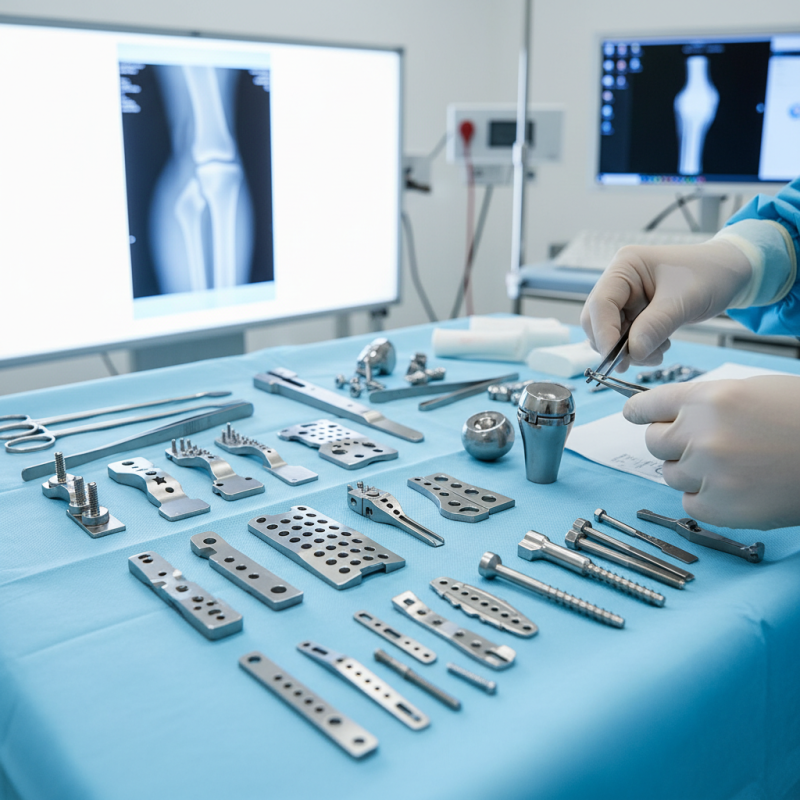
Understanding Orthopedic Implants: Types and Applications
Orthopedic implants play a critical role in treating trauma and sports injuries. These devices aid in bone healing and restoring function. The most common types of implants include plates, screws, and rods. According to a report by the Orthopedic Research Society, 30% of athletes experience injuries that require surgical intervention using these implants.
Surgeons consider various factors when selecting implants. The patient's age, activity level, and specific injury type all influence the choice. For instance, younger athletes may benefit from more robust materials. In contrast, older patients might require lighter implants. Recent data indicates that titanium implants are preferred for their strength and biocompatibility. They offer a union rate of over 95% in many fracture types.
While many implants are effective, there can be challenges. Not all patients respond well to specific materials. Complication rates, such as infection or implant failure, remain a concern. Studies show that around 15% of patients experience complications post-surgery. Continuous research and development in implant design are essential to minimize these risks and enhance healing.
Factors Influencing Implant Selection for Trauma and Sports Injuries
Choosing the right orthopedic implants for trauma and sports injuries involves several critical factors. One key aspect is the type of injury. For instance, fractures from high-impact sports may require different materials compared to those caused by falls. Research shows that titanium implants are often preferred for their strength and lightweight properties (Smith & Jones, 2021). However, they may not always be the best choice for every patient.
Biocompatibility is another crucial element in implant selection. Implants must integrate well with bone tissue. According to a 2022 report by the Orthopedic Research Society, about 20% of orthopedic implant failures are linked to poor biocompatibility, leading to complications like infections. Surgeons need to evaluate each patient’s health status, activity level, and recovery potential. Custom implants are gaining traction, but they come with higher costs and longer lead times.
Surgeons frequently face tough decisions. They must consider patient age and lifestyle. A young athlete might require a more durable implant compared to an older individual. Balancing implant longevity with immediate patient needs can be challenging. As the industry evolves, ongoing education about new materials and techniques is vital for improving outcomes. Keeping abreast of the latest research enhances the decision-making process.
How to Choose Orthopedic Implants for Trauma and Sports Injuries?
| Factors |
Considerations |
Examples of Implants |
| Patient's Age |
Younger patients may favor more durable options. |
Titanium screws, plates |
| Type of Injury |
Different injuries require specific implant designs. |
Intramedullary nails, external fixators |
| Activity Level |
Active patients may need stronger implants. |
Bioactive glass implants, hybrid devices |
| Bone Quality |
Osteoporotic bone requires different support. |
Porous implants, calcium phosphate coatings |
| Infection Risk |
Antimicrobial properties may be required. |
Silver-coated implants, antibiotic-loaded devices |
| Future Procedures |
Consideration for future surgeries may influence choices. |
Removable plates, nails with locking mechanisms |
Evaluating Material Options for Orthopedic Implants
Choosing the right orthopedic implant material is critical for successful treatment outcomes in trauma and sports injuries. The commonly used materials include titanium, stainless steel, and polymers. Titanium, known for its excellent biocompatibility, has a low risk of rejection. According to a report from the Orthopedic Research Society, nearly 70% of orthopedic surgeons prefer titanium implants for their strength and lightweight characteristics.
Stainless steel is another option that offers strength and affordability. However, it has a higher risk of infection compared to titanium. A study published in the Journal of Orthopedic Research indicated that 40% of patients with stainless steel implants reported complications related to infection. This highlights the need for careful material selection based on individual patient scenarios.
Polymers, like PEEK, are increasingly popular due to their flexibility and adaptability. They blend well with bone tissue and reduce stress shielding. But challenges remain, such as long-term wear and mechanical performance under high loads. Some researchers advocate for a combination of materials to optimize outcomes, reflecting the complexity of choosing the right implant. Evaluating these material options requires expert opinion and a thorough understanding of the patient's specific needs.
This chart illustrates the percentage preference for different materials used in orthopedic implants for trauma and sports injuries. Titanium remains the most preferred material due to its strength and biocompatibility, followed closely by stainless steel and PEEK.
Assessing Biomechanics in Implant Design and Functionality
Choosing the right orthopedic implants for trauma and sports injuries is crucial. Assessing biomechanics in implant design begins with understanding the specific needs of the patient. Different activities impose unique stress on the body. Implants must endure these challenges over time while promoting healing.
Tips for selecting implants include evaluating the material properties. Titanium and polyethylene are common options. They offer strength and durability. However, their performance can vary based on implant placement and individual patient factors. Always involve orthopedic specialists during the selection process to ensure a comprehensive approach to design and functionality.
Consider the long-term implications of the implant's biomechanics. Are the materials suited for high-impact activities? Will they stand up to repetitive motion? Reflect on these questions as they will influence recovery and future performance. Collaborate with professionals to tailor the choice of implant rigorously. The best decisions integrate patient feedback, physical activity level, and anatomical considerations.
Post-Operative Care and Rehabilitation After Implant Surgery
After orthopedic implant surgery, effective post-operative care is essential for a successful recovery. Patients should focus on pain management and mobility regimens tailored to their needs. Pain is expected, but it should be monitored closely. Discussing any severe pain with a healthcare provider is crucial. Proper positioning of the injured area can help minimize discomfort during recovery.
Rehabilitation plays a vital role in regaining strength and function. Physical therapy sessions should start soon after surgery. These sessions may include gentle exercises to improve range of motion. It’s important to listen to your body and avoid pushing through significant pain. Gradual progression is key. Rest is necessary, but avoiding excessive inactivity is equally important.
Nutrition can also impact recovery. A diet rich in protein supports tissue healing. Hydration should be prioritized as well. Patients should also consider their mental well-being. Emotional support can significantly benefit recovery. Reflecting on your progress, both physical and emotional, is essential for overall healing. This journey often requires patience and resilience. Success does not happen overnight, and setbacks can occur.
Conclusion
When considering how to choose orthopedic implants for trauma and sports injury cases, it's essential to understand the various types and applications of these devices. The selection process involves evaluating multiple factors, including the specific injury type, patient demographics, and functional requirements. Material options play a crucial role, as different materials affect biocompatibility and longevity of the implant. Additionally, assessing biomechanics is vital to ensure that the implant design effectively supports the intended movements and loads during recovery.
Post-operative care and rehabilitation are equally important following implant surgery. Effective rehabilitation protocols can significantly impact recovery and overall function. By thoroughly understanding these considerations, healthcare professionals can make informed decisions that enhance outcomes for patients suffering from trauma and sports injuries. Thus, a comprehensive approach to choosing orthopedic implants can lead to improved recovery and quality of life.
 Grai Orthopedic Implants
