Grai Orthopedic Implants Grai Orthopedic Implants

How to Choose the Right Orthopedic Implants for Revision Surgery

Time:2026-06-26 Author:Charlotte
0%

The selection of orthopedic implants is critical, particularly in revision surgery. This complex procedure often involves replacing or repairing previous implants. According to the American Academy of Orthopaedic Surgeons, nearly 10% of hip and knee replacement surgeries require revision. Understanding how to choose orthopedic implants for revision procedures can significantly impact outcomes.

Surgeons must consider various factors such as patient anatomy, previous implant materials, and potential complications. Each revision case is unique, with varying levels of bone stock and soft tissue quality. The choice of implants can determine the success rate of the surgery. Studies show that using properly designed implants can minimize the chances of failure, enhancing recovery.

Despite advances in technology, challenges remain. An inadequate understanding of prior procedures can lead to errors in implant selection. Surgeons often face pressure to make quick decisions, which can compromise patient care. Reflecting on these factors emphasizes the importance of thorough assessment and ongoing education in the orthopedic field.
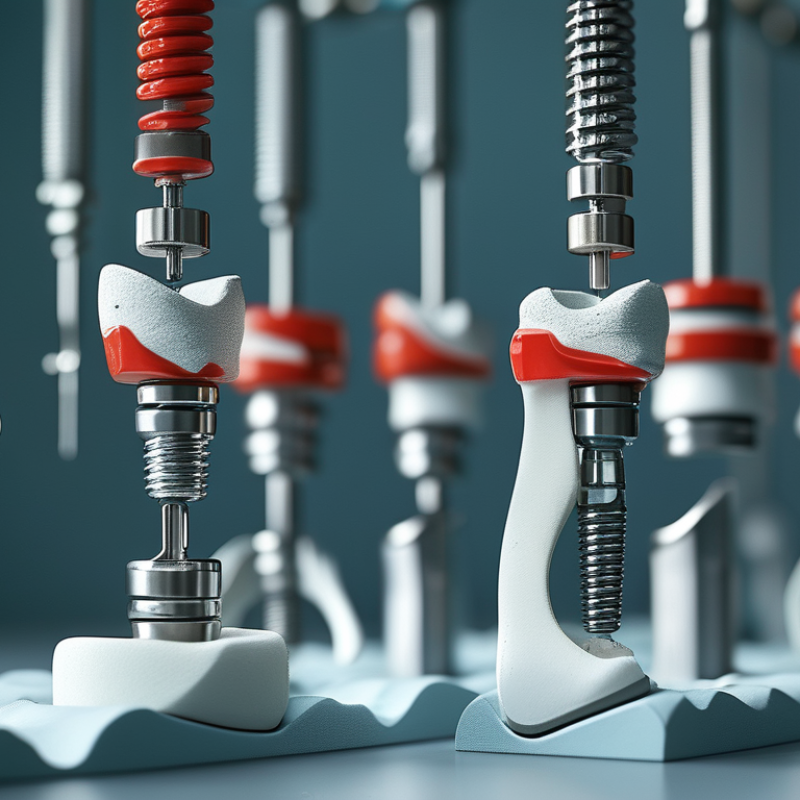
How to Choose the Right Orthopedic Implants for Revision Surgery

Understanding the Role of Orthopedic Implants in Revision Surgery

Orthopedic implants play a crucial role in revision surgery. These specialized devices are often used when previous surgical outcomes are unsatisfactory. Understanding their role requires both a clinical perspective and insights into the latest advancements in materials and design. Each implant is designed to address specific issues, such as joint instability or bone loss.

When selecting the right implant, surgeons consider various factors. The patient's age, activity level, and overall health are essential. The choice of implant also hinges on the reason for revision. For example, a recurring infection may require a different approach than addressing mechanical failure. Surgeons often draw upon their experience and the latest research to make informed decisions.

Yet, the process is not without challenges. Variability in patient anatomy can complicate the selection process. Not all implants fit every individual perfectly. Surgeons must reflect on past cases, weighing the successes and failures. This continual learning process enhances their ability to provide the best care in revision surgeries. Ultimately, the goal remains clear: restoring function and improving patients' quality of life.

Factors to Consider When Selecting Orthopedic Implants

Choosing the right orthopedic implants for revision surgery is crucial. Several factors need careful consideration. One significant aspect is the patient's anatomy. Each body is unique. Understanding the bone quality and structure can enhance surgical outcomes. For instance, if the bone is osteoporotic, selecting implants designed for poor quality bone is essential.

Another factor is the patient's activity level. An athlete’s requirements differ greatly from those who lead a sedentary lifestyle. Higher demands necessitate stronger materials that can withstand greater forces. Additionally, potential implant compatibility is vital. Materials must interact well with surrounding tissues. This helps in reducing complications and improving longevity.

Surgeons should also evaluate the history of previous surgeries. The presence of scar tissue can complicate the procedure. Reflecting on past experiences can guide decisions in implant selection. Ultimately, thorough assessment and understanding of these factors lead to better patient outcomes. Making choices without considering all these elements may result in suboptimal results. Balancing each aspect is challenging but ultimately rewarding.

Types of Orthopedic Implants Commonly Used in Revision Procedures

When considering revision surgeries, understanding the types of orthopedic implants is crucial. Various implants address specific needs based on the patient's condition. Some of the commonly used types include fixation devices, which stabilize bone fragments, and bone graft substitutes that promote healing. Each type serves a unique function, and surgeons evaluate these based on the individual case.

Another significant category involves modular implants. These can adapt to different anatomical requirements. They are helpful in cases with complex deformities. However, their versatility can also complicate selection. Each patient has unique anatomical challenges, making one-size-fits-all solutions impractical. Surgeons must carefully assess the risks and advantages of each type.

Lastly, joint replacement implants are widely used in revision surgeries. They are designed to replace damaged joints effectively. The materials used play a vital role in their longevity and performance. However, not all materials are appropriate for every patient. Patient-specific factors must guide the choice. It’s a reminder that orthopedic implant selection requires a personalized approach, balancing various factors for optimal outcomes.

Assessing Patient-Specific Needs for Implant Selection

Choosing the right orthopedic implants for revision surgery hinges on a comprehensive understanding of patient-specific needs. Each patient presents unique challenges, such as the extent of previous surgeries, bone quality, and overall health. These factors significantly influence which implants will provide the best outcomes. A detailed assessment of medical history can clarify these complex considerations.

When selecting implants, it’s essential to evaluate the patient's weight, activity level, and lifestyle. These aspects can guide decisions on materials and design. For example, heavier individuals may require more robust implants to withstand greater forces. Understanding the patient's expectations is equally vital. Their goals can shape the surgical approach and implant choices.

**Tips**: Consult with a multidisciplinary team. Input from physiotherapists, pain management specialists, and orthopedic surgeons ensures a well-rounded approach. Regular follow-ups after surgery can help monitor patient progress and adjust care plans if needed. Keep in mind, sometimes the best option may not be the most straightforward one. Reflect on past surgery complications to improve future choices.

How to Choose the Right Orthopedic Implants for Revision Surgery - Assessing Patient-Specific Needs for Implant Selection

Patient ID Age Gender Previous Implant Indication for Revision Recommended Implant Type
001 65 Female Total Hip Arthroplasty Loosening Cemented Stem
002 70 Male Knee Replacement Infection Revision Knee Implant
003 58 Female Shoulder Arthroplasty Instability Reverse Shoulder Implant
004 72 Male Total Hip Arthroplasty Fracture around Implant Uncemented Stem
005 45 Female Knee Replacement Malalignment Custom-Made Implant

Evaluating Outcome Data and Success Rates of Different Implants

When considering orthopedic implants for revision surgery, evaluating outcome data is crucial. Studies indicate that the success rates of various implants can significantly differ. For instance, a recent analysis found that cemented implants had an overall success rate of around 84%. In contrast, uncemented implants showed slightly lower rates, averaging around 75%. These numbers highlight the importance of data-driven decisions.

Understanding different implant materials also plays a role. Titanium implants are known for better integration with bone, resulting in fewer complications. This integration improves overall outcomes, particularly in patients with previous surgeries. Another key consideration is the patient's specific condition. Older patients or those with compromised bone quality may require more robust solutions.

Reliable data sources should guide choices. An independent review of patient registries can provide valuable insights. These registries track long-term outcomes and complications tied to specific implants. However, not all data is perfect. Some studies may have small sample sizes or short follow-up periods. Reflecting on these limitations ensures a comprehensive assessment, leading to better choices in the ever-evolving field of orthopedic surgery.

FAQS

: What role do orthopedic implants play in revision surgery?

: Orthopedic implants are crucial when previous surgeries fail. They help restore function and improve quality of life.

What factors do surgeons consider when selecting an implant?

Surgeons evaluate the patient's age, activity level, health, and reason for revision surgery before choosing an implant.

Why is patient anatomy important in implant selection?

Patient anatomy varies greatly, making it difficult to find a universally fitting implant for everyone.

What types of orthopedic implants are commonly used?

Common implants include fixation devices, bone graft substitutes, modular implants, and joint replacement implants.

What challenges do surgeons face with modular implants?

Modular implants can adapt to unique needs but complicate selection due to varying patient anatomy.

How important are materials in joint replacement implants?

The materials significantly affect the longevity and performance of joint replacement implants, making proper selection vital.

What happens if an implant does not fit well?

A poor fit can lead to complications and affect the overall success of the surgery.

How do surgeons learn from past cases?

Surgeons reflect on past successes and failures to improve their decision-making for future revisions.

What is a common misconception about orthopedic implants?

Many believe all implants are the same; however, they are tailored to specific patient needs and conditions.

What is the ultimate goal of using orthopedic implants in surgery?

The main aim is to restore function and enhance the patient's quality of life after a revision procedure.

Conclusion

Choosing the right orthopedic implants for revision procedures is a critical aspect of ensuring successful surgical outcomes. Understanding the role of these implants in revision surgery involves recognizing their function in improving joint stability and restoring mobility post-failure of previous surgeries. Factors that should be considered when selecting orthopedic implants include patient anatomy, the extent of bone loss, and the specific requirements of the surgery.

Various types of orthopedic implants are commonly used in revision procedures, such as wedges, stems, and modular implants designed for complex cases. It is essential to assess patient-specific needs to ensure that the chosen implant aligns with their unique anatomical and physiological conditions. Moreover, evaluating outcome data and success rates of different implants provides valuable insights into their efficacy and reliability, guiding surgeons on how to choose orthopedic implants for revision procedures that would optimize patient care and recovery.

Charlotte

Charlotte

Charlotte is a seasoned marketing professional with a deep understanding of the company's portfolio and a passion for elevating its presence in the market. With a keen eye for detail and a commitment to excellence, she ensures that our professional blog is regularly updated with insightful articles......