Grai Orthopedic Implants
Lateral Lumbar Interbody Fusion (LLIF) has emerged as a leading surgical approach for treating severe lumbar spine conditions. According to a recent report by the North American Spine Society, nearly 80% of patients report significant pain relief after undergoing LLIF. This technique allows surgeons to access the spine laterally, minimizing muscle disruption and reducing recovery time. Dr. Emily Carter, a prominent spine surgeon, emphasizes the technique's efficiency, stating, "LLIF offers patients a way to regain their quality of life with fewer complications compared to traditional methods."
Despite the promising data, LLIF is not without its challenges. The procedure requires significant expertise and precision. Surgeons must navigate complex anatomical structures to place interbody devices correctly. A misstep can lead to complications, highlighting the need for thorough training and experience. Transforming this innovative approach into a standard practice necessitates continued research and improvement in surgical techniques.
In an evolving field like spinal surgery, LLIF represents a step forward. However, practitioners must acknowledge its intricacies and remain cautious. Continuous analysis and reflective practices will ensure that patient outcomes can be optimized effectively.
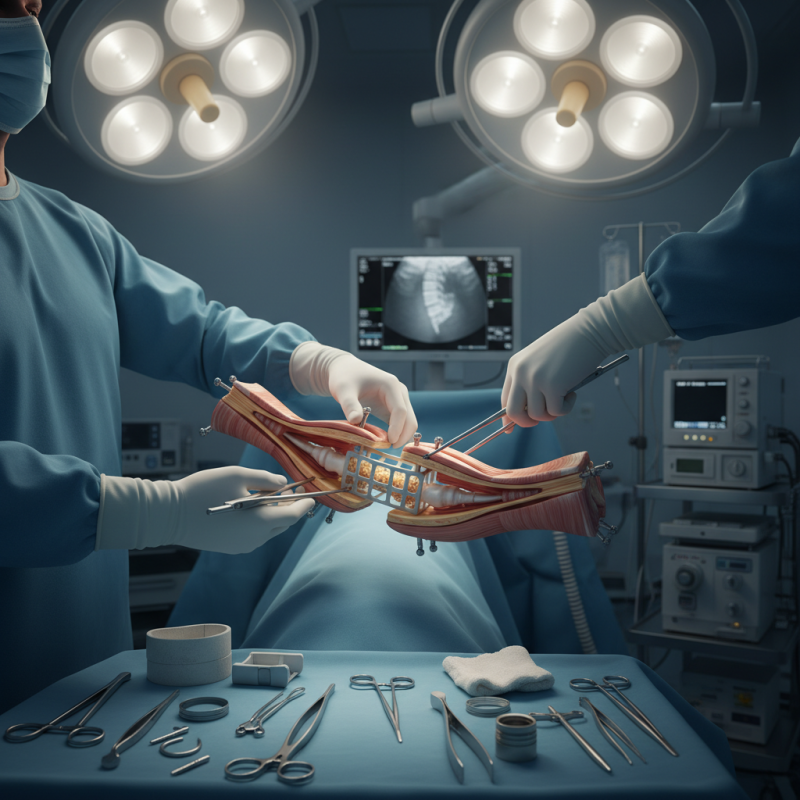
Lateral Lumbar Interbody Fusion (LLIF) is a surgical procedure aimed at treating spine-related issues. It focuses on the lumbar region, which is located in the lower back. This method involves accessing the spine from the side, which is less invasive compared to traditional approaches. Surgeons remove damaged discs and insert implants to stabilize the spine. Using fluoroscopy, doctors ensure accurate placement during the procedure.
Tips: Before considering LLIF, consult multiple specialists. It’s crucial to understand all your options. The recovery process is vital, so follow guidelines strictly. Pain management post-surgery differs for everyone. Stay aware of how your body responds.
While LLIF offers benefits like reduced incision size and shorter hospital stays, it's not a cure-all. Complications, though rare, can happen. Nerve damage or infection may occur. Each patient has distinct needs and risks. It’s essential to have realistic expectations about recovery times and outcomes.
Lateral Lumbar Interbody Fusion (LLIF) is a surgical option for specific spine conditions. The surgery is often indicated for patients suffering from degenerative disc disease, spinal deformities, or spondylolisthesis. These conditions can lead to severe pain and limited mobility. LLIF aims to stabilize the spine and alleviate discomfort by fusing two or more vertebrae together.
Patients with severe back pain, leg pain, or neurological symptoms may find relief through this procedure. Those who have not responded to conservative treatments, like physical therapy and medication, could be potential candidates. Additionally, individuals with scoliosis or other alignment issues might benefit significantly, despite the risks involved. The decision needs careful consideration, as not all patients experience the desired outcomes.
The procedure involves accessing the spine from the side, which minimizes muscle damage. While this might sound ideal, recovery can be challenging. Some patients report prolonged pain or complications. It’s essential to weigh the benefits against potential setbacks. Open discussions with healthcare providers can help clarify expectations and ensure informed choices.
Lateral Lumbar Interbody Fusion (LLIF) is gaining popularity for its
minimally invasive approach. This technique
allows surgeons to access the spine from the side. It has shown promising results for patients with
degenerative disc disease and spinal deformities. According to a 2021 study published
in the Journal of Neurosurgery, LLIF can reduce postoperative pain and hospital stay duration by
20-30%. This approach minimizes muscle disruption and promotes
quicker recovery.
Key surgical techniques include the use of specialized retractors and intraoperative imaging. Surgeons
use a muscle-sparing method to reach the lumbar spine. One notable technique is the
use of oblique lumbar interbody fusion, which has improved
fusion rates. The same study indicated that approximately 88%
of patients achieve successful fusion within a year. Furthermore, LLIF can be combined with
percutaneous fixation, enhancing stability while keeping invasiveness low.
Despite its advantages, LLIF is not without challenges. Complications can arise, such as nerve injury or
improper implant placement. Patient selection plays a crucial role in outcomes. Some may not be ideal
candidates due to anatomical considerations. Continuous evaluation and refinement of techniques are
necessary to optimize results. Surgeons must assess risks carefully to ensure the best possible
outcomes for their patients.
Lateral Lumbar Interbody Fusion (LLIF) is gaining attention for its minimally invasive approach. Patients often wonder about the expected outcomes and recovery times. Typically, recovery can vary based on individual conditions and the surgical technique. Most patients stay in the hospital for 1 to 3 days. Some may require more time if there are complications.
After surgery, many patients start physical therapy within a few weeks. This is crucial for restoring mobility. Some report pain relief almost immediately, while others may find it takes a bit longer. Understanding that everyone’s healing process is unique is important. It’s normal to experience ups and downs. Not all patients will achieve perfect outcomes.
Adapting to post-surgery life can bring challenges. Some may feel frustrated with their progress. Monitoring recovery is essential. Regular check-ups can help address any concerns early. Communication with healthcare providers can guide patients through this phase. Listening to one's body is key. The journey might not be perfect, but it often leads to better mobility and quality of life.
| Parameter | Details |
|---|---|
| Procedure Overview | Lateral Lumbar Interbody Fusion (LLIF) is a minimally invasive surgical technique used to fuse the lumbar spine through the lateral approach. |
| Indications | Degenerative disc disease, spinal instability, scoliosis, and other spinal deformities. |
| Expected Outcomes | Improved pain relief, increased mobility, and stabilization of the spine. |
| Success Rate | Success rates range between 80% to 90% depending on individual patient factors and conditions. |
| Recovery Time | Most patients can return to light activities within a few weeks; full recovery may take 3 to 6 months. |
| Risks and Complications | Potential complications include infection, bleeding, nerve injury, and non-union of vertebrae. |
| Post-operative Care | Include physical therapy, managing pain, and avoiding heavy lifting for a prescribed period. |
Lateral Lumbar Interbody Fusion (LLIF) is gaining popularity for treating various spinal conditions. However, as with any surgical procedure, it comes with its own set of complications and risks. Some potential complications include nerve injury, vascular damage, and infection. These risks can lead to prolonged recovery and lingering pain.
Tips: Always discuss the potential risks with your surgeon. Understanding what could go wrong helps you prepare mentally and physically.
Other complications may involve hardware failure or improper fusion. If the bones do not fuse correctly, additional surgeries may be needed. This scenario can be frustrating and lead to emotional stress for patients.
Tips: Research and ask about the surgeon’s experience with this procedure. An experienced surgeon may reduce the risk of complications.
Remember, every surgery carries risks. While LLIF may offer benefits like reduced recovery times, the potential for complications cannot be ignored. Take the time to weigh your options and reflect on these risks before making a decision.
: LLIF is a surgical procedure to treat spine issues in the lower back. It accesses the spine from the side.
LLIF offers smaller incisions and shorter hospital stays. But it’s not a cure-all for spinal issues.
Potential complications include nerve injury, infection, and vascular damage. These can lead to longer recovery times.
Consult multiple specialists and understand all options. Following recovery guidelines is crucial for successful results.
Pain management varies between patients. Stay aware of how your body reacts and seek help if needed.
No, there are no guarantees. Complications such as hardware failure can happen, requiring additional surgeries.
Discuss risks with your surgeon. Research their experience with the procedure to make an informed choice.
Weigh the benefits against possible complications. It’s important to have realistic expectations about recovery times.
Yes, dealing with complications like prolonged pain can lead to emotional stress. Seeking support is important during recovery.
Every surgery comes with risks. Take the time to think through your options and discuss concerns with your doctor.
Lateral Lumbar Interbody Fusion (LLIF) is a surgical procedure designed to address various spinal disorders, primarily focused on stabilizing the lumbar spine. The technique involves accessing the intervertebral discs from the side of the body, minimizing muscle damage and allowing for a less invasive approach. Candidates for LLIF typically include patients experiencing degenerative disc disease, spinal deformities, or those requiring stabilizing after a fracture.
During the procedure, surgeons use specialized tools to remove damaged discs and insert a fusion device. Expected outcomes generally include reduced pain and improved mobility, with recovery times varying based on individual circumstances. However, like any surgical intervention, LLIF carries potential risks, including infection, nerve damage, and complications related to anesthesia. Overall, Lateral Lumbar Interbody Fusion offers a viable solution for many patients seeking relief from chronic back pain and enhanced quality of life.
