Grai Orthopedic Implants Grai Orthopedic Implants

Why Are Orthopedic Implant Prices Different Based on Material?

Time:2026-08-04 Author:Liam
0%

Understanding the differences in orthopedic implant prices is crucial for patients and healthcare providers. When examining "Why do orthopedic implants prices vary by material and specification," it becomes clear that multiple factors at play influence these costs. Materials such as titanium, stainless steel, and polymers each come with raw material expenses and manufacturing complexities.

For instance, titanium is lightweight and resistant to corrosion. Its properties often justify higher prices. In contrast, stainless steel, while durable, may not provide the same level of performance as titanium. These variations raise questions about spending on implants.

Additionally, factors like the implant's design specifications impact production costs. Custom implants can be priced higher due to tailored manufacturing processes. This leads to significant disparities in pricing. It is essential to reflect on how these factors affect patients' choices and overall healthcare expenses. Understanding the "Why do orthopedic implants prices vary by material and specification" helps facilitate informed decisions in orthopedic care.
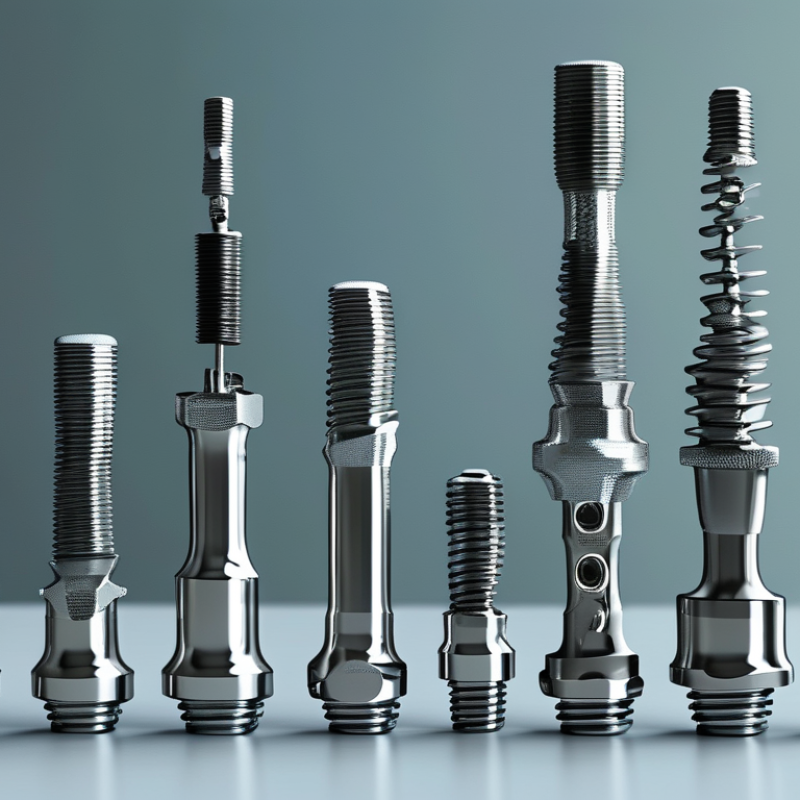
Why Are Orthopedic Implant Prices Different Based on Material?

Factors Influencing the Cost of Orthopedic Implant Materials

The cost of orthopedic implants varies due to several factors related to material choices. Common materials include titanium, stainless steel, and polymers. Each has different properties, impacting the pricing. For instance, titanium is known for its strength and biocompatibility. It also tends to be more expensive than stainless steel.

Manufacturing techniques significantly influence costs. Some implants require advanced manufacturing methods, like 3D printing. This complexity can drive up the price. Additionally, research and development costs are often factored into the final price. Companies invest heavily in creating implants that ensure safety and effectiveness.

Tips: When considering implants, always discuss material options with your surgeon. Understanding the reasons behind price differences can help. Ask about the benefits and drawbacks of each material. Being informed can lead to better choices for your health.

Factors Influencing the Cost of Orthopedic Implant Materials

Material Type Average Cost per Implant Durability (Years) Weight (grams) Biocompatibility Rating
Titanium $2,500 20 100 A
Stainless Steel $1,500 15 200 B
Cobalt Chrome $3,000 25 90 A
Polyethylene $800 10 50 C
Molybdenum $2,000 18 80 B

Comparison of Common Materials Used for Orthopedic Implants

Orthopedic implants are made from various materials. Each material has unique properties that affect performance and cost. Common options include titanium, stainless steel, and polyethylene. Titanium is popular for its strength and low weight. It integrates well with bone, promoting healing. However, it is often more expensive due to its manufacturing process.

Stainless steel is another widely used option. It is strong and cost-effective. While it lacks some biocompatibility features of titanium, it serves well in many applications. Polyethylene, on the other hand, is typically used for joint surfaces. It is durable and offers good wear resistance. However, it may degrade over time and needs to be monitored after surgery.

Patients may feel overwhelmed by choices based on materials. Understanding these differences helps in making informed decisions. Finding the right material requires professional guidance. Not all implants work the same for every patient. Each case is unique, and that is crucial to keep in mind. The long-term success of implants can vary. It is vital to ask healthcare providers about material options thoroughly.

Comparison of Orthopedic Implant Material Costs

Impact of Material Properties on Implant Performance and Longevity

The choice of materials for orthopedic implants significantly affects their performance and longevity. Titanium, known for its strength and biocompatibility, is often favored. However, it’s not without flaws. Titanium can corrode under certain conditions, potentially leading to implant failure. Stainless steel, another common option, may offer durability but can be heavier and less compatible with the human body. This difference can influence the healing process.

Material properties also dictate how well implants integrate with bone. Porous materials enhance this integration, promoting better long-term stability. Yet, porous surfaces can complicate manufacturing and lead to inconsistencies. Some newer materials, like polymers, provide flexibility but may not endure heavy loads as well as metals. This trade-off requires careful consideration by surgeons when selecting the best implant for each patient.

Despite advancements, there’s still room for improvement in implant technology. Researchers continue to explore innovative materials to enhance wear resistance and reduce rejection rates. The journey toward the ideal orthopedic implant is ongoing, with many questions still unanswered. Balancing cost, quality, and material properties remains a challenge in the industry.

Economic Considerations in Manufacturing and Sourcing Implant Materials

The costs of orthopedic implants largely hinge on the materials used in their production. Different materials present varying benefits and drawbacks, impacting overall pricing. For instance, titanium is commonly favored due to its strength and biocompatibility. However, titanium implants can be significantly more expensive. Research suggests that the price difference can be as high as 200% between titanium and stainless steel implants.

Manufacturing logistics also influence costs. The sourcing of raw materials, as noted in a 2022 industry report, contributes nearly 30% to the total implant price. Supply chain disruptions can further escalate these costs unpredictably. In the wake of global events, manufacturers have faced delays and increased shipping costs, which trickle down to healthcare providers and patients.

It’s noteworthy that the most expensive materials do not always guarantee the best outcomes. Some studies suggest that outcomes can be similar across different material implant types. This has prompted healthcare providers to reconsider their options and push for transparency in pricing. As the industry continues to evolve, it is crucial to evaluate the actual benefits versus the economic implications of material choices. These reflections aim to inspire more informed decisions in patient care and cost management.

Regulatory and Approval Costs Affecting Implant Material Pricing

The pricing of orthopedic implants varies greatly due to several factors, with material choice being a primary influence. Regulatory and approval processes play a critical role in determining these costs. Each material undergoes rigorous testing to ensure safety and efficacy before approval. This involves extensive research, clinical trials, and compliance with legal standards. Such procedural requirements can drive the prices of certain materials higher than others.

For instance, titanium implants are often more expensive than stainless steel ones. While titanium is known for its durability and biocompatibility, the approval process can be lengthier and more complex. This leads to increased costs that are often passed on to healthcare providers. The balance between material benefits and regulatory expenses can create noticeable disparities in pricing.

Impacts of these factors can sometimes be overlooked. Some high-cost materials may not always translate to better patient outcomes. Conversely, cheaper options might offer effective solutions after extensive testing. There is an ongoing discussion in the medical community about the value of expenditures versus actual performance in implants. Practitioners are encouraged to consider not just the initial prices but the long-term implications of their choices.

FAQS

: What are common materials used for orthopedic implants?

: Common materials include titanium, stainless steel, and polyethylene, each with unique properties.

Why is titanium popular for implants?

Titanium is favored for its strength, low weight, and effective bone integration. However, it can be expensive.

What are the drawbacks of stainless steel implants?

Stainless steel is cost-effective but lacks some biocompatibility. It may also influence healing negatively.

How does polyethylene perform in joint applications?

Polyethylene offers durability and wear resistance, but it can degrade over time and needs monitoring post-surgery.

Why might patients feel overwhelmed by implant material choices?

Patients may struggle to understand the differences between materials. Each case is unique and requires professional advice.

What affects the long-term success of implants?

Long-term success varies with each patient. Material properties, integration with bone, and surgical choices greatly influence outcomes.

How do regulatory processes impact implant pricing?

Regulatory approvals increase costs due to extensive testing and compliance, leading to higher prices for some materials.

Can expensive materials ensure better outcomes?

Not always. High costs do not always equate to better patient results. Cheaper options may be effective after rigorous testing.

What challenges do surgeons face in material selection?

Balancing cost and quality while ensuring proper performance remains a challenge for surgeons in choosing implants.

How is the development of implant technology progressing?

There is ongoing research for innovative materials to enhance performance. The journey for ideal implants continues, with many questions remaining.

Conclusion

The article "Why Are Orthopedic Implant Prices Different Based on Material?" explores the various factors that contribute to the cost differences in orthopedic implants. Key elements influencing pricing include the properties of the materials used, such as titanium, stainless steel, and polymers, each offering distinct advantages that impact performance and longevity. The economic considerations surrounding the manufacturing processes and sourcing of these materials also play a significant role in determining costs. Additionally, regulatory and approval expenses further complicate the pricing landscape, as different materials require varying levels of scrutiny and testing.

In addressing the question, "Why do orthopedic implants prices vary by material and specification," it becomes clear that the interplay between material characteristics, production costs, and regulatory hurdles creates a complex pricing structure. Understanding these factors not only aids in making informed decisions for healthcare providers but also emphasizes the importance of selecting the right materials to ensure optimal patient outcomes in orthopedic surgeries.

Liam

Liam

Liam is a dedicated marketing professional with a profound expertise in the industry, where he excels at highlighting the unique advantages of our core products. With a keen understanding of market trends and consumer needs, Liam frequently updates our company’s professional blog, providing......