The field of orthopedic implants is complex and diverse. Patients often wonder, "Why do orthopedic implants prices vary by material and specification?" This question reveals several factors that affect pricing. The material used in implants plays a crucial role in determining costs. Metals like titanium and cobalt-chromium are known for their strength and biocompatibility. However, these materials can be more expensive than alternatives like stainless steel.
Additionally, the manufacturing process influences the final price. Advanced technologies, such as 3D printing and surface coatings, may add significant costs. These innovations improve implant longevity and performance, making them preferable despite higher prices. It’s essential to balance the need for quality with affordability.
There are also questions about consistency and standardization in the market. Not all implants are made equal, leading to variations even within the same material category. Understanding these differences is crucial for patients and medical professionals alike. As the market evolves, keeping informed will help ensure optimal choices.
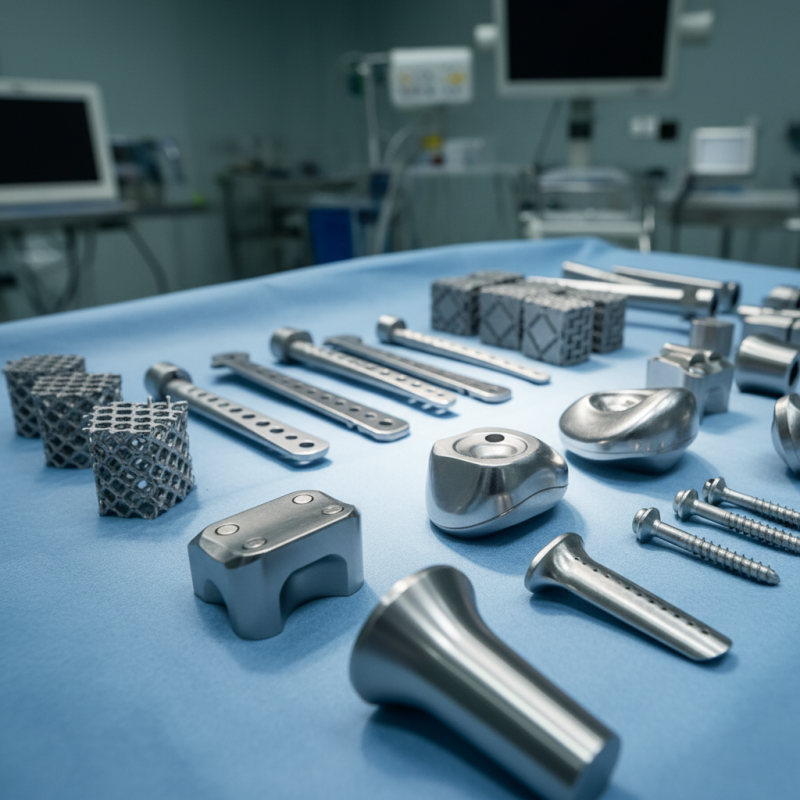
Factors Influencing Orthopedic Implant Material Costs
When it comes to orthopedic implants, various factors can influence the costs of materials used. The choice of material is crucial for the implant's performance and durability. Common materials include titanium, stainless steel, ceramic, and polymer composites. Each material has unique properties, affecting both pricing and functionality.
One significant factor is the manufacturing process. Some materials require advanced technology and expertise for production. For example, titanium undergoes specific treatments to enhance its strength and biocompatibility. This added complexity can drive up costs.
Another aspect is the demand and supply dynamics. For instance, titanium implants are popular in the medical field due to their lightweight and rust-resistant qualities. Increased demand raises prices, especially when supply chains face disruptions.
**Tips**: When considering an implant, discuss material options with your surgeon. Understand the benefits and potential drawbacks of each one. Researching material costs can help you make informed choices regarding your treatment plan.
Regulatory approvals also play a pivotal role. Materials that require extensive testing for safety and efficacy will often be more expensive. This is a necessary step to ensure that patients receive high-quality implants that minimize complications.
**Tips**: Always inquire about the materials used in your implants. Clear communication with your healthcare provider ensures that you are comfortable with your choices. Don't hesitate to ask about the rationale behind the material selection.
Factors Influencing Orthopedic Implant Material Costs
Comparative Analysis of Common Implant Materials
The choice of material for orthopedic implants significantly impacts their price. Common materials include titanium, stainless steel, and biodegradable polymers, each with unique properties and costs. Titanium implants are lightweight and corrosion-resistant, making them popular in joint and bone surgeries. However, they tend to be more expensive due to their manufacturing processes. In contrast, stainless steel offers strength at a lower cost but can exhibit less biocompatibility.
Research indicates that titanium-based implants have a failure rate of around 2%, while stainless steel can have rates up to 4%. These statistics reflect the trade-offs between cost and reliability. Biodegradable materials are gaining attention for their potential to eliminate the need for a second surgery. They can reduce long-term complications but often come with higher initial costs.
Tips: When considering implants, focus on long-term benefits over initial savings. Always consult with a surgeon to understand the best material for specific needs. Ensure to discuss potential long-term implications with your healthcare provider. Remember that the cheapest option isn’t always the best for health and recovery.
Best Reasons Why Orthopedic Implants Prices Vary by Material - Comparative Analysis of Common Implant Materials
| Material |
Cost per Unit |
Durability (years) |
Weight (grams) |
Biocompatibility |
| Titanium |
$200 |
25 |
40 |
Excellent |
| Stainless Steel |
$150 |
15 |
60 |
Good |
| Cobalt-Chromium |
$250 |
20 |
50 |
Excellent |
| Polyethylene |
$100 |
10 |
80 |
Moderate |
| Ceramics |
$300 |
30 |
20 |
Very Good |
Impact of Material Properties on Implant Performance and Pricing
Orthopedic implants play a crucial role in modern medicine. The choice of material significantly impacts both implant performance and pricing. Titanium, for instance, is renowned for its strength and biocompatibility. According to a report by the Journal of Orthopedic Research, titanium implants have a 95% success rate in surgeries, making them a leading material choice.
In contrast, stainless steel is often more affordable. While its mechanical properties are adequate for many applications, studies show that it has a higher incidence of corrosion. A study published in the Clinical Orthopaedics and Related Research highlighted that titanium outperformed stainless steel in longevity. The price difference here can be stark, with titanium implants costing up to three times more.
Polyether ether ketone (PEEK) is another rising star in orthopedic implants. This polymer matches bone elasticity. Reports indicate that PEEK implants can reduce stress shielding, yet their higher production cost influences market prices. Though effective, they require careful consideration of structural properties. The interplay between performance and material choice impacts overall costs, shaping the future of orthopedic implant technology.
Market Demand and Supply Dynamics for Orthopedic Implants
The prices of orthopedic implants vary significantly due to market demand and supply dynamics. According to a report by the Orthopedic Research Society, implant prices can fluctuate by as much as 20-30% based on material cost and availability. The demand for specific materials, such as titanium and cobalt-chromium alloys, greatly influences pricing. These materials are chosen for their strength and biocompatibility, which are crucial in orthopedic surgeries.
Supply chain issues can also cause price changes. The COVID-19 pandemic highlighted vulnerabilities in global manufacturing, affecting material availability. A recent analysis showed a 15% increase in implant costs due to supply constraints. Additionally, variations in manufacturing processes contribute to cost differences. Custom implants, which may be necessary for unique patient needs, often incur higher prices due to increased labor and production time.
Market trends indicate that as more hospitals prioritize patient outcomes, the demand for high-quality materials increases. Yet, this creates a cycle of rising costs that can be challenging. A survey by the American Academy of Orthopedic Surgeons found that over 60% of surgeons are concerned about the impact of rising implant costs on patient care. Balancing cost and quality remains a critical issue in the orthopedic implant market.
Regulatory and Development Costs Affecting Implant Material Prices
The cost of orthopedic implants largely hinges on the materials used. Different materials pose distinct regulatory hurdles and development costs. Titanium, for example, is favored for its strength and biocompatibility. However, the regulatory framework for titanium implants is stringent. This includes extensive testing, which raises overall costs. Manufacturers must navigate complex certification processes to ensure safety and effectiveness.
Material selection also impacts the development timeline, influencing pricing. High-quality polymers may require innovative manufacturing methods. Such processes can be time-consuming and expensive. As a result, implants made from these materials often carry a higher price tag. However, not all manufacturers can guarantee the same quality or compliance. Insufficient testing can lead to product failures, highlighting the need for vigilance in selecting reputable sources.
The variation in prices reflects more than just material costs. Regulatory compliance is an essential component. Striking a balance between quality, safety, and cost is not straightforward. Manufacturers face the ongoing challenge of keeping costs down while meeting stringent regulations. As innovations arise, the conversation about material efficiency remains critical. Buyers must be discerning in their choices to ensure both safety and value.
FAQS
: Common materials include titanium, stainless steel, and polyether ether ketone (PEEK). Each has unique properties.
Titanium offers strength and biocompatibility, with a high success rate in surgeries, around 95%.
Stainless steel is cheaper but may corrode more frequently. Its longevity is less than that of titanium.
PEEK matches bone elasticity but is costly to produce. Its structural properties require careful evaluation.
Prices can vary by 20-30% based on demand and availability of materials like titanium and cobalt-chromium.
Supply chain issues, like those from the COVID-19 pandemic, can raise prices due to material shortages.
Custom implants require more labor and time, leading to higher production costs for unique patient needs.
Many surgeons express concern that increasing costs may negatively impact patient care and outcomes.
Yes, as hospitals seek better materials, costs rise, creating a challenging balance for patient care.
Variations in manufacturing can lead to significant differences in implant costs, affecting overall pricing strategies.
Conclusion
The price variability of orthopedic implants can be attributed to several key factors that influence material costs. One primary consideration is the diverse properties of implant materials, such as titanium, stainless steel, and biodegradable polymers, each affecting performance, longevity, and biocompatibility differently. This comparative analysis reveals that the selection of materials impacts both the effectiveness of the implants and their price points.
Moreover, market dynamics play a crucial role in determining costs. Fluctuations in supply and demand can lead to price adjustments based on the availability of certain materials. Additionally, regulatory requirements and development costs associated with producing orthopedic implants further complicate pricing structures. In summary, understanding "why do orthopedic implants prices vary by material and specification" requires an exploration of these multifaceted factors that govern material choices, market forces, and regulatory landscapes.
 Grai Orthopedic Implants
