Grai Orthopedic Implants
Orthopedic implants play a crucial role in modern medicine. They help billions of people regain joint function and improve quality of life. According to the Orthopedic Research Society, over 1 million knee replacements are performed annually in the U.S. alone. This raises the question: Why do orthopedic implants require sterile packaging for shipping?
Infection is a significant risk during surgery. The World Health Organization reports that surgical site infections affect 2-5% of patients. Contaminated implants can complicate surgeries and lead to severe consequences.
The importance of sterile packaging becomes clear. It ensures that implants are free from harmful microorganisms before they reach healthcare providers. This process is vital, as patient safety relies heavily on the integrity of these devices. The FDA emphasizes that maintaining a sterile environment is essential for reducing infection rates in orthopedic procedures. While progress has been made, the industry must continue to refine packaging standards. Even with advanced technologies, there remains room for improvement.
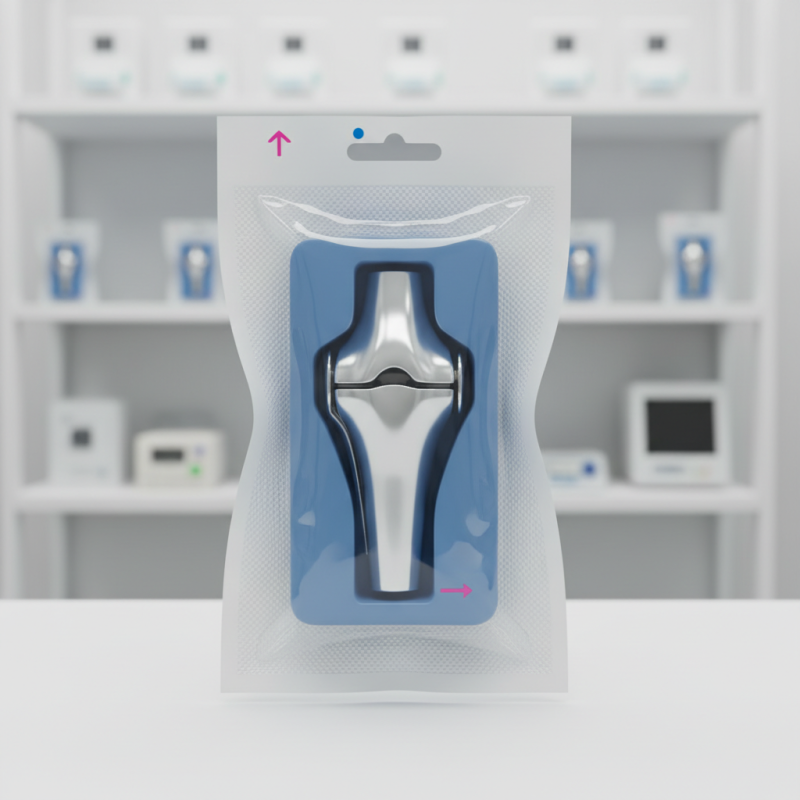
Sterility is crucial for orthopedic implants. Studies show that nearly 2 million surgical site infections occur annually in the U.S. These infections often stem from contaminated instruments or implants. When implants are not properly sterilized, the risk of infection significantly increases. Maintaining sterility ensures that these life-saving devices do not become a source of harm.
Packaging plays a vital role in maintaining sterility during transportation. The right materials can prevent contamination. A report from the Association for the Advancement of Medical Instrumentation states that improper packaging can lead to a 30% failure rate in sterilization. This presents a dangerous scenario for patients relying on these implants for recovery.
Tips for ensuring sterility include checking packaging integrity before use. Any signs of damage could compromise sterility. Always store implants in a cool, dry place to prevent microbial growth. Furthermore, healthcare providers must be trained in proper handling techniques. Consistent adherence to sterility protocols is essential in providing safe patient outcomes. Recognizing and addressing these challenges can lead to better practices in the orthopedic field.
In the medical device industry, the importance of sterile packaging cannot be overstated. According to a report from the World Health Organization, improper packaging can lead to contamination, which is a significant risk for patients undergoing surgery. The United States Food and Drug Administration (FDA) emphasizes that sterile packaging is crucial for orthopedic implants to minimize these risks.
Regulatory standards demand that sterile packaging meets specific criteria, often guided by ISO 11607. This standard ensures the integrity of sterile products. A recent survey showed that 75% of hospitals reported experiencing issues related to sterile packaging integrity. Such data highlights the need for continuous improvement in sterilization processes and packaging materials. Many manufacturers grapple with maintaining compliance while also innovating.
It’s important to recognize that even minor lapses in sterile packaging can have severe consequences. For instance, implant infections due to compromised packaging can lead to additional surgeries. Ensuring reliable sterile packaging is not just regulatory; it's a critical component of patient safety and healthcare quality. As the industry evolves, staying ahead of standards and addressing challenges is essential for all stakeholders involved.
This chart represents the compliance levels of various regulatory standards related to sterile packaging for orthopedic implants. Ensuring adherence to these standards is crucial for maintaining the safety and efficacy of medical devices during shipping.
Contamination of orthopedic implants is a critical concern in surgical settings. When these implants are not properly sterilized, harmful bacteria can thrive. This can lead to serious complications, including infections. Post-surgical infections can result in extended hospital stays and additional surgeries. The economic burden on healthcare systems is significant.
Sterile packaging is essential for preserving the integrity of implants. It provides a barrier against contamination during shipping and storage. The packaging must meet strict standards. Even minor flaws can compromise sterility. For example, a small tear in the packaging can allow bacteria to enter. This increases the risk of surgical site infections.
Healthcare professionals must prioritize the importance of sterilization. It’s not only about following protocols but understanding their impact. Some may take sterile packaging for granted, yet the consequences of neglect can be severe. Acknowledge the responsibility that comes with handling surgical implants. Each step is crucial to ensure patient safety and successful surgical outcomes.
The packaging of orthopedic implants has undergone significant advancements. These innovations enhance sterility and ensure the safe transportation of these critical medical devices. Advanced materials now provide better protection against moisture, dust, and other contaminants. Packaging solutions incorporate smart technology to monitor sterility and integrity during transit.
An example is the use of vacuum-sealed bags. This method removes air, significantly reducing the risk of bacterial growth. Some modern packages include indicators that show if they have been compromised. However, not every packaging option is foolproof. Issues can still arise, leading to potential contamination. Regular audits of packaging processes are necessary.
Another area needing improvement is sustainability. Many traditional packaging materials are not eco-friendly. As the medical field shifts toward greener practices, the challenge remains to maintain sterility. Innovations must balance environmental impact with the needs of healthcare. Despite these advances, the conversation about packaging in the orthopedic industry continues to evolve.
Non-sterile orthopedic implants pose significant risks during surgical procedures. Research indicates that surgical site infections (SSIs) occur in approximately 2-5% of orthopedic surgeries. These infections can lead to serious complications, extending hospital stays and increasing treatment costs. According to a study published in the Journal of Bone and Joint Surgery, the average cost of managing an SSI can exceed $50,000 per case. This financial burden emphasizes the critical need for sterile packaging during shipping.
When implants are shipped in non-sterile packaging, contamination can occur. Bacteria may thrive, compromising patient safety. A report from the American Academy of Orthopaedic Surgeons highlighted that up to 70% of infections are preventable with proper sterilization practices. This underscores the importance of ensuring that orthopedic implants meet stringent sterilization standards before they reach operating rooms.
In addition to patient safety, the economic implications of non-sterile implants are severe. Hospitals may incur costs from increased readmissions and prolonged treatment protocols. This can lead to financial strain, impacting overall healthcare budgets. Ensuring sterile packaging for implants is not merely a precaution, but a critical component of modern surgical practices that can facilitate better outcomes and reduce unnecessary expenditures.
: Sterile packaging prevents contamination, reducing risks for patients undergoing surgery.
Minor lapses may lead to severe issues, such as implant infections and additional surgeries.
ISO 11607 is a critical standard that ensures the integrity of sterile products.
A recent survey found that 75% of hospitals reported issues with sterile packaging integrity.
Managing surgical site infections can exceed $50,000, leading to significant healthcare costs.
Non-sterile implants can lead to infections, resulting in extended hospital stays and complications.
Some may take it for granted, but neglect can result in severe consequences for patient safety.
They must understand and prioritize sterilization processes to ensure successful surgical outcomes.
Surgical site infections occur in about 2-5% of orthopedic surgeries.
Preventing infections reduces readmissions, lowering financial strain on hospitals and healthcare systems.
Orthopedic implants require sterile packaging for shipping to ensure patient safety and prevent infections during surgical procedures. The sterility of these implants is critical, as contamination can lead to severe complications, including increased infection rates and prolonged recovery times. Regulatory standards are in place to enforce strict guidelines for the packaging of medical devices, which underscores the importance of maintaining a sterile environment from manufacturing to implantation.
Advancements in packaging technology have improved the ability to maintain sterility, reducing the risk of contamination. Additionally, using non-sterile implants can lead to significant cost implications, both in terms of increased healthcare expenses due to complications and the need for further interventions. Therefore, understanding why orthopedic implants require sterile packaging for shipping is essential for maintaining high standards of patient care and safety.
