Grai Orthopedic Implants
In the rapidly evolving medical device market, ensuring the authenticity of orthopedic implants is crucial. Counterfeit products pose serious risks to patient health and surgical outcomes. As demand increases, bulk purchases become common, yet they also heighten the potential for encountering fakes. It's vital for healthcare providers and procurement teams to understand how to avoid counterfeit orthopedic implants in bulk purchases.
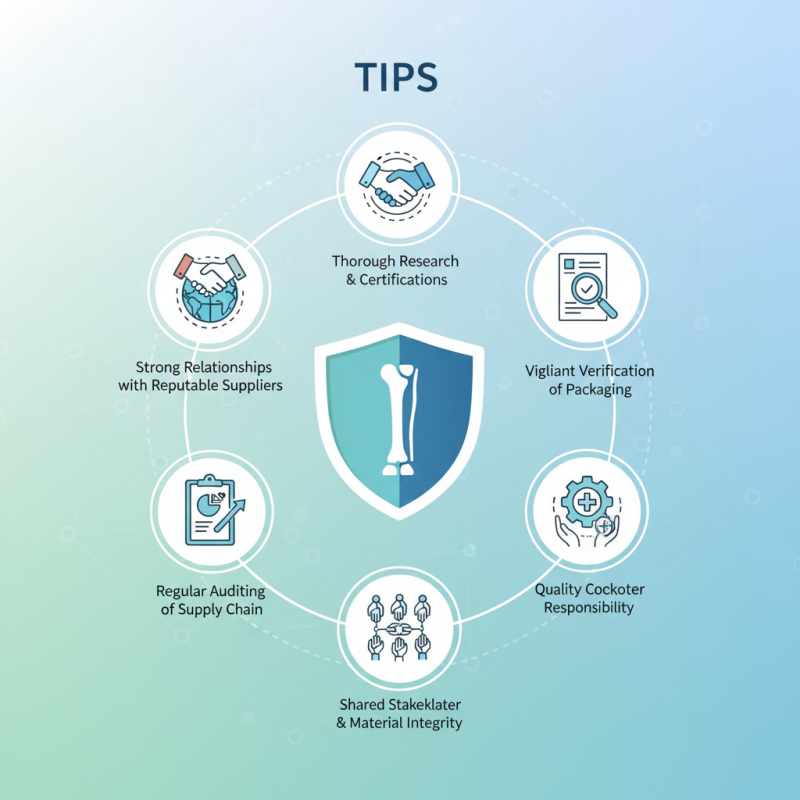
Many factors contribute to the proliferation of counterfeit devices. Manufacturers may cut corners, resulting in subpar materials and inadequate quality control. Therefore, establishing strong relationships with reputable suppliers is essential. Conduct thorough research before engaging with vendors. Certifications and quality assurances should be non-negotiable in any transaction.
Additionally, remain vigilant during the purchasing process. Always verify the authenticity of packaging and product details. Counterfeit implants might look convincing at first glance, but small discrepancies can reveal their true nature. Regular auditing of supply chain practices will enhance security and reduce the risk of counterfeit implants infiltrating healthcare systems. The responsibility lies with all stakeholders to maintain integrity and safety in medical procurement.
Counterfeit orthopedic implants pose serious risks to patients. These fake devices can lead to complications and severe health issues. Many patients unknowingly receive these implants during surgery. The danger lies in their lack of regulatory approval and poor manufacturing standards. There have been reports of implants breaking or failing unexpectedly. This can result in prolonged pain, additional surgeries, or even permanent disability.
Identifying counterfeit implants is challenging. Surgeons must rely on their experience and the reputation of suppliers. Patients should ask questions about the implant's origin and verify its documentation. Monitoring for signs of complications post-surgery is essential. If something feels off, it’s important to reach out to healthcare providers quickly.
Education on the risks of counterfeit implants is crucial. Doctors and patients alike must recognize the red flags. Relying solely on price can lead to dire consequences. Awareness can empower patients to make informed choices. Don’t hesitate to seek second opinions or do thorough research.
When it comes to orthopedic implants, identifying authentic manufacturers and suppliers is crucial. Research indicates that around 19% of medical devices on the market can be counterfeit. Experts recommend checking the certification of suppliers. Look for companies that operate under rigorous quality control standards. The International Organization for Standardization (ISO) provides guidelines for manufacturers, ensuring that their products meet health and safety requirements.
A strong indicator of reliability is the reputation of a supplier within the industry. Engaging with industry forums or professional associations can reveal insights. Reports show that 88% of healthcare professionals rely on peer recommendations when selecting suppliers. This highlights the importance of networking. Always verify credentials through trusted channels. Authentic suppliers usually have traceable records, enabling easy verification of their products.
Watch out for red flags, such as unsolicited offers or prices markedly lower than market rates. These are signs that a supplier may not adhere to industry standards. Keeping up with the latest regulatory updates can also help in making informed choices. As technology evolves, the risk of counterfeit implants continues to grow, demanding vigilant efforts from healthcare professionals.
When considering orthopedic implants, regulatory compliance is crucial. Observing proper certifications can help ensure the quality of these medical devices. Always check if the implants comply with standards set by relevant health authorities. These regulations are designed to protect patient safety. Understanding what certifications mean can guide you in making informed choices.
Research the regulatory bodies responsible for oversight in your region. For instance, different countries have their own set of standards. Familiarize yourself with these organizations and their requirements. Some implants may lack the certifications needed for safety. This gap can lead to serious health risks. Evaluate the information available from these organizations to determine the reliability of a product.
Beware of vague claims about compliance. Some sellers may exaggerate or misrepresent their products. Investigate any unfamiliar certifications. Understanding the nuances of regulatory labels is vital. Transparency in sourcing can shed light on the authenticity of implants. The more you know, the better equipped you are to avoid counterfeits. Empower yourself with this knowledge, but trust your instincts when something feels off. The quest for the right implant should be informed and cautious.
When purchasing orthopedic implants, recognizing red flags is crucial. Many counterfeit products look convincing but have serious quality issues. According to a report from the World Health Organization, up to 10% of medical devices globally can be counterfeit. This alarming statistic highlights the importance of vigilance during procurement.
One common red flag is the price. If a deal seems too good to be true, it often is. Genuine implants have pricing structures based on rigorous production standards. A drastic price cut could indicate a fake. Additionally, scrutinize the packaging. Authentic products feature clear labeling, operator manuals, and traceability. Missing or poorly printed labels raise concerns.
Another area to examine is the supplier’s credentials. Always seek certified distributors and check their track record. Medical professionals recommend looking for third-party reviews or certifications from recognized organizations. If a supplier is evasive about their history or lacks transparency, this should raise doubts. Remember, ensuring patient safety is paramount; a small oversight can have significant consequences.
Verifying the authenticity of orthopedic implants is crucial in ensuring patient safety. According to the World Health Organization, counterfeit medical devices account for about 10% of the global market. This alarming statistic underscores the importance of careful verification. One effective way to confirm authenticity is through serial numbers. Each implant should have a unique serial number that traces its origin and manufacturing process. Always request this number and check it against the manufacturer's database.
Documentation is equally important. Proper documentation includes Certificates of Conformity and compliance with industry standards, such as ISO 13485. An estimated 30% of counterfeit products lack adequate documentation. This gap can lead to significant patient health risks. To mitigate these risks, healthcare professionals should insist on complete records. Rely on reputable sources when researching these documents. The responsibility to verify falls on both the supplier and the practitioner. Both should prioritize transparency to enhance patient safety.
: Counterfeit implants can lead to complications and severe health issues. Patients may suffer prolonged pain or require additional surgeries.
Patients should ask about the implant's origin and verify its documentation. Monitoring for complications post-surgery is essential.
If something feels off, reach out to healthcare providers quickly. Early intervention is crucial for safety.
Regulatory compliance ensures the quality and safety of medical devices. Standards protect patients from potential health risks.
Research the regulatory bodies in your region. Familiarize yourself with their standards and ensure compliance with necessary certifications.
Look for red flags like suspicious pricing or poor packaging. Authentic products have clear labels and traceability.
Always check a supplier’s certifications and track record. Lack of transparency raises doubts about the product's authenticity.
A significantly lower price often indicates a counterfeit product. Genuine implants are priced according to quality production standards.
Educate yourself about red flags and regulatory compliance. Trust your instincts when something feels off.
Third-party reviews can provide insights into supplier reliability. They help confirm the authenticity of the products offered.
When considering bulk purchases of orthopedic implants, it is crucial to understand the risks associated with counterfeit products. Counterfeit orthopedic implants can lead to severe health implications for patients, making it essential for healthcare providers to identify authentic manufacturers and suppliers. Researching regulatory compliance and certifications ensures that the implants meet established safety and efficacy standards.
To avoid counterfeit orthopedic implants in bulk purchases, buyers should be vigilant about recognizing red flags during the purchase process, such as unusually low prices or vague product descriptions. Additionally, verifying the authenticity of implants through serial numbers and proper documentation can provide an extra layer of assurance. By taking these proactive measures, healthcare professionals can protect their patients and ensure the integrity of the implants being used.
