Grai Orthopedic Implants
Orthopedic implants play a crucial role in enhancing patient mobility and quality of life. However, the selection of these implants requires careful consideration. Why is it important to test orthopedic implants for durability before purchase? The answer lies in patient safety, long-term effectiveness, and overall health outcomes. Durable implants can withstand daily stress without failure, which is vital for successful surgeries.
Testing ensures that the materials used can handle physical forces. It provides essential data on wear and tear over time, impacting everything from healing to pain levels. Manufacturers must adhere to rigorous standards to guarantee reliability. Audience trust is established through transparent testing practices.
Nevertheless, not all implants undergo the same level of scrutiny. Some might lack comprehensive testing, leading to potential complications. This raises concerns about decisions based solely on initial cost or appearance. Therefore, understanding the importance of durability testing empowers both healthcare professionals and patients to make informed choices. Ultimately, quality makes a significant difference in patient experiences and outcomes.
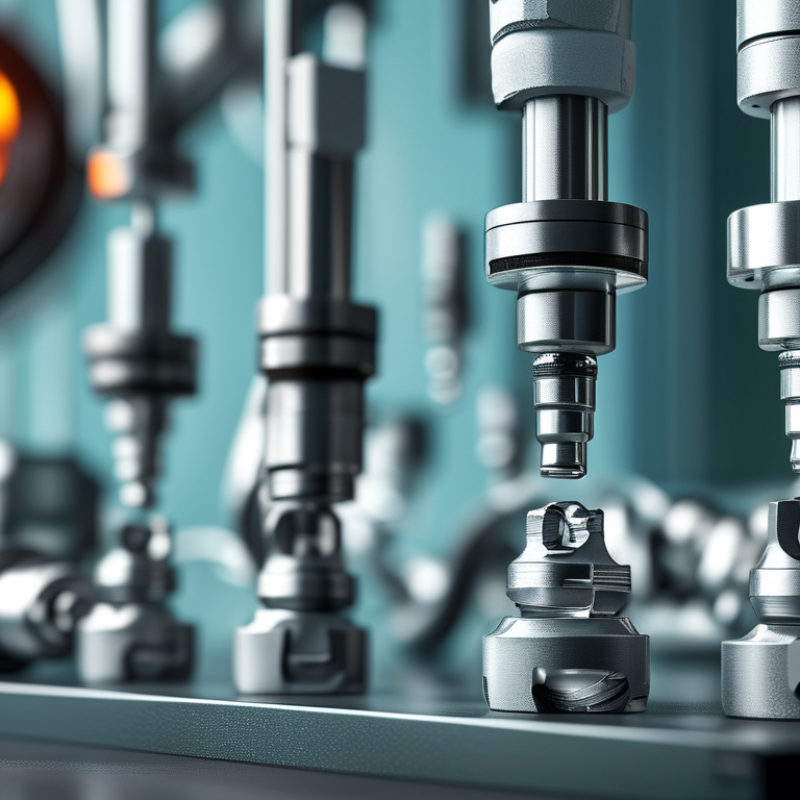
Durability testing plays a crucial role in the development of orthopedic implants. The mechanics of human movement and the forces exerted on implants can be substantial. Without rigorous testing, there’s a risk that a device may fail prematurely, leading to complications for patients. Each implant must withstand wear over time, mimicking real-life conditions. Failure to do so could result in significant health issues for individuals relying on these devices for mobility.
Tips: Focus on real-world scenarios during testing. Simulating daily activities can yield better insights. Collaborating with healthcare professionals also ensures the relevance of the tests.
Durability testing isn't just about breaking materials under pressure. It involves understanding material fatigue and the long-term implications of stress on the body. This knowledge helps refine designs. It also enables engineers to make informed decisions about materials used. Inadequate testing can lead to high rates of revision surgeries, which burdens healthcare systems.
Tips: Gather feedback from surgeons who use the implants. Their expertise offers valuable insights that can enhance design and testing processes. Create a multidisciplinary team for comprehensive evaluations.
Orthopedic implants play a crucial role in restoring mobility and quality of life for patients. Testing their durability is essential. The materials used in these implants directly impact their strength and longevity. For example, titanium and cobalt-chromium alloys are popular due to their excellent fatigue resistance. Understanding the properties of these materials helps engineers design better implants.
Environmental factors are another key consideration. Body temperature, pH levels, and the presence of bodily fluids can cause wear over time. Implants must withstand these conditions without degrading. Additionally, the complexity of load-bearing scenarios should not be overlooked. Implants often experience unpredictable stresses from daily activities, which can lead to failure if not properly tested.
Lastly, manufacturing quality is vital. Variations in production processes can lead to weaknesses in the final product. Rigorous quality control during the manufacturing phase helps ensure that each implant meets safety standards. While great strides have been made in design and testing, continuous improvement is necessary. Understanding and addressing these factors will help enhance the reliability of orthopedic implants.
Testing the durability of orthopedic implants is crucial to ensure patient safety and long-term effectiveness. Several methods are employed to evaluate how well these implants can withstand varying stresses. Mechanical testing is a common approach, where devices are subjected to cyclic loading conditions that mimic the forces experienced in the human body. This can reveal potential points of failure in the material used.
Another method involves in vitro testing, which simulates the biological environment of the body. This helps assess how implants interact with tissues and fluids. Biomechanical assessments provide insights into how implants perform under realistic conditions. However, while these tests are essential, they cannot fully predict long-term behavior once the implant is in place.
Durability in orthopedic implants is crucial for patient safety and outcomes. When implants fail prematurely, it can lead to serious complications. These complications may require additional surgeries, causing pain and increasing medical costs. Durability testing helps identify potential weaknesses in the implants, allowing manufacturers to make necessary improvements.
Patients need assurance that their implants will last. Understanding the materials and construction methods is essential. Well-tested implants significantly reduce the risk of fracture or wear. A durable implant contributes to better mobility and quality of life for patients. When durability is lacking, the trust in orthopedic solutions can wane, impacting both mental and physical health.
While advancements are being made, challenges remain. Some implant designs may look promising but fail under stress. Continuous testing and feedback loops are necessary to refine these devices. The medical community must prioritize ongoing research to ensure that implant durability meets patient expectations. This constant evaluation supports safety and enhances the overall success of orthopedic interventions.
Durability testing for orthopedic implants is essential to meet regulatory standards. These standards are crucial for ensuring patient safety. Regulatory bodies often require rigorous testing to assess how well an implant can withstand different stresses over time. Understanding these demands is vital for manufacturers.
Testing protocols often include mechanical and fatigue tests. These methods simulate real-life conditions the implant might encounter. For example, a knee implant is subjected to a series of load cycles to gauge its longevity under movement. Such detailed testing can reveal potential failure points that need addressing.
While regulatory compliance is necessary, challenges remain. Some manufacturers may overlook specific testing outcomes, prioritizing speed over thoroughness. This can lead to implants that fail prematurely, resulting in severe consequences for patients. Continuous reflection on testing processes and adherence to standards is pivotal in improving the durability and reliability of orthopedic implants.
| Reason | Importance | Regulatory Guidelines | Testing Methods | Conclusion |
|---|---|---|---|---|
| 1. Ensure Patient Safety | Critical for minimizing risks. | ISO 10993 | Fatigue testing and stress analysis. | Essential for risk assessment. |
| 2. Regulatory Compliance | Mandatory for market approval. | FDA 21 CFR Part 820 | Long-term performance tests. | Facilitates faster approvals. |
| 3. Improve Implant Performance | Enhances functionality and longevity. | ASTM F2193 | Mechanical testing under simulated conditions. | Leads to better patient outcomes. |
| 4. Competitive Advantage | Differentiates from competitors. | ISO 13485 | Accelerated life testing. | Attracts more customers. |
| 5. Cost-Efficiency | Reduces long-term costs. | ISO 15883 | Failure analysis and prediction modeling. | Helps in budget management. |
: It ensures patient safety and long-term effectiveness. Testing reveals potential points of failure in implant materials.
Mechanical testing applies cyclic loads. In vitro testing simulates the biological environment.
They assess how implants interact with tissues and fluids, simulating real body conditions.
No, they cannot fully predict long-term behavior after implantation.
Biodegradability, wear resistance, and fatigue strength are essential for performance evaluation.
It helps detect issues that current tests may not reveal, ensuring ongoing patient safety.
Diverse expertise provides better insights for comprehensive assessments, improving testing outcomes.
It can lead to serious complications, additional surgeries, and increased medical costs.
No, some may fail under stress despite looking good initially. Continuous testing is needed.
Knowing materials and construction can help them trust the longevity and durability of their implants.
Durability testing of orthopedic implants is crucial to ensure patient safety and optimal surgical outcomes. The importance of this testing stems from several key factors that can impact the longevity and performance of the implants, including materials used, design, and manufacturing processes. By rigorously evaluating these factors through various testing methods, healthcare providers can ascertain the reliability of implants before they are introduced into the market.
Furthermore, durability directly influences patient outcomes; a reliable implant minimizes the risk of complications and the need for revision surgeries, thus enhancing overall quality of life. Regulatory standards also mandate thorough durability testing, ensuring compliance and instilling confidence in both medical professionals and patients. Therefore, understanding "why it is important to test orthopedic implants for durability before purchase" becomes clear—it safeguards health, raises treatment effectiveness, and reinforces trust in medical devices.
