Grai Orthopedic Implants
In the realm of healthcare, ensuring the safety and efficacy of orthopedic implants is paramount. As the demand for these devices grows, so does the importance of confirming their quality. Many practitioners and patients ask how to verify the authenticity of orthopedic implants certifications. This task can seem complex due to the variety of certifications available.
Quality assurance relies on robust standards. Certifying bodies create guidelines to ensure that implants meet safety requirements. However, not all certifications are created equal. Genuine certifications should originate from recognized organizations. Cross-referencing these with official databases may aid in navigating the nuances of this process.
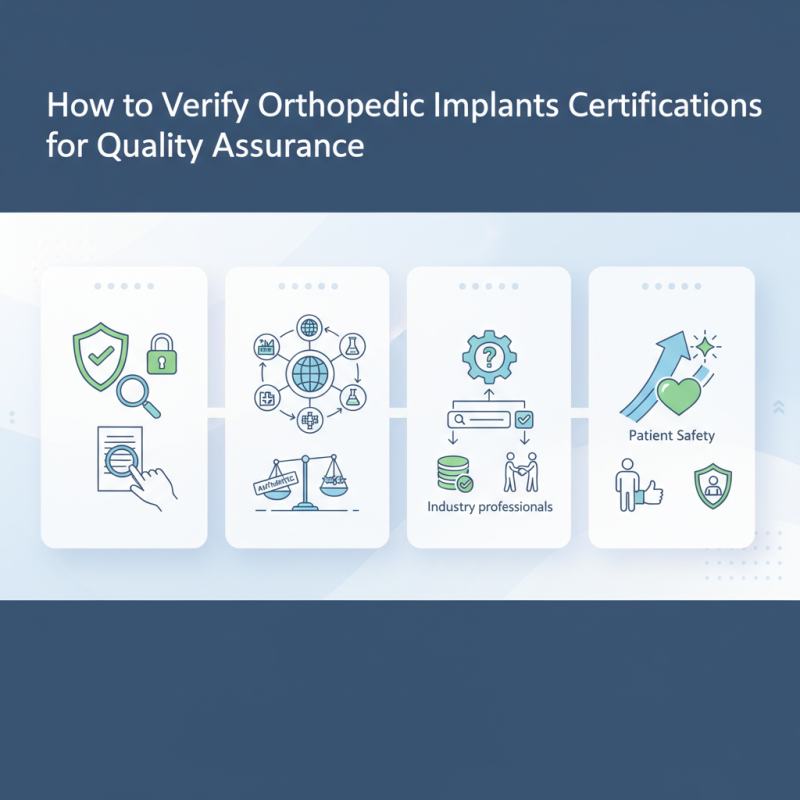
Some products may misrepresent their certifications. Therefore, it is crucial to approach this verification with diligence. Engaging with industry professionals can also provide insights. Reliable information sources are vital in a landscape where misinformation exists. Ultimately, understanding how to verify the authenticity of orthopedic implants certifications empowers stakeholders and enhances patient safety.
Orthopedic implants play a critical role in modern medicine. Their effectiveness can significantly impact a patient's recovery and overall health. Therefore, understanding the importance of certifications is vital for both practitioners and patients. Certification ensures that these implants meet stringent quality standards. Trust in these devices relies on the rigorous evaluation they undergo before reaching the market.
In an era of rapid technological advancement, certification offers peace of mind. It verifies that implants have been tested for safety and efficacy. Healthcare providers can make informed choices when they know the implants have passed comprehensive assessments. However, not all certifications are equal. It's essential to recognize credible organizations conducting these evaluations. Misleading certifications may compromise patient safety.
Patients also benefit from being informed. They should be aware of the potential risks associated with uncertified implants. Engaging with healthcare professionals about implant certifications can foster better understanding. Yet, even certified implants can have flaws or unforeseen complications. Continuous monitoring and reporting are essential to ensure ongoing safety and performance.
| Certification Type | Issuing Authority | Key Requirements | Validity Period |
|---|---|---|---|
| ISO 13485 | International Organization for Standardization | Quality Management System for Medical Devices | 3 years |
| CE Marking | European Conformity | Compliance with EU Safety Standards | Indefinite, subject to periodic review |
| FDA Approval | U.S. Food and Drug Administration | Pre-market Notification, Clinical Trials | Indefinite, post-market surveillance required |
| Health Canada Approval | Health Canada | Compliance with Canadian Medical Device Regulations | Indefinite, subject to regulatory changes |
When assessing the quality of orthopedic implants, understanding the role of regulatory bodies is crucial. Key organizations like the FDA in the United States and the EMA in Europe set stringent guidelines for certifications. These entities ensure that implants meet safety and efficacy standards before they enter the market. According to a report from the International Organization for Standardization (ISO), approximately 70% of orthopedic devices must comply with specific international quality standards.
Certification processes involve rigorous testing and validation. For instance, the FDA’s Pre-Market Approval (PMA) requires clinical data supporting the device's safety. In 2022, it was reported that nearly 57% of orthopedic implants submitted for PMA faced delays due to insufficient clinical evidence. This highlights the need for manufacturers to invest in thorough testing protocols.
Additionally, there are regional differences in regulatory approaches. The ISO 13485 standard ensures that quality management systems are in place, while the regulatory path may differ across jurisdictions. Despite these efforts, issues still arise, causing concerns about the reliability of some implants. Frequent audits by these regulatory bodies can help mitigate risks and enhance trust within the medical community.
Verifying the certifications of orthopedic implants is crucial for ensuring their quality and safety. Start by checking if the manufacturer has certifications from recognized bodies such as the FDA or ISO. These organizations offer rigorous assessments that validate quality management systems. According to a 2021 industry report, over 70% of recalls in orthopedic implants are linked to manufacturing flaws. Understanding these statistics emphasizes the importance of thorough certification verification.
Next, review the documentation provided by manufacturers. Certificates should include details on safety, efficacy, and compliance. Pay attention to testing reports that outline how implants perform in clinical settings. Research indicates that implants meeting ISO 13485 standards significantly reduce complications post-surgery. However, discrepancies in documentation are common, and not all certifications guarantee superior quality. Seek transparency and clarity in all provided information.
In addition to checking certifications, consider the clinical data supporting these implants. Historical performance and user feedback play a critical role in assessing reliability. A 2020 survey revealed that 65% of surgeons prioritize clinical outcomes over branding when choosing implants. This points to the need for comprehensive data, yet many patients remain unaware of the importance of this information, posing potential risks. Understanding these factors can lead to more informed decisions for better patient outcomes.
In the realm of orthopedic implants, certification standards play a pivotal role in ensuring product quality. The International Organization for Standardization (ISO) sets the benchmark with ISO 13485, focusing on quality management systems. This standard is vital for manufacturers seeking to demonstrate their ability to consistently meet regulatory requirements. A report by the World Health Organization indicated that
over 10 million orthopedic surgeries are performed globally each year. Quality assurance in implants is crucial for patient safety.
European Norm (EN) standards, such as EN ISO 14630, also emphasize the importance of verifying the functionality and reliability of orthopedic products. These standards offer essential guidelines for testing implant materials and designs. A study from the Orthopedic Research Society highlighted that adherence to these standards significantly reduces the failure rates of implants by nearly 30%. However, not all manufacturers comply. This inconsistency raises questions about overall industry reliability.
Professional oversight through organizations such as the FDA is essential. They ensure that products undergoing evaluation meet rigorous testing protocols. Yet, the challenge lies in continuous monitoring. Some reports suggest that approximately 20% of implants fail to meet quality standards during post-market surveillance. This discrepancy calls for enhanced vigilance in quality verification processes. Continuous education and standard updates are necessary to keep pace with technological advancements.
When researching orthopedic implant certifications, several reliable resources can aid your efforts. Regulatory bodies often publish standards and guidelines outlining certification requirements. Familiarize yourself with the ISO standards specific to orthopedic implants. The International Organization for Standardization provides a wealth of information on quality assurance in medical devices.
Professional organizations also offer valuable resources. They often feature newsletters, webinars, and conferences focused on implant certifications. Engaging with these communities can enhance your understanding. Look for peer-reviewed journals that present research on implant performance and certification compliance. This can help you identify trends and gaps in current practices.
Furthermore, be cautious about sources that lack credibility. Not all information online is accurate or reliable. Always cross-reference details with established authorities. Sometimes, even reputable sources may have outdated or incomplete data. Assess the date of publication and authorship to ensure you are relying on the best information available. Remember, staying informed about certifications requires continuous effort and critical evaluation of your findings.
: Check if the manufacturer has certifications from recognized bodies, like the FDA or ISO.
Certification ensures quality and safety, reducing risks linked to manufacturing flaws.
Look for details on safety, efficacy, compliance, and testing reports on clinical performance.
Standards like ISO 13485 ensure a manufacturer meets regulatory requirements consistently.
Historical performance and user feedback are critical for assessing reliability.
No, discrepancies in documentation can occur, and not all certifications ensure superior quality.
Regulatory bodies and professional organizations offer guidelines, webinars, and newsletters.
Reports suggest about 20% of implants don't meet quality standards in post-market surveillance.
Continuous monitoring is difficult, and some manufacturers do not comply with standards.
Cross-reference information with established authorities and check publication dates for accuracy.
In the realm of orthopedic healthcare, ensuring the quality and safety of implants is paramount, which underscores the importance of orthopedic implants certifications. To verify the authenticity of orthopedic implants certifications, one must understand the key regulatory bodies involved and their respective standards. These organizations play a crucial role in the assessment and validation of implants, ensuring they meet rigorous quality requirements.
The process of verifying certifications involves several steps, including checking documentation, consulting regulatory databases, and understanding common certification standards that guide quality assurance in orthopedic implants. Resources are available to assist stakeholders in navigating this complex landscape, providing valuable information for informed decision-making. By following these guidelines, healthcare providers and patients can confidently evaluate and trust the orthopedic implants they choose.
