Grai Orthopedic Implants
Grai Orthopedic Implants
Grai Orthopedic Implants
Explore our premium surgical implants, advanced locking systems, and orthopaedic reconstructive solutions trusted by clinical settings worldwide.
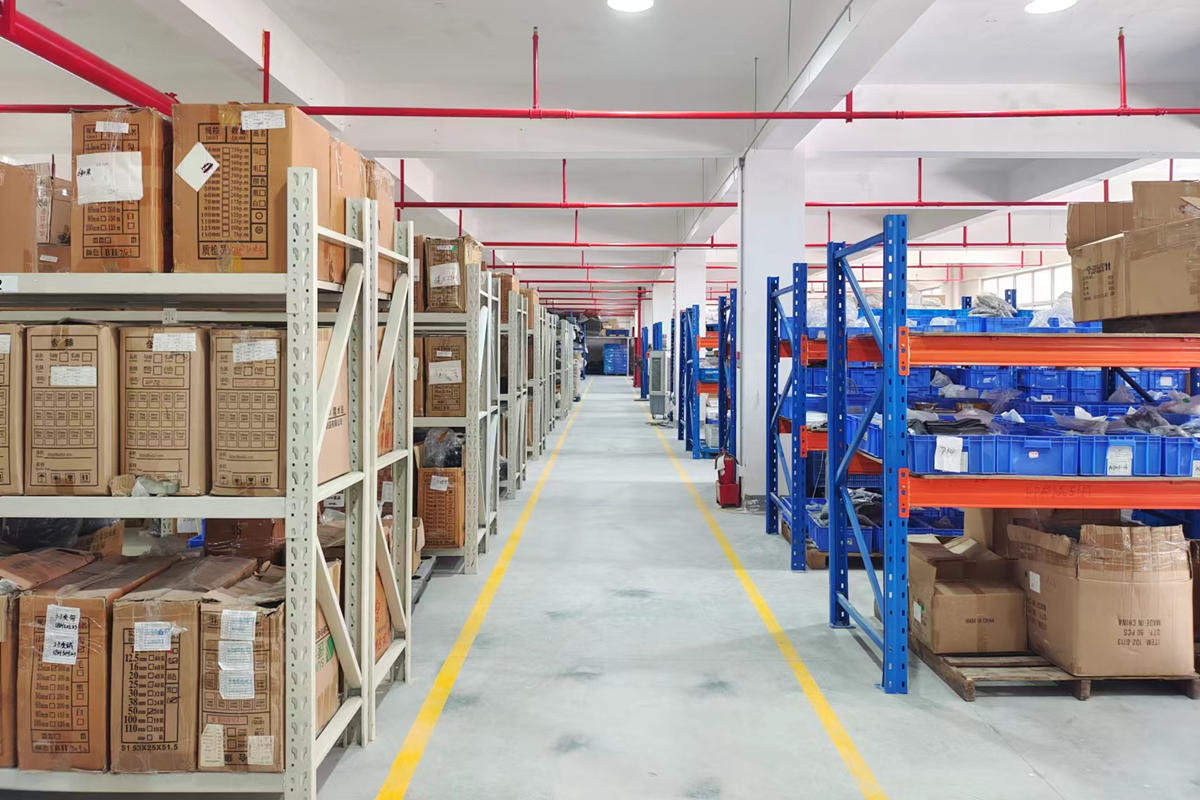
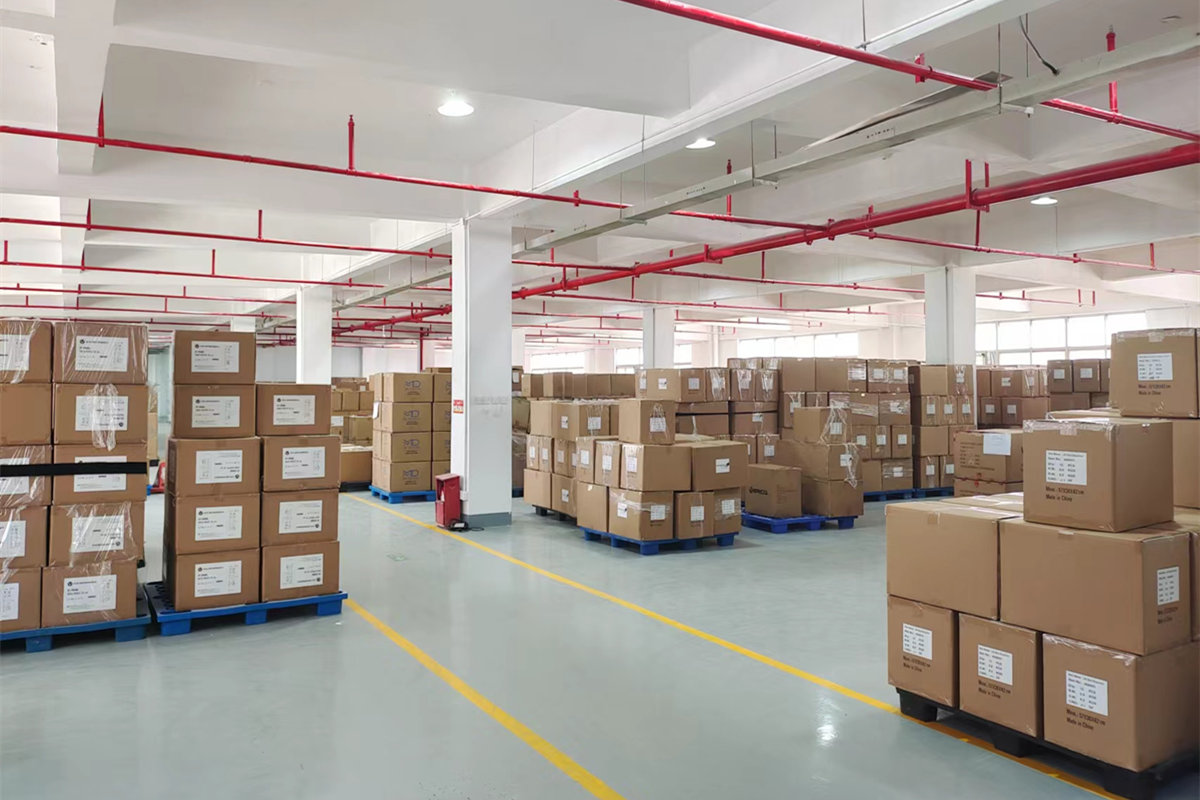
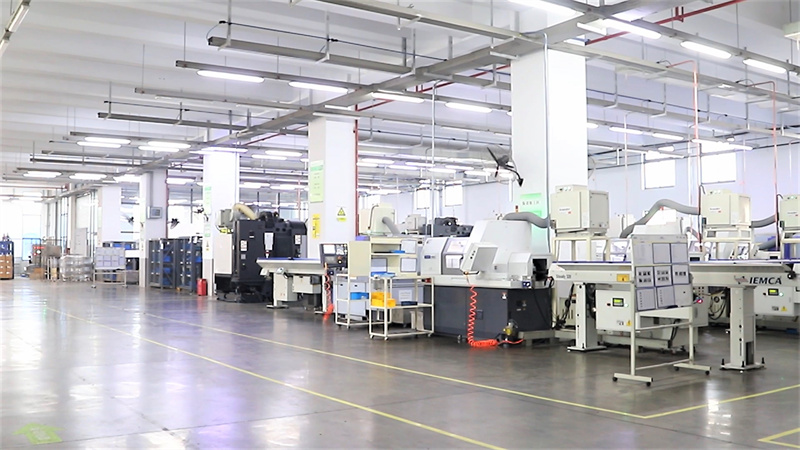
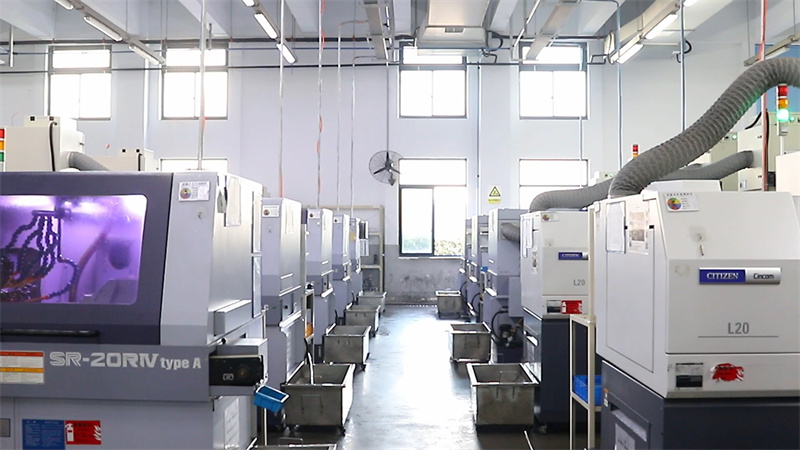
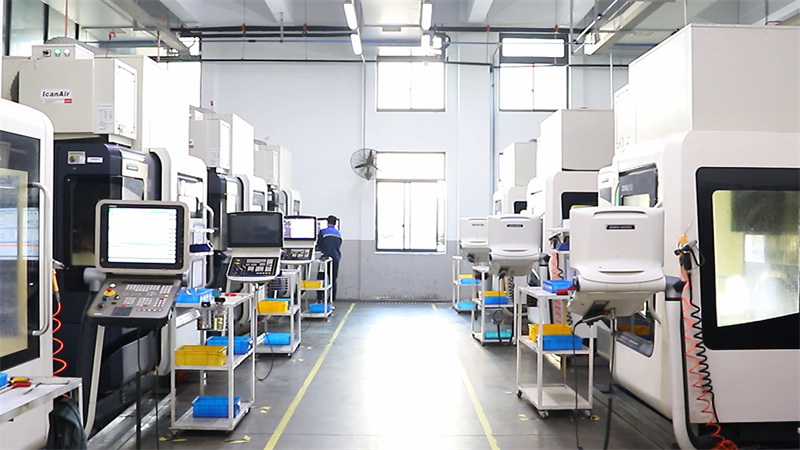
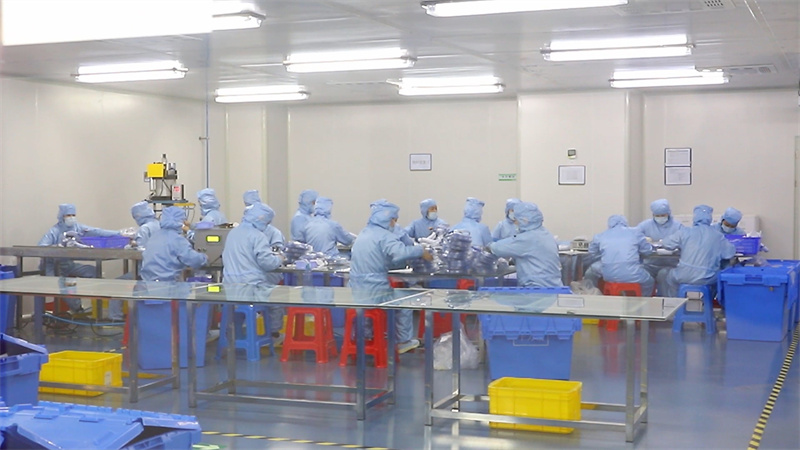
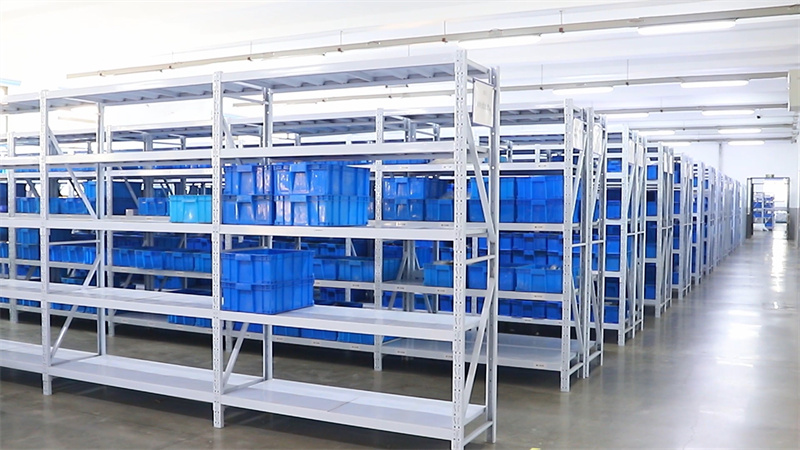
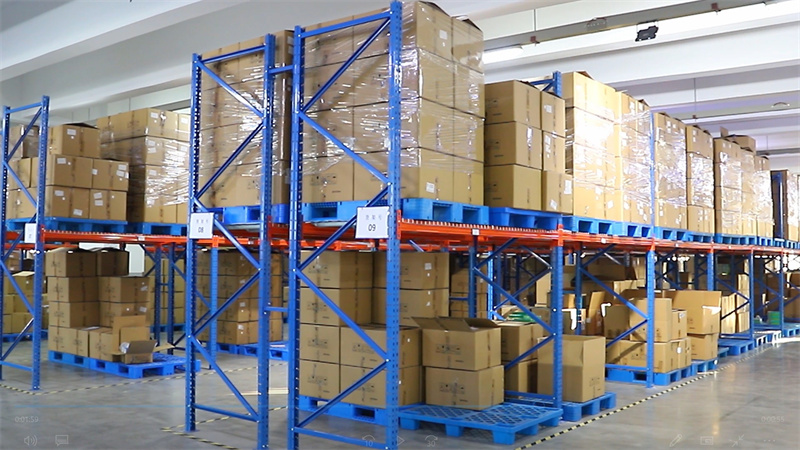
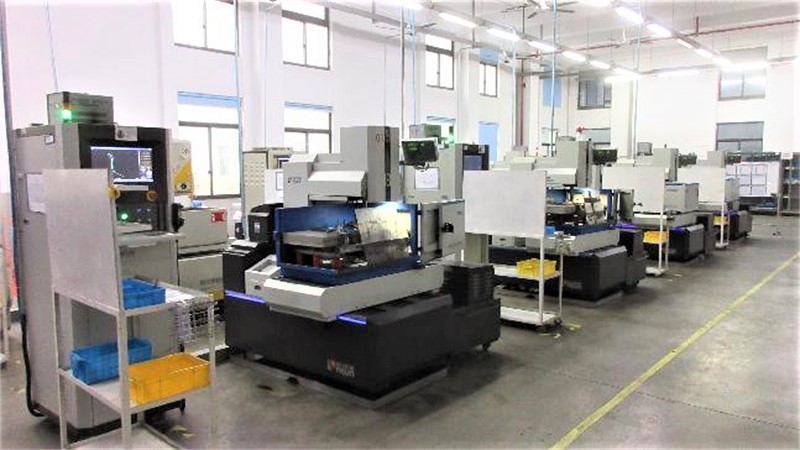
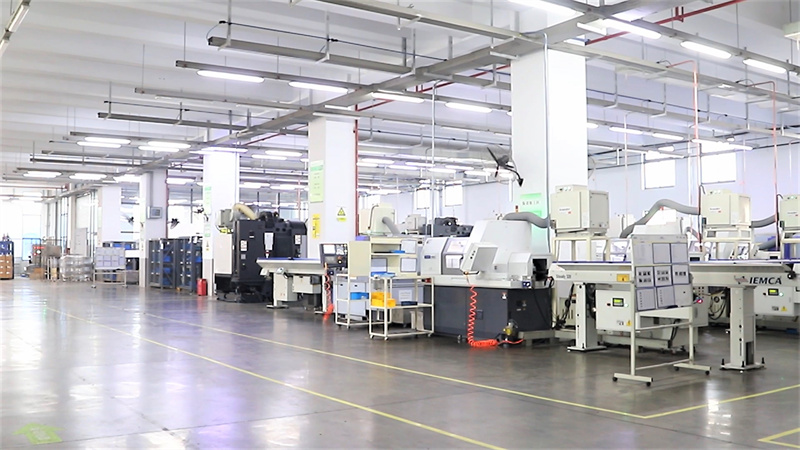
As a prominent medical device manufacturer and global exporter, our operational framework is built on rigorous clinical validation and systemic quality assurance. Our manufacturing facility spans an expansive 15,000 square meters, specifically optimized for high-precision orthopedic implant fabrication and sterile clinical instrument production.
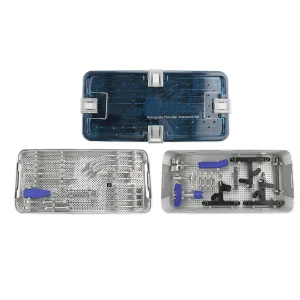
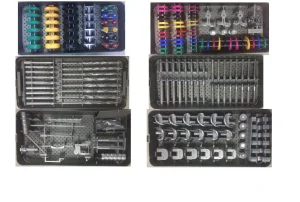
We believe that patient outcomes are directly linked to the mechanical and biological reliability of surgical implants. Because complex orthopedic interventions occur under strict anesthesia, reducing operative time through streamlined surgical instrumentation sets is critical to preventing patient complications. This clinical reality drives our commitment to engineering excellence.
Insights into how macro medical technological developments and shifts in clinical practice shape procurement priorities for global health systems.
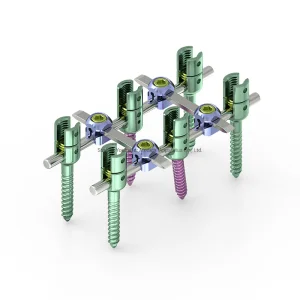
Clinical workflows are shifting toward minimally invasive surgical techniques (MIS) that significantly reduce tissue trauma, bleeding, and recovery times. These surgeries require highly specialized instruments, such as cannulated pedicle screws and precision locking systems, which decrease overall surgery times and subsequent exposure to general anesthesia.
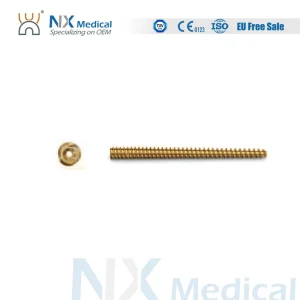
Advanced medical alloys, specifically titanium Grade 5 and titanium-aluminum formulations, are vital for modern implants. These materials minimize immunological rejection, optimize osseointegration, and provide the mechanical fatigue resistance needed to support heavy skeletal loads under immediate post-operative mobilization.
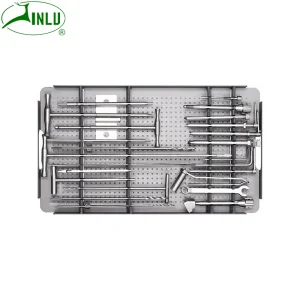
Surgical success depends on systemic sterilization protocols, ergonomic instrumentation layouts, and quick-locking mechanisms. Reliable equipment, such as drip stands and surgical tools, must integrate seamlessly to prevent clinical interruptions and reduce the risk of operating-room-acquired infections (HAI).
Procuring surgical devices for hospitals, clinics, and national health authorities requires high standards of quality, security, and financial viability. Distributors and GPOs (Group Purchasing Organizations) face complex challenges in supply chain risk, localized compliance, and volume forecasting. We address these requirements through clear manufacturing agreements, comprehensive quality documentation, and flexible logistics strategies.
We provide long-term support through comprehensive product warranties and dedicated distributor programs, building lasting relationships with healthcare partners globally.
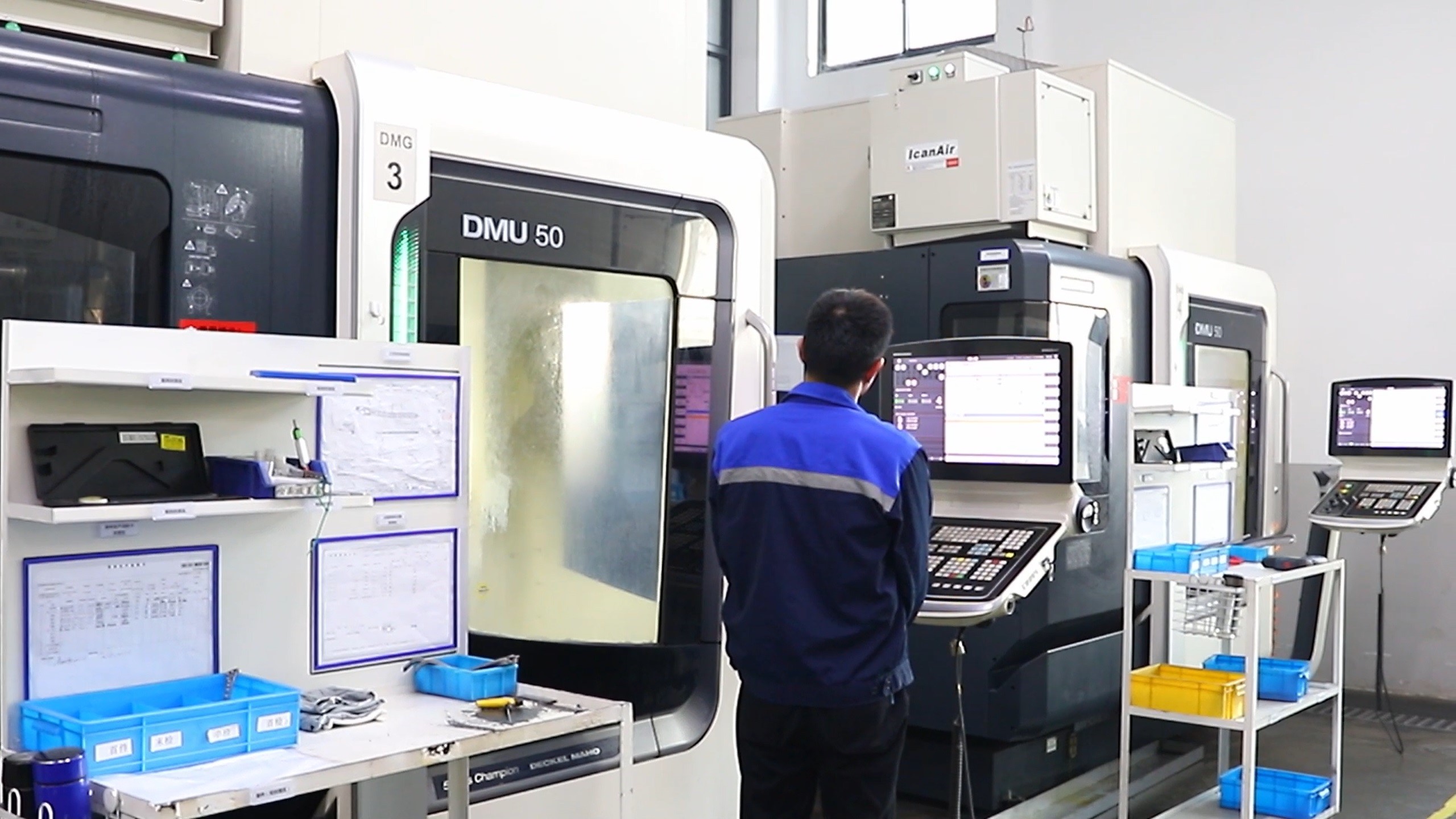
Take a closer look at our high-precision production environment, where raw medical metals are transformed into implants with tight dimensional tolerances.
Connecting the surgical workspace with high-performance instrumentation to optimize patient outcomes and clinical workflows.
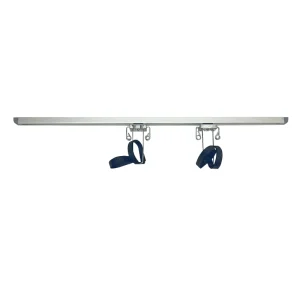
Modern operating rooms require equipment that works together seamlessly. Combining ergonomic implant systems with adjustable clinical supports, like ceiling-mounted hooks and mobile drip stands, helps reduce clutter and ensures surgical teams can work efficiently during critical procedures.
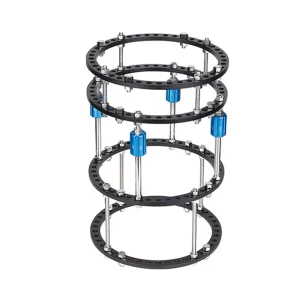
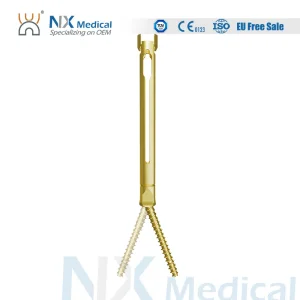
Trauma surgeries demand fast stabilization solutions. Our range of internal fixators, retrograde tibial systems, and proximal intramedullary nails are designed for quick and precise alignment, helping surgeons complete procedures faster to improve overall clinical safety.
We are continuously evolving our manufacturing processes, integrating smart material treatments and micro-machined surface structures. Our engineering roadmaps focus on improving implant durability and developing bio-compatible systems that align with modern clinical practices.
Get authoritative answers to technical, regulatory, and supply chain questions from our clinical engineering team.
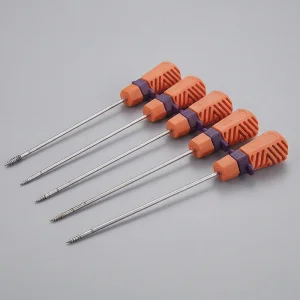
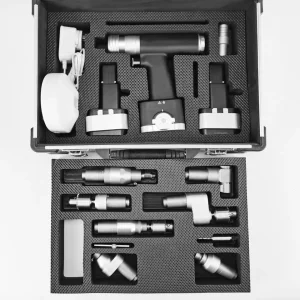
Explore our secondary line of specialized trauma nails, high-torque power tools, and clinic-supporting accessories for modern operating rooms.