Grai Orthopedic Implants
Grai Orthopedic Implants
Grai Orthopedic Implants
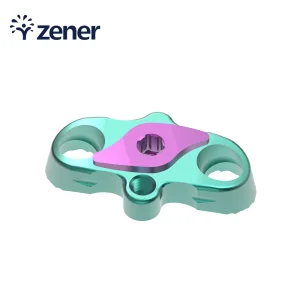
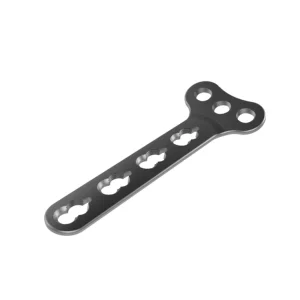
Anterior Cervical Discectomy and Fusion (ACDF) has long been the "gold standard" for treating cervical disc herniation and degenerative disc disease. As a critical component of this procedure, the Anterior Cervical Plating System has evolved from simple rigid stabilization tools into sophisticated, biomechanically optimized implants. In the global orthopedic market, China has emerged not just as a high-volume manufacturing hub but as a center for technological innovation, blending cost-efficiency with stringent regulatory compliance such as ISO13485, CE (MDR), and FDA standards.
This white paper explores the technical landscape of cervical plating, the shift towards patient-specific solutions, and the macro-industrial trends that are positioning Chinese manufacturers at the forefront of the global orthopedic implant supply chain.
Transitioning from pure titanium to advanced Grade 5 Titanium alloys and Titanium-coated PEEK. Our systems prioritize biocompatibility and osseointegration, reducing the risk of implant rejection or subsidence.
Utilizing state-of-the-art wire-electrode cutting and precision CNC carving. Our facility includes dedicated lines for Precision Machining and Wire-electrode Cutting to ensure tolerance levels within microns.
Every product undergoes raw material traceability identification and comprehensive semi-product/finished product inspection. Certified with ISO13485, BSCI, and MDR.
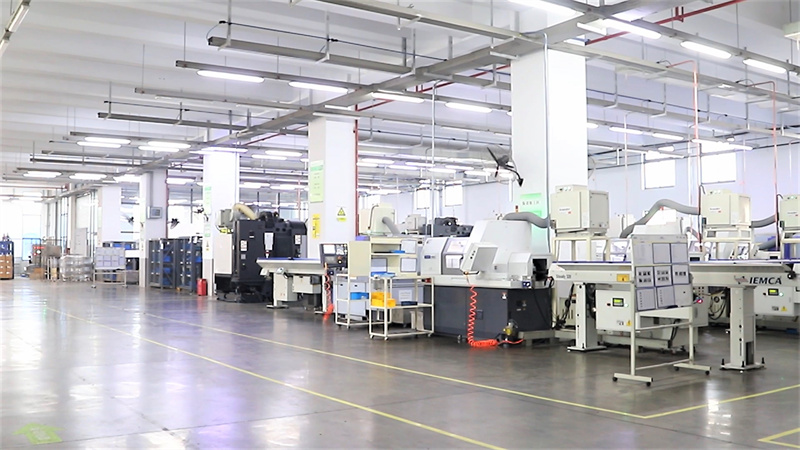
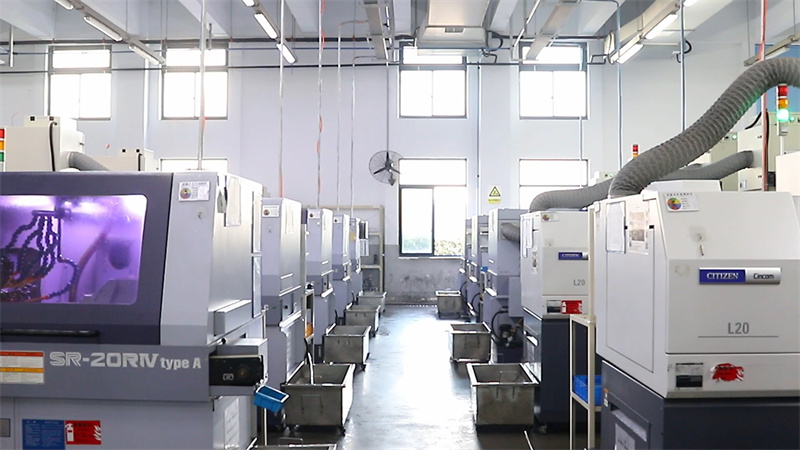
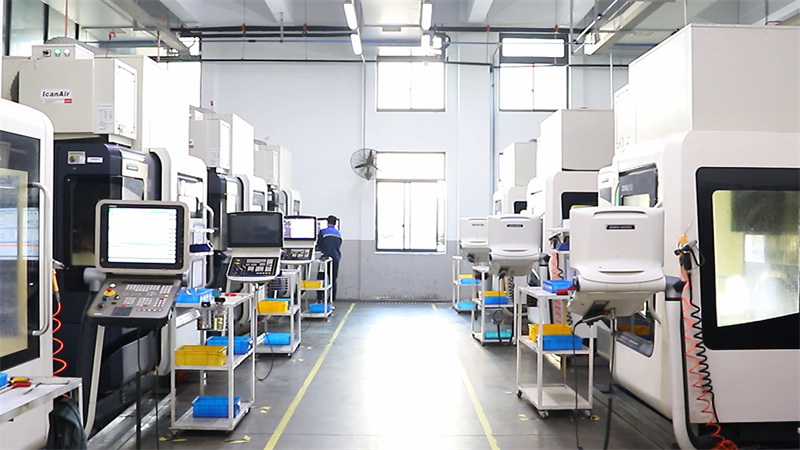
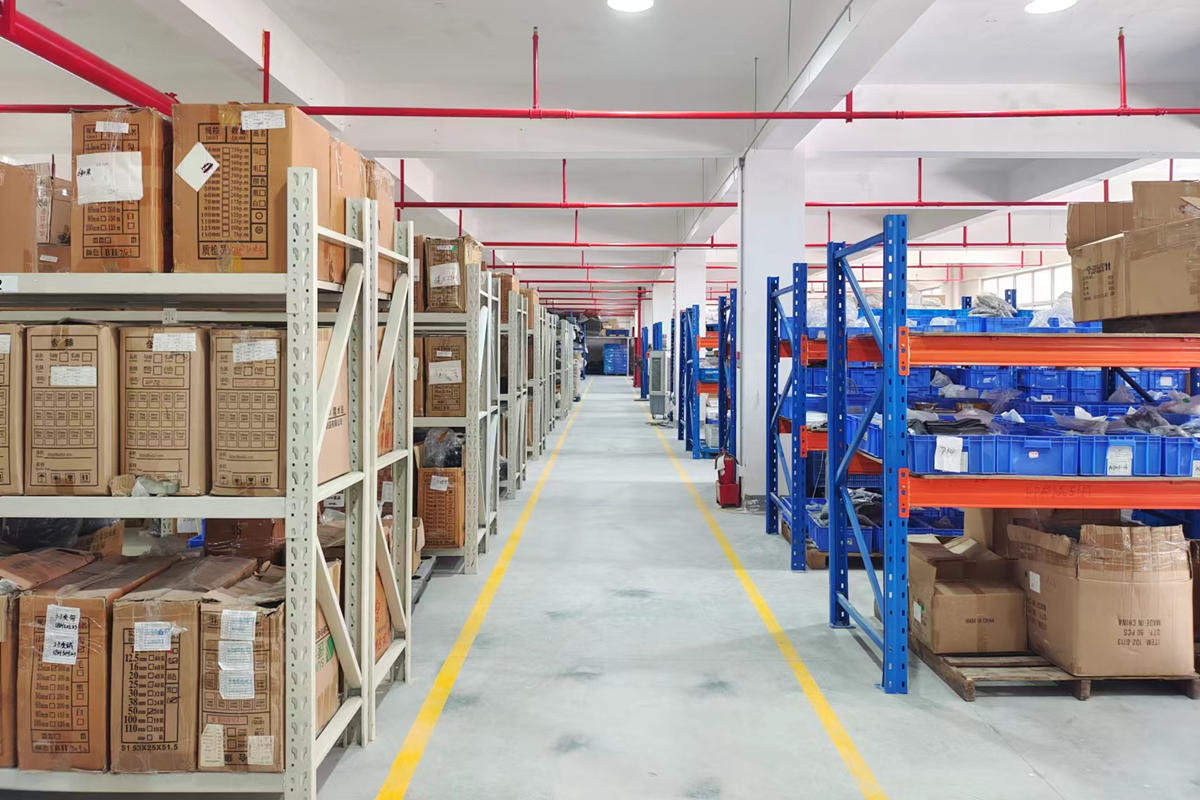
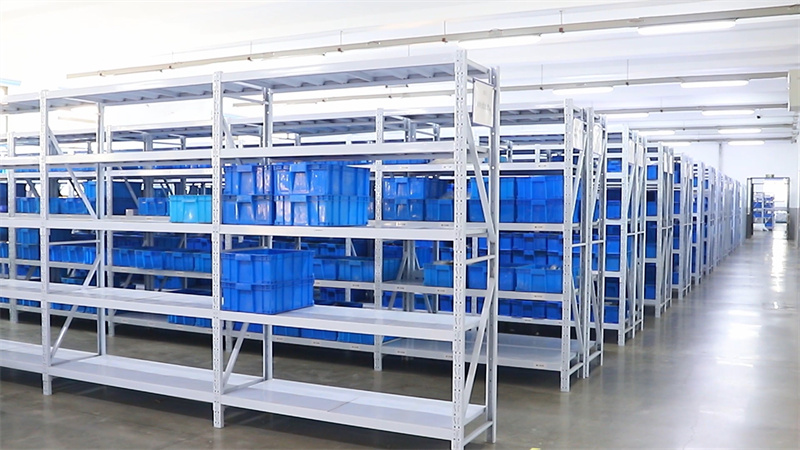
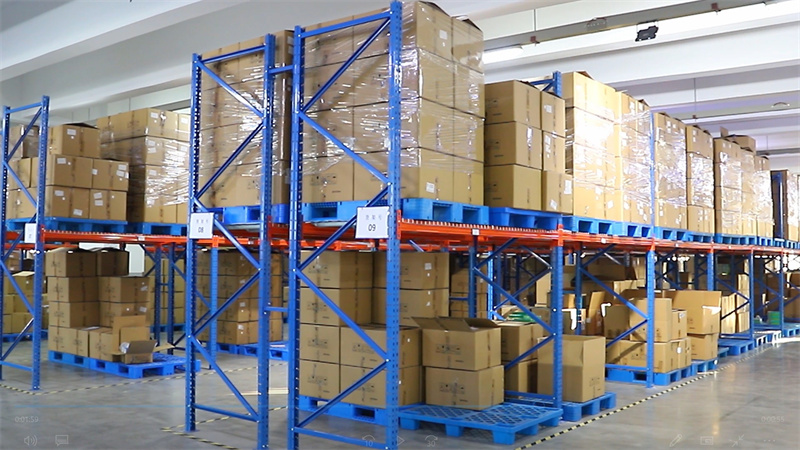
Our factory covers an area of 15,000 m² and is fully certified with ISO13485 and BSCI. With a dedicated workforce of 500 employees, including 8 senior engineers and 10 QC specialists, we ensure that every Anterior Cervical Plate meets global clinical standards.
Key Highlights:
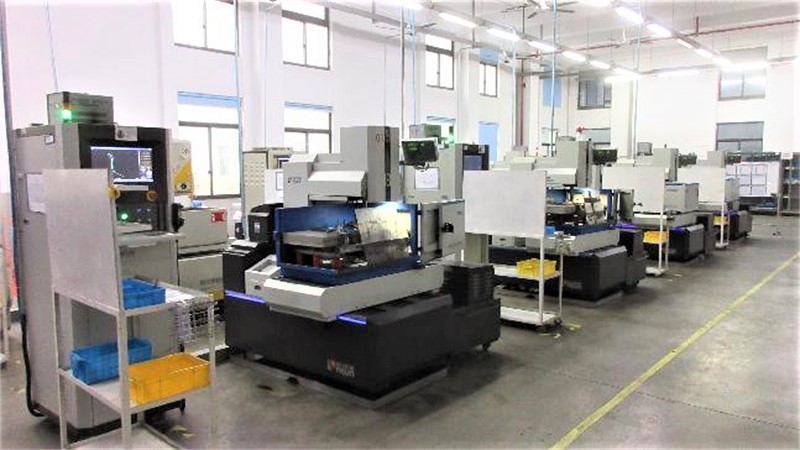
Wire-electrode Cutting
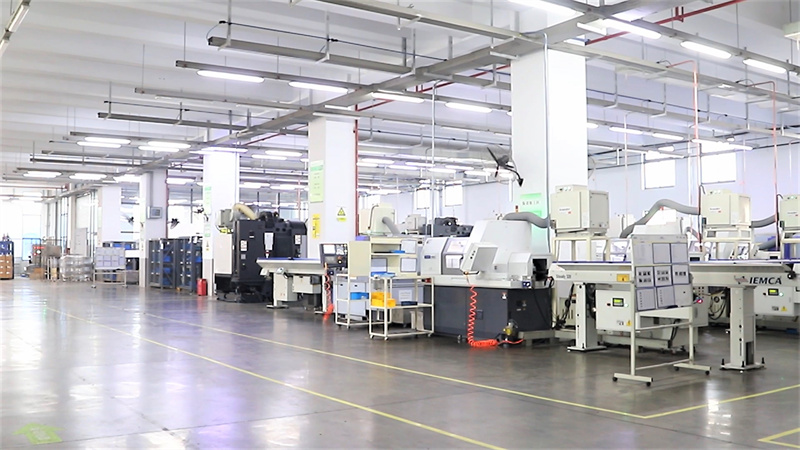
Advanced Machining
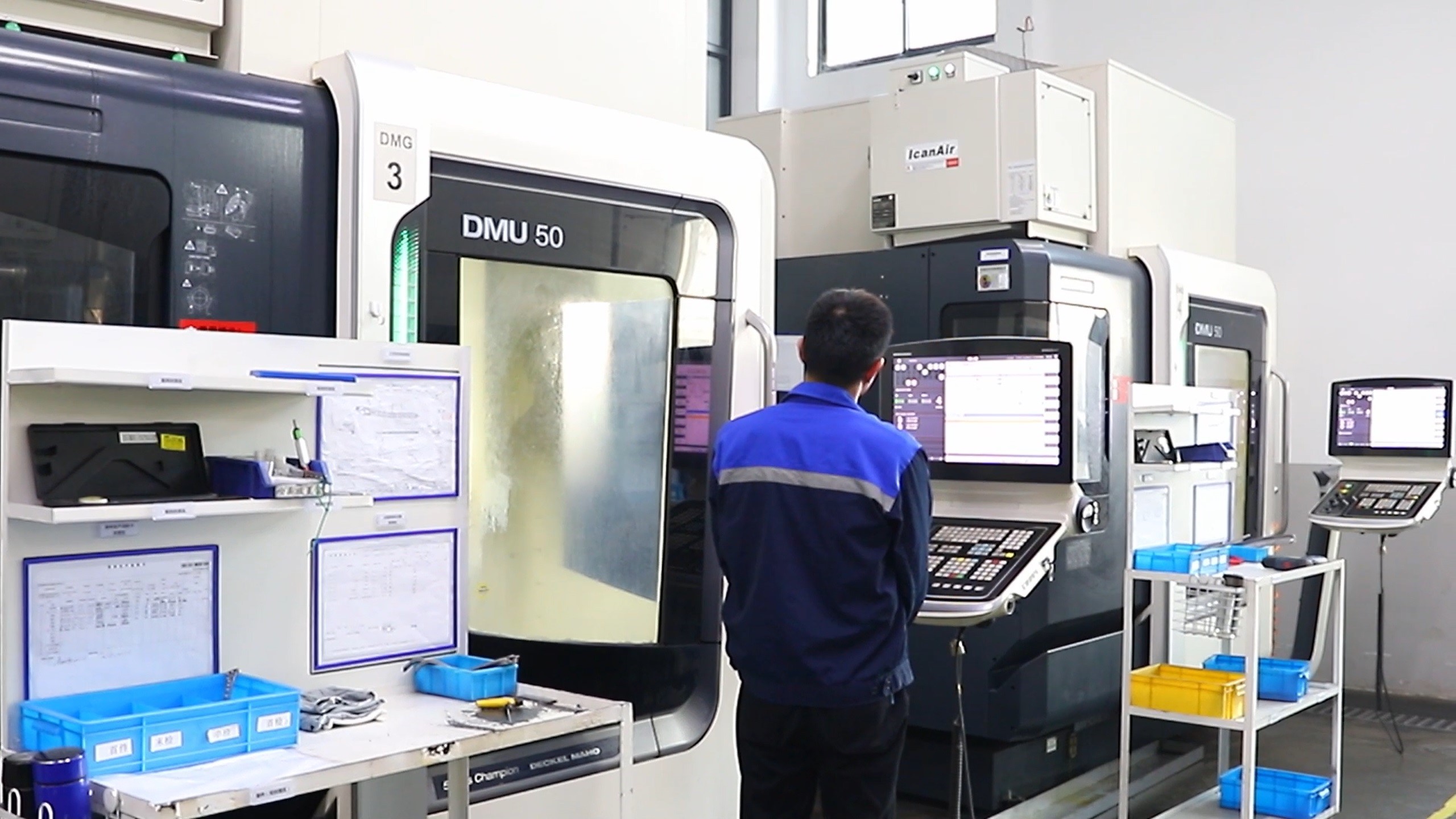
Precision Machining
The global orthopedic market is witnessing a shift towards Low-Profile Designs and Dynamic Plating. Surgeons are increasingly seeking systems that provide immediate stability while allowing for micro-motion to stimulate bone growth—a concept known as load-sharing.
Plating systems are now designed with smaller footprints to facilitate MIS approaches, reducing patient recovery time and post-operative pain.
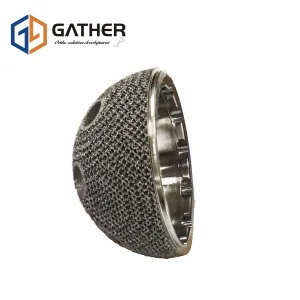
Integrating 3D printing technology into the manufacturing of cervical cages and plates to mimic trabecular bone structure.
Emerging research into sensors within the plate to monitor fusion progress in real-time—the next frontier for cervical spine technology.