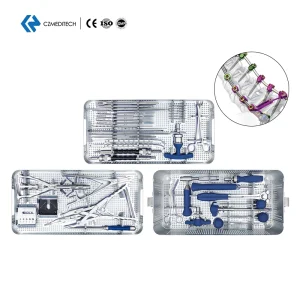
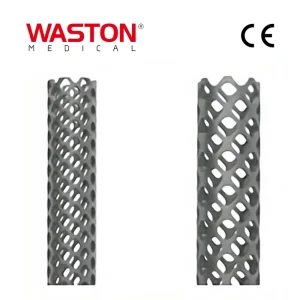
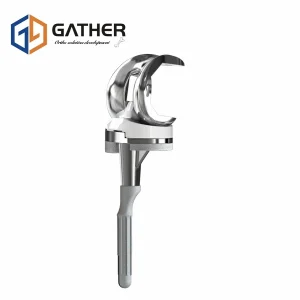
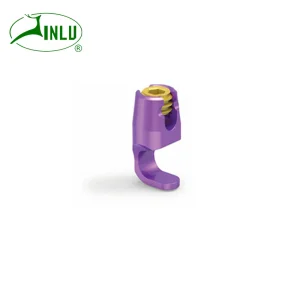
Grai Orthopedic Implants
Grai Orthopedic Implants
Grai Orthopedic Implants
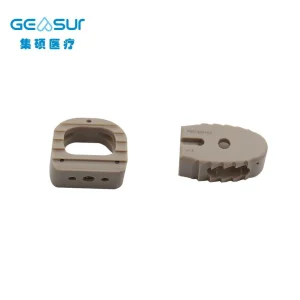
Explore our leading biomedical systems, ranging from advanced biopolymer configurations to high-strength titanium fixations.
A comprehensive white paper detailing materials technology, global procurement paradigms, and Chinese manufacturing advantages.
In modern reconstructive surgery and orthopedic intervention, the transition from permanent metal hardware to bioresorbable polymer systems represents a critical technological paradigm shift. Traditional metallic implants (such as titanium or cobalt-chromium alloys) often necessitate secondary surgical retrieval operations, carry risks of stress shielding, and pose long-term foreign-body reaction concerns. Bioresorbable implants, constructed from FDA-approved linear aliphatic polyesters—such as Poly-L-lactic acid (PLLA), Poly-L-co-DL-lactic acid (PLDLA), and Poly(lactic-co-glycolic acid) (PLGA)—provide stable mechanical fixation during the bone-healing phase and systematically undergo hydrolytic degradation into non-toxic metabolites (lactic and glycolic acids) that are excreted by the body.
For global medical device brands, sourcing high-grade bioresorbable devices requires partners capable of maintaining precise molecular weight control, absolute sterile integrity, and meticulous compliance with international regulatory bodies. As China’s bio-manufacturing capabilities mature under heavy capital injection and strict compliance standards, leading factories are shifting from low-complexity contract manufacturing to high-end co-development hubs for orthopedic trauma, cranio-maxillofacial (CMF) reconstruction, and sports medicine applications.
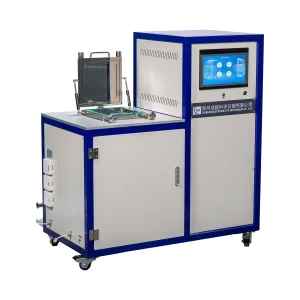
Equipped with gel permeation chromatography (GPC) and differential scanning calorimetry (DSC) for molecular weight and crystallinity profiling.
Absolute tracking of raw medical-grade polymer granules from synthesis through injection molding, extrusion, packaging, and sterilization.
Fast-track prototyping with minor customization, allowing precise adjustments in degradation curves, plate profiles, and screw threading.
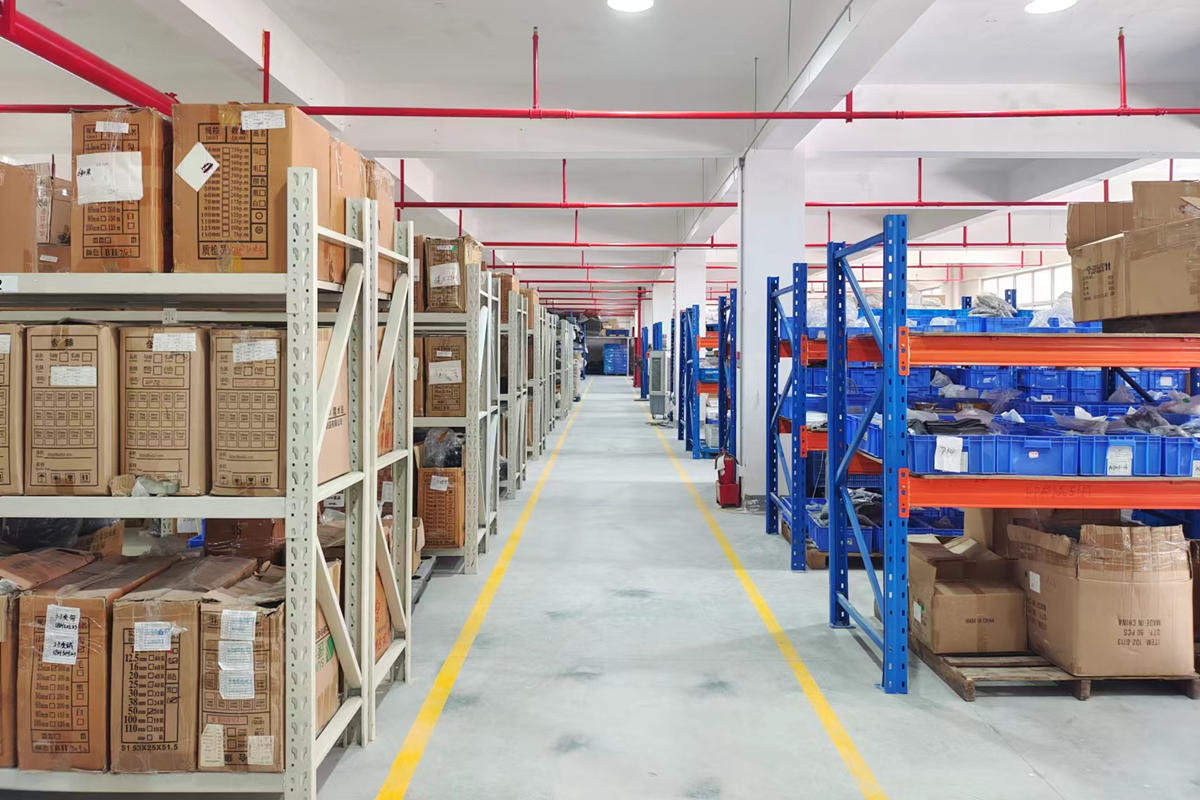
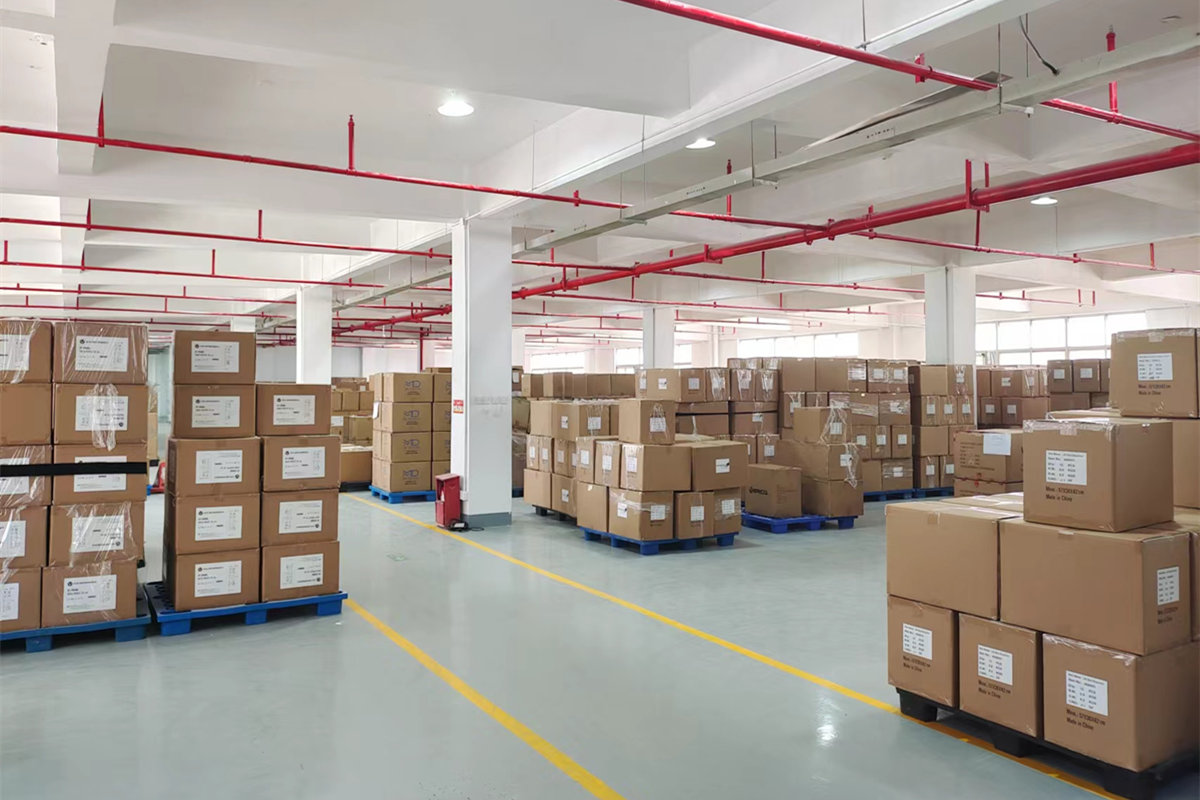
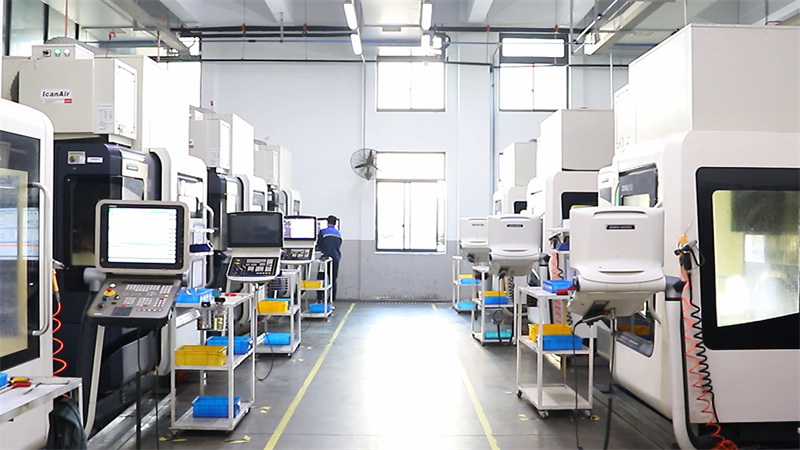
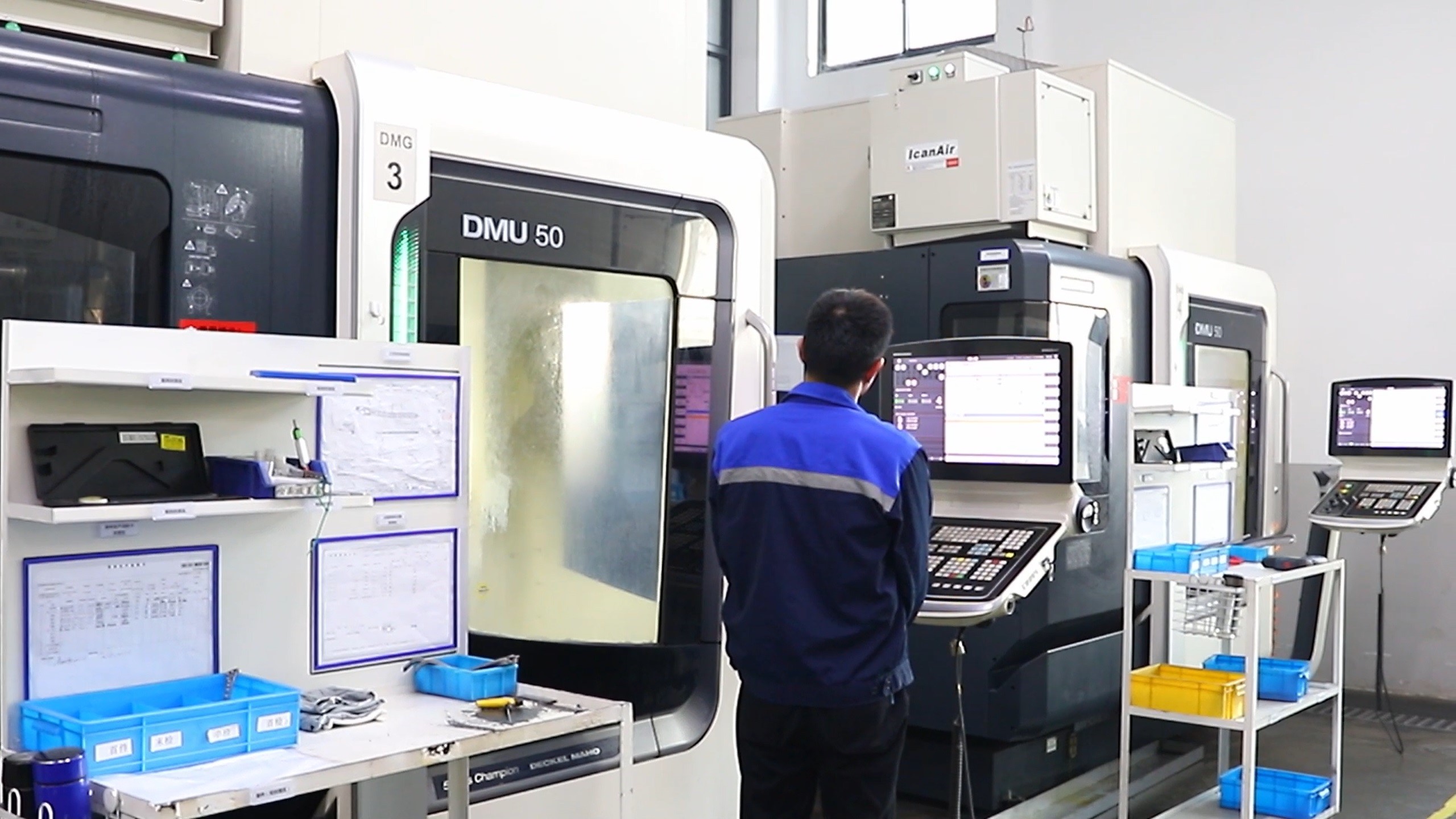
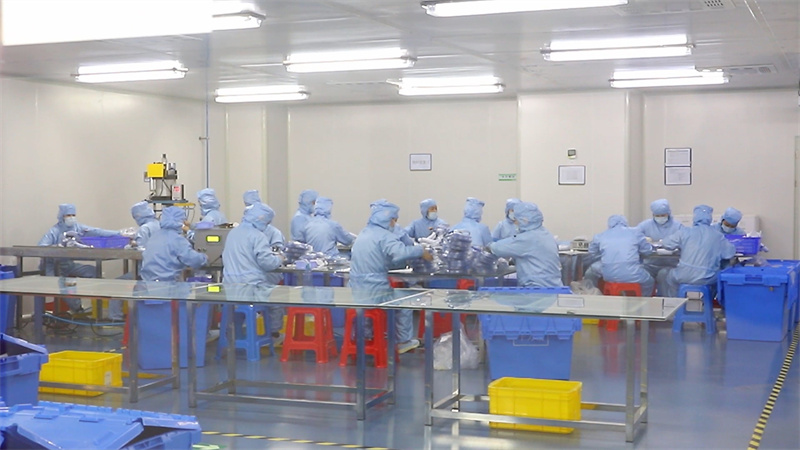
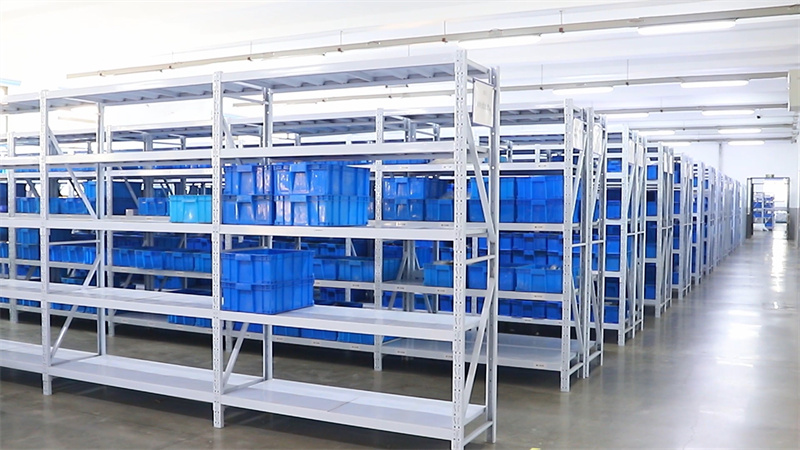
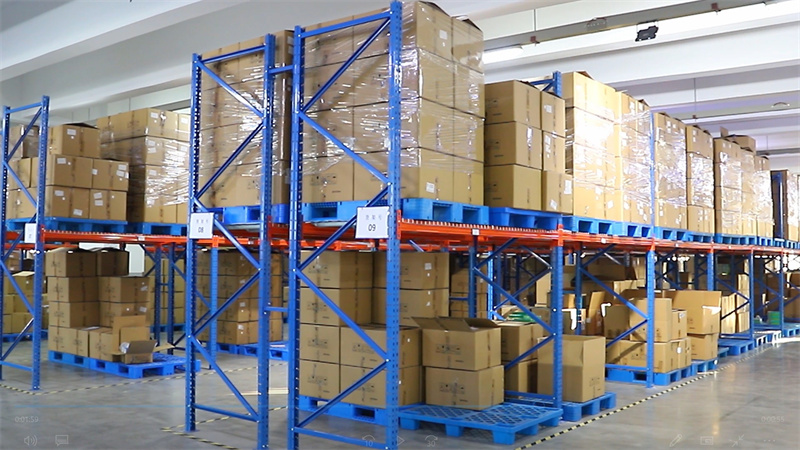
A closer look inside our 15,000 m² cleanroom operations, advanced machining centers, and comprehensive physical-chemical laboratories.
Our main manufacturing complex covers an expansive area of 15,000 m², built in strict alignment with Class 10,000 (ISO Class 7) cleanroom requirements to prevent particulate contamination. The factory is certified under international standards including ISO13485 and BSCI, providing a secure framework for ethical sourcing and compliance.
With an agile staff of 500 employees, including 8 senior engineers and 10 dedicated quality control (QC) specialists, we maintain close oversight of in-line processes. Every raw material consignment undergoes strict identity and purity verification, followed by rigorous semi-product and finished-product inspections before sterile packaging.
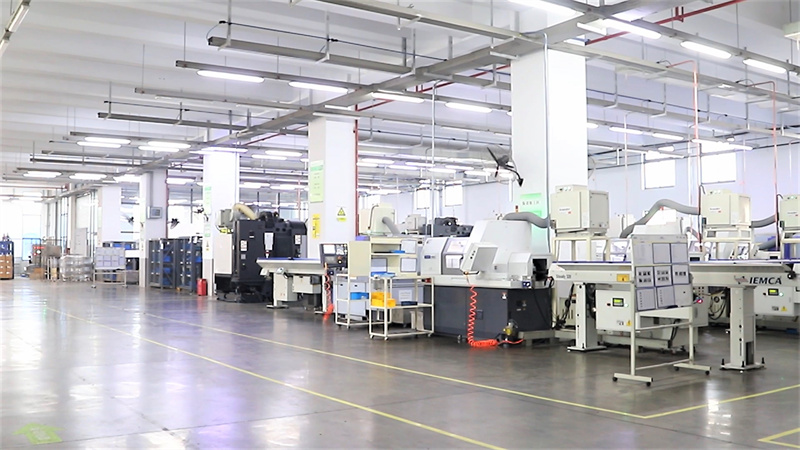
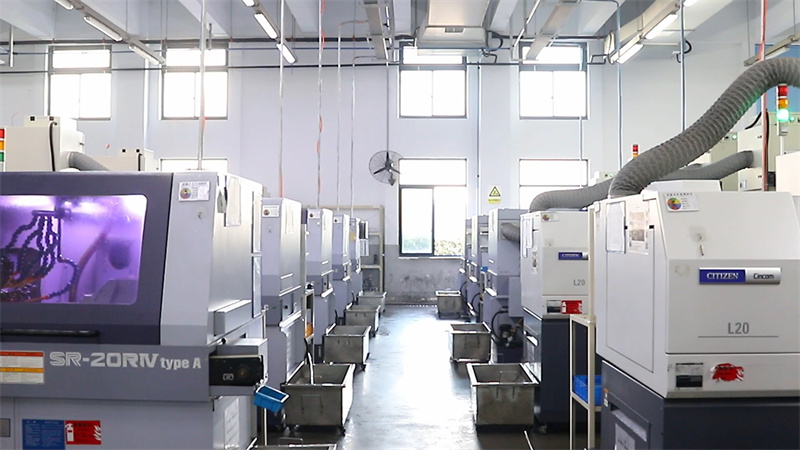
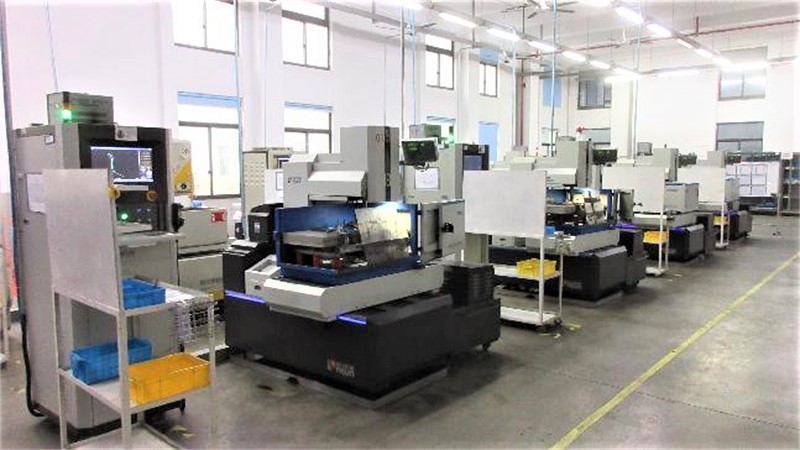
Developing orthopedic instrumentation and bioresorbable geometries demands micron-level tolerances. Our machining processes incorporate CNC carving, EDM wire cutting, and custom molding techniques to deliver accurate finishes.
Cleanroom & Factory Area
Skilled Technicians & Engineers
Active Product Models
New R&D Products Monthly
The regulatory landscape for medical devices is shifting toward strict clinical verification. Under the European Medical Device Regulation (MDR 2017/745), bioresorbable implants are classified as Class III high-risk devices due to their systemic absorption characteristics. Our products are fully certified with CE, MDR, and FDA, ensuring that your procurement pipeline faces minimal clearance delays in European and American markets.
The integration of bioactive materials is a growing trend. Manufacturers are incorporating nano-hydroxyapatite (nHA) or tricalcium phosphate (β-TCP) fillers into the polymer matrix. This compound acts as an osteoconductive scaffold that encourages bone cells to deposit natural tissue as the polymer matrix degrades. This helps prevent structural voids and improves patient recovery.
Additionally, the development of drug-eluting bioresorbable fixation devices—releasing anti-inflammatories or antibiotic agents locally—is changing post-operative therapy. We are investing in R&D to bring these technologies to market, keeping our partners competitive.
When purchasing high-end orthopedic hardware, product quality is paramount. A key metric during audits is molecular weight retention. Improper processing can degrade the polymer chain prematurely, leading to early loss of mechanical strength.
We manage this by using automated, moisture-controlled injection molding systems that keep polymer hydration under 0.02%. This ensures that implant mechanical integrity matches bone regeneration rates. Additionally, we offer a free replacement within one year and provide dedicated local agent policy assistance to minimize supply chain risk.
We offer customized designs and packaging to meet specific clinical and market needs. With over 300 active models and 10 new configurations launched monthly by our R&D team, our catalog supports a wide range of reconstructive procedures. We also support minor customization, such as tailoring degradation curves and adapting plate geometries, backed by complete documentation.
Get technical answers about raw materials, regulatory compliance, quality control, and clinical applications.
Pure PLLA implants degrade via hydrolytic pathway, slowly losing mechanical strength over 12 to 18 months, with full resorption taking up to 3 years. By incorporating Glycolic Acid (creating PLGA), we can accelerate the degradation rate. For example, PLGA (85/15) is designed to resorb within 9 to 12 months, which is ideal for faster-healing bones. We customize these copolymer ratios to match target clinical recovery timelines.
Bioresorbable polymers are highly sensitive to thermal degradation and moisture-induced hydrolysis. We store raw materials in desiccated environments, utilize dry-air conveying systems, and run customized hot-runner mold plates at exact temperatures. We also verify the retention of molecular weight using Gel Permeation Chromatography (GPC) testing for each production batch.
We provide a complete technical file containing biocompatibility datasets (ISO 10993), sterilization validation protocols (Ethylene Oxide or Gamma irradiation under ISO 11135/ISO 11137), mechanical fatigue testing data, degradation curves, and cleanroom monitoring logs. Our team also supports your regulatory submissions.
We operate a full batch traceability system. From the moment the medical-grade resin arrives, it is assigned a unique tracking code. This code traces the material through processing parameters, quality inspections, packaging, and shipping, ensuring full traceability from the raw material to the final implant.
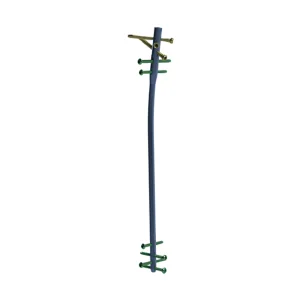
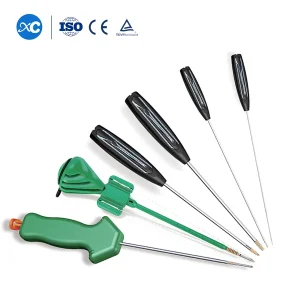
Explore our wider catalog of high-strength screws, anatomical plates, and specialized orthopedic instrumentation.