Grai Orthopedic Implants
Grai Orthopedic Implants
Grai Orthopedic Implants
Explore our premium surgical implants engineered to work seamlessly alongside modern osteoinductive and osteoconductive bone graft matrices.
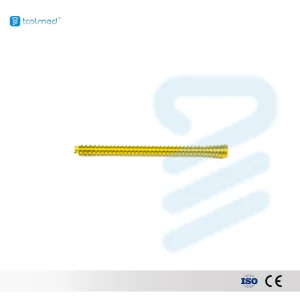
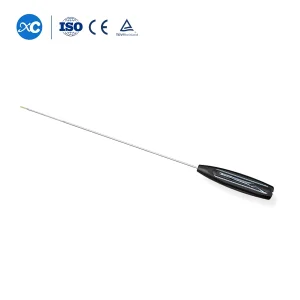
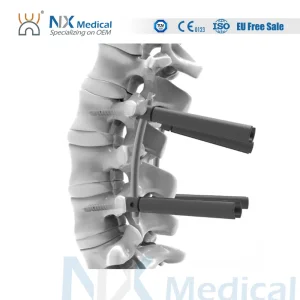
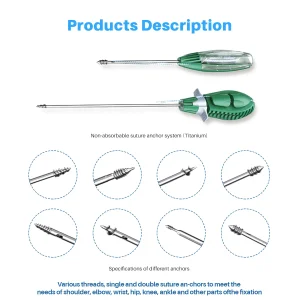
The global bone grafts and substitutes market is experiencing exponential growth, driven by an aging global population, the rise in orthopedic trauma cases, and complex spinal fusion procedures. Surgeons require biomaterials that exhibit high osteoconduction, osteoinduction, and osteogenesis. Bone grafting, traditionally reliant on autologous bone harvesting, has evolved toward synthetic materials, allografts, and composite matrices. In modern surgeries, bone graft materials are rarely used in isolation; they are loaded into cages (such as PLIF PEEK cages) or held in place by pedicle screws and variable angle locking plates to ensure stability while bone remodeling takes place.
Global medical device brands face severe supply chain challenges: high regulatory barriers (such as the transitioning of EU MDR), skyrocketing production costs in Western markets, and long manufacturing lead times. Resolving these bottlenecks requires strategic partnerships with specialized OEM bone graft and orthopedic implant manufacturers who understand material science, maintain strict clinical-grade cleanroom environments, and offer cost-efficiency without compromising biocompatibility standards.
Information Gain: To achieve clinical success, bone grafts must work in tandem with rigid internal fixation. The mechanical micro-environment created by titanium locking screws or PEEK cages determines whether a graft undergoes vascularization and healthy bone remodeling or fibrous union failure.
As a leading orthopedic implant and bone graft components OEM manufacturer, our production floor combines high-precision tooling with biomedical compliance protocols. Our facility covers a sprawling 15,000 m², fully certified under ISO13485, and BSCI. Our product ranges carry certifications for CE, MDR, and FDA, enabling seamless export to Europe, North America, and beyond.
Quality assurance is embedded in every step. From the moment titanium bars (ASTM F136) or PEEK polymers (ASTM F2026) arrive at our gates, they undergo raw material chemical composition analysis and physical traceability mapping. Semi-finished and finished products pass through 3D coordinate coordinate measurements, optical comparators, and biocompatibility evaluations in our advanced testing laboratory.
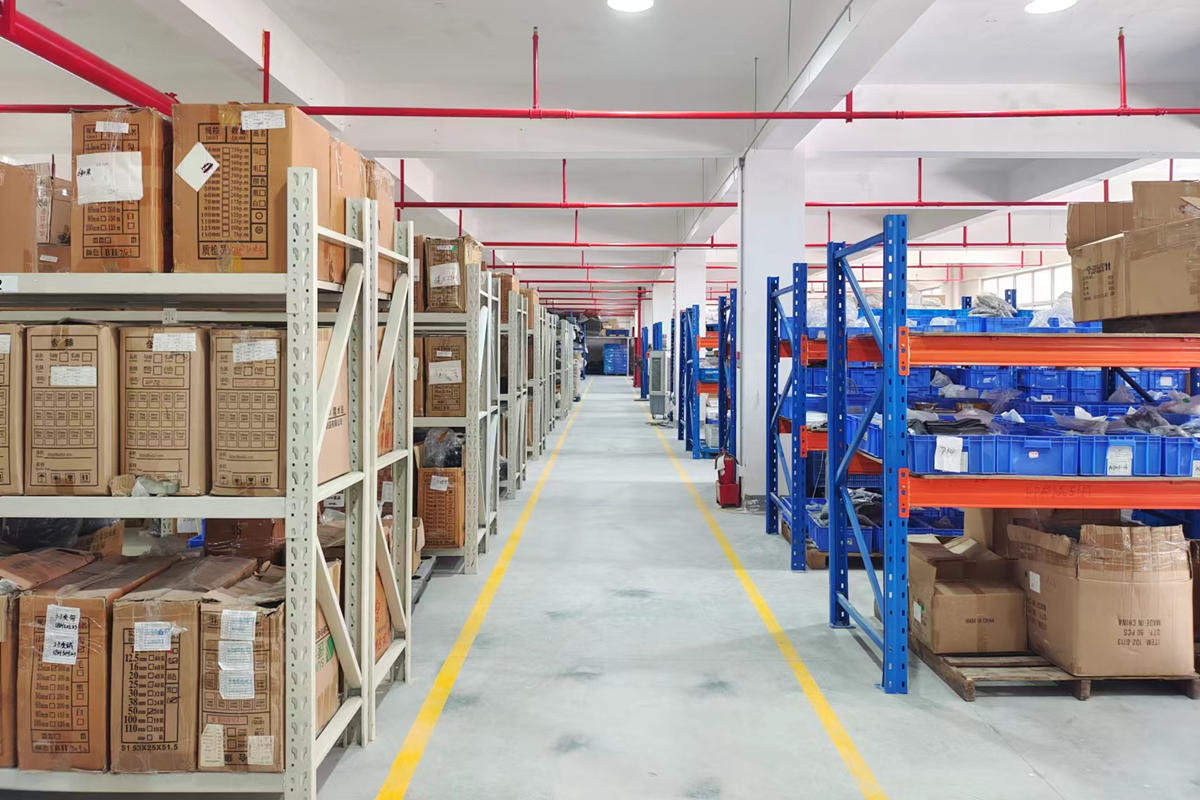
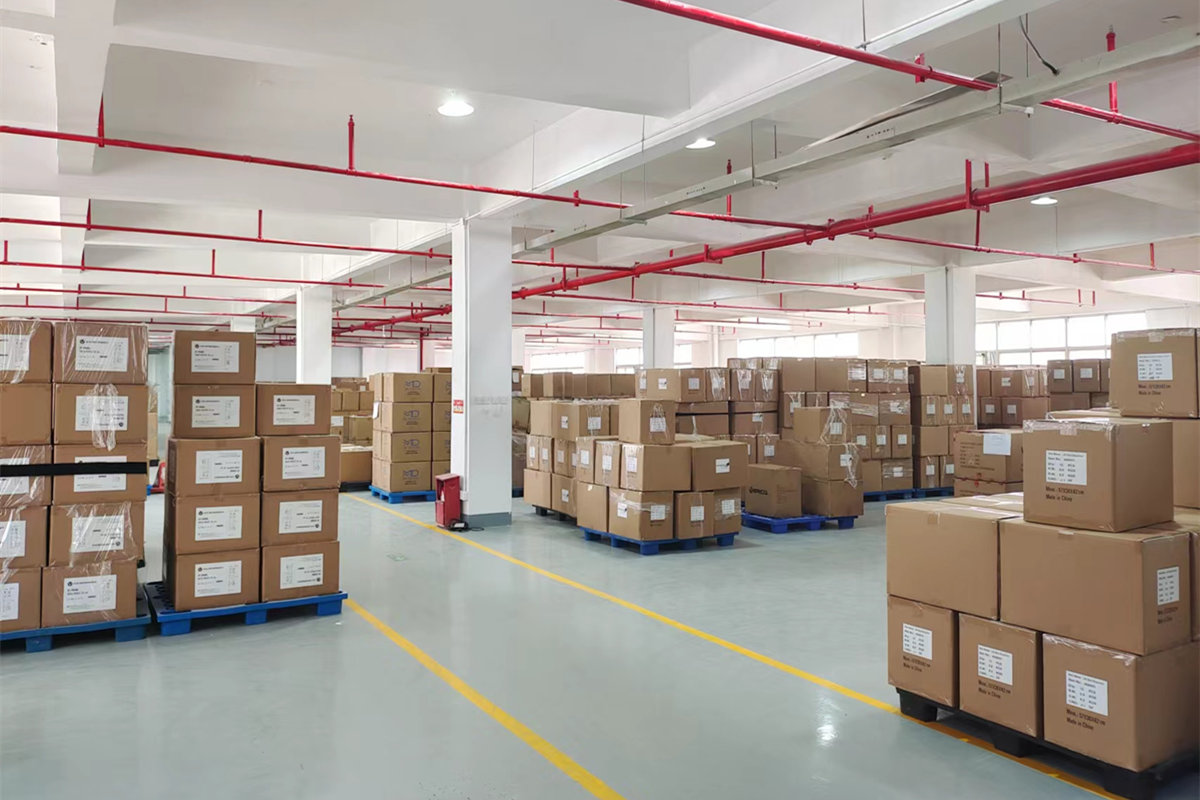
Our workshop handles difficult geometries, micro-tolerances, and custom surface modification procedures necessary for implants:
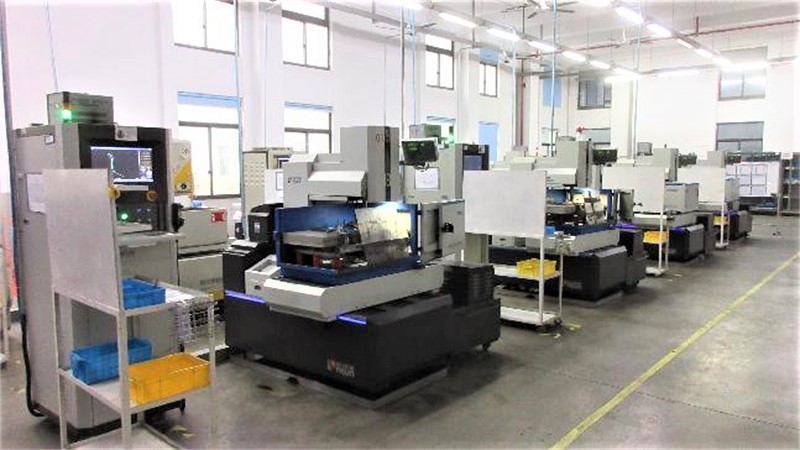
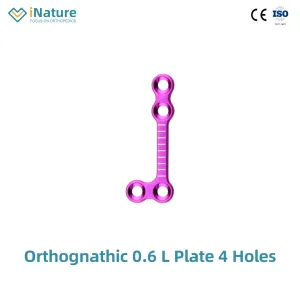
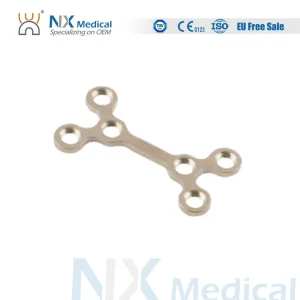
Ultra-precise EDM cutting for intricate dental plates and mesh geometries without generating thermal stress.
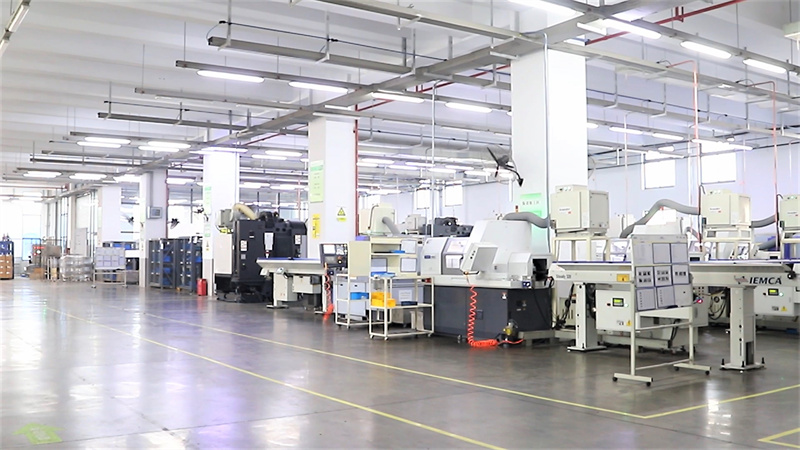
High-speed multi-axis CNC milling machines generating perfect threads on pedicle and compression screws.
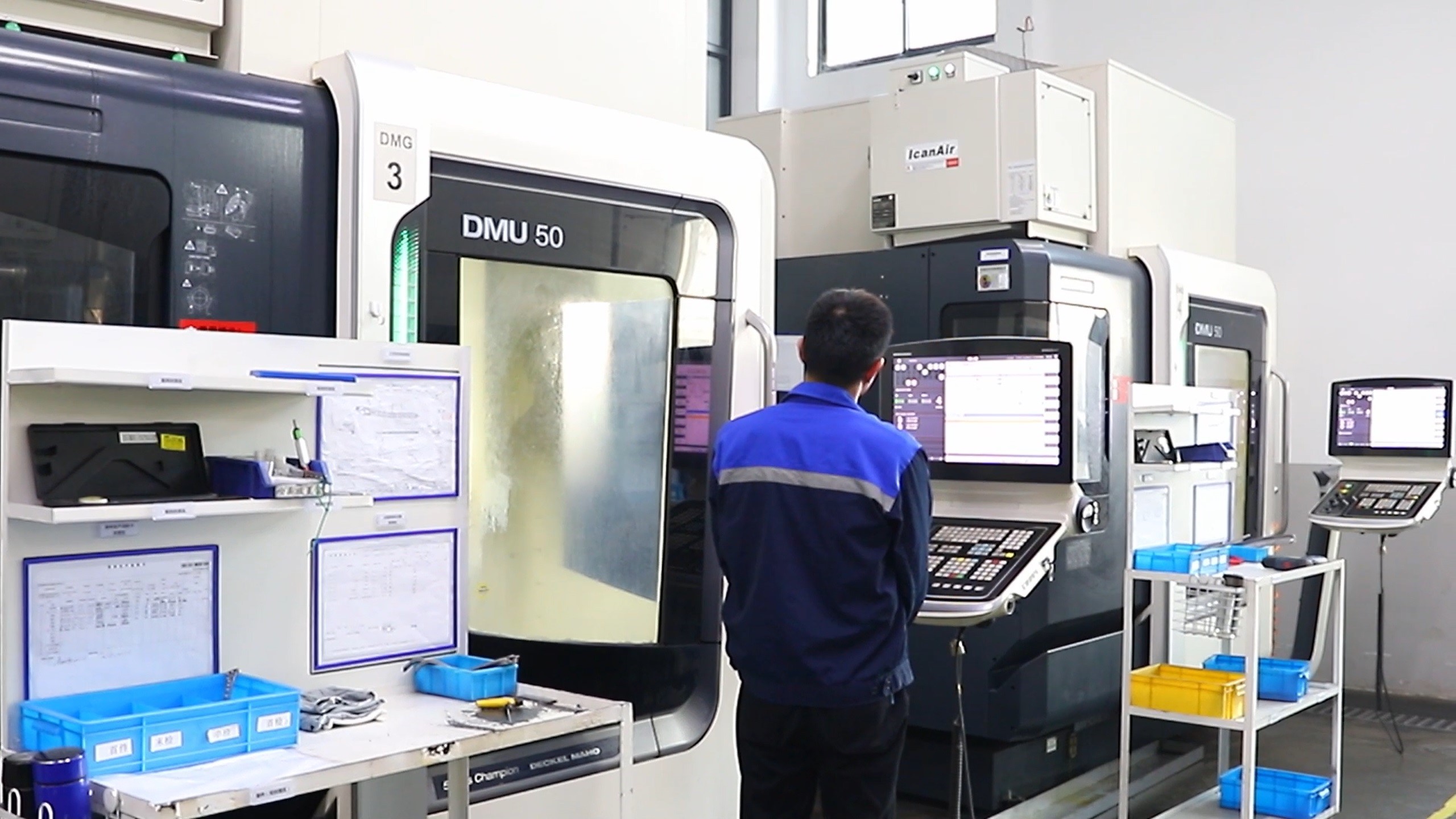
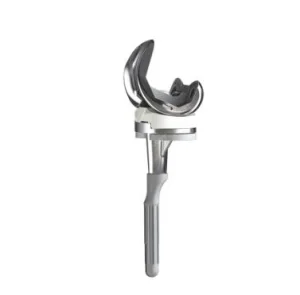
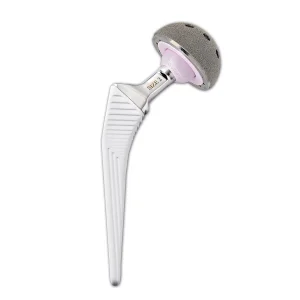
Sub-micron grinding and quality checks for critical joints and load-bearing orthopedic interfaces.
Engraving specific textures and product identification codes on titanium plates and biocompatible PEEK surfaces.
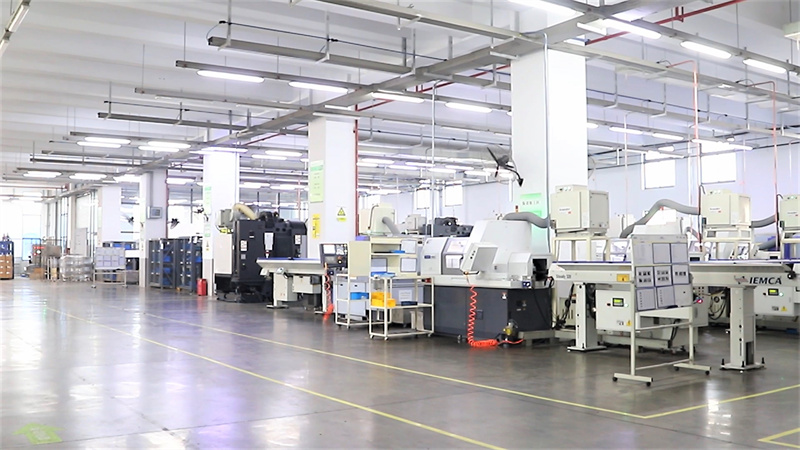
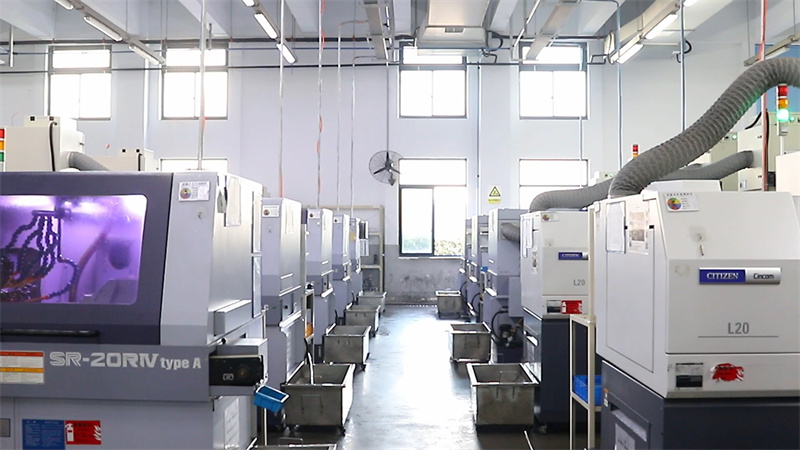
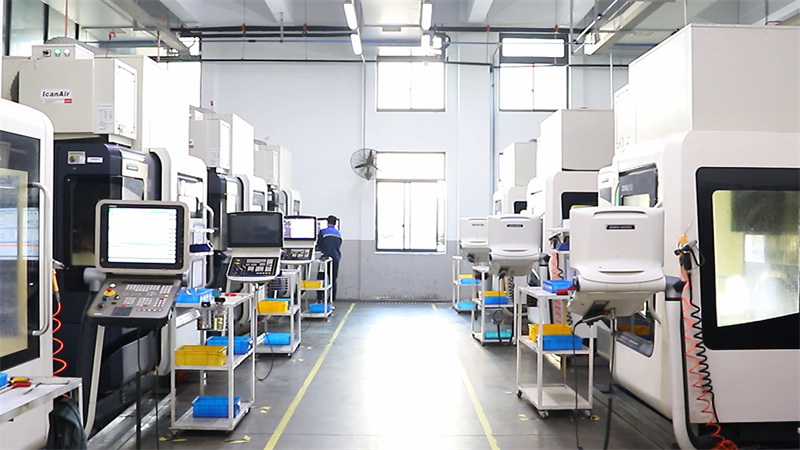
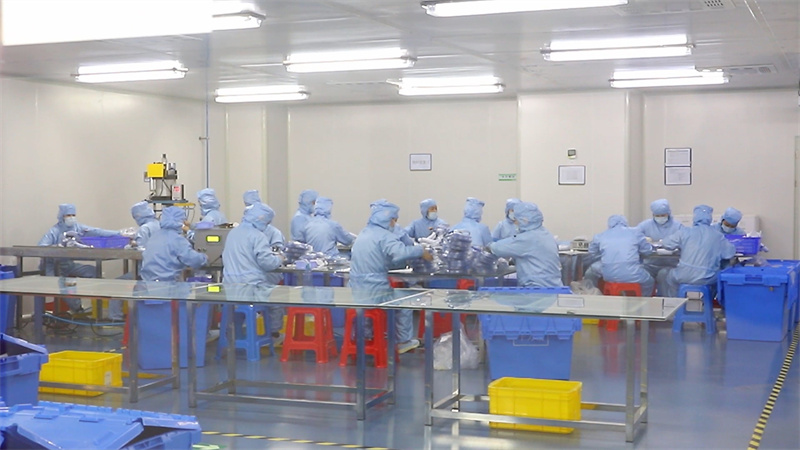
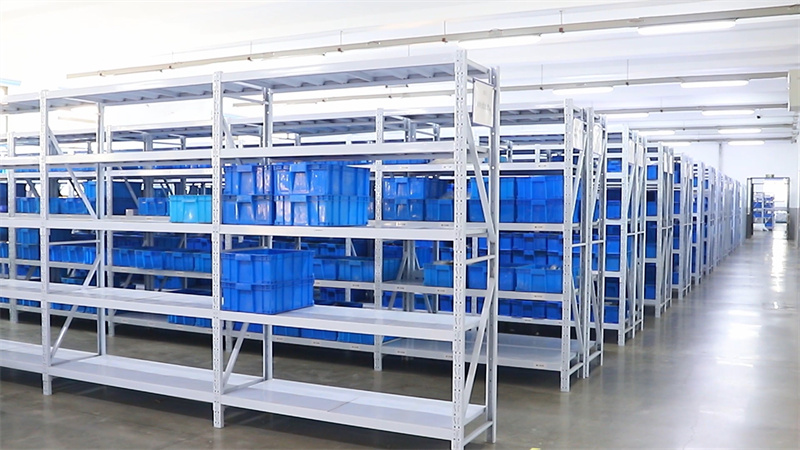
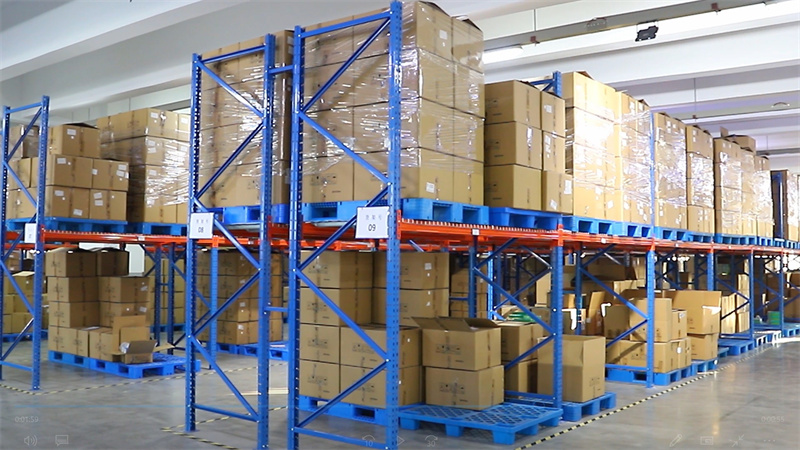
Sourcing orthopedic implants and bone graft instruments from China offers global businesses a critical edge in timing and profitability. The Yangtze River Delta region is home to the world's most mature titanium and precision electronics supply chains, allowing us to source certified medical materials within hours and respond to designs dynamically.
Orthopedic requirements differ significantly by region, clinical workflow, and patient demographics. Our customizable design and packaging options ensure that whether you are distributing to trauma centers in Latin America, orthopedic groups in North America, or spinal surgery clinics in Europe, the product matches the environment.
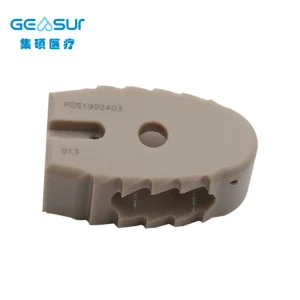
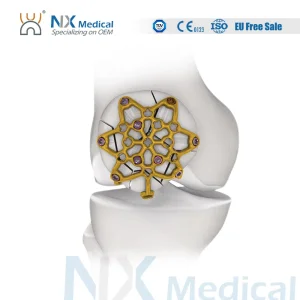
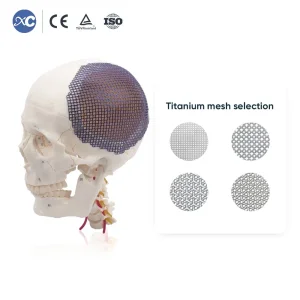
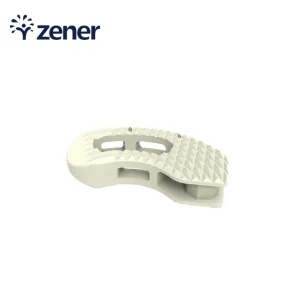
For example, our banana lumbar interbody PEEK fusion cages feature specialized internal cavities designed to load bone grafts. The design facilitates optimal contact between the host vertebral bone and the grafting matrix. Similarly, our maxillofacial titanium mesh plates are designed with ultra-low profiles, accommodating bone-substitute granules for cranial reconstruction while ensuring zero tissue irritation.
Customer Satisfaction Policy: We provide free replacement within one year for material defects and offer assistance to our distributors and agents in navigating local importing policies and customs clearances.
Understand the regulatory, material science, and shipping framework of our B2B OEM manufacturing pipeline.
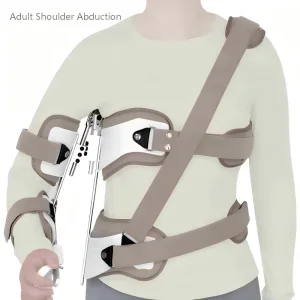
A comprehensive range of high-performance surgical systems for orthopedic trauma, joint revision, and maxillofacial reconstruction.