Grai Orthopedic Implants
Grai Orthopedic Implants
Grai Orthopedic Implants
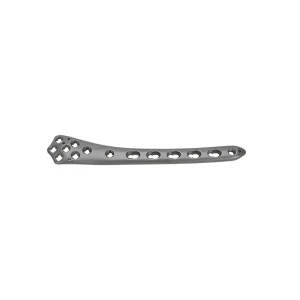
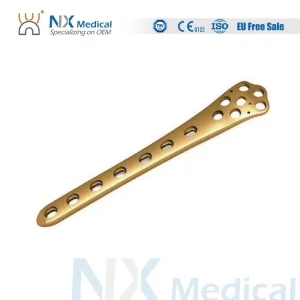
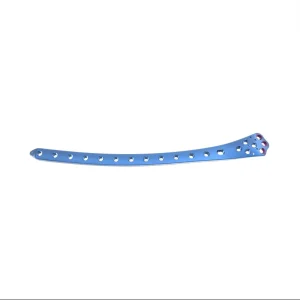
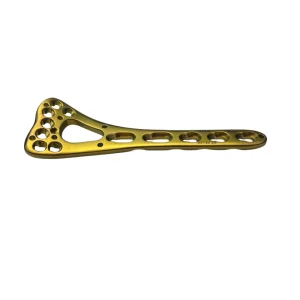
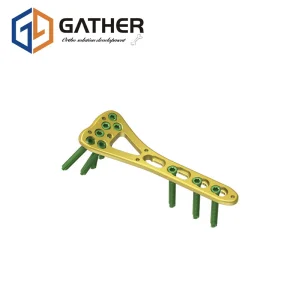
The global orthopedic implant market is witnessing an unprecedented surge, particularly in the domain of Distal Femur Locking Plates. As the aging population expands worldwide, the incidence of osteoporotic fractures in the distal femur has increased significantly. Furthermore, high-energy trauma resulting from motor vehicle accidents remains a primary driver for the surgical demand of advanced internal fixation devices. Distal femur locking plates have evolved from simple compression plates to complex, multi-axial locking systems designed to preserve biological blood supply and provide stable fixation in comminuted or peri-prosthetic fractures.
In the current industrial landscape, the shift towards Minimally Invasive Percutaneous Osteosynthesis (MIPO) techniques has made the anatomical design of locking plates more critical than ever. Surgeons now require implants that not only match the distal femur's complex geometry but also offer variable angle locking capabilities to address unique fracture patterns. This technological requirement has pushed manufacturers to integrate AI-assisted design and CNC precision machining into their production lines.
Strategic distribution networks across Europe, North America, and Southeast Asia ensure that trauma centers have immediate access to life-saving implants.
The CAGR of the distal femoral trauma market is projected to grow by 6.5% annually, driven by technological breakthroughs in titanium alloy processing.
Stricter MDR (Medical Device Regulation) and FDA standards are reshaping the manufacturer landscape, favoring those with robust quality management systems.
The orthopedic industry is no longer just about "hardware"; it is about "biology-friendly engineering." One of the most prominent trends is the move toward Variable Angle (VA) Locking Technology. Traditional locking plates restricted the angle of screw insertion, but modern VA systems allow for a 30-degree cone of screw angulation, enabling surgeons to target specific bone fragments without compromising the stability of the construct. This is particularly vital in distal femur fractures where the bone quality may be poor or where previous implants exist.
Moreover, the integration of Bio-compatible Surface Treatments, such as Type II Anodization, has become a standard for premium distal femur plates. These treatments reduce the risk of plate-to-tissue adhesion and lower the incidence of infection. Future trends also point toward the use of 3D-printed titanium scaffolds that mimic trabecular bone structure, potentially integrating bone-growth-inducing factors directly onto the locking plate surface.
Global medical procurement officers and hospital administrators look for three pillars when selecting a Distal Femur Locking Plate supplier: Stability of Supply, Clinical Efficacy, and Cost-Effectiveness. In regions like Latin America and the Middle East, the demand for high-quality titanium implants that are affordable for private healthcare sectors is soaring. Conversely, in the US and European markets, the focus is on specialized instruments and comprehensive surgical sets that reduce operating room time.
Localized application scenarios often dictate the product mix. For instance, in developing regions with a higher rate of high-impact trauma, there is a massive need for Large Fragment Locking Systems and Intramedullary Nails. In developed countries with an aging population, the emphasis shifts to "Peri-prosthetic" locking plates, which are designed to fix fractures occurring around existing knee replacements.
High-volume emergency hospitals requiring ready-to-use, sterile-packed plate systems for immediate surgical intervention.
Wholesale partners looking for OEM/ODM capabilities and customizable packaging to meet regional branding requirements.
Clinicians seeking ergonomic instrument sets that simplify the MIPO technique and reduce radiation exposure in the OR.
As a leading Chinese manufacturer, we represent the new "High-End Made in China" standard. Our facility combines cost-efficiency with uncompromising Swiss-made CNC precision. We understand that a Distal Femur Locking Plate is more than a piece of metal; it is a critical component in a patient's journey back to mobility.
Our advantages include:
Factory Statistics & Certifications:
Factory covers an area of 15,000 m², certified with ISO13485 and BSCI. Products are certified with CE, MDR, and FDA. Our team of 500 employees includes 8 senior engineers and 10 QC specialists. We offer minor customization, raw material traceability, and thorough semi-finished and finished product inspections.
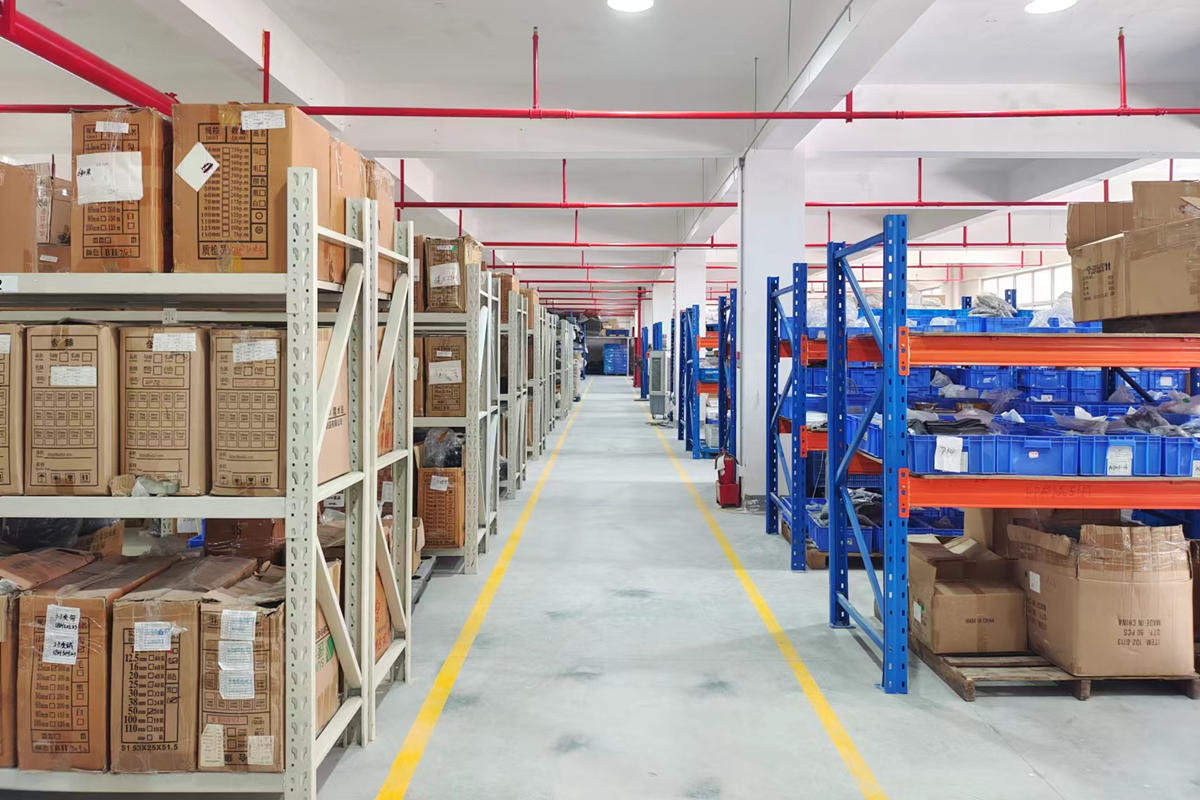
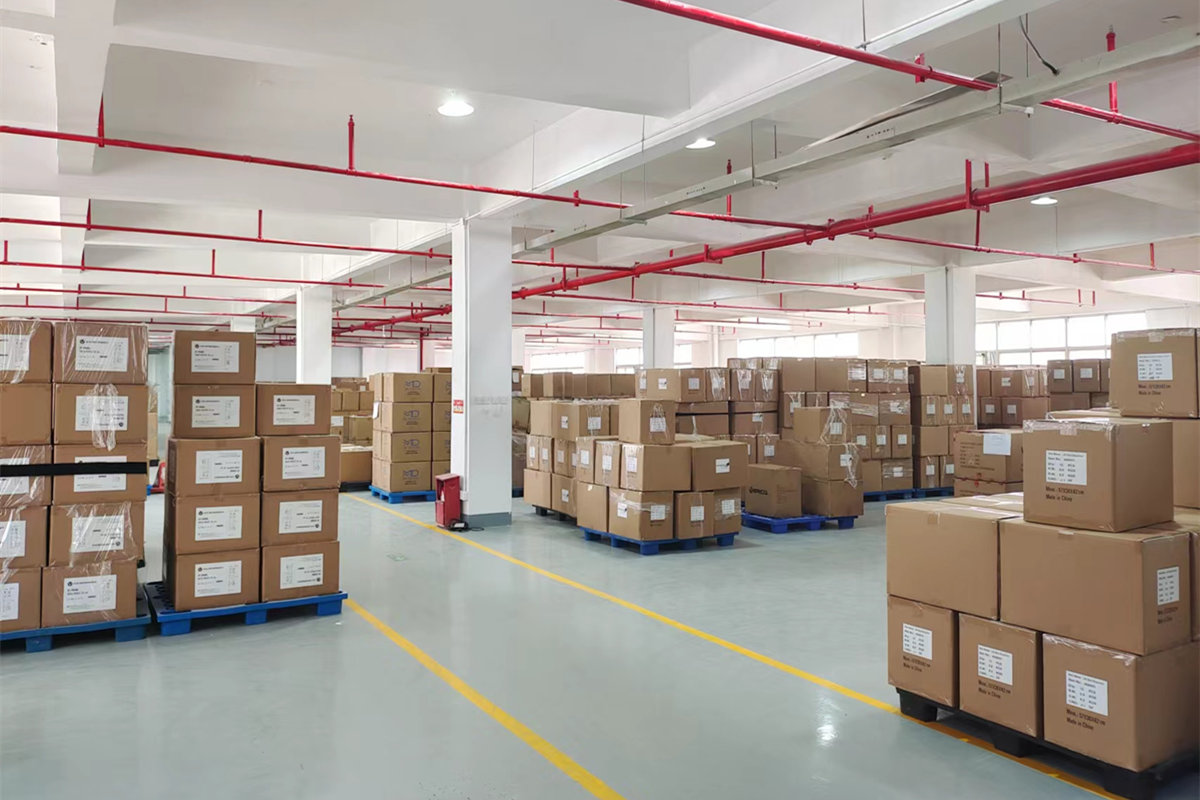
Over 300 different models available. 10 new products introduced every month by our experienced team. Customizable designs to meet specific clinical needs.
Free replacement within one year. After-sales support with agency policy assistance to ensure long-term successful partnerships.
Advanced laboratory facilities for comprehensive testing, ensuring every implant meets the mechanical strength requirements for human bone fixation.