Grai Orthopedic Implants
Grai Orthopedic Implants
Grai Orthopedic Implants
The global demand for proximal femur plates has witnessed exponential growth over the last decade. As the world population ages, particularly in developed regions like Europe and North America, and rapidly developing regions in Asia, the incidence of hip and femur fractures has surged. Proximal femur fractures, often caused by osteoporosis in elderly patients or high-energy trauma in younger individuals, require specialized surgical intervention using high-precision implants.
Current industrial trends indicate a shift toward minimally invasive surgery (MIS) and anatomically contoured locking plates. These innovations reduce surgical time, minimize soft tissue damage, and enhance the stability of fracture fixation, leading to faster patient recovery. As a leading hub for medical device manufacturing, China has emerged as a powerhouse, combining sophisticated R&D with large-scale production capabilities to serve global healthcare providers.
Projected CAGR of 6.5% through 2030, driven by an aging demographic and improvements in orthopedic surgical techniques globally.
Transitioning from traditional stainless steel to high-grade titanium alloys and bioactive coatings for better osseointegration.
China now accounts for over 30% of the global trauma implant export market, offering CE and FDA-certified solutions.
As a premier China Proximal Femur Plates manufacturer, we pride ourselves on a production ecosystem that balances volume with uncompromising quality. Our factory covers an expansive 15,000 m², designed to meet the rigorous demands of international medical standards.
Innovative Solutions: With over 300 models available and 10 new products launched monthly, we stay at the forefront of orthopedic technology.
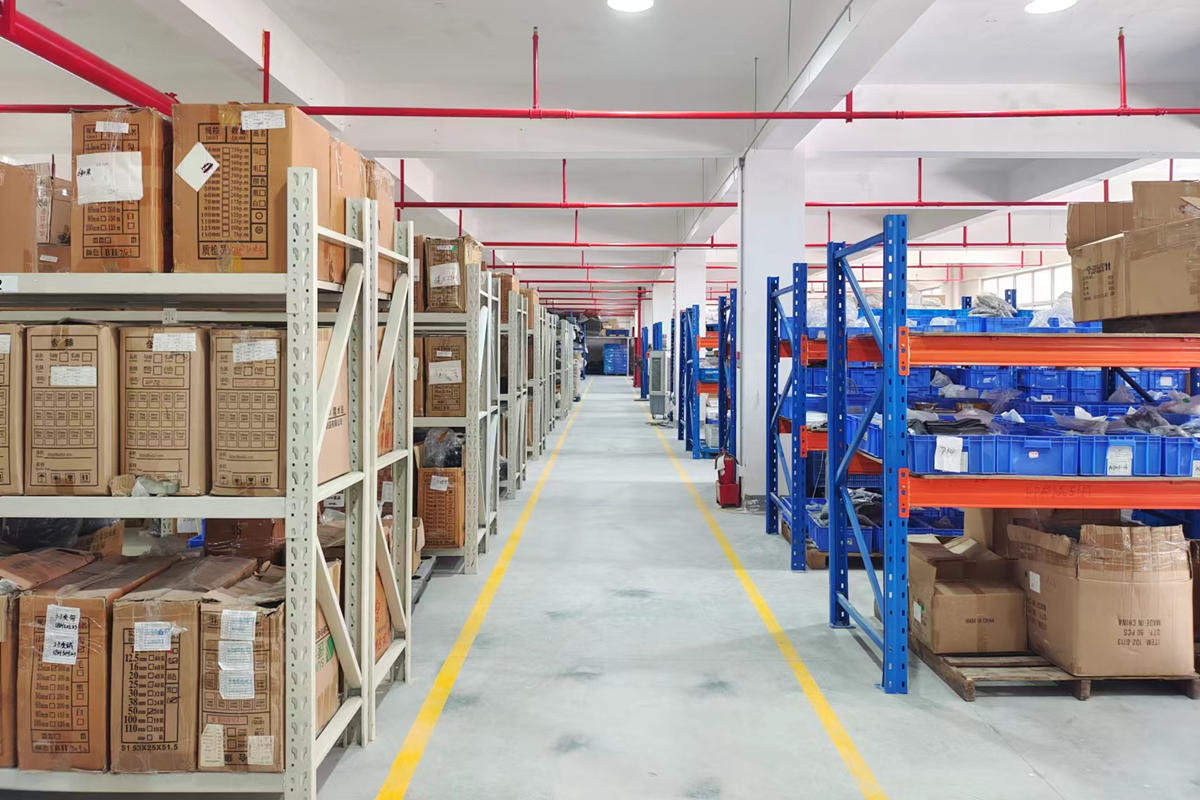
Factory Area (m²)
Professional Staff
Product Models
Quality Traceability
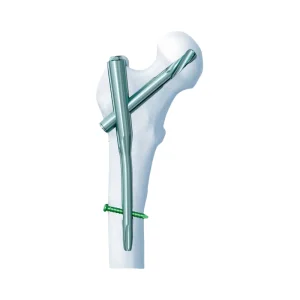
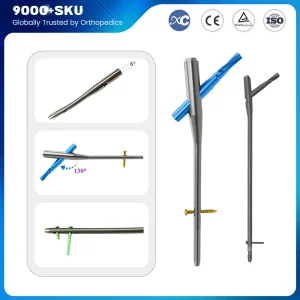
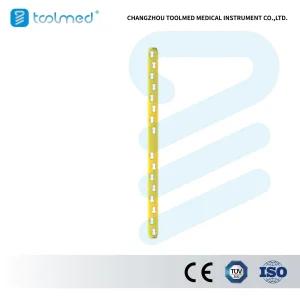
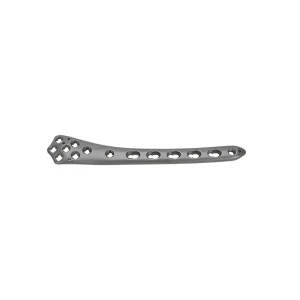
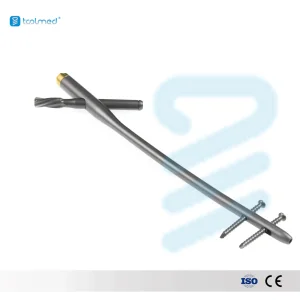
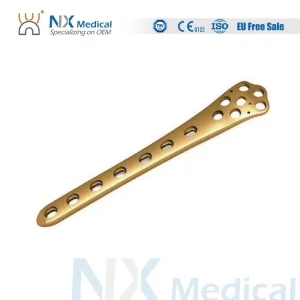
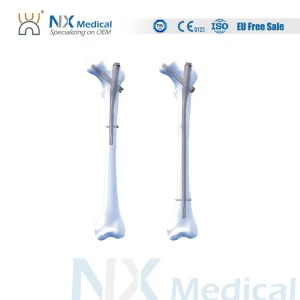
Global procurement needs in the orthopedic sector have shifted toward value-based healthcare. Hospitals in Latin America, Southeast Asia, and the Middle East are increasingly seeking high-quality alternatives to expensive European brands without compromising on patient safety. Our proximal femur locking compression plates (LCP) and intramedullary nails (PFNA) provide the perfect balance of affordability and clinical efficacy.
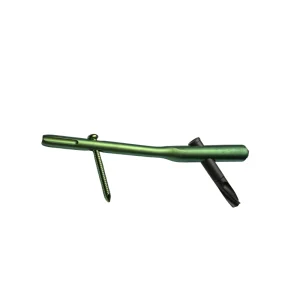
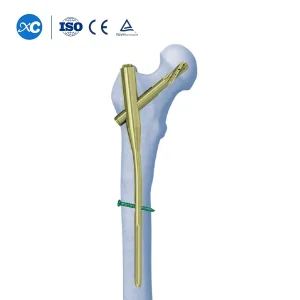
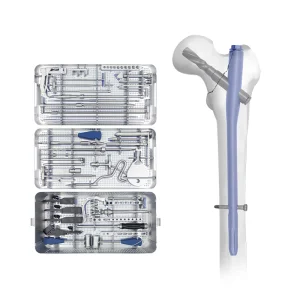
Our implants are engineered for diverse clinical environments. In metropolitan trauma centers, our Multi-Axial Locking Plates allow surgeons to navigate complex multi-fragmentary fractures with precision. In regional clinics, our PFNA systems are favored for their ease of use and reduced surgical footprint, making them ideal for high-volume geriatric care.
We leverage advanced CNC machining and computerized testing laboratories to ensure every screw and plate meets sub-micron tolerances. This AI-driven precision ensures that every "Gama Nail" or "Titanium Plate" fits perfectly into the anatomical structures they are designed for, reducing the risk of implant failure or secondary surgery.
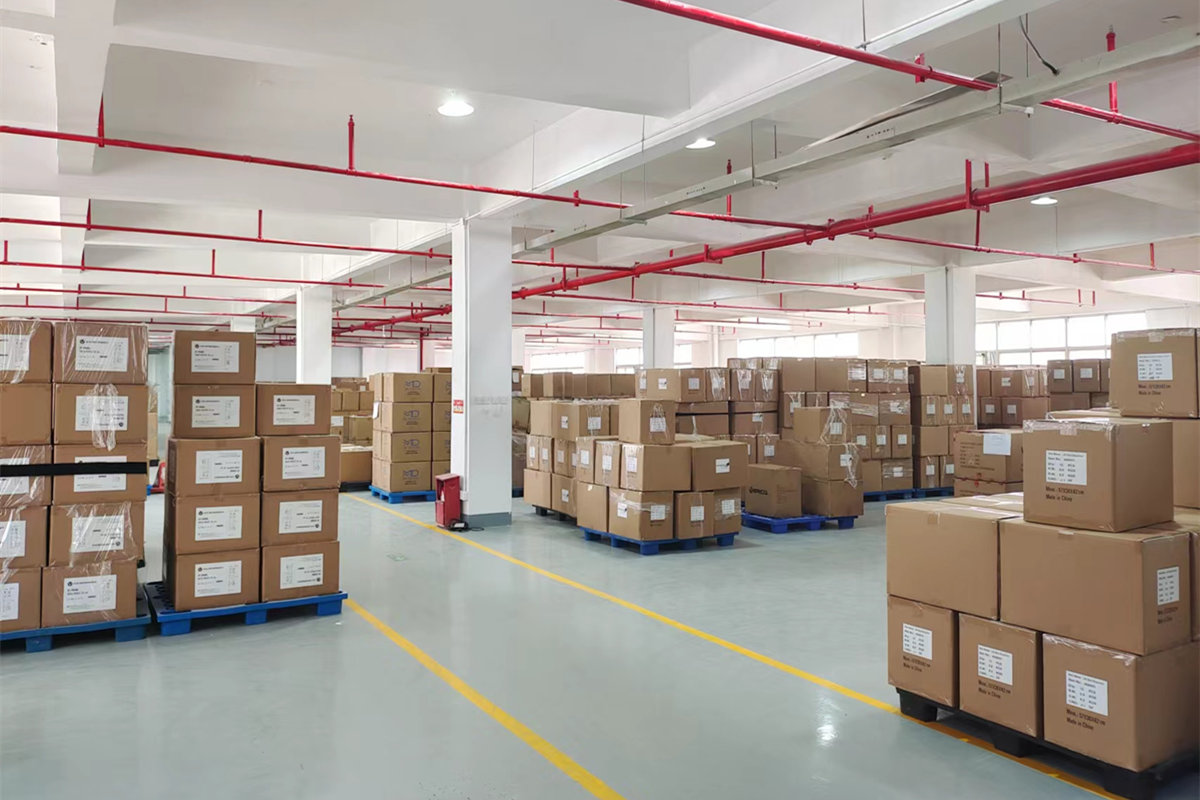
The future of femur fracture fixation lies in biotechnological integration. Research into antimicrobial coatings to prevent post-surgical infections and carbon-fiber-reinforced PEEK materials for radiolucency are the next frontiers. As a forward-thinking exporter, we are already investigating these materials to ensure our clients always have access to the latest orthopedic advancements.
Furthermore, the integration of 3D printing for patient-specific implants is transforming how surgeons approach complex deformities. While standard plates remain the backbone of the industry, the ability of a manufacturer to offer rapid prototyping and high-volume production simultaneously is what defines a market leader in the modern era.
When you choose us as your supplier, you are not just buying a product; you are gaining a partner committed to Customer Satisfaction. We offer free replacements within one year and comprehensive after-sales support with agency policy assistance. Our R&D team works tirelessly to introduce 10 new products every month, ensuring your inventory never falls behind market trends.