Grai Orthopedic Implants
Grai Orthopedic Implants
Grai Orthopedic Implants
The global orthopedic implant market is witnessing a transformative era, with Proximal Lateral Tibia Plates standing as a cornerstone in trauma surgery. As the global population ages and the incidence of high-energy trauma from road accidents and sports injuries rises, the demand for sophisticated fixation systems has skyrocketed. The Proximal Tibia, being a primary weight-bearing junction, requires implants that offer not just stability, but anatomical precision.
In today's industrial landscape, the shift from conventional stainless steel to Medical Grade Titanium Alloys has redefined patient outcomes. Industrial hubs, particularly in China, have integrated advanced CNC machining and 3D modeling to produce plates that mimic the natural curvature of the lateral tibial plateau. This technological leap ensures that surgeons can achieve rigid internal fixation while minimizing soft tissue irritation, a critical factor in proximal tibia recovery.
Modern trends focus on Type II anodization and surface treatments that enhance osteointegration. Our plates utilize premium titanium to ensure maximum biocompatibility and reduced risk of metal sensitivity.
The industry is moving away from manual bending. Low-profile, pre-contoured designs are now standard, specifically engineered to fit the lateral aspect of the proximal tibia without extra intraoperative adjustment.
Multi-axial locking technology allows surgeons to direct screws into specific bone fragments, providing superior stability in osteoporotic bone or complex comminuted fractures.
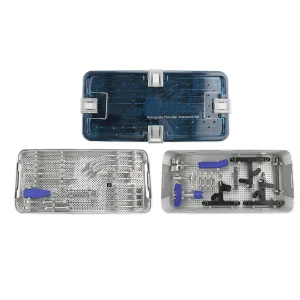
Furthermore, the integration of Minimally Invasive Percutaneous Osteosynthesis (MIPO) techniques is driving the demand for specialized instrument sets that complement lateral tibia plates. As a leading manufacturer, we stay ahead of these trends by continuously refining our R&D processes to match the evolving needs of orthopedic surgeons worldwide.
Procurement officers from international hospitals and medical distribution groups prioritize three core pillars: Regulatory Compliance (CE/FDA), Supply Chain Stability, and Cost-Effectiveness. In regions like Southeast Asia, Latin America, and the Middle East, there is a burgeoning need for high-quality "China Wholesale" solutions that do not compromise on surgical efficacy.
Local application scenarios vary significantly. In high-density urban trauma centers, the focus is on "Ready-to-Use" sterile-packed plates for emergency surgeries. Conversely, in specialized orthopedic clinics, the emphasis might be on customized solutions for revision surgeries. Our factory caters to these diverse needs through minor customization and a vast inventory of over 300 different models, ensuring that whether it is a lateral tibial plateau fracture or a proximal shaft extension, the right implant is always available.
As a premier China Wholesale Proximal Lateral Tibia Plates Manufacturer, we operate a 15,000 m² state-of-the-art facility certified with ISO13485 and BSCI. Our commitment to quality is reflected in our rigorous inspection protocols.
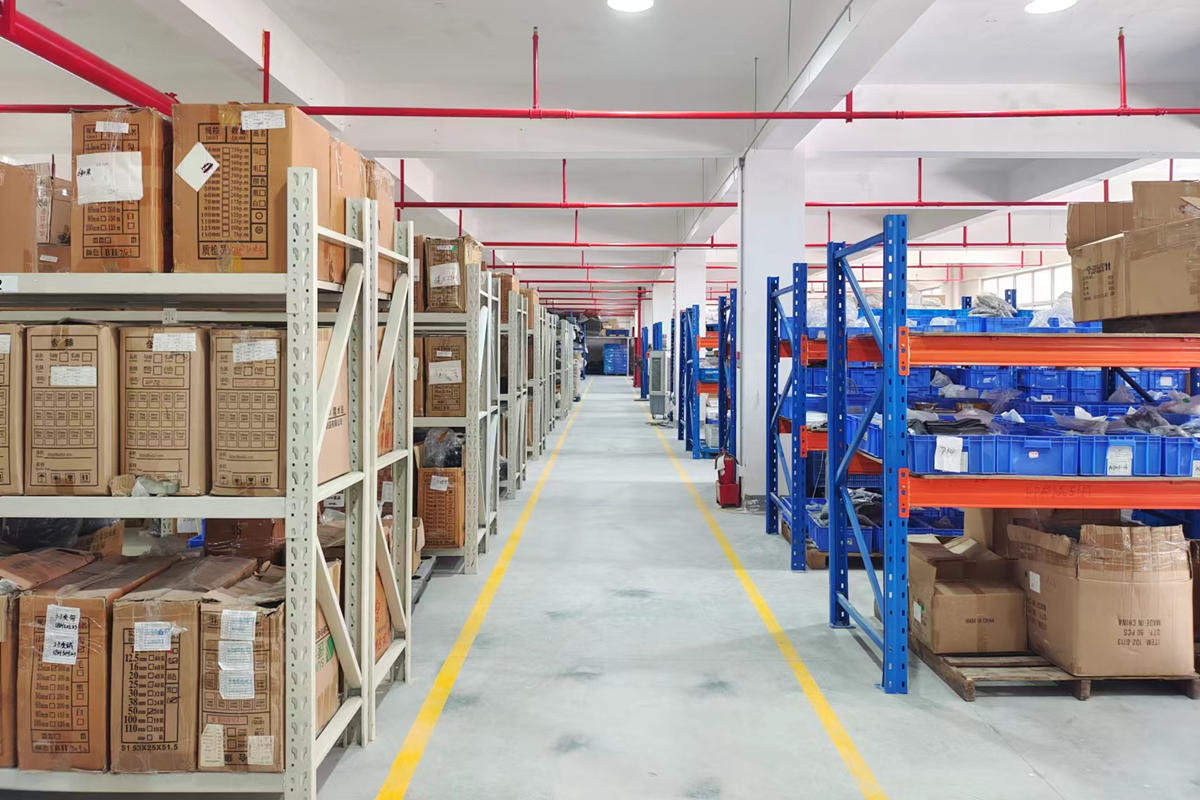
Innovative Solutions & Customer Satisfaction: We don't just supply products; we provide peace of mind. With 10 new products introduced every month and a policy of free replacement within one year, we stand behind the durability of our orthopedic implants. Our agency policy assistance ensures that our global partners have the support they need to dominate their local markets.
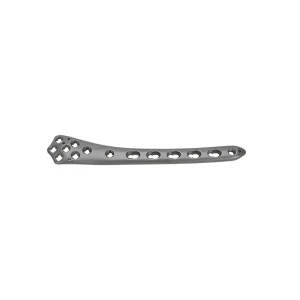
Our plates are designed for the treatment of non-unions, osteotomies, and fractures of the proximal tibia, including juxta-articular and intra-articular fractures. The anatomical shape is optimized for the lateral aspect, providing a stable platform for the reconstruction of the articular surface. High-grade Titanium (Gr5 or Pure Titanium) ensures a modulus of elasticity closer to bone, reducing the "stress shielding" effect and promoting faster healing.
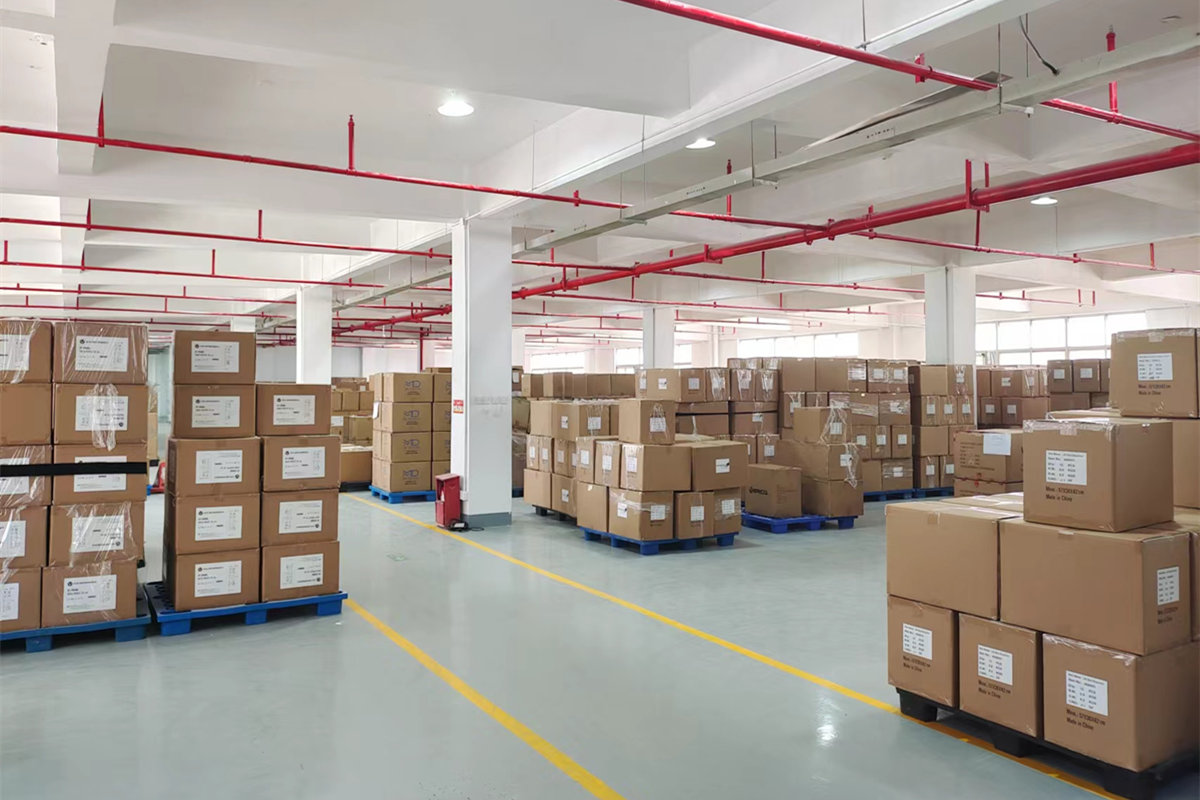
Key technical features include limited-contact undercuts that preserve the periosteal blood supply and rounded edges to protect soft tissue. The combination of locking and compression holes allows for dynamic compression or stable internal fixation depending on the fracture pattern.