Grai Orthopedic Implants
Grai Orthopedic Implants
Grai Orthopedic Implants
Precision-engineered implants and instrument systems designed for high-resolution diagnostic radiolucency, intraoperative fluoroscopy compatibility, and clinical durability.
Navigating the technological transformation, market capitalization, and intraoperative integration of modern diagnostic imaging hardware and specialized surgical instrumentation.
The global medical market is witnessing a profound paradigm shift: diagnostic imaging equipment is no longer confined to isolated Radiology departments. Modern healthcare delivery demands real-time intraoperative diagnostic guidance within Hybrid Operating Rooms (HOR). High-field Magnetic Resonance Imaging (MRI), Computed Tomography (CT), Cone-Beam CT (CBCT), and mobile C-arm fluoroscopy systems now interface directly with surgical instruments and orthopedic implants.
As diagnostic imaging manufacturers and original equipment suppliers advance sensor resolution and AI-driven image processing, orthopaedic hardware must meet unprecedented material physics standards. Implants manufactured from Grade 5 Titanium Alloy (Ti-6Al-4V ELI) or radiolucent Polyether Ether Ketone (PEEK) must minimize scatter artifacts on CT scans and prevent distortion during intraoperative MRI sequences. Trusted manufacturers sit at the intersection of metallurgical precision engineering and diagnostic clarity.
Full compliance with ISO 13485, BSCI, CE MDR (EU 2017/745), and US FDA 510(k) standards ensuring smooth international distribution and hospital procurement clearance.
Every titanium rod, PEEK block, and surgical stainless steel lot undergoes raw material traceability identification, spectroscopic analysis, and strain testing.
Introducing over 10 new validated products per month backed by our 8 senior R&D engineers, tailored for custom surgical requirements and minor modifications.
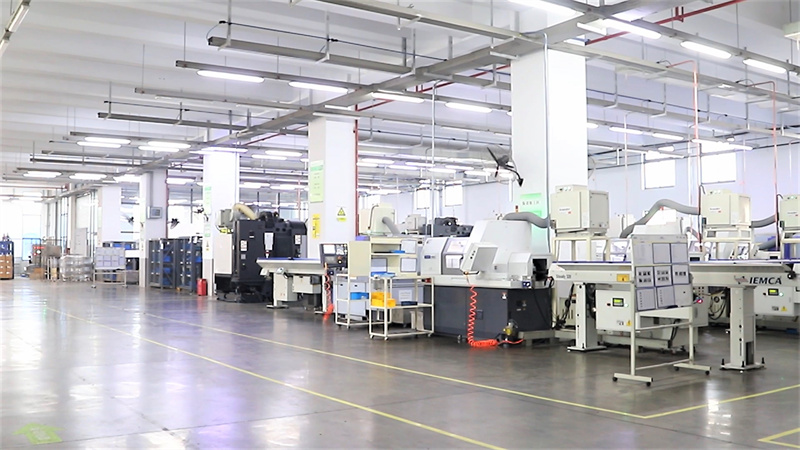
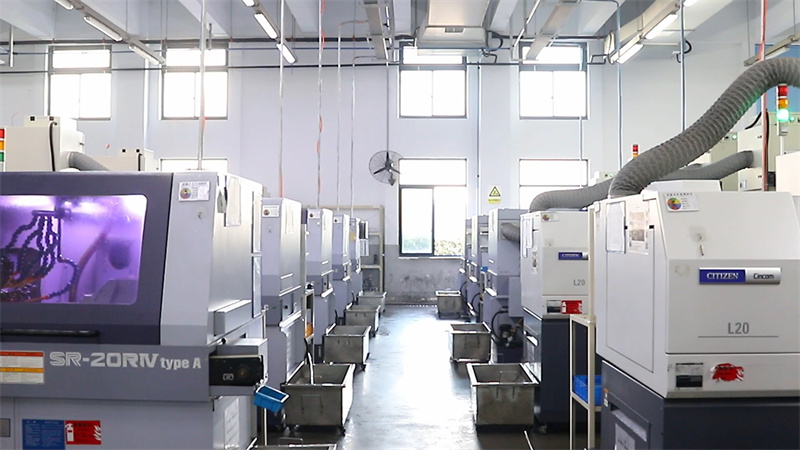
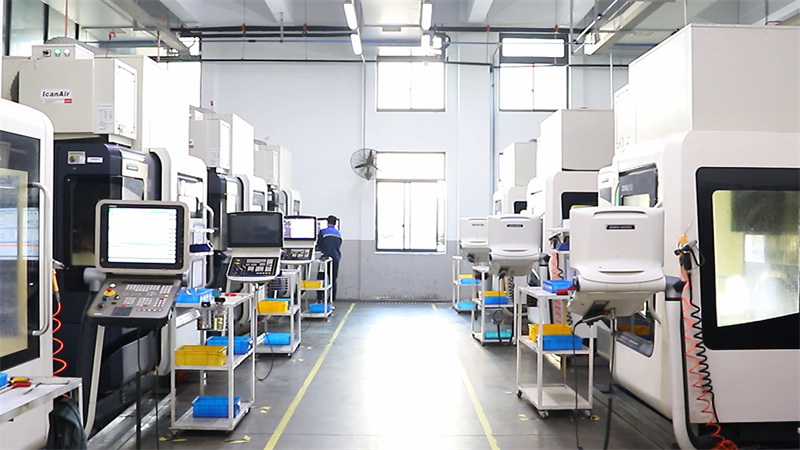
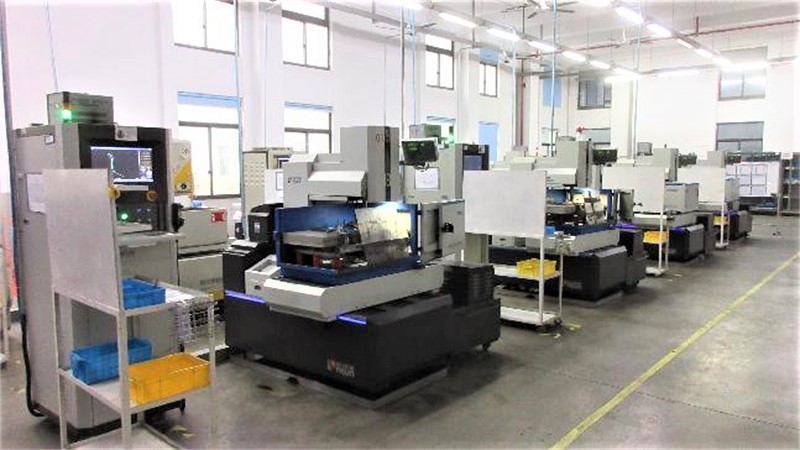
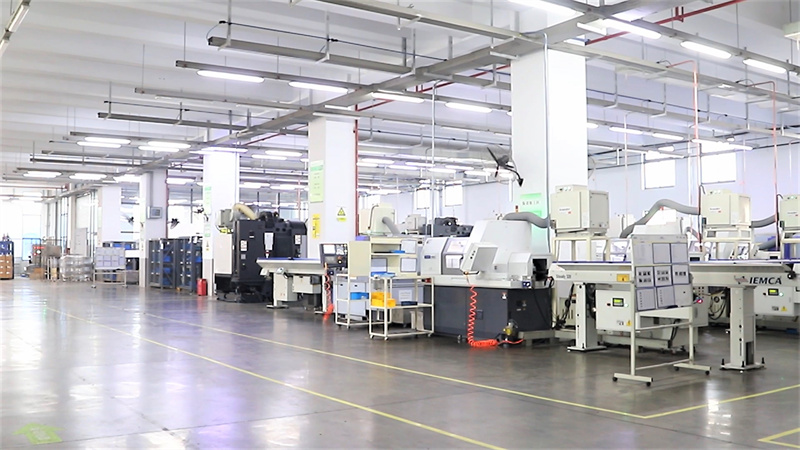
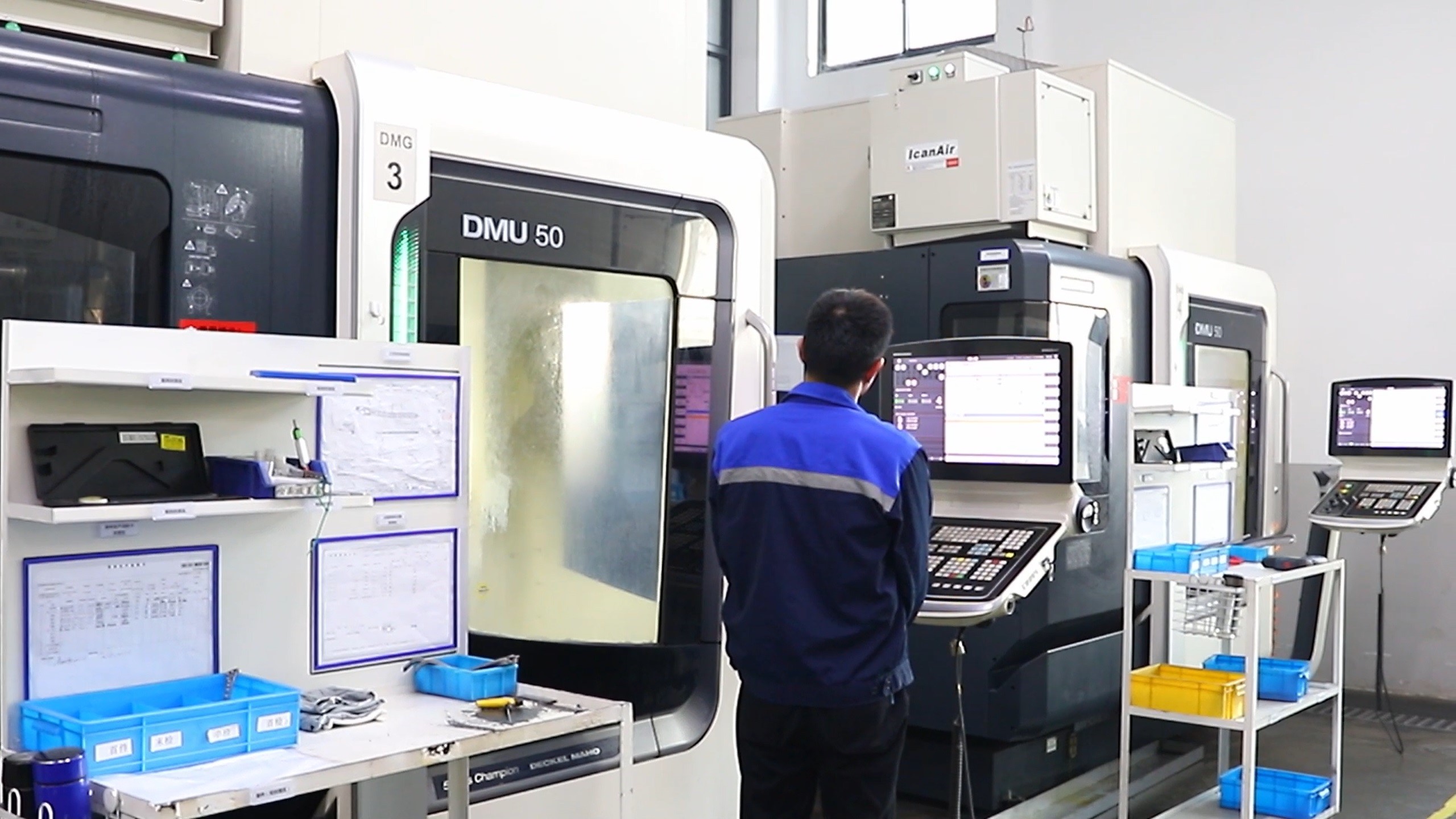
Operating across a certified 15,000 m² state-of-the-art facility equipped with precision wire-electrode cutting, multi-axis CNC machining, and automated optical inspection.
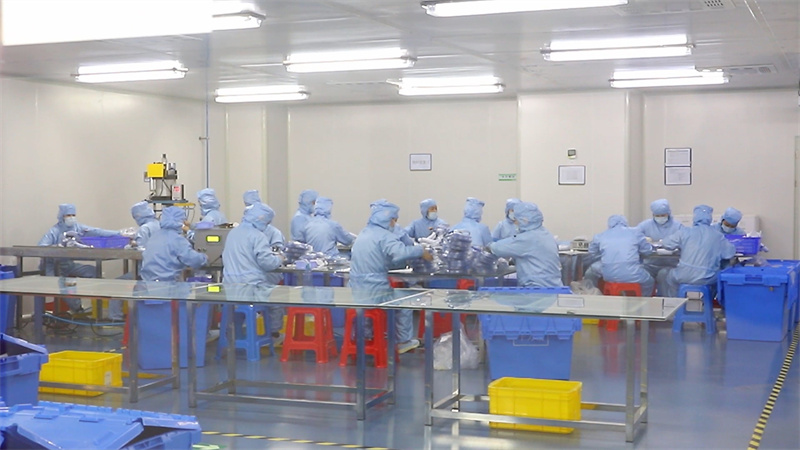
To produce medical diagnostic equipment components and implants capable of enduring rigorous biomechanical loads and precise imaging verification, manufacturing tolerances are maintained within single-digit micron parameters (±0.005mm). Our advanced laboratory facilities execute comprehensive static, dynamic, fatigue, and surface topography testing before cleanroom assembly.


The convergence of medical imaging and surgical robotics is accelerating rapidly. Suppliers and manufacturers must align with four technological vectors to maintain market leadership:
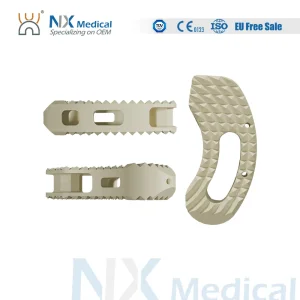
Future diagnostic imaging modalities incorporate machine learning algorithms to map patient anatomy in real-time. Pedicle screw placement systems, such as our Zero-X Cage System and O-Max Cage System, integrate radio-opaque tantalum markers. These markers register seamlessly with intraoperative navigation cameras and C-arm computer tomography, providing sub-millimeter positional feedback during complex spinal fusion routines.
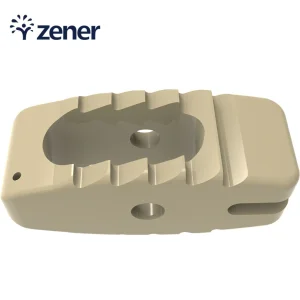
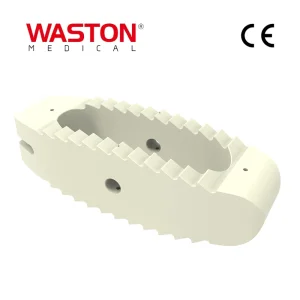
Metallic artifacts on CT and MRI present significant post-operative diagnostic challenges. Modern implant engineering relies heavily on carbon-reinforced PEEK and 3D-printed porous titanium lattice structures. Titanium-coated PEEK lumbar fusion cages offer bone-like elasticity (Young's modulus matching cortical bone) while ensuring optimal post-operative radiographic artifact reduction.
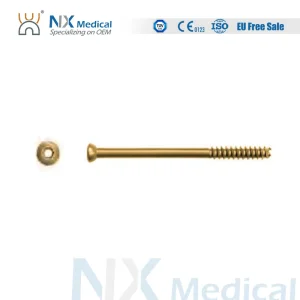
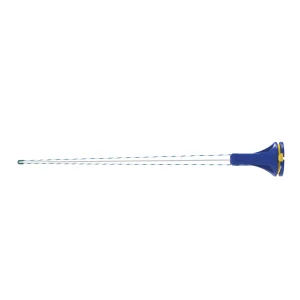
Trauma and orthopaedic surgery continue to shift toward minimally invasive techniques. Cannulated compression screws (such as 3.0mm Headless Cannulated Screws) allow percutaneous placement over guide wires under direct intraoperative fluoroscopic control, resulting in reduced soft-tissue trauma, shorter operative times, and lower infection risks.
As global medical device directives (such as EU MDR 2017/745) enforce stringent post-market surveillance (PMS) and Unique Device Identification (UDI), our manufacturing system ensures raw material traceability from raw titanium billet to final cleanroom double-blister packaging.
| System Category | Primary Material | Diagnostic Imaging Artifact Index | Tensile / Mechanical Strength | Regulatory Certifications |
|---|---|---|---|---|
| Spinal Interbody Cages (TLIF/Zero-X) | Medical Grade PEEK / Ti-6Al-4V Coating | Ultra-Low (CT/MRI Compatible) | High Shear & Fatigue Resistance | ISO 13485, CE, FDA, MDR |
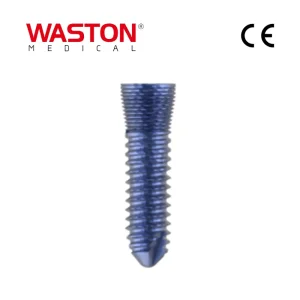
| Pedicle Screws & Fixation | Titanium Alloy Ti-6Al-4V ELI | Moderate Radiopaque Marking | Yield Strength > 860 MPa | ISO 13485, CE, FDA, BSCI |
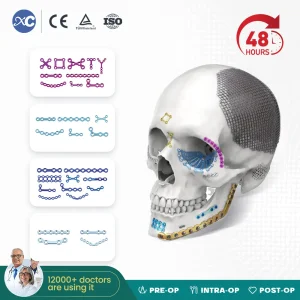
| Maxillofacial (CMF) Plates | Pure Titanium / Ti Alloy | Low Distortion Profile | Anatomic Conformity & Flexibility | CE, MDR, ISO 13485 |
| Sports Medicine Anchors | UHMWPE / All-Suture / Titanium | Near-Zero Artifact Output | High Pull-Out Resistance | CE Approved, ISO 13485 |
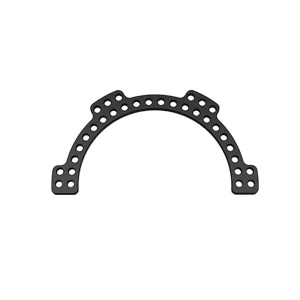
| External Fixators (Ilizarov) | High-Strength Alloy / Carbon Fiber | Radiolucent Ring Structures | Extreme Torsional Rigidity | CE, ISO 13485 Certified |
Medical equipment suppliers must tailor hardware to specific clinical environments. Below are primary operational scenarios where diagnostic imaging equipment and surgical implants interface:
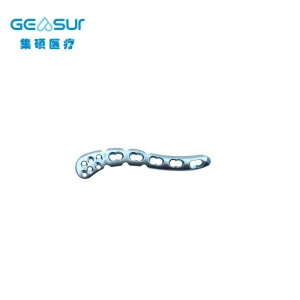
In acute polytrauma management, speed and accuracy are paramount. Surgeons utilize C-arm fluoroscopy alongside our Cannulated Compression Screws and Superior Clavicular Locking Plates. Cannulated screw systems allow rapid percutaneous stabilization of femoral neck or distal radius fractures while continuous X-ray verification monitors screw trajectories in real time.
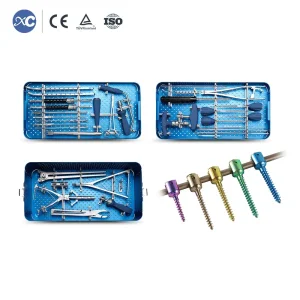
Complex lumbar and cervical reconstructions demand absolute precision. Utilizing intraoperative 3D CBCT imaging, spine surgeons position Neulen Laminoplasty Thread Inter Reduction Pedicle Screws alongside titanium-coated PEEK TLIF Cages. The clear radiolucent boundary of PEEK allows immediate intraoperative and post-operative assessment of endplate contact and bone graft compression.
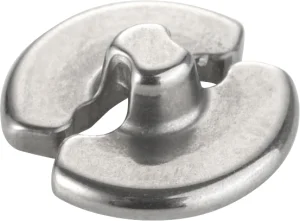
In minimally invasive shoulder and knee reconstruction, space is limited. Radiographic visualization relies on precise radiopaque markers embedded in All-Suture Anchors and Titanium Endobutton Systems. These devices enable secure anterior cruciate ligament (ACL) reconstruction and rotator cuff repair with minimal bone loss.
Tailored dimension adjustments, specialized thread pitches, and laser-etched OEM branding for specialized hospital tenders and global distributors.
Free product replacement within one year for verified quality anomalies, backed by extensive agency policy support and dedicated account management.
Over 300 active models in portfolio, with 10 new innovative designs added monthly by our experienced engineering team to meet evolving clinical needs.
Technical answers addressing procurement guidelines, material biocompatibility, imaging compatibility, and international manufacturing certifications.
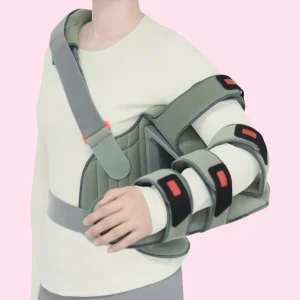
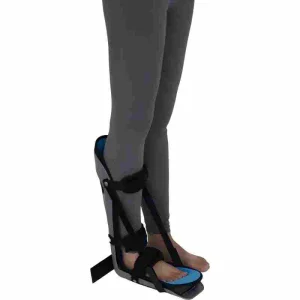
Explore our extended catalog of specialized trauma fixators, intramedullary nails, cruciate ligament buttons, and orthopedic support braces.