Grai Orthopedic Implants
Grai Orthopedic Implants
Grai Orthopedic Implants
Explore our elite portfolio of trauma fixation, joint replacements, spinal systems, and customized maxillofacial implants.
The orthopedic medical device landscape is undergoing a massive evolutionary shift. Healthcare systems worldwide require surgical instruments and implants that boast absolute structural integrity, biocompatibility, and dimensional precision. As a premier hub for high-performance surgical devices, China's orthopedic manufacturing has transitioned from standard casting to high-end, micron-precision robotic manufacturing processes.
To remain competitive globally, importers and B2B medical buyers look beyond mere price. They prioritize raw material traceability (such as medical-grade titanium alloys and PEEK), strict compliance under international regulatory standards like MDR and FDA 510(k), and customizable engineering partnerships. By integrating our 15,000 m² state-of-the-art facility with direct engineering capabilities, we meet these requirements and drive systemic cost efficiencies across the supply chain.
Key forces shaping the future of global trauma, spine, joint, and cranio-maxillofacial reconstruction.
Surgical instruments are trending toward low-profile, cannulated, and micro-axial designs. These reduce soft tissue trauma, expedite recovery periods, and demand micro-precision manufacturing limits below 5 microns.
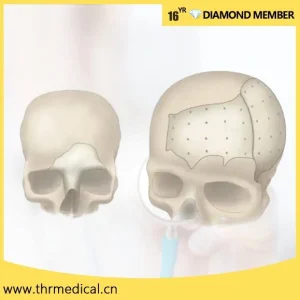
Cranio-maxillofacial and spine procedures utilize customized implants fabricated from high-performance PEEK (Polyetheretherketone). These patient-specific implants optimize anatomical fit and improve biomechanical outcomes.
Regulatory landscapes demand absolute compliance. Manufacturers must supply exhaustive documentation, validated cleanroom validation, bio-compatibility assays, and rigid raw material traceability.
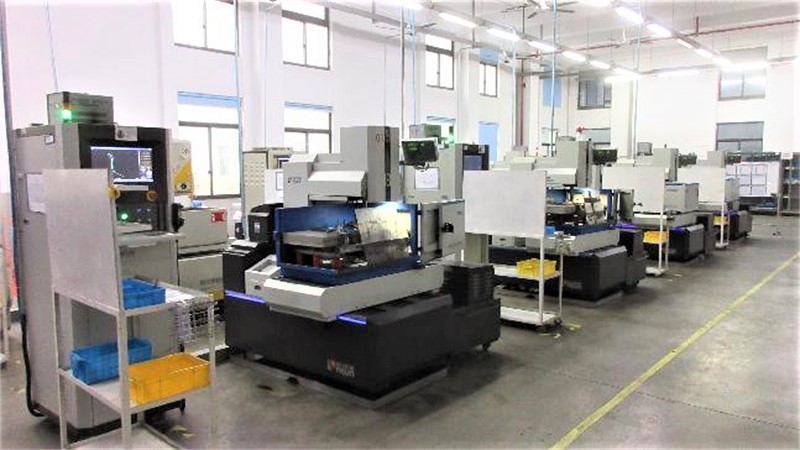
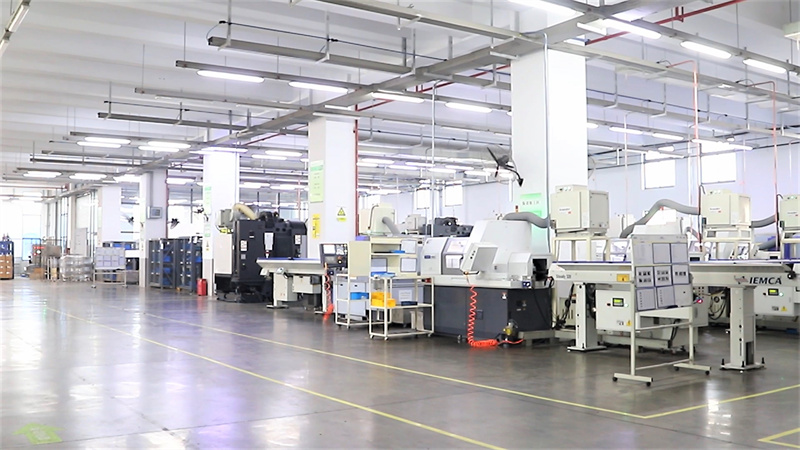
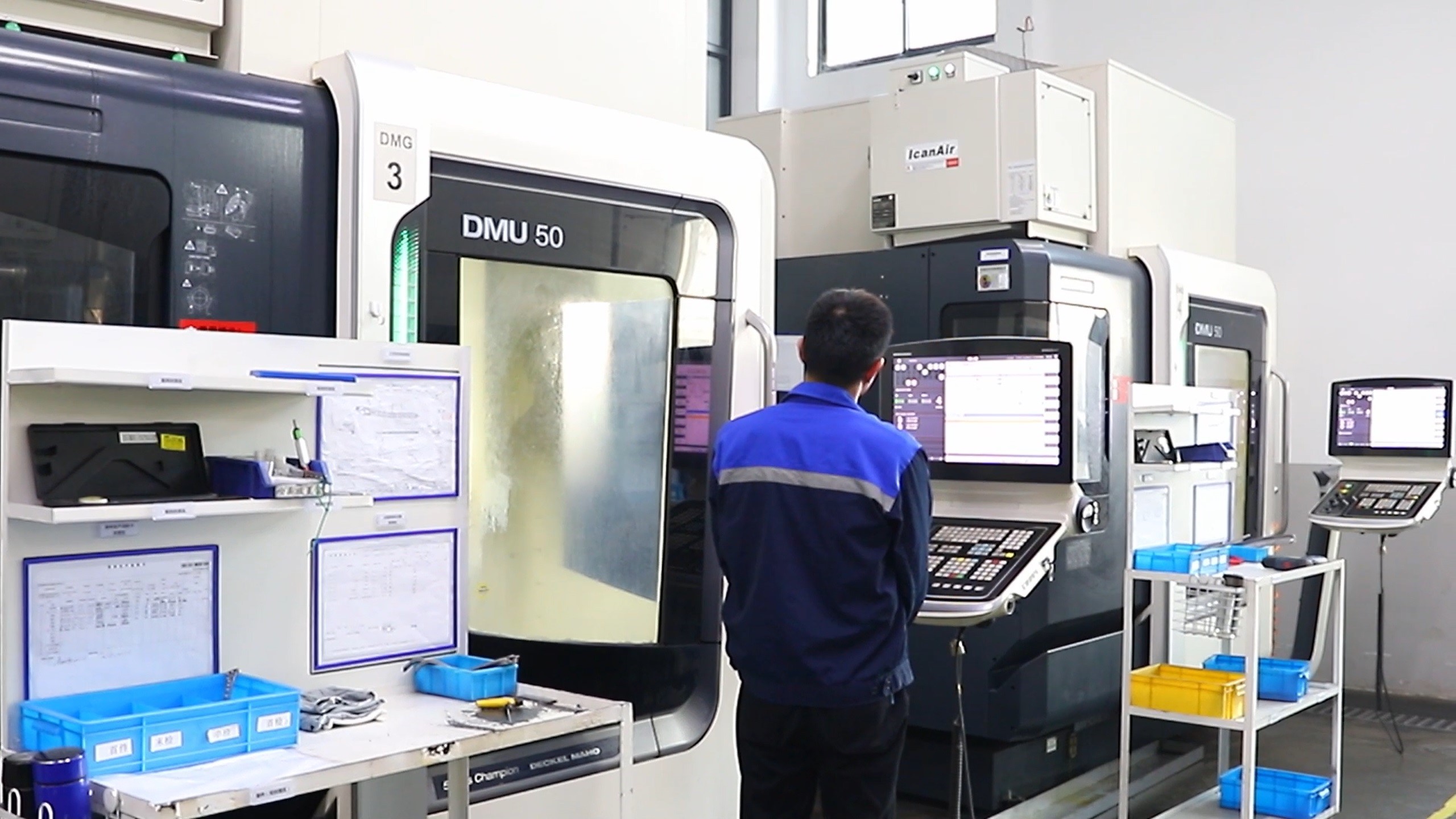
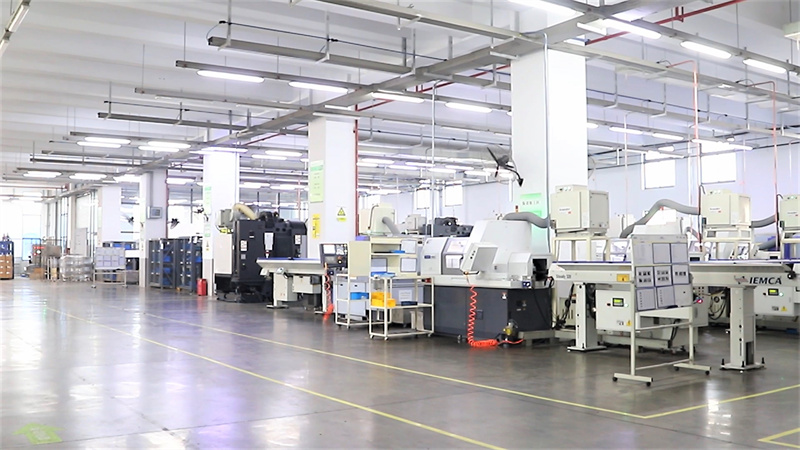
Operating under a strict ISO 13485 quality system, our facility employs advanced machining to guarantee device performance.
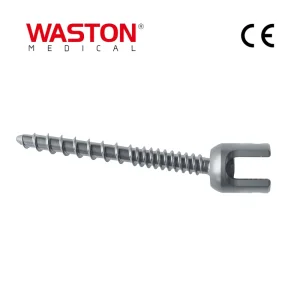
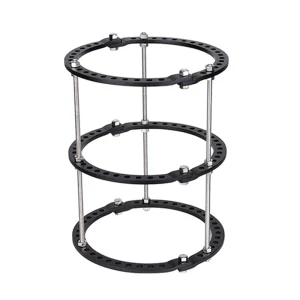
Every orthopaedic screw, multi-axial plate, and external fixator begins with certified, traceable medical-grade raw materials. We primarily machine implants from medical titanium alloy (Ti-6Al-4V ELI) and implant-grade PEEK. From bar stocks to finished devices, our materials undergo physical testing, chemical composition analysis, and mechanical tensile stress tests.
Our Quality Assurance system includes:
Mitigating compliance bottlenecks, quality variations, and lead-time constraints for international medical equipment distributors.
We understand that different patient demographics and surgical cultures require distinct instrumentation adjustments. Our design team continuously introduces 10 new products every month, and maintains a diverse selection of over 300 active models. We support minor customizations (such as specific anodization colors, custom laser markings, and customized sterile packaging configurations) to fit your market entry pathways.
European and North American distributors face regulatory challenges under the Medical Device Regulation (EU MDR) and US FDA paths. Sourcing from non-certified factories exposes companies to registration delays, custom seizures, and legal liabilities. We resolve this by aligning our design files, clinical evaluation protocols, and manufacturing validations with international compliance standards.
We provide full clinical registration dossiers, validated biological safety files, and batch-wise quality certificates. These document packages help streamline regulatory applications, enabling a smooth process from shipment arrival to surgical use.
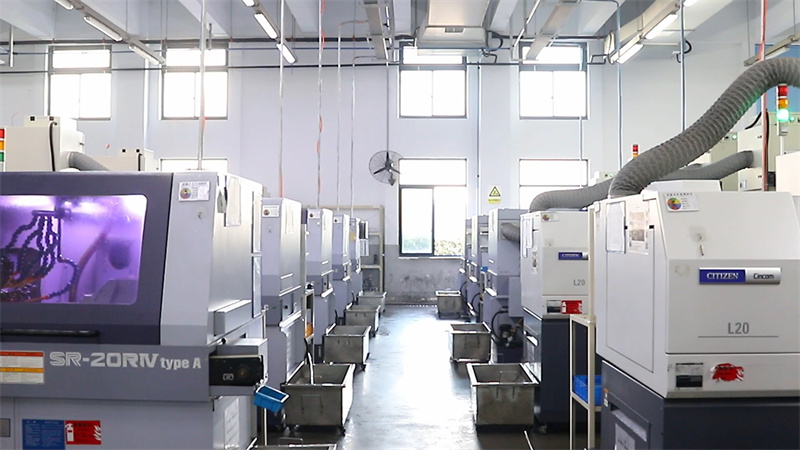
How we are investing in advanced R&D and manufacturing technologies to support next-generation orthopedic care.
Investing in bio-active coatings like Hydroxyapatite (HA) plasma spraying, micro-arc oxidation, and acid etching. These surface treatments enhance osteointegration and accelerate patient recovery.
Integrating medical-grade titanium 3D printing directly into our factory line. This facilitates complex, trabecular bone structures that mimic natural cancellous bone for superior bone ingrowth.
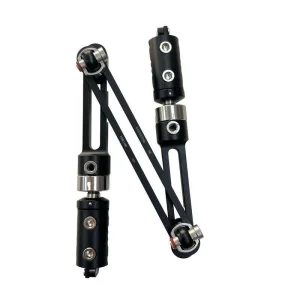
Replacing traditional stainless steel surgical retractor and spine frames with high-performance carbon-fiber composites. This enables radiolucency during intraoperative X-ray fluoroscopy.
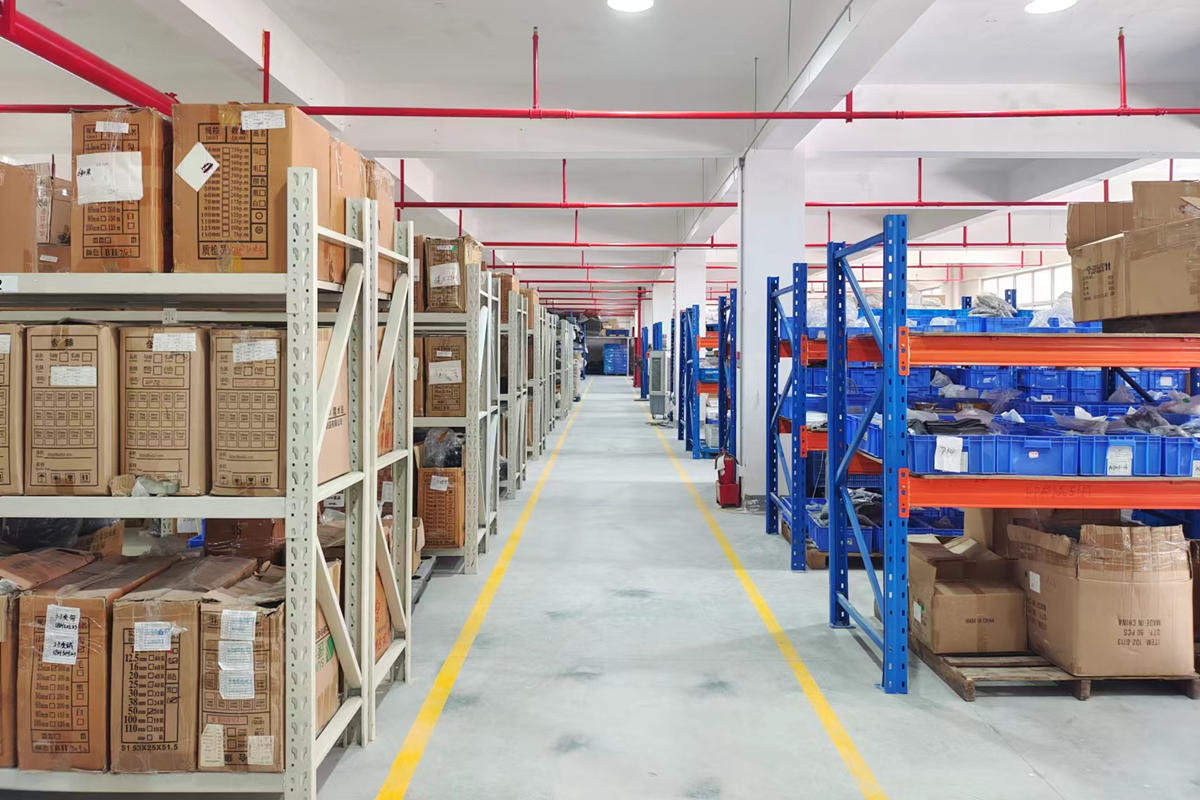
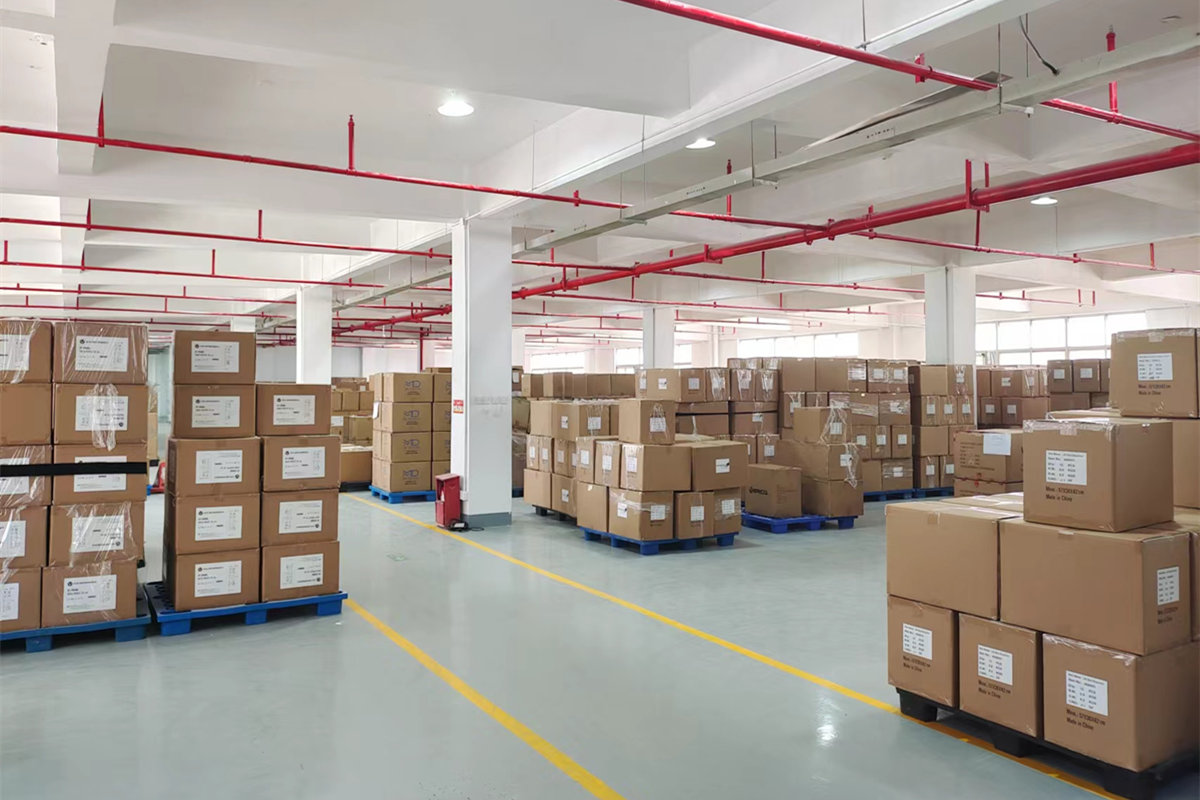
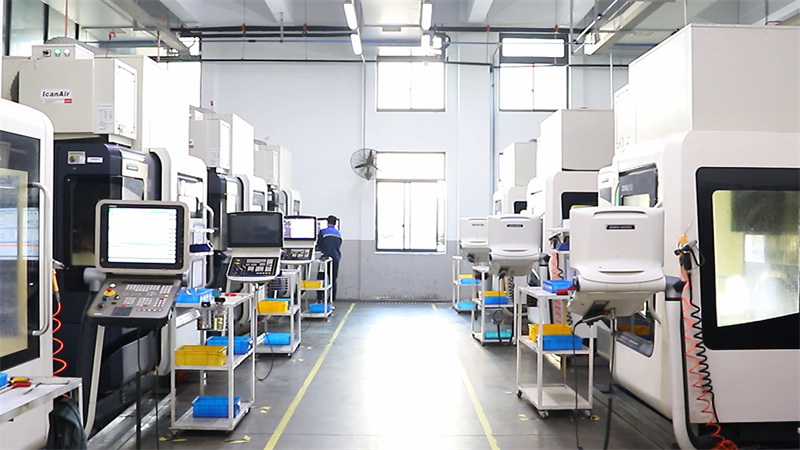
Inside our 15,000 m² precision orthopedic manufacturing plant.
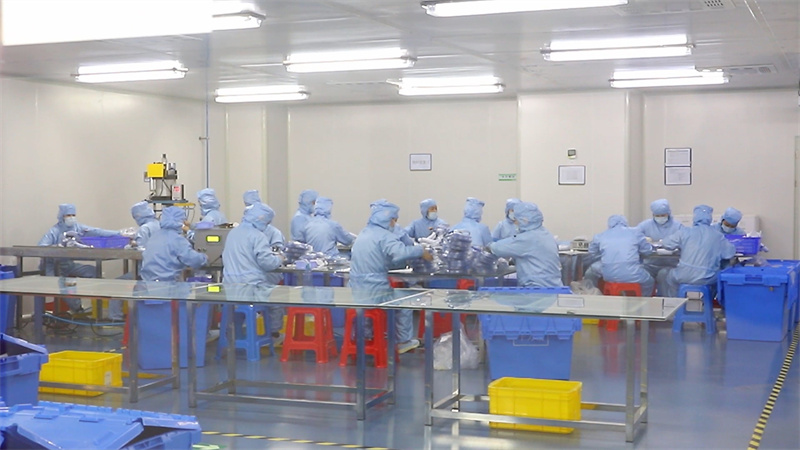
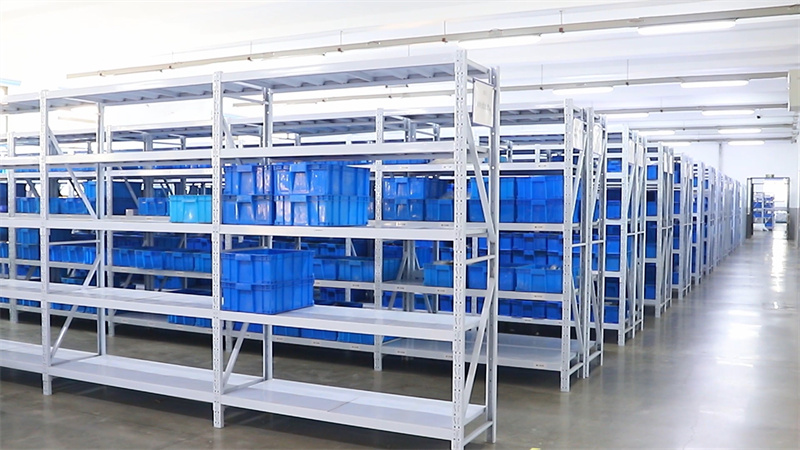
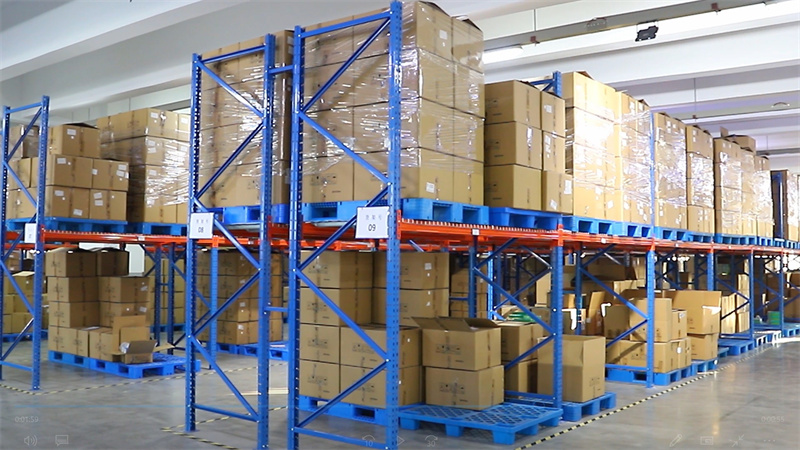
To ensure high satisfaction and maintain robust trust among our global distributors and healthcare facilities, we provide:
Find answers to key questions about orthopedic procurement, quality control, registrations, and logistics.
High-durability orthopedic instrumentation engineered for clinical safety and performance.