Grai Orthopedic Implants
Grai Orthopedic Implants
Grai Orthopedic Implants
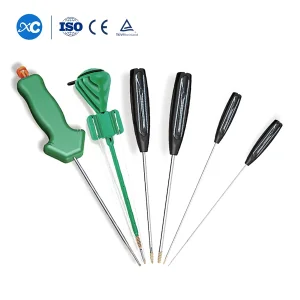
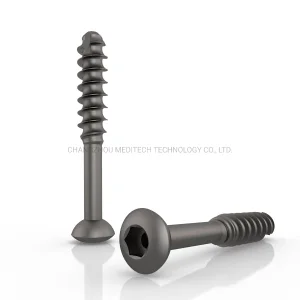
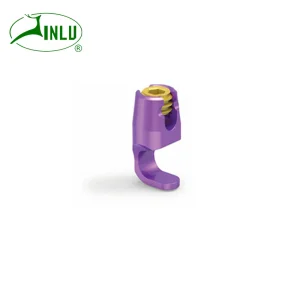
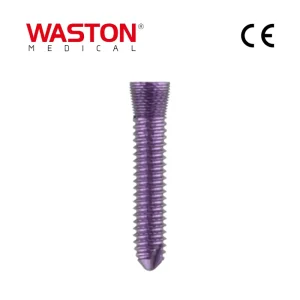
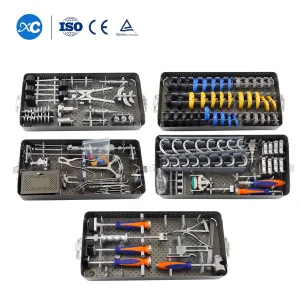
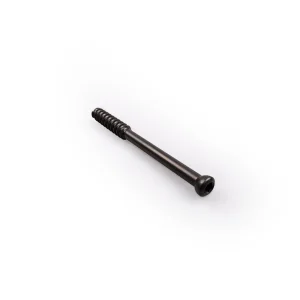
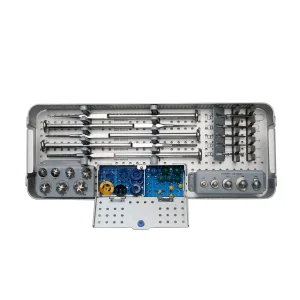
In the rapidly changing landscape of minimally invasive orthopedic surgeries, sports medicine has risen to the forefront of clinical and technical engineering. As global healthcare infrastructure expands, medical device distributors, sourcing managers, and hospital systems require direct cooperation with state-of-the-art manufacturing facilities. Selecting an OEM/ODM sports medicine products partner is no longer just a pricing decision; it is a complex verification process involving mechanical performance, raw material traceability, biological compatibility, and regulatory alignment.
This white paper explores the industrial structure of sports medicine manufacturing, detailing raw material advancements, domestic manufacturing advantages in China, strict quality assurance protocols, and the path to global commercialization.
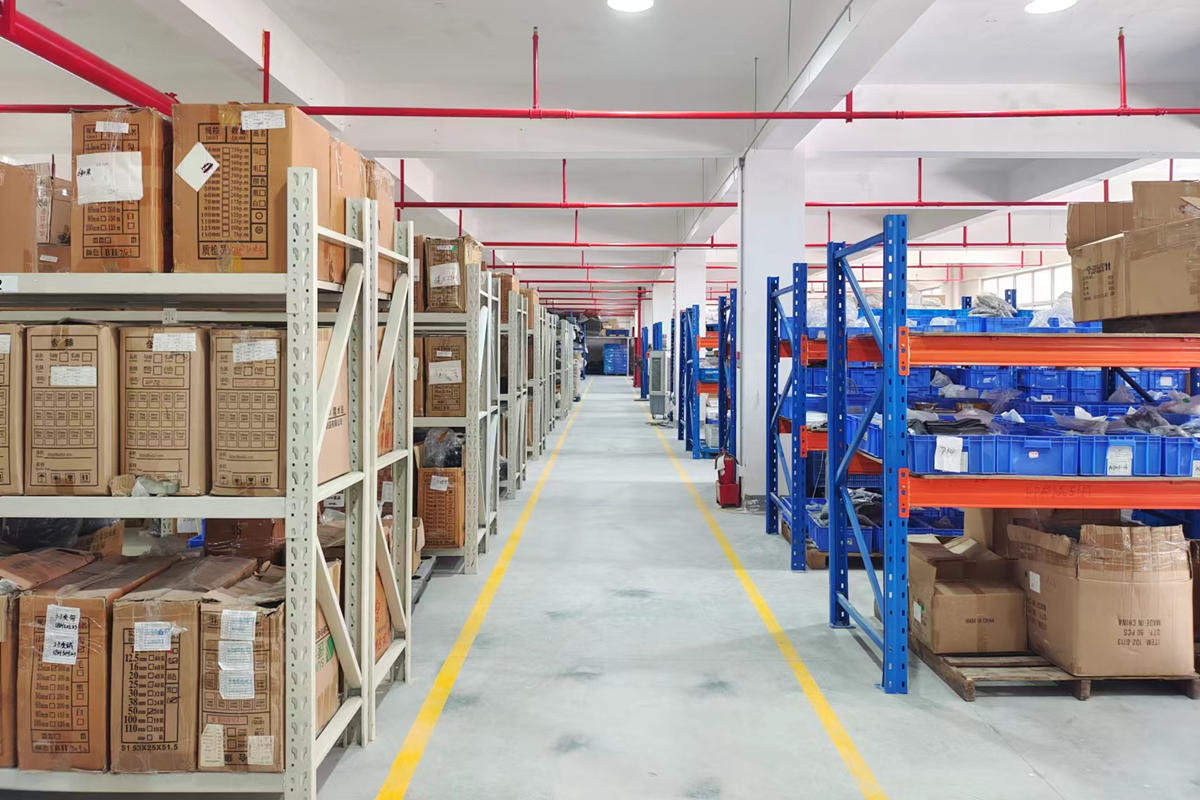
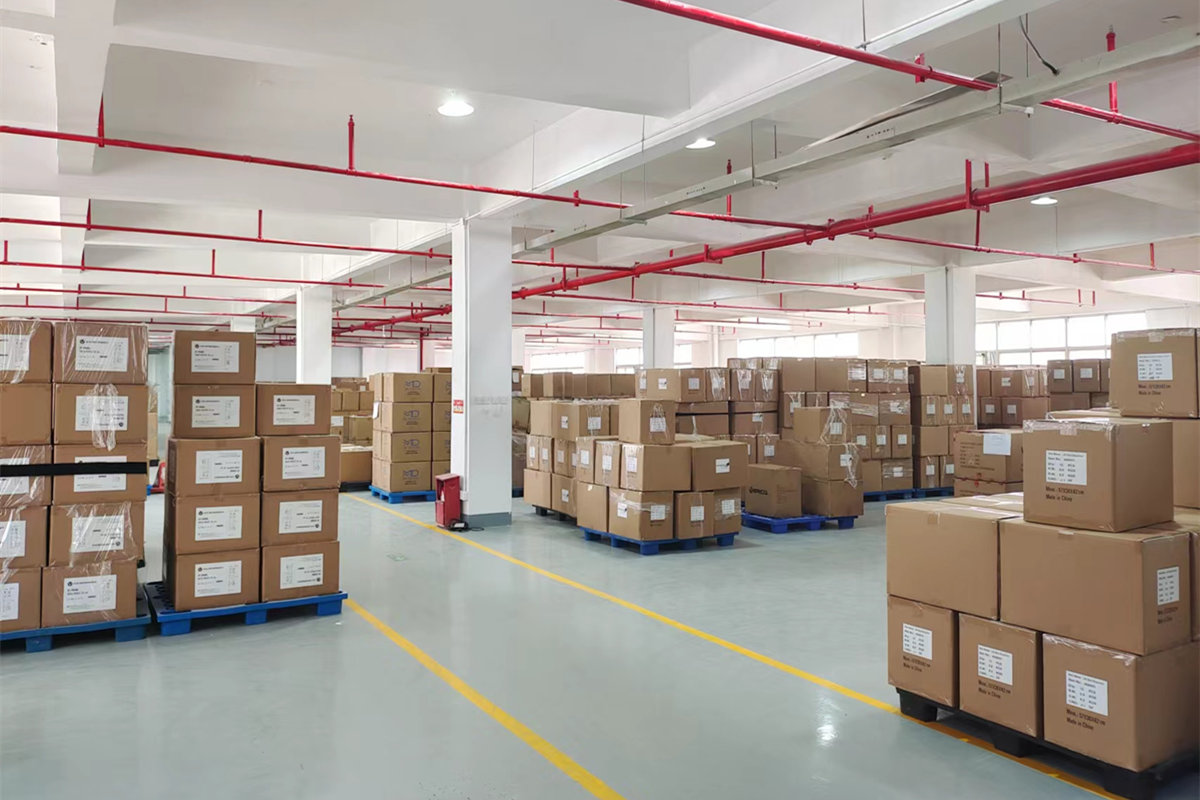
Modern medical device manufacturing clusters in China offer substantial supply chain advantages. Our integration of vertical supply systems enables consistent control of raw material inputs, surface modification technologies, and precise packaging processes. The resulting synergy yields several clear advantages:
By combining advanced mechanical design with materials science, we produce highly reliable implants designed for anatomical adaptation and long-term stability.
From raw materials to finished products, our QC system tracks every item via physical laser-etched barcodes. Material certification reports (MTRs) and chemical composition analyses are generated for every batch.
We process implantable polyetheretherketone (PEEK) to produce suture anchors and spinal cages. This polymer features an elastic modulus similar to cortical bone, reducing stress shielding.
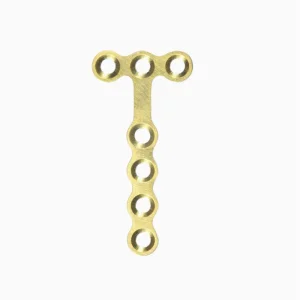
Low-profile plate and screw configurations minimize soft tissue irritation. They are designed using extensive osteological databases to ensure a close fit with anatomical contours.
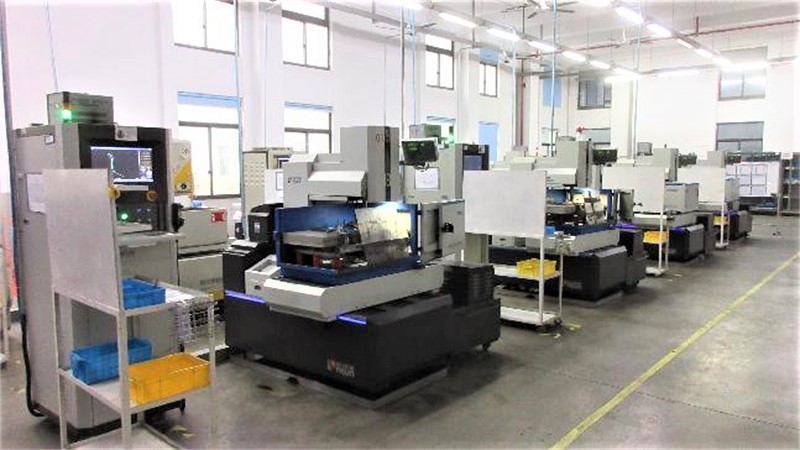
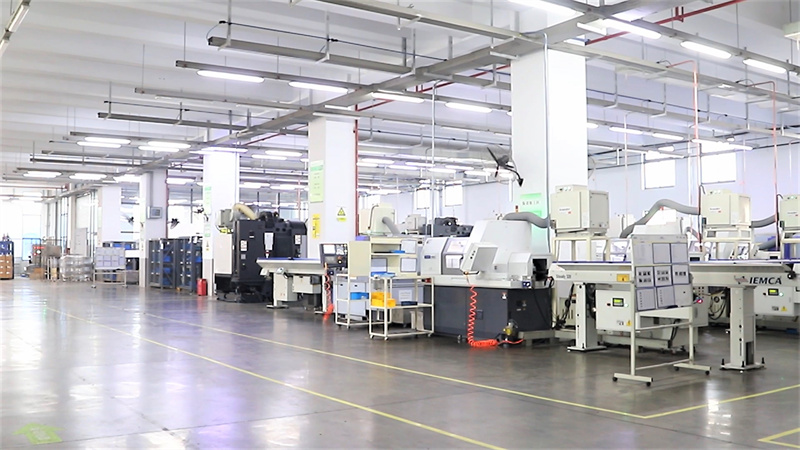
Our facility utilizes a comprehensive quality management system certified under ISO 13485 and BSCI. We maintain cleanrooms to class-standards for implant fabrication, surface preparation, and sterile barrier packaging. Our core manufacturing steps include:

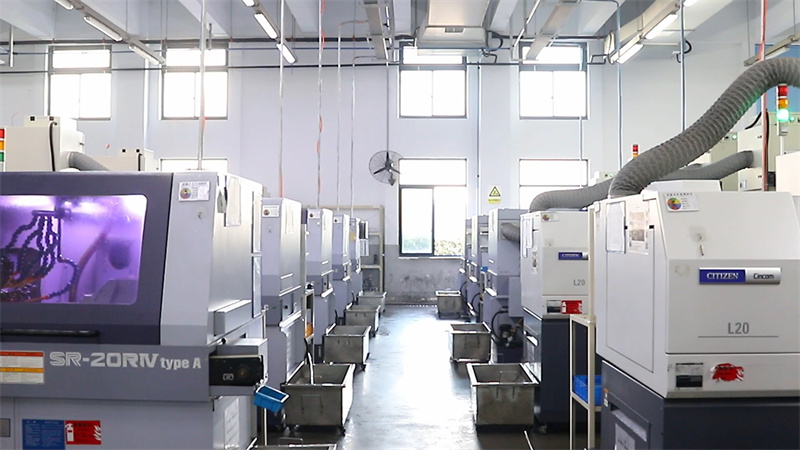
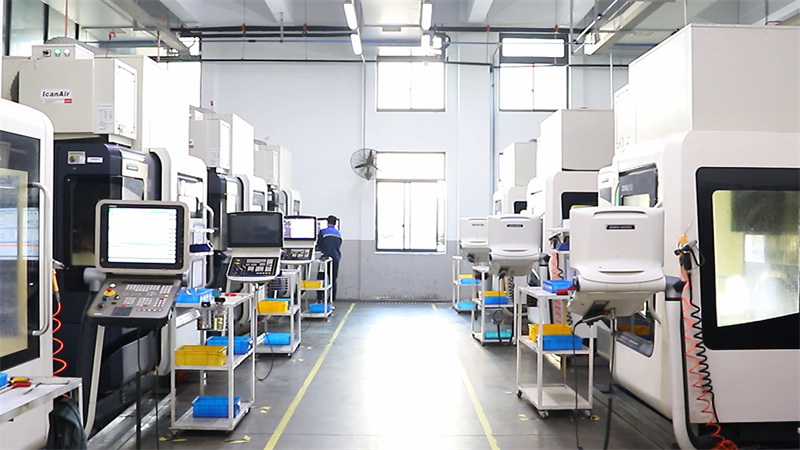
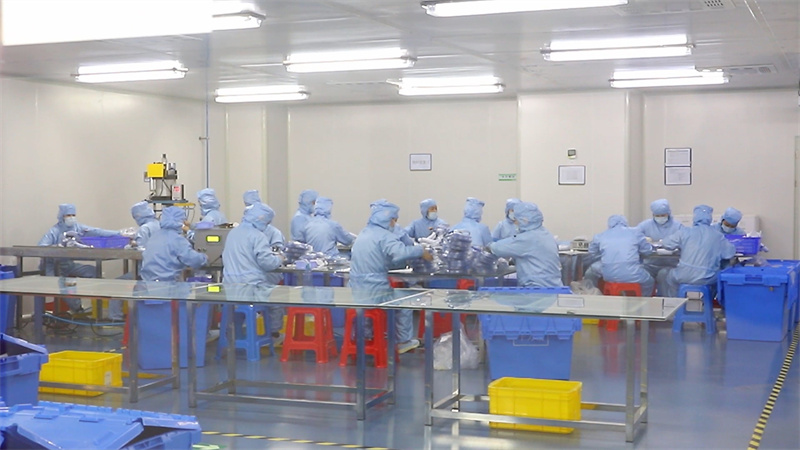
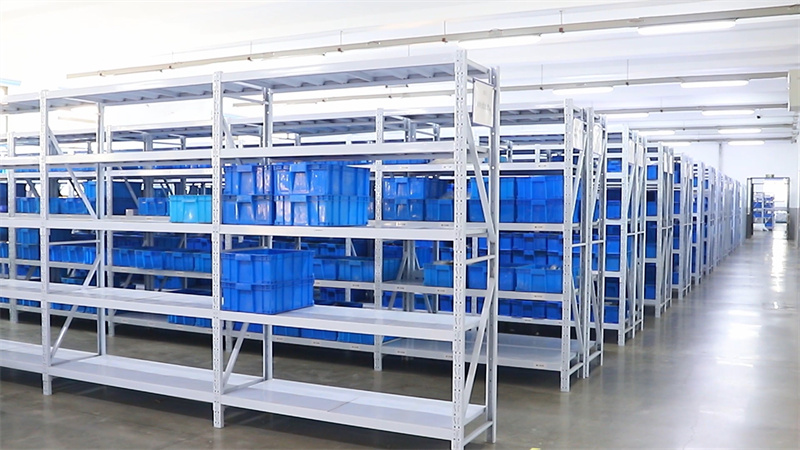
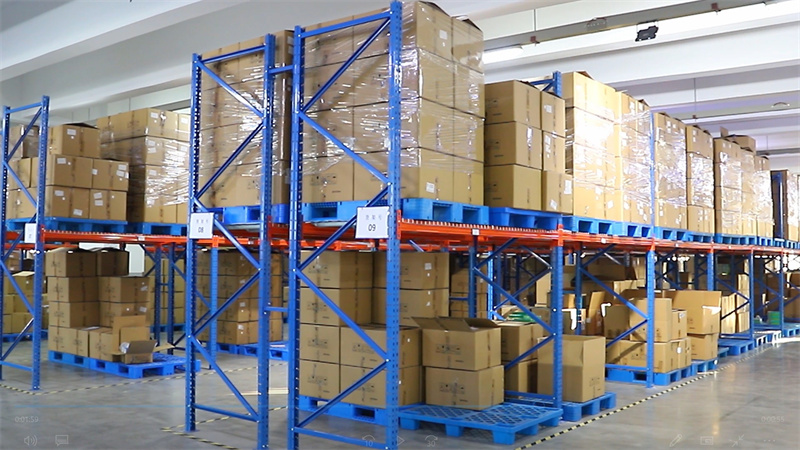
Distributors and medical OEMs face major hurdles when importing orthopedic implants, particularly regarding regulatory compliance, quality consistency, and supply chain delays.
We maintain a proactive approach to regulatory approvals, ensuring our products are certified with CE, MDR, and FDA. This alignment simplifies the registration process in European and North American markets. Our quality management system complies with ISO 13485, validating that every stage—from design transfer to final sterilization—conforms to international medical device directives.
Our implant designs undergo finite element analysis (FEA) to assess fatigue life and stress distribution. We utilize high-grade materials, such as implantable PEEK, which is valued for its biocompatibility and radiolucent properties in post-operative imaging. Every batch of raw material is tested for mechanical properties, grain size, and chemical composition before entering the production floor.
Our sports medicine and orthopedic implants are designed for a variety of clinical scenarios: