Grai Orthopedic Implants
Grai Orthopedic Implants
Grai Orthopedic Implants
Explore our advanced OEM orthopedic, trauma, and custom sterile surgical systems configured to meet rigorous international clinical protocols.
A strategic analysis of modern surgical draping technology, fluid dynamics, and infection control compliance in clinical healthcare environments.
In modern surgical theaters, the surgical site infection (SSI) is one of the most critical threats to patient outcomes and hospital operations. Surgical drapes are not merely passive fabric coverings; they constitute a highly engineered sterile barrier system. They act as the primary defense line preventing the migration of native skin microflora, airborne pathogens, and clinical fluids into active incisions. According to healthcare studies, implementing certified non-woven barriers reduces the risk of post-operative bacterial colonization significantly compared to reusable woven cotton alternatives.
As a leading OEM supplier, we focus on producing single-use surgical drapes that conform to EN 13795 and ANSI/AAMI PB70 liquid barrier standards. The design of our drapes integrates specialized fluid control pouches, integrated incise films, and instrument cable routing components to help operating room staff maintain an uncompromised aseptic field throughout complex clinical procedures.
Global procurement offices are shifting from buying standard off-the-shelf drapes to seeking specialized custom OEM medical kits. This change is driven by several macro-level trends:
Underpinned by strict cleanroom environments, material traceability systems, and verified clinical quality management processes.
Every roll of non-woven fabric, high-tack adhesive tape, and raw titanium alloy is recorded under a rigid digital batch-tracking protocol from primary source to finished product packaging.
Our experienced R&D department develops and introduces 10 new product designs every single month, keeping pace with surgical innovations and medical team feedback.
All products undergo rigorous inspection. We back our manufacturing reliability by offering free replacements within one year and providing comprehensive support for partner agencies.
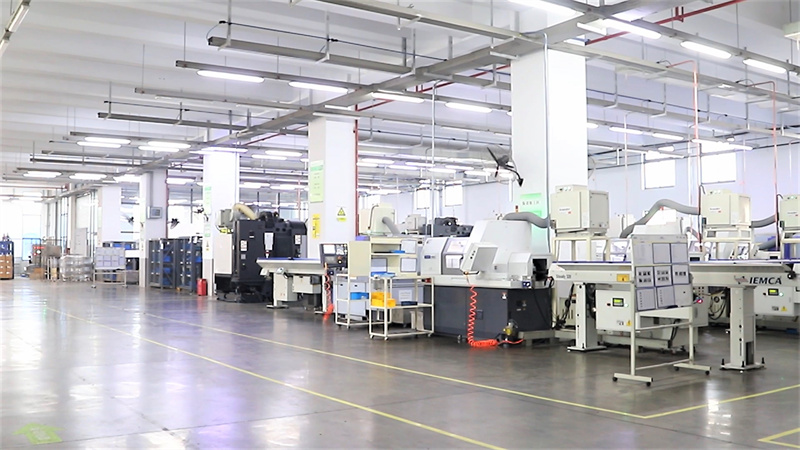
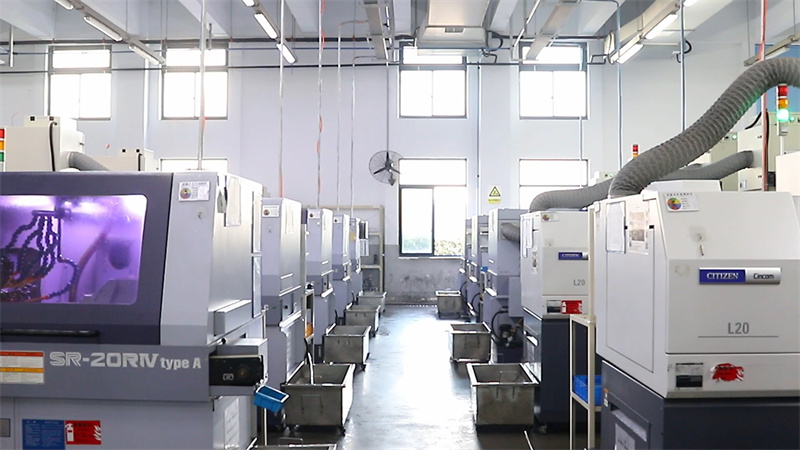
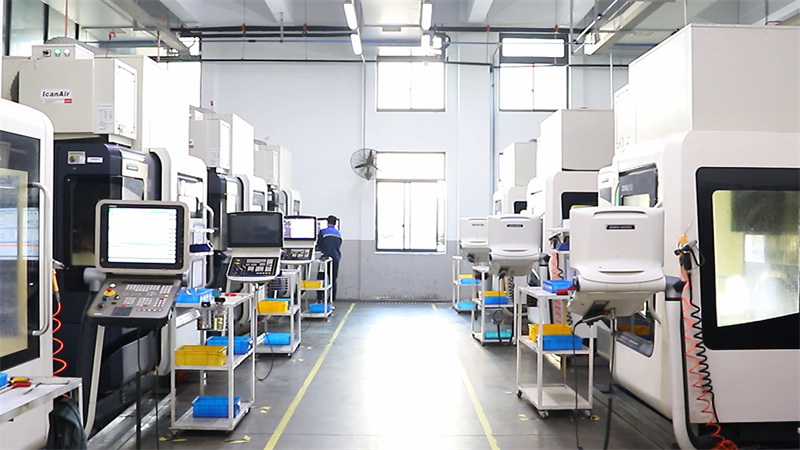
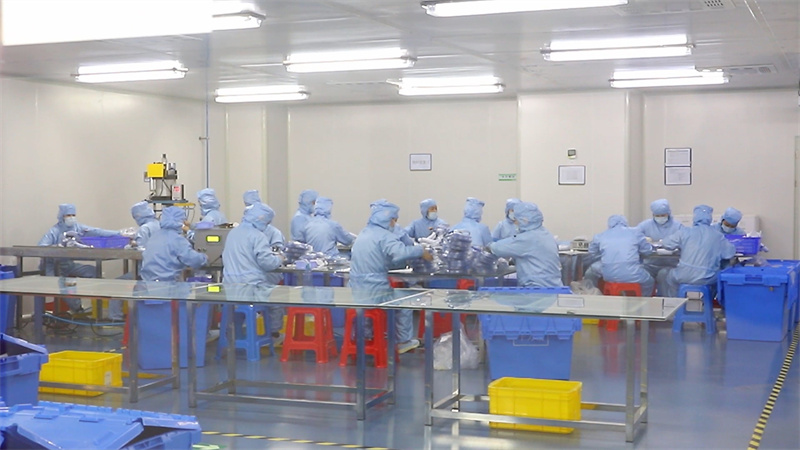
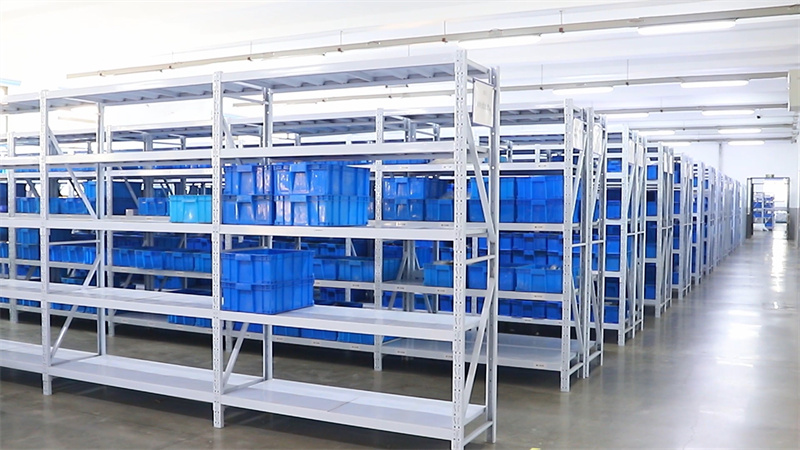
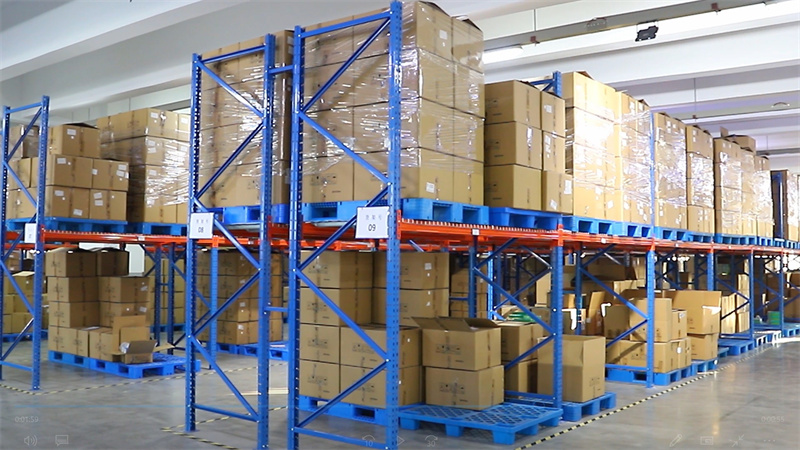
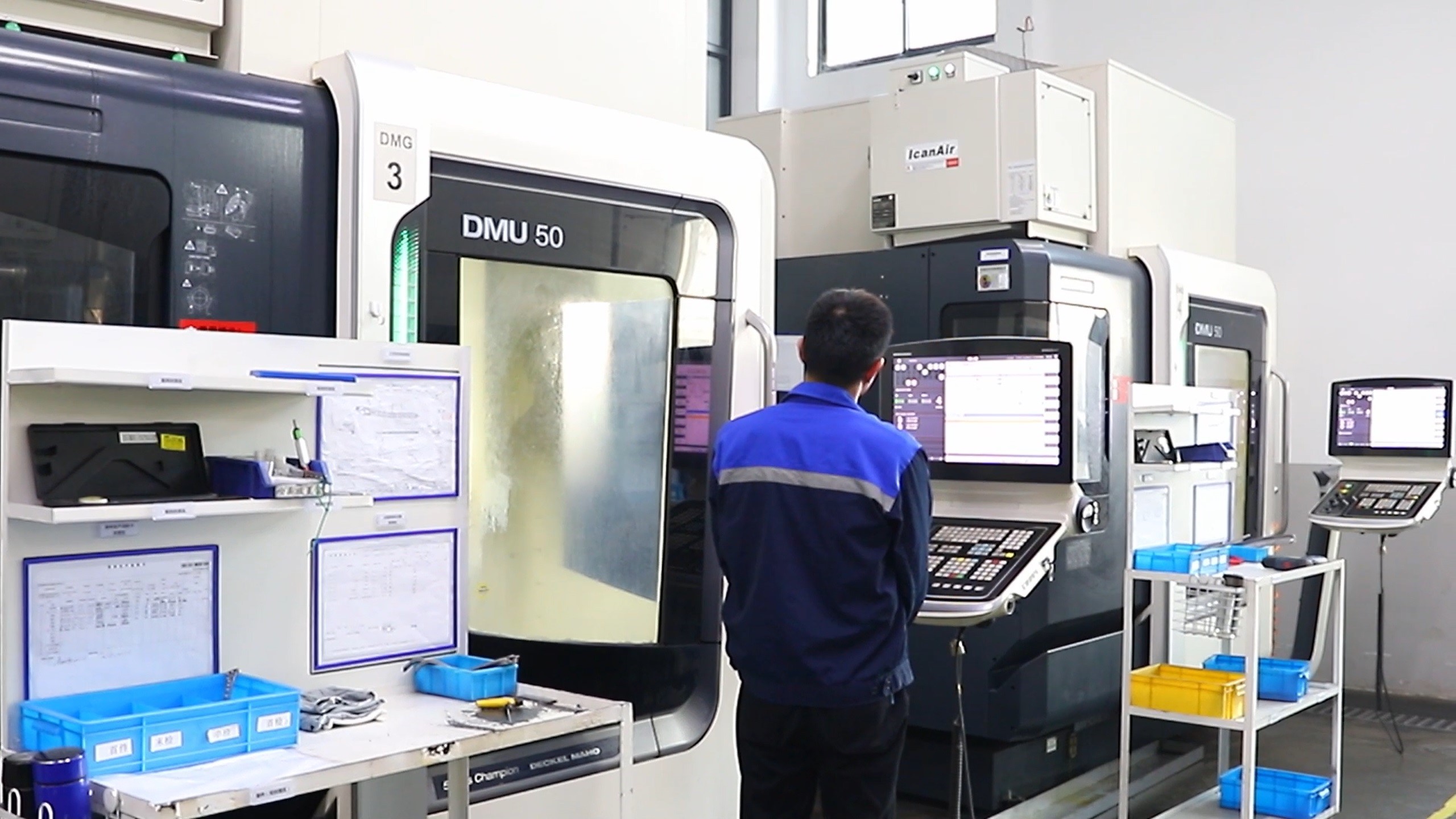
A visualization of our industrial medical manufacturing capability—including metal machining, wire cutting, carving, and sterilization packaging.

Cleanroom packaging and heat-sealing of sterile barrier medical kits.

Automated high-precision material feeding and tension regulation systems.
Accurate, glue-free ultrasonic welding of medical film to SMS backing.
High-precision processing for hardware, orthopedic fixation components, and pins.
Physical stress and seal-strength tests for clean medical packaging.
Precise cutting of surgical openings using skin-friendly adhesives.
Manual and optical inspection of items before final sterilization.
Applying permanent tracking codes and branding to orthopaedic implants.
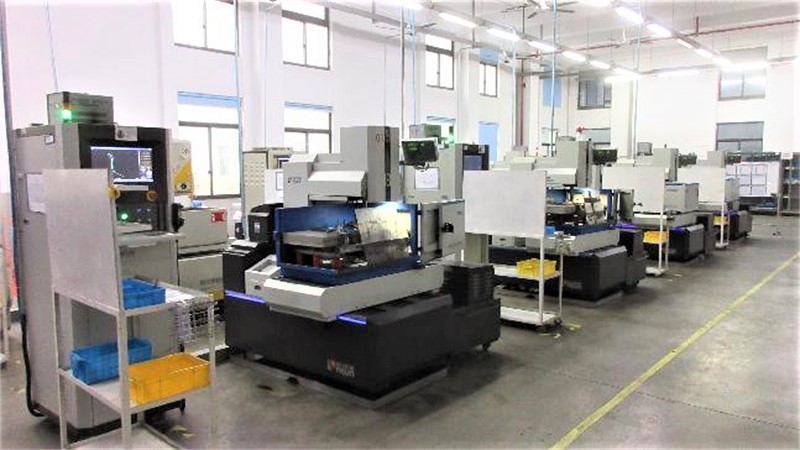
Precision micro-machining of surgical steel and titanium alloys.
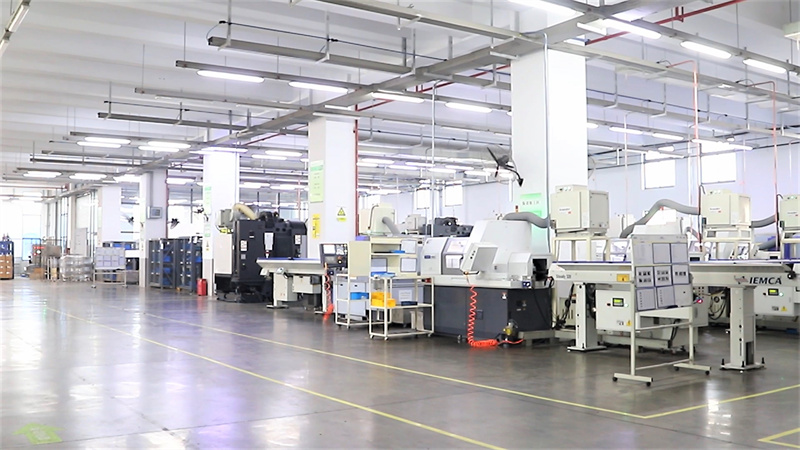
High-torque lathe machining of medical instrument components.
Advanced grinding and finishing processes for medical instruments.
Detailed technical specifications of barrier performance, fabric compositions, and regulatory verification.
We source premium Spunbond-Meltblown-Spunbond (SMS) and SMMS non-woven polypropylene fabrics to manufacture surgical drapes that balance barrier protection and breathability. Spunbond layers provide tensile strength and durability, while meltblown microfibers act as a filter to stop bacteria and liquid penetration.
Key technical criteria evaluated in our testing facility include:
Our OEM capabilities bridge the gap between high-precision orthopedic implants and sterile field setups. We design and deliver comprehensive custom procedure trays (CPTs) containing specific implants, instruments, and drapes designed for targeted clinical procedures like spinal fusion, arthroscopy, or joint replacement.
By delivering integrated implant kits along with optimized surgical drapes, we help medical institutions reduce surgical setup times, minimize packaging waste, and maintain strict aseptic compliance. Our engineering teams collaborate with hospital departments to customize drape sizes, tape types, and component positions to fit specific surgical protocols.
Innovations in medical sterile barriers and implant surface modifications for upcoming clinical applications.
Integrating antimicrobial properties into drape fibers and applying titanium plasma coatings to orthopedic implants to inhibit microbial biofilms at the surgical site.
Developing biodegradable non-woven fabrics that offer standard-compliant barrier performance while helping clinical institutions reduce medical waste.
Integrating UDI compliant QR codes and RFID labels directly onto surgical packs to streamline inventory management and sterile verification in hospitals.
Technical and regulatory queries answered by our medical manufacturing and quality assurance team.
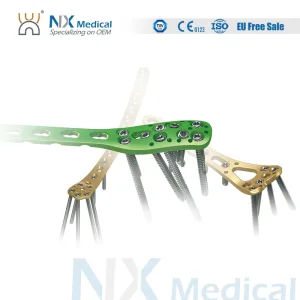
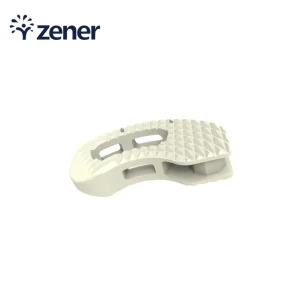
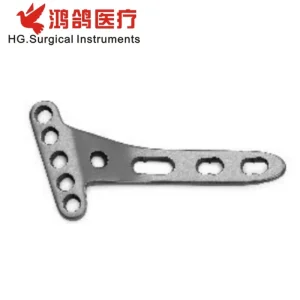
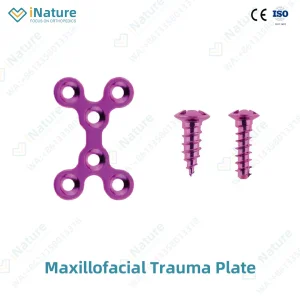
Explore our selection of locking plates, pedicle screws, and components designed to support sterile surgical setups and orthopedic clinical procedures.