Grai Orthopedic Implants
Grai Orthopedic Implants
Grai Orthopedic Implants
The global orthopedic implant market is witnessing a significant transformation, with Fibula Locking Plates emerging as a critical component in reconstructive surgery. As distal fibula fractures are among the most common ankle injuries encountered by surgeons worldwide, the demand for high-performance, anatomical fixation systems has skyrocketed.
In the current industrial context, the focus has shifted from basic structural support to bio-mechanical optimization. Leading factories are now utilizing advanced medical-grade Titanium alloys (Ti6Al4V ELI) and high-strength stainless steels to ensure long-term stability and minimize hardware prominence. This is particularly vital in the fibula, where the soft tissue envelope is thin, and patient comfort is directly tied to the plate's profile.
For global exporters and distributors, the "Top 10" status isn't just about volume; it's about the synthesis of precision CNC machining, surface treatment technologies like Type II anodization, and rigorous adherence to international regulatory standards such as the EU MDR and FDA 510(k).
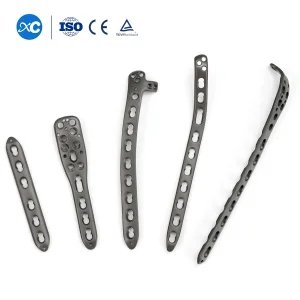
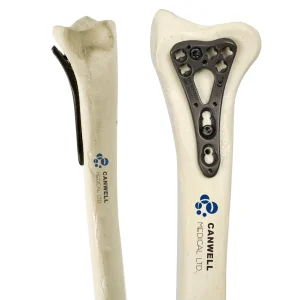
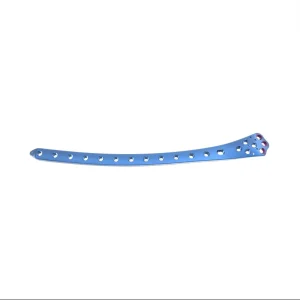
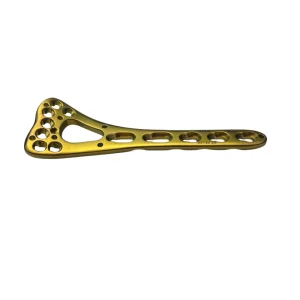
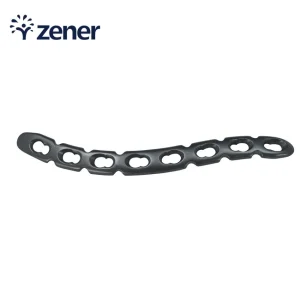
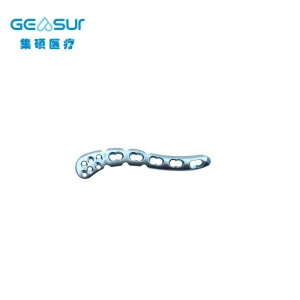
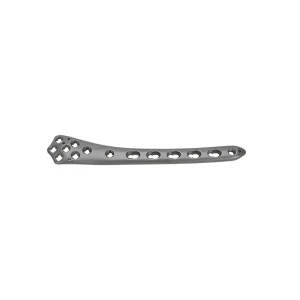
One of the most profound trends is the move toward Anatomically Pre-contoured Plates. Modern factories now use CT-data-driven design to ensure that the fibula locking plate fits the natural curvature of the bone without intraoperative bending. This reduces surgical time and prevents fatigue failure of the implant.
Furthermore, Variable Angle (VA) Locking Technology is revolutionizing how surgeons handle comminuted fractures. By allowing screws to be angled up to 15 degrees in any direction, VA systems provide customized fixation paths that avoid other implants or articular surfaces, a feature now standard among top-tier exporters.
Procurement teams from international hospitals and medical device distributors prioritize three pillars: Compliance, Supply Chain Resilience, and Biocompatibility. In regions like the EU, the transition from MDD to MDR has placed immense pressure on exporters. Only factories with robust clinical evaluation data and post-market surveillance systems can maintain their "Top 10" status.
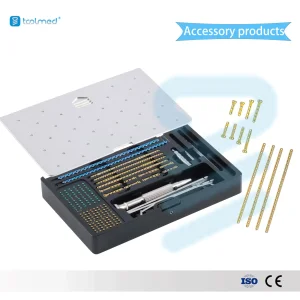
Localized application scenarios also dictate procurement needs. For instance, in aging populations (Japan, Europe), there is a higher demand for locking plates that perform well in osteoporotic bone. Conversely, in emerging markets, cost-efficiency and the availability of complete instrument sets are the primary drivers.
ASTM F136 Titanium or ISO 5832-1 Stainless Steel.
ISO 13485:2016, CE Mark, and FDA Registration.
Fast turnaround for trauma implants is non-negotiable.
As a leading Chinese orthopedic manufacturing hub, we offer a unique blend of high-tech production and economic scale. China has become the global center for medical-grade CNC processing, benefiting from an integrated supply chain that ranges from raw titanium smelting to sterilized packaging.
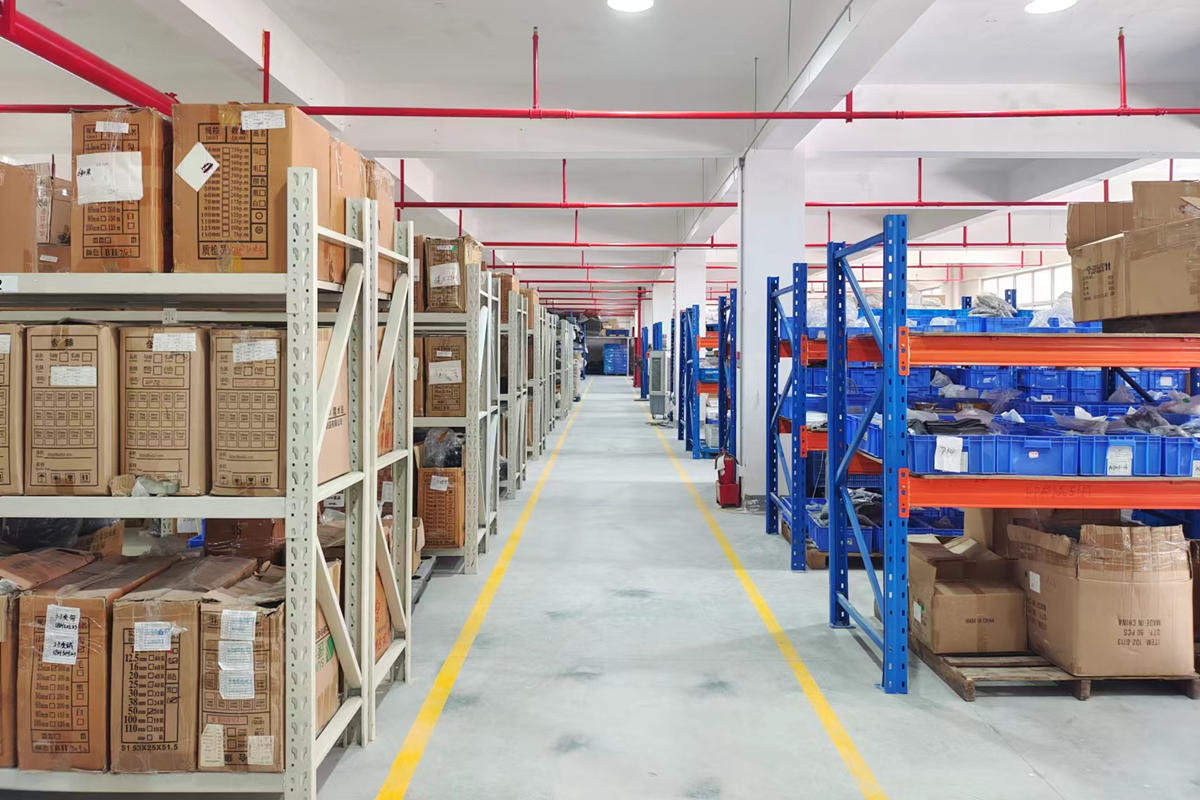
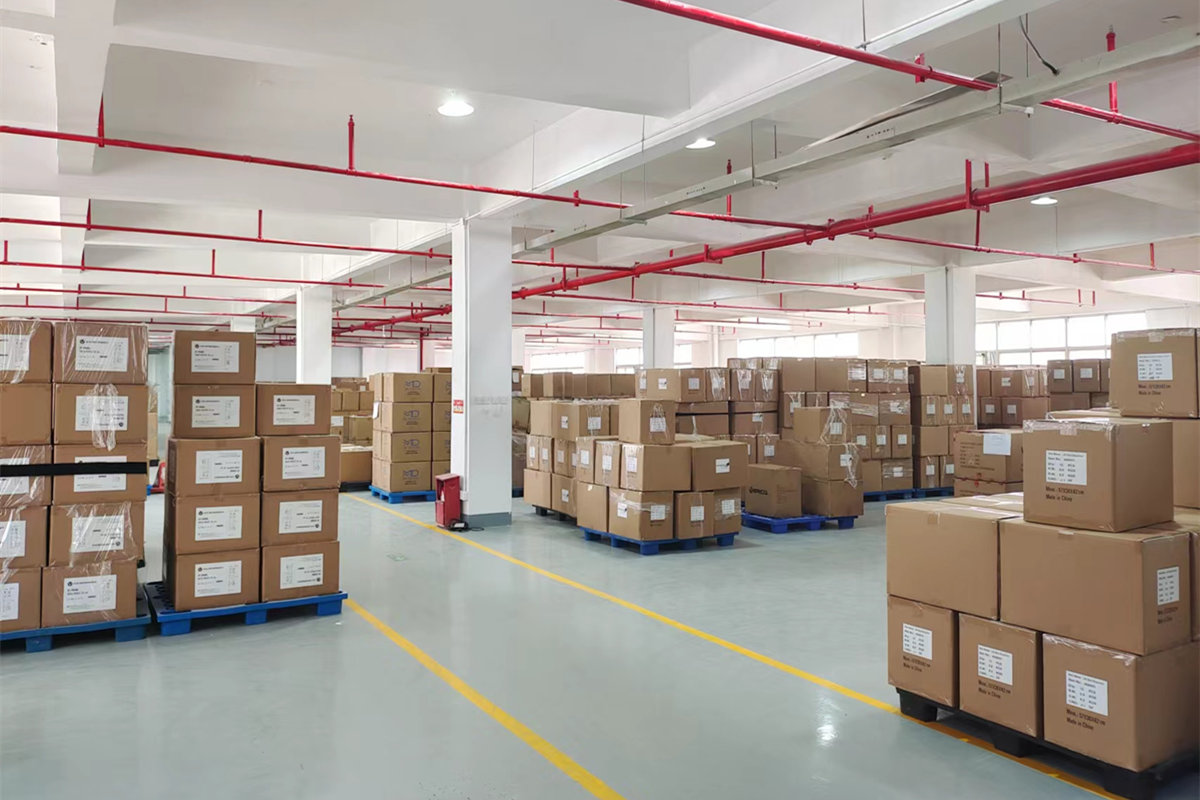
Factory Profile & Capabilities:
Our customer satisfaction policy includes a Free replacement within one year and proactive after-sales support with agency policy assistance.
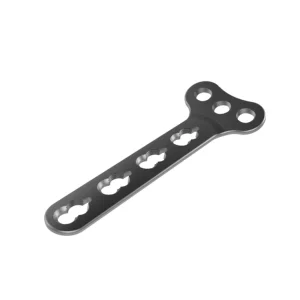
The distal fibula plays a critical role in the stability of the ankle mortise. When a fracture occurs, restoring the correct length and rotation of the fibula is paramount to preventing post-traumatic arthritis. This is where the engineering of a Locking Compression Plate (LCP) proves its worth. Unlike traditional plates that rely on friction between the plate and the bone, locking plates create a "fixed-angle construct."
This construct is biologically superior because it does not compress the periosteum, preserving the blood supply to the bone. For the fibula, which has a relatively tenuous vascular supply in some regions, this is a game-changer. Furthermore, the low-profile head of the distal fibula locking plate is designed to sit beneath the peroneal tendons without causing mechanical irritation or tenosynovitis.
The transition to Multi-axial or Variable Angle locking allows the surgeon to direct screws into the dense bone of the malleolus while avoiding the joint space. This is achieved through a specialized thread design in the plate holes and a hardened screw head that "locks" into the plate at the desired trajectory.
From a manufacturing standpoint, this requires Swiss-type lathes and 5-axis machining centers to ensure the intricate threads of the locking holes are perfectly consistent. Any deviation can lead to "cold welding" or cross-threading during surgery, which are significant complications. Our factory utilizes high-precision Japanese and German machinery to maintain tolerances within microns.