Grai Orthopedic Implants
Grai Orthopedic Implants
Grai Orthopedic Implants
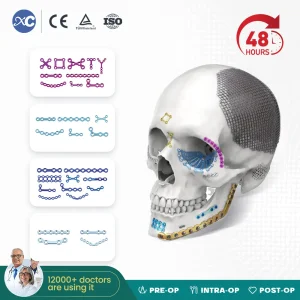
The global Mandible Locking Plate market is currently experiencing a transformative era, driven by the increasing incidence of maxillofacial trauma and the rising demand for reconstructive surgeries. As surgical techniques evolve, the industry has shifted from traditional non-locking systems to advanced locking compression plate (LCP) technologies. These systems provide superior stability by creating a fixed-angle construct, which is crucial for the complex biomechanical environment of the lower jaw.
In developed regions like North America and Europe, the adoption of 3D-planned patient-specific implants (PSIs) is a dominant trend. However, globally, the standardized titanium locking plate remains the gold standard due to its versatility, cost-effectiveness, and proven clinical outcomes. Manufacturers are now focusing on low-profile designs to minimize soft tissue irritation while maintaining the structural integrity required for early mobilization of the jaw.
While Titanium Grade 5 remains dominant, research into magnesium-based bio-resorbable locking plates is gaining momentum to eliminate the need for second surgeries for implant removal.
Integration of CAD/CAM workflows allows surgeons to pre-bend plates or select optimal locking plate sizes based on virtual 3D models of the patient's mandible.
Modern manufacturers are producing "anatomically pre-contoured" plates that significantly reduce the time required for intraoperative bending and adjustment.
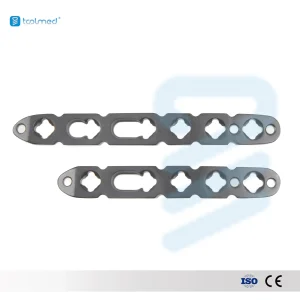
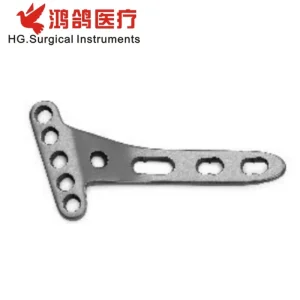
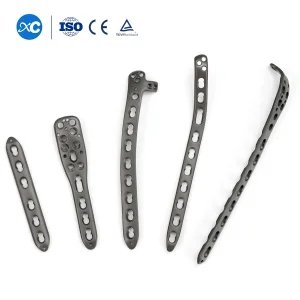
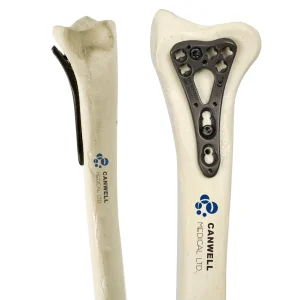
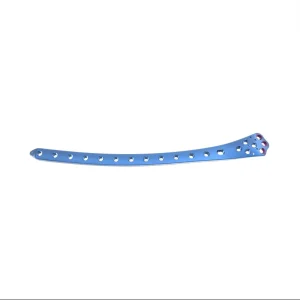
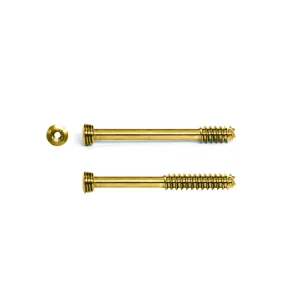
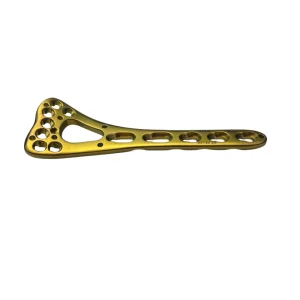
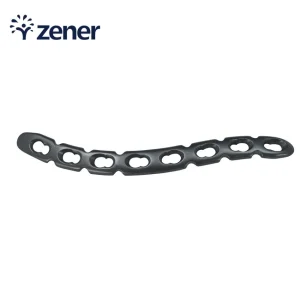
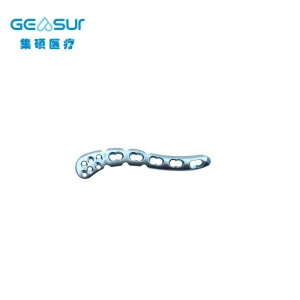
Our Titanium Distal Lateral Radius Locking Plate (and its mandible counterparts) utilizes a unique locking mechanism that ensures the screw head is mechanically locked into the plate. This prevents "screw back-out" and maintains the reduction even under the high functional loads of mastication.
As a leading mandible locking plates manufacturer, we emphasize the "internal fixator" principle. By not requiring the plate to be pressed tightly against the bone, we preserve the periosteal blood supply, which is critical for rapid bone healing and reducing the risk of infection in CMF surgeries.
View Technical SpecsThe landscape of global medical procurement is shifting toward high-value, high-compliance manufacturing hubs. As a premier Chinese factory, we offer a unique blend of industrial scale and precision engineering. Our facility is certified with ISO13485 and BSCI, ensuring that every Mandible Locking Plate meets the stringent requirements of the CE MDR and FDA regulations.
Strict quality control processes and raw material traceability identification. Semi-product and finished product inspections are performed by our 10-person dedicated QC team.
With 8 senior engineers, we offer "Minor Customization" services. Whether it's a specific plate length or a unique screw pitch, our R&D team can prototype and test within weeks.
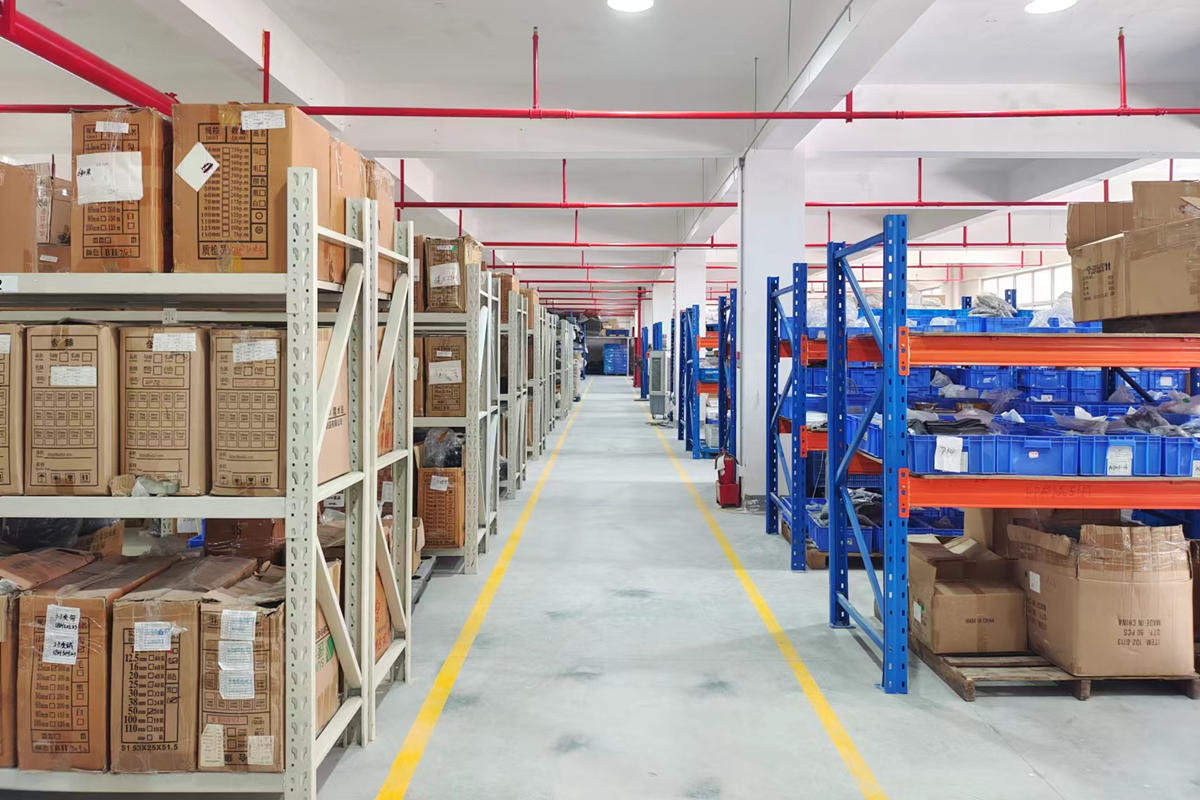
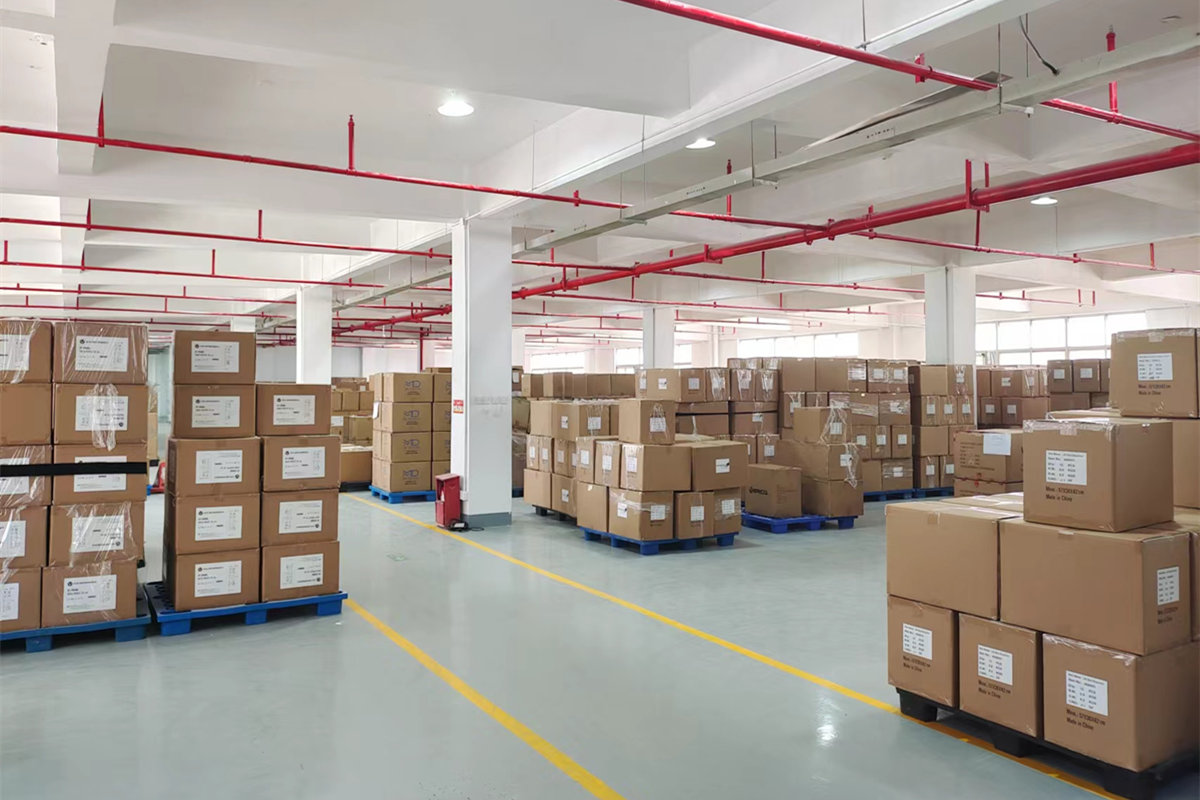
Our 15,000 m² facility houses 500 employees, allowing for massive production capacity. We help global distributors reduce their lead times and optimize their inventory turnover.
Direct From Factory: We provide free replacements within one year and comprehensive after-sales support with agency policy assistance to ensure our partners grow alongside us in the competitive orthopedic market.
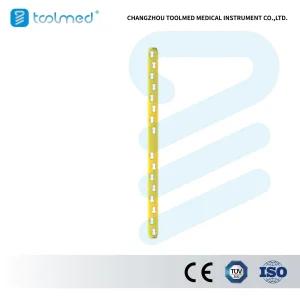
Mandible locking plates are not "one size fits all." Different clinical scenarios require specific plate geometries:
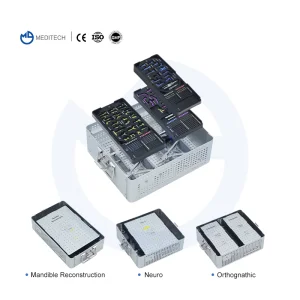
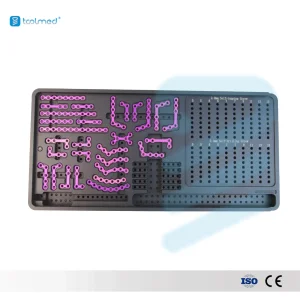
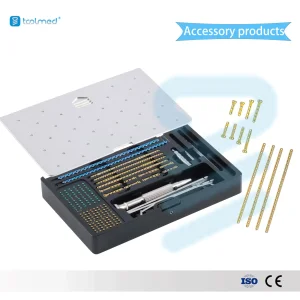
Our Titanium Maxillofacial Orthopedic Set is a comprehensive solution designed for the complex needs of trauma centers. Each set contains an array of mini-locking plates, mesh, and specialized screws, all organized for rapid intraoperative access.
By providing a complete system, we help hospitals streamline their procurement and ensure instrument-implant compatibility, which is vital for reducing surgical complications and improving the surgeon's experience.
Explore the SetFactory covers an area of 15,000 m², Factory certified with ISO13485, and BSCI, Products certified with CE, MDR, and FDA, 500 employees, including 8 senior engineers, and 10 QC, Minor Customization, Raw material traceability identification, Semi product and finished product inspection.
Strict quality control processes and raw material traceability. Advanced laboratory facilities for comprehensive testing.
Over 300 different models available. 10 new products introduced every month by our experienced R&D team. Customizable designs and packaging to meet your specific needs.
Free replacement within one year. After-sales support with agency policy assistance.
The mandible is the only mobile bone in the facial skeleton and is subject to complex masticatory forces. Therefore, the internal fixation of mandibular fractures and osteotomies requires more than just holding the bone in place; it requires absolute or relative stability depending on the fracture type. The introduction of locking plate technology has revolutionized this field.
Unlike traditional plates where stability depends on the friction between the plate and the bone surface, locking plates feature threaded screw holes. The screw head threads into the plate, making the plate and screw a single unit. This "locked" system means that the screws do not need to compress the plate onto the bone, which is a major advantage in maintaining the anatomical contour of the mandible. For distributors looking for a mandible locking plates supplier, understanding these technical nuances is key to serving surgical professionals effectively.
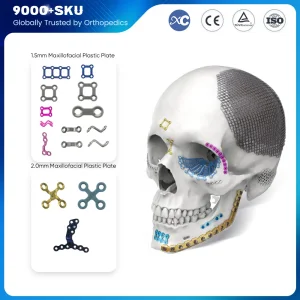
When global hospitals and purchasing departments evaluate suppliers, they typically look for several key metrics. First is Biocompatibility: Only medical-grade Titanium (Grade 4 or Grade 5 ELI) should be used to ensure long-term implant safety. Second is the Low-Profile Design: In the maxillofacial region, there is very little soft tissue cover. A plate that is too thick will be palpable and may lead to skin breakdown. Our plates are designed with rounded edges and ultra-low profiles to combat these issues.
Furthermore, the Variable Angle (VA) capability is becoming a standard requirement. VA locking allows the surgeon to angle the screw by up to 15 degrees while still locking it into the plate. This is incredibly helpful when avoiding dental roots or nerve bundles during screw placement. As a factory with deep R&D capabilities, we incorporate these advanced features into our standard product lines, providing our partners with a competitive edge in their local markets.
In conclusion, the role of a top mandible locking plates manufacturer is to bridge the gap between complex surgical requirements and industrial manufacturing precision. By focusing on quality control, anatomical accuracy, and innovative materials, we continue to support the global medical community in restoring function and aesthetics to patients with mandibular injuries.