Grai Orthopedic Implants
Grai Orthopedic Implants
Grai Orthopedic Implants
The global orthopedic implants market is projected to reach USD 65 billion by 2028. Aging populations and the rise in sports injuries are primary drivers for joint reconstruction and trauma fixation solutions.
From medical-grade Titanium alloys to PEEK (Polyetheretherketone), the industry is moving towards bio-compatible materials that promote faster osseointegration and reduce revision surgeries.
AI-integrated surgical planning and 3D-printed patient-specific implants are revolutionizing how surgeons approach complex bone fractures and degenerative diseases.
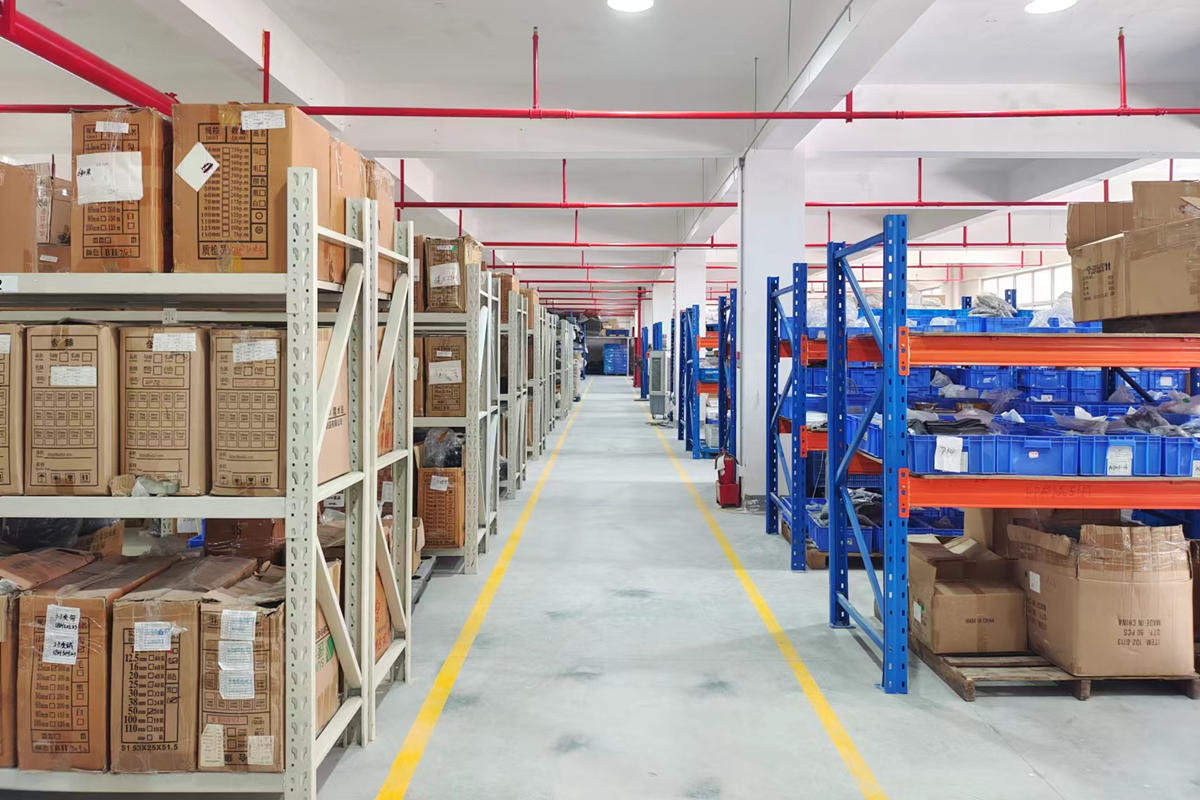
Industrial Trend Note: As a Top 10 Orthopedic Implants Factory, we stay at the forefront of these shifts, integrating Smart Manufacturing (Industry 4.0) into our 15,000m² facility to ensure precision in every screw and plate.
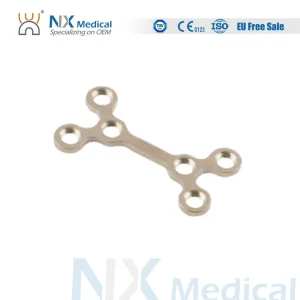
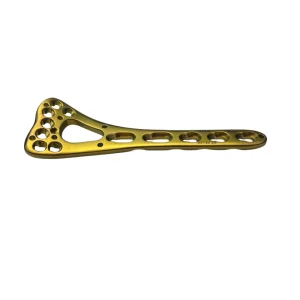
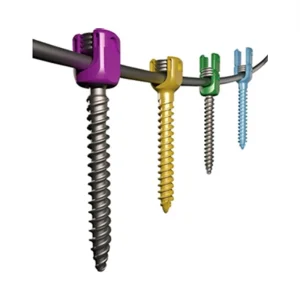
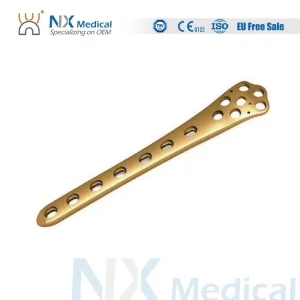
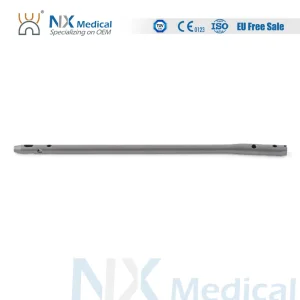
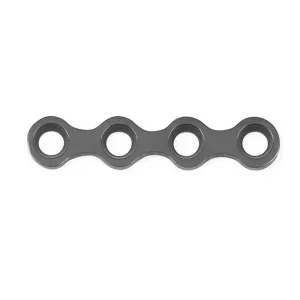
In the current industrial climate, orthopedic implants are no longer just mechanical fixations; they are high-tech medical devices requiring extreme precision. Manufacturers are increasingly adopting Variable Angle (VA) Locking Compression Plate (LCP) systems, which allow surgeons to direct screws into specific bone fragments with greater flexibility. Our factory specializes in these advanced systems, ensuring that clinics and hospitals worldwide have access to the same level of technology used in top-tier medical institutions.
Leveraging China's robust industrial supply chain, we provide high-end medical solutions that balance cost-efficiency with uncompromising quality.
Advanced Production Facility
Professional Employees
Innovative Models Available
Procurement departments in modern hospitals and medical distributors have moved beyond just looking at the price. The focus today is on long-term stability, material purity, and surgical ease-of-use.
From the bustling orthopedic clinics in Europe requiring MDR-compliant trauma plates to the growing healthcare sectors in Southeast Asia and Latin America needing reliable intramedullary nails, the demand for localized support is high. Our export services include:
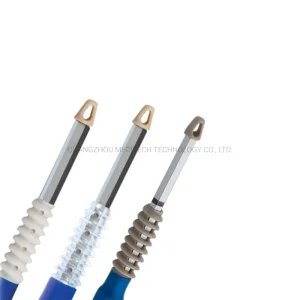
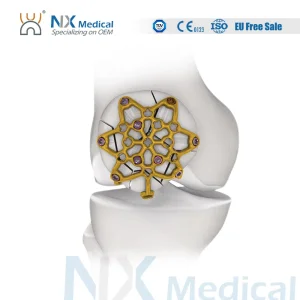
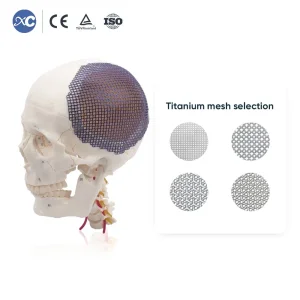
We are pioneers in utilizing PEEK for suture anchors and maxillofacial systems. Unlike traditional metal, PEEK offers radiolucency, allowing surgeons to view the healing process via X-ray without metal interference. Furthermore, our Titanium Mesh implants for neurosurgery provide the necessary structural support for cranial reconstruction while maintaining bio-inert properties.
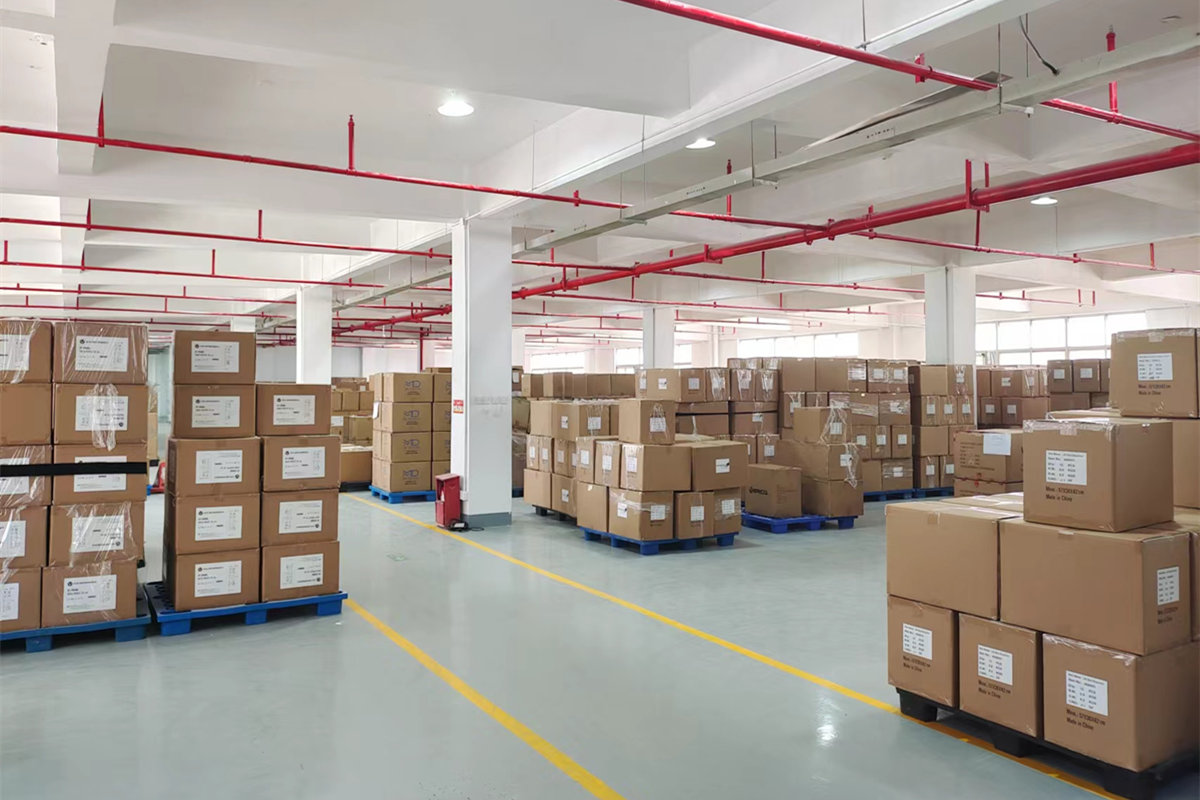
As we look toward 2030, several trends will define the Top 10 Orthopedic Implants Factories globally:
Development of smaller, more robust fixators and nails that allow for smaller incisions, reducing patient recovery time and infection risks.
Research is underway for implants with embedded sensors that can monitor bone healing and detect early signs of infection or mechanical failure.
Green manufacturing processes in medical device production, reducing waste in the casting and milling of titanium components.
The "Made in China" label for medical devices has transitioned into a "Created in China" era. By combining high-speed production with rigorous international certifications (MDR, FDA), Chinese factories like ours offer a competitive edge that is difficult to replicate elsewhere. We provide the full vertical integration—from raw material traceability to the final sterilized product—giving global buyers peace of mind.
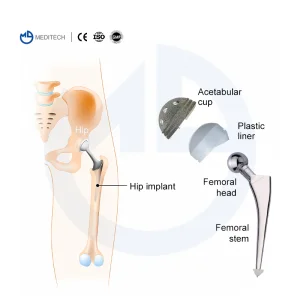
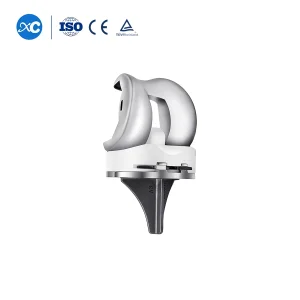
Whether it's the complex reconstruction of a hip joint or the delicate fixation of a cranial fracture, our orthopedic implants provide the reliability surgeons need and the quality patients deserve. As a leading Top 10 Orthopedic Implants Factory & Exporter, we continue to push the boundaries of what's possible in medical manufacturing.