Grai Orthopedic Implants
Grai Orthopedic Implants
Grai Orthopedic Implants
The global orthopedic trauma devices market is witnessing an unprecedented surge, with Large Fragment Instrument Sets playing a pivotal role in treating fractures of major long bones such as the femur, tibia, and humerus. As the aging population increases worldwide, the demand for reliable, high-precision surgical tools has skyrocketed. In developed markets like North America and Europe, the shift toward minimally invasive surgeries (MIS) is driving innovation in instrument design, while emerging economies in Asia and Latin America are focusing on expanding access to high-quality, cost-effective orthopedic care.
Modern surgery is no longer just about mechanical stabilization; it is about biological optimization. We are seeing a transition from traditional stainless steel instruments to advanced titanium alloys and PPSU (Polyphenylsulfone) sterilization boxes that offer superior durability and heat resistance. The integration of AI-assisted surgical planning and robotic-compatible instrument sets is the next frontier. As a leading manufacturer, we stay ahead by incorporating ergonomic designs that reduce surgeon fatigue and improve intraoperative efficiency.
Global procurement teams now prioritize traceability and compliance. With MDR (Medical Device Regulation) in Europe and FDA requirements in the US, factories must demonstrate rigorous quality control from raw material to finished product.
Our 15,000 m² facility is equipped with state-of-the-art CNC machining centers, ensuring every screw and plate in our Large Fragment sets meets micron-level tolerances.
ISO13485, BSCI, CE, MDR, and FDA certifications are not just labels; they are our commitment to global patient safety and regulatory compliance.
With 8 senior engineers and 10 QC specialists, we introduce 10 new products monthly, keeping our partners at the forefront of orthopedic technology.
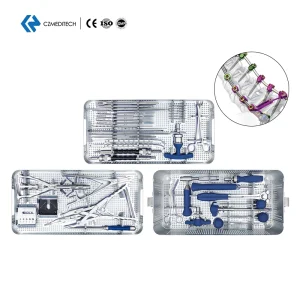
Large Fragment Instrument Sets are utilized across diverse clinical settings. In Level-1 Trauma Centers, speed and reliability are paramount; our quick-coupling handles and intuitive tray layouts allow for rapid instrument identification. In Outpatient Surgery Centers, the emphasis is on compact, versatile sets that cover multiple fracture types, reducing the need for extensive inventory.
We provide minor customization for regional anatomical differences, ensuring that our plates and nails fit the diverse bone morphologies of patients across Asia, Africa, and the Americas. This localized approach has made us a preferred exporter for international medical distributors.
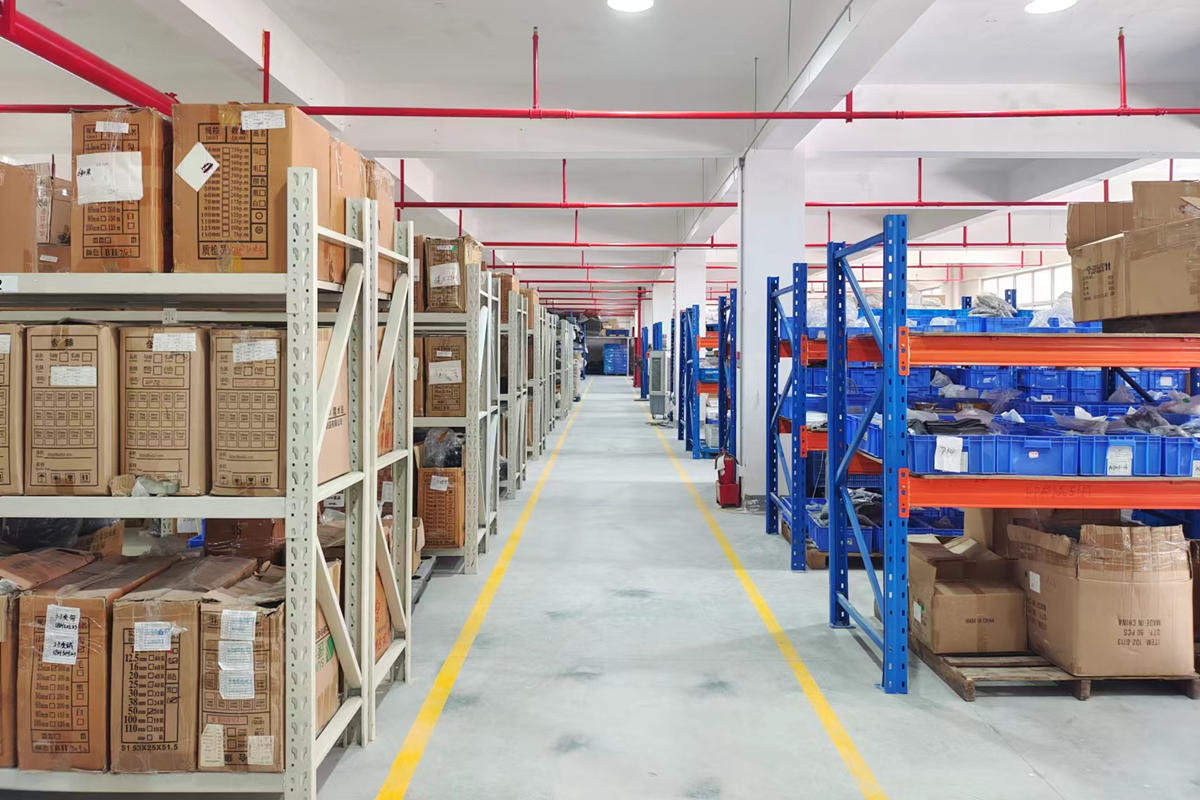
Factory Overview: Our manufacturing facility covers an area of 15,000 m², certified with ISO13485 and BSCI. All products are certified with CE, MDR, and FDA, ensuring global market access. Our workforce of 500 employees, including 8 senior engineers and 10 QC experts, ensures every instrument meets the highest standards.
Quality Control: We implement strict quality control processes and raw material traceability. Our advanced laboratory facilities conduct comprehensive testing for biomechanical strength, corrosion resistance, and surface finish.
Innovative Solutions: With over 300 different models available, we provide comprehensive solutions for trauma, spine, and joint replacement. Our experienced R&D team introduces 10 new products every month. We offer customizable designs and packaging to meet your specific needs (OEM/ODM).
Customer Satisfaction & After-Sales: We offer a free replacement within one year for any quality issues. Our after-sales support includes agency policy assistance to help our partners grow their local market share.

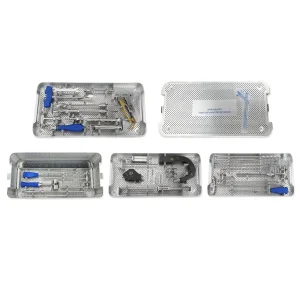
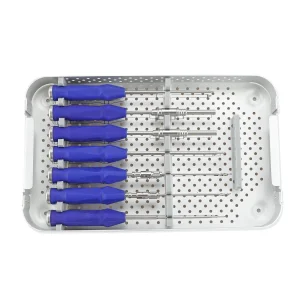
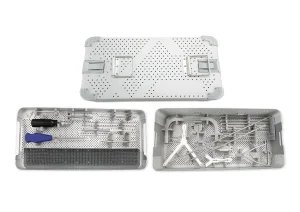
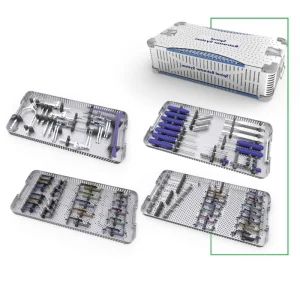
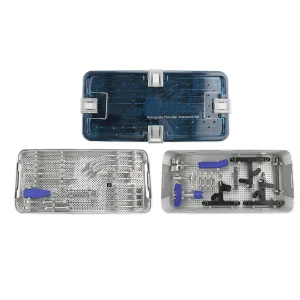
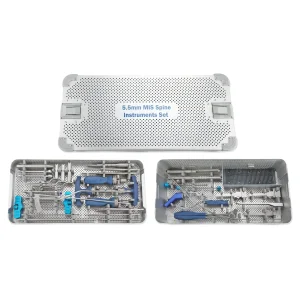
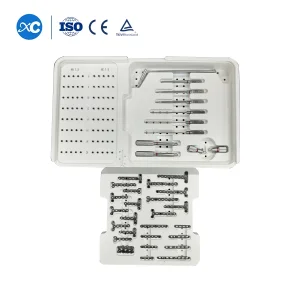
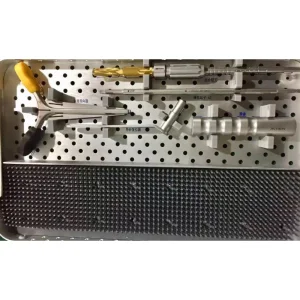
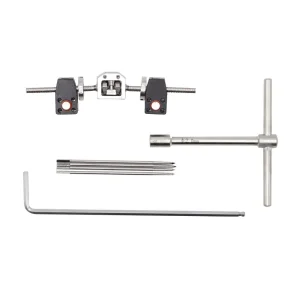
When discussing Large Fragment Instrument Sets, we are referring to a specialized collection of surgical tools designed to facilitate the internal fixation of large bones. These sets typically include a range of drill bits (usually 3.2mm and 4.5mm), depth gauges, t-handles, countersinks, and various screwdrivers (hexagonal or StarDrive). The precision of these instruments directly impacts the stability of the fracture reduction and the ultimate success of the orthopedic procedure.
Our instruments are manufactured using high-grade stainless steel (such as 17-4PH or 400 series) and medical-grade titanium. The selection of materials is critical for ensuring that the instruments can withstand the high torque required for inserting 4.5mm or 6.5mm screws into dense cortical bone. Furthermore, the surface treatment, whether through passivation or electro-polishing, ensures maximum resistance to corrosion during the sterilization process (autoclaving).
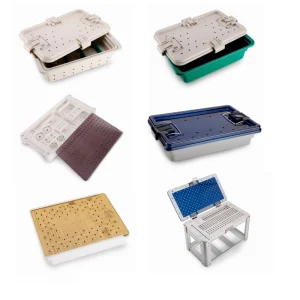
A well-designed instrument set is an extension of the surgeon's hand. Our R&D team works closely with orthopedic surgeons to refine the grip of our handles and the balance of our mallets. By reducing the weight of the instrument trays through the use of high-tech plastics like PPSU, we make transportation and handling within the sterile field easier for surgical technicians. This focus on ergonomics reduces the cognitive load on the surgical team, potentially shortening procedure times and improving patient outcomes.
As a premier China Large Fragment Instrument Sets Exporter, we understand the complexities of international logistics. We offer customized packaging solutions that comply with international shipping standards, ensuring that sensitive surgical instruments reach their destination in perfect condition. Our export team is well-versed in the documentation required for different regions, including Certificates of Free Sale (CFS), Proforma Invoices, and detailed Packing Lists that simplify the customs clearance process.
For hospital procurement officers, the "Total Cost of Ownership" is a key metric. While the initial purchase price is important, the durability and ease of maintenance of the instrument sets are what drive long-term value. Our sets are designed for longevity, with replaceable components and universal compatibility with most major locking plate systems. For distributors, we offer competitive tiered pricing and marketing support, allowing them to provide high-quality trauma solutions at a fraction of the cost of "Big Pharma" brands without compromising on clinical efficacy.
Looking ahead, the industry is moving towards smart instruments. Imagine a drill that can sense the transition from cortical to cancellous bone, or a screwdriver that logs the exact torque applied to every screw. While these technologies are in their infancy, our factory is already exploring the integration of data-tracking chips in our instrument trays to streamline inventory management in hospitals. This marriage of mechanical precision and digital intelligence will define the next decade of orthopedic surgery.