Grai Orthopedic Implants
Grai Orthopedic Implants
Grai Orthopedic Implants
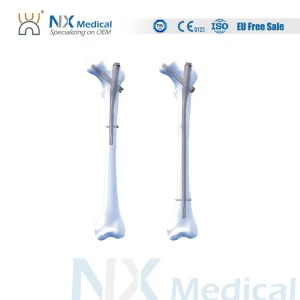
In the realm of orthopedic trauma surgery, the Proximal Femoral Nail Antirotation (PFNA) has emerged as the gold standard for treating unstable peritrochanteric fractures. As the global population ages, the incidence of osteoporotic hip fractures is rising at an unprecedented rate. This demographic shift has fueled a surge in demand for surgical solutions that offer immediate stability and early mobilization.
Manufacturers in China have positioned themselves at the forefront of this industry by combining advanced metallurgical science with high-precision CNC manufacturing. Today, China-made PFNA systems are not just cost-effective alternatives; they are high-performance instruments used in top-tier hospitals across Europe, Southeast Asia, and Latin America.
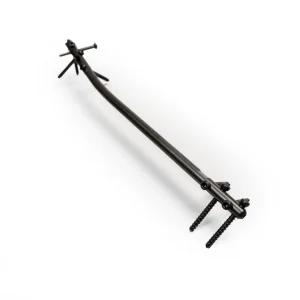
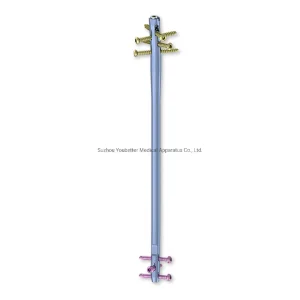
Our PFNA systems are engineered to address the specific biomechanical challenges of proximal femur fractures, particularly in elderly patients with low bone mineral density.
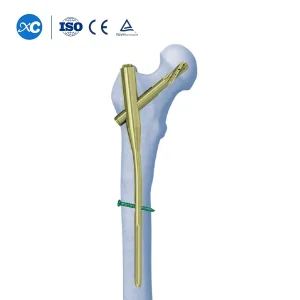
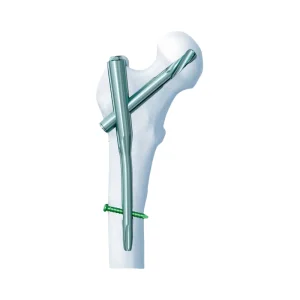
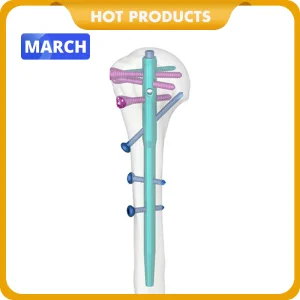
Unlike traditional lag screws, the PFNA's helical blade compacts the cancellous bone during insertion. This provides superior resistance against "cut-out," which is the most common failure mode in osteoporotic hip fractures.
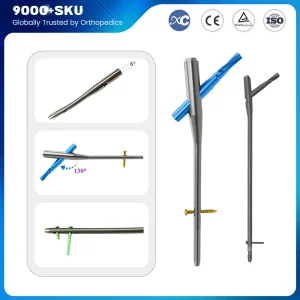
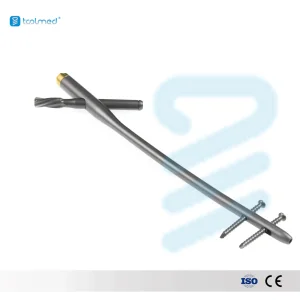
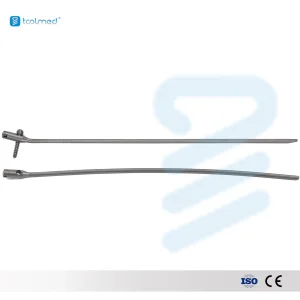
The nail features an anatomical 6° lateral bend, which facilitates insertion through the tip of the greater trochanter. This minimally invasive approach reduces surgical time and preserves soft tissue integrity.
Our systems offer versatile distal locking options, allowing surgeons to choose between dynamic and static modes based on the fracture's stability and the patient's healing progress.

Our facility is a testament to the modern industrial revolution in medical manufacturing. By integrating AI-driven quality control and Swiss-imported precision machining, we ensure that every nail meets the highest global standards.
The global orthopedic trauma market is shifting toward minimally invasive surgeries (MIS). Surgeons are increasingly favoring intramedullary nails over traditional plates for femoral fractures because they are load-sharing devices rather than load-bearing ones. This allows for earlier weight-bearing and faster rehabilitation.
Another significant trend is the localization of healthcare supply chains. Hospitals and distributors are looking for partners who can offer "Minor Customization"—adjusting nail lengths, diameters, or instrument handles to suit local physiological needs or surgeon preferences. Our factory excels in this agile manufacturing model.
Furthermore, the integration of Digital Surgery is on the horizon. While the implants themselves remain physical, the planning tools and navigation-compatible instruments we produce are becoming more sophisticated, allowing for robotic-assisted placement of the PFNA nail with sub-millimeter accuracy.
In terms of regional demand, the Asia-Pacific region is seeing the fastest growth, driven by massive healthcare infrastructure investment. Meanwhile, the Middle East and African markets are seeking durable, high-quality implants that can handle the high volume of trauma cases resulting from road traffic accidents.
Strict quality control processes and raw material traceability. Advanced laboratory facilities for comprehensive testing ensure long-term implant safety.
Over 300 different models available. 10 new products introduced every month by our experienced R&D team. Customizable designs and packaging.
Free replacement within one year. Full after-sales support with agency policy assistance to help our partners grow their local markets.

When selecting a Proximal Femoral Nail Antirotation (PFNA) manufacturer, surgical teams look for more than just a piece of metal; they look for a system that reduces intraoperative complications. The biomechanical superiority of the PFNA nail lies in its ability to manage rotational forces. Hip fractures, specifically those in the trochanteric region, are subject to massive muscular forces that can cause rotation of the femoral head. The antirotation blade of the PFNA is specifically designed to lock these forces into place.
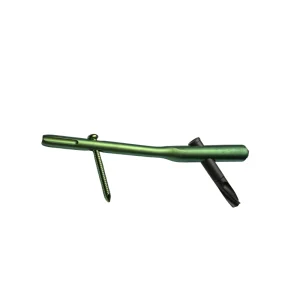
As a leading China factory, our engineering team has optimized the surface treatment of our titanium nails. We utilize specialized anodization processes that not only enhance the biocompatibility of the implant but also color-code the components, making it easier for surgical nurses to organize the instrument tray during high-pressure trauma cases.
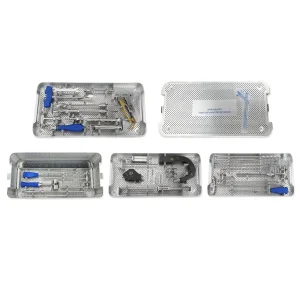
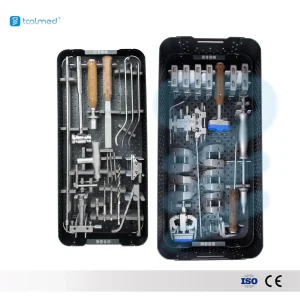
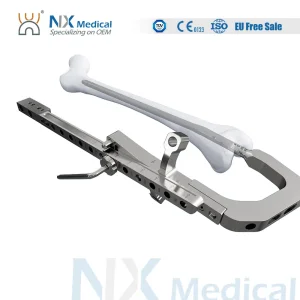
For global procurement officers, the decision to partner with us is often driven by our holistic approach to the "Surgeon's Experience." We provide not only the implants but also the high-precision instrument sets required for the surgery. These instruments are made from hardened medical stainless steel, designed for repeated sterilization cycles and ergonomically balanced to reduce fatigue during long operations.
The industry development trend suggests a move toward universal systems. Our PFNA designs are increasingly compatible with various surgical entry techniques, whether the surgeon prefers the classic greater trochanteric entry or a more lateralized approach. This flexibility is key for international distributors who serve hospitals with diverse surgical traditions.
In conclusion, the Top China Proximal Femoral Nail Antirotation Manufacturers are those who bridge the gap between affordable manufacturing and elite-level engineering. With our 15,000 m² facility, ISO13485 certification, and a constant drive for innovation, we are proud to support the global medical community in restoring mobility to patients worldwide. Whether you are a hospital administrator in the Middle East or a trauma surgeon in Latin America, our PFNA solutions offer the reliability and performance your patients deserve.