Grai Orthopedic Implants
Grai Orthopedic Implants
Grai Orthopedic Implants
Leading the industry with ISO and CE certified intramedullary systems.
In the modern era of orthopedic surgery, the role of an Intramedullary Nails Exporter has become pivotal. Intramedullary (IM) nailing is now recognized globally as the "gold standard" for treating long bone fractures, including the femur, tibia, and humerus. Unlike traditional plate fixation, IM nails are load-sharing devices that allow for early weight-bearing and faster rehabilitation.
The global market for these devices is expanding at a CAGR of approximately 6.5%. This growth is driven by several factors: an aging global population prone to osteoporotic fractures, the rise in high-speed vehicular accidents in developing nations, and a shift toward minimally invasive surgical techniques. As a top-tier intramedullary nails exporter, we understand that hospitals in Europe, Southeast Asia, and Latin America are increasingly demanding implants that offer superior fatigue resistance and anatomical fit.
Today’s industrial landscape is characterized by the transition from stainless steel to Medical Grade Titanium Alloys (Ti6Al4V). Titanium offers a lower modulus of elasticity, closer to that of human bone, reducing the "stress shielding" effect. Our production lines utilize Swiss-type CNC machining to ensure tolerances within microns, meeting the stringent requirements of surgeons worldwide.
Global buyers, particularly in the EU and North America, are no longer just looking for price. They require MDR (Medical Device Regulation) and FDA compliance. Procurement managers are focusing on clinical data and material biocompatibility.
Every ethnicity has different bone morphology. Our R&D team analyzes global anthropometric data to produce nails with varying curvatures and lengths, ensuring a "local fit" for global markets.
Post-pandemic, "Zero-Inventory" models have shifted to "Just-in-Case." Exporters who can maintain large stocks and offer rapid air-freight shipping are winning the trust of large hospital groups.
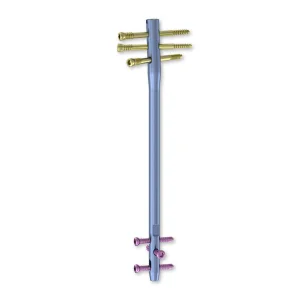
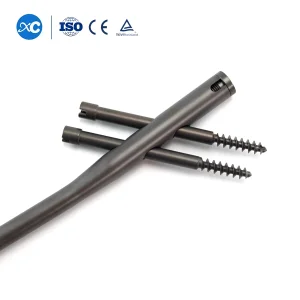
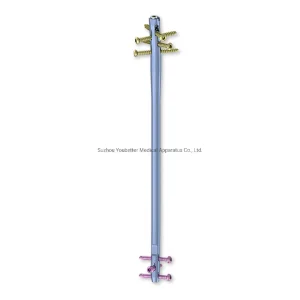
One of the most significant trends we see as an intramedullary nails exporter is the demand for advanced interlocking designs. Distal locking remains one of the most challenging parts of the surgery. Our newer models feature multi-planar locking holes and radiolucent targeting devices to reduce fluoroscopy time and radiation exposure for the surgical team.
Furthermore, the integration of Active Coating Technologies (such as Silver Ion or Hydroxyapatite) is gaining traction to reduce the risk of implant-associated infections, a major concern in trauma surgery.
Square Meters Facility
Expert Employees
Active Models
New Products Monthly
As a leading Chinese intramedullary nails exporter, we combine the efficiency of large-scale manufacturing with the precision of high-end medical engineering. Our factory is certified with ISO13485 and BSCI, ensuring that every nail leaving our facility meets international safety standards.
Factory covers an area of 15,000 m², certified with ISO13485, and BSCI. Our products are certified with CE, MDR, and FDA. We employ 500 professionals, including 8 senior engineers and 10 QC specialists. We offer minor customization, raw material traceability identification, and rigorous semi-product and finished product inspection.
Our strict quality control processes ensure that every intramedullary nail provides the stability required for successful osteosynthesis. Our advanced laboratory facilities are equipped for comprehensive fatigue and static testing.
Over 300 different models are available. 10 new products are introduced every month by our experienced R&D team. We provide customizable designs and packaging to meet your specific regional needs. We offer free replacement within one year and comprehensive after-sales support with agency policy assistance.
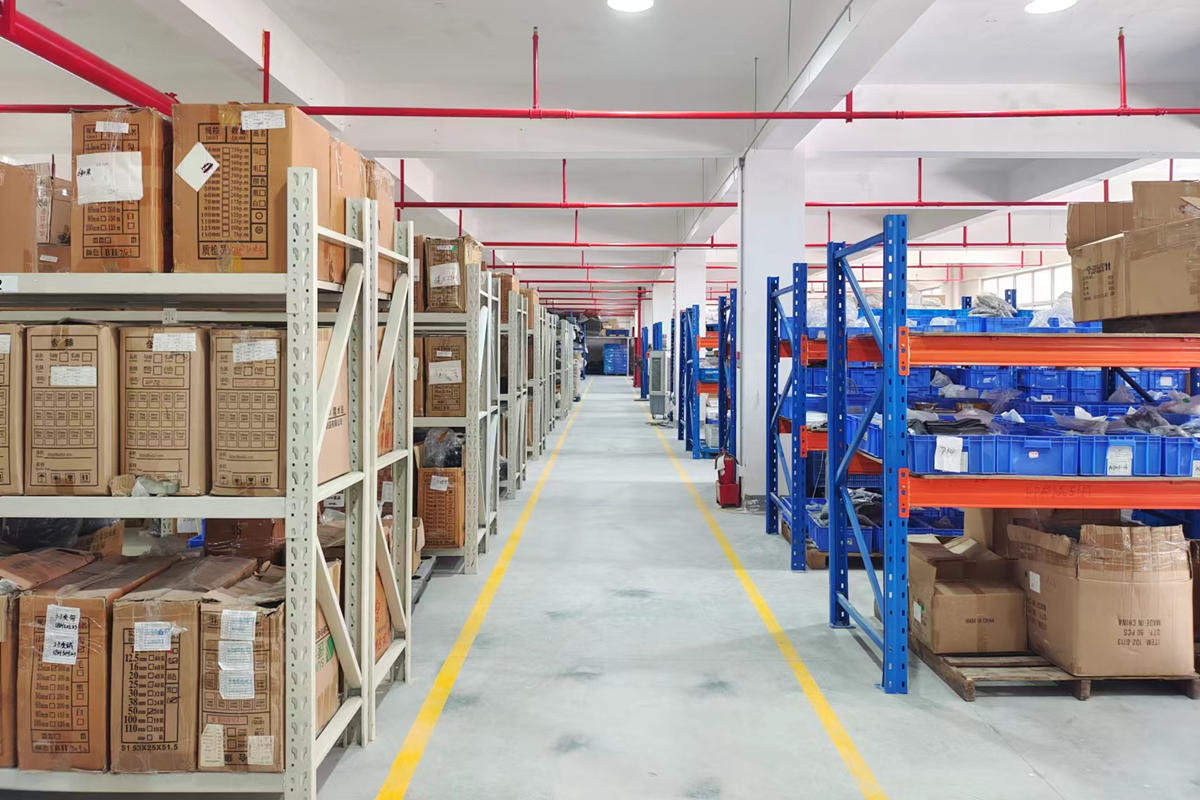
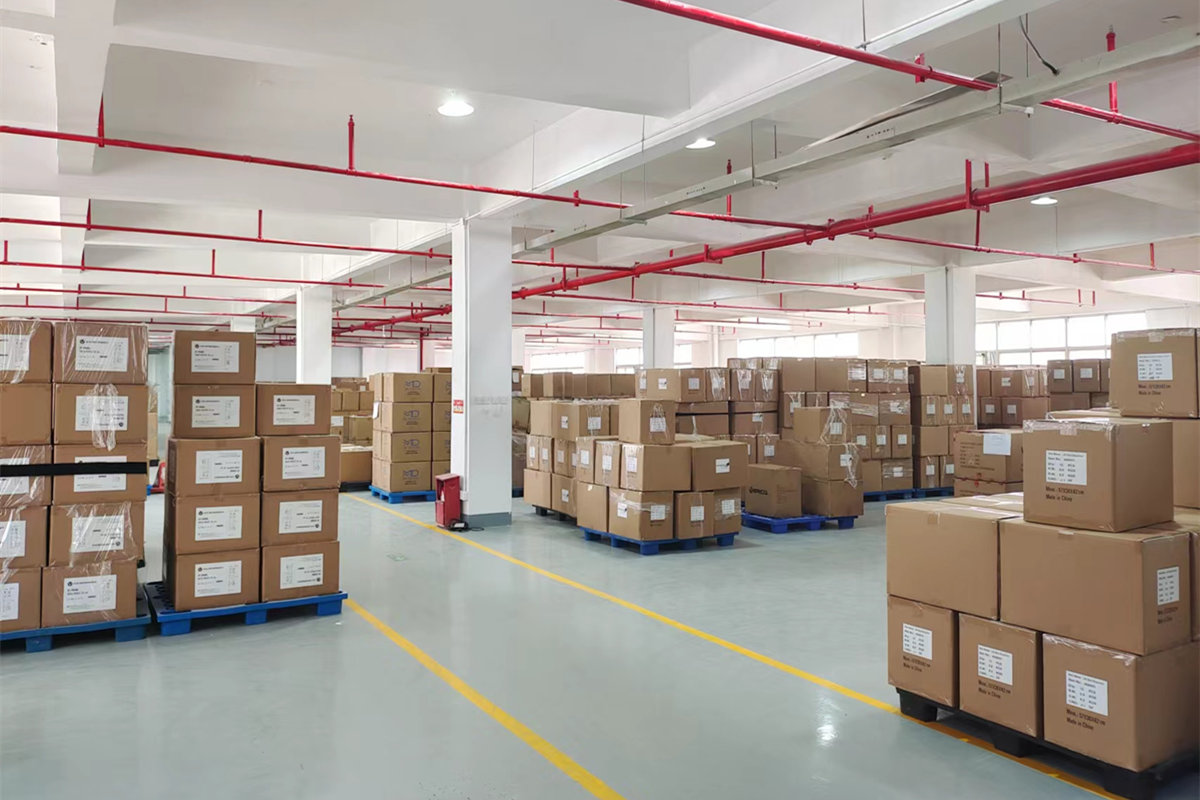
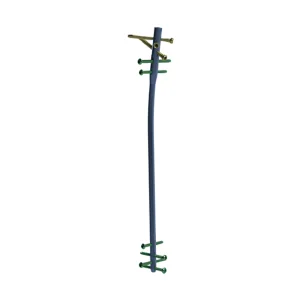
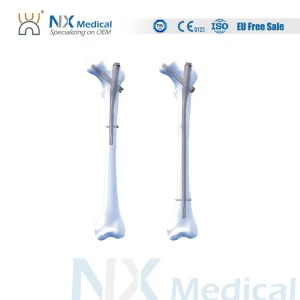
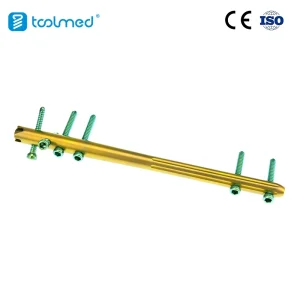
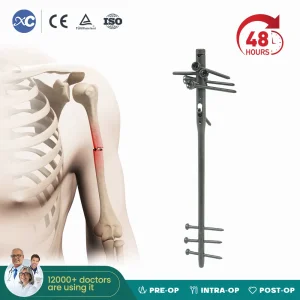
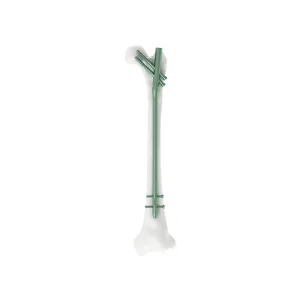
In North America and Europe, our IM nails are used in high-tech trauma centers for rapid recovery. In emerging markets, our focus is on durability and cost-effectiveness, providing reliable solutions for public hospital tenders. Whether it's a retrograde femoral nail for distal fractures or a humeral nail for upper limb trauma, our exporter network ensures supply chain continuity.
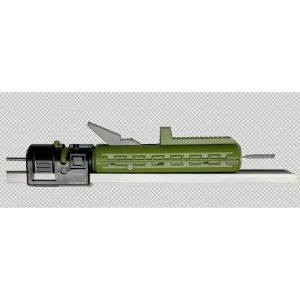
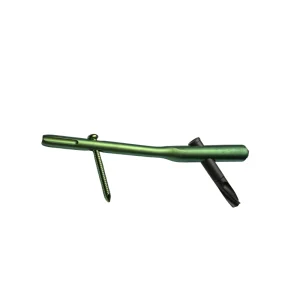
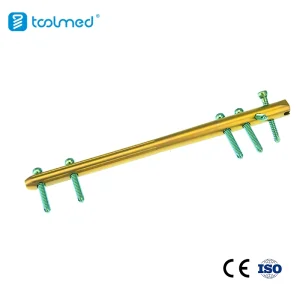
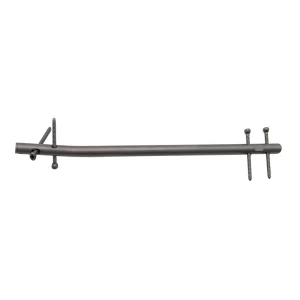
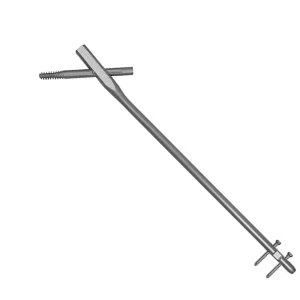
Browse our extensive range of intramedullary interlocking solutions.
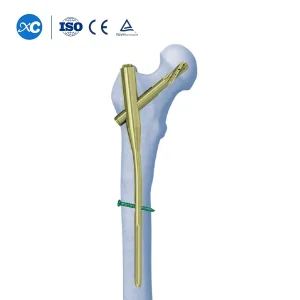
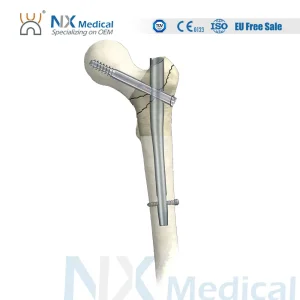
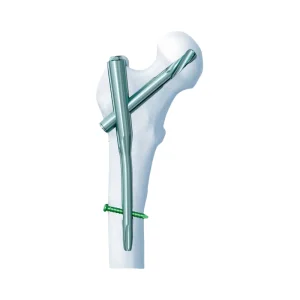
The evolution of intramedullary nails has been marked by a relentless pursuit of anatomical precision and surgical ease. As a global intramedullary nails exporter, we recognize that the challenges faced in the operating room vary by region. For instance, in aging populations, the prevalence of peritrochanteric fractures requires nails that can provide superior stability in osteoporotic bone. This is where our Proximal Femoral Nail Antirotation (PFNA) systems excel. By utilizing a helical blade instead of traditional screws, our nails increase the compaction of the bone, providing better grip and reducing the risk of "cut-out."
From a manufacturing standpoint, the "Industry 4.0" revolution has allowed us to integrate AI into our design processes. We use finite element analysis (FEA) to simulate the stresses on a nail during a patient’s gait cycle, ensuring that our products can withstand millions of cycles without failure. This technical depth is what distinguishes a premium intramedullary nails exporter from a simple trading company. Our commitment to R&D ensures that we are not just following market trends, but setting them.
Global procurement specialists also value our transparency. We provide comprehensive documentation, from material chemical composition reports to sterilization validation records (ethylene oxide sterilization). Our logistics team is experienced in navigating the complex regulatory hurdles of different customs zones, ensuring that your medical supplies arrive on time and in perfect condition. When you choose us as your partner, you are choosing a legacy of quality, a future of innovation, and a global network dedicated to restoring patient mobility.