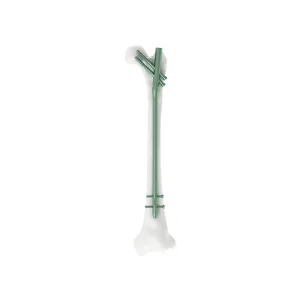
Grai Orthopedic Implants
Grai Orthopedic Implants
Grai Orthopedic Implants
Providing essential orthopedic stability solutions configured for immediate clinical response in Afghanistan's regional hospital networks.
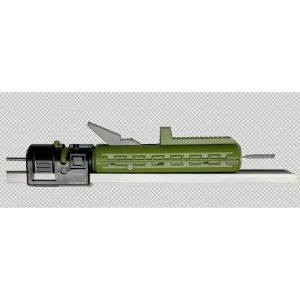
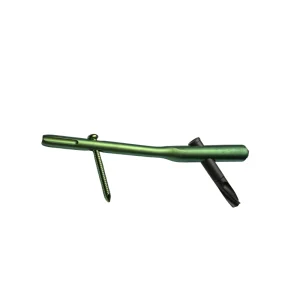
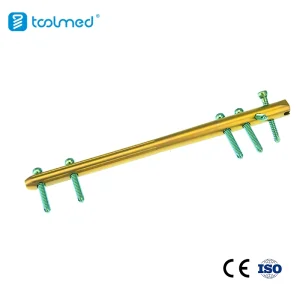
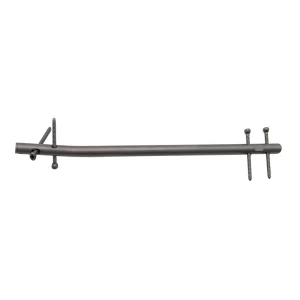
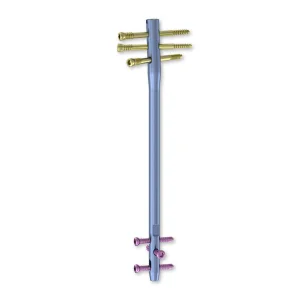
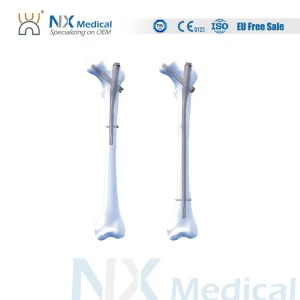
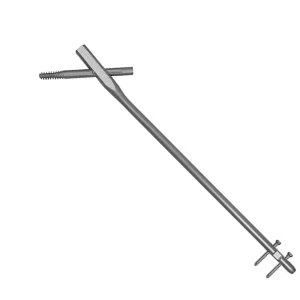
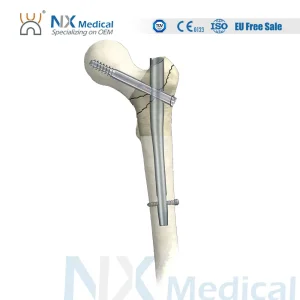
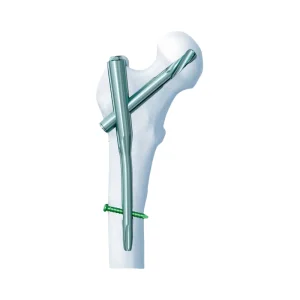
Orthopedic surgery in Afghanistan faces unique, complex pressures due to high trauma load profiles resulting from physical terrain hazards, traffic accidents, industrial construction growth, and historical blast injury reconstruction. In modern orthopedic medicine, internal fixation through the use of **interlocking intramedullary nails** has become the primary gold standard for long bone fracture management. Intramedullary nails provide superior mechanical loading properties, permitting early weight-bearing and fostering biological healing with minimal disruption to the periosteal blood supply.
However, healthcare systems across provinces such as Kabul, Herat, Balkh, and Kandahar often operate under highly demanding clinical conditions with limited local access to high-precision surgical implants. As a leading manufacturer and exporter, we address this vital gap by delivering medical-grade titanium and stainless-steel intramedullary nail systems designed to match extreme fatigue limits, offering high surgical flexibility, and providing reliable supply chains directly into Central Asian humanitarian and public healthcare procurement channels.
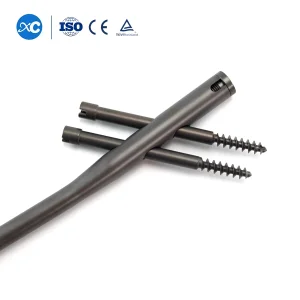
The therapeutic success of intramedullary interlocking nails rests entirely on material purity and mechanical alignment. We manufacture our nails utilizing top-tier **medical-grade Titanium Alloy (Ti6Al4V ELI)** conforming to ASTM F136 standards, and premium **Surgical Stainless Steel (316LVM)** conforming to ASTM F138 standards. Titanium exhibits a lower modulus of elasticity close to that of human cortical bone, which greatly reduces the risk of stress shielding—a common cause of secondary bone resorption and implant loosening.
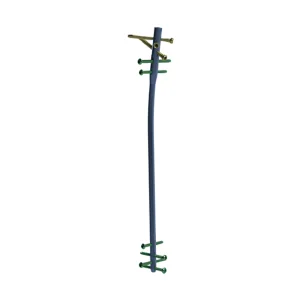
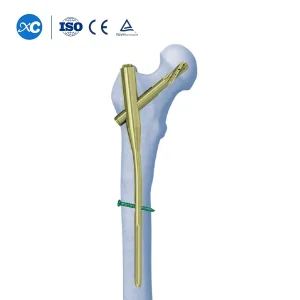
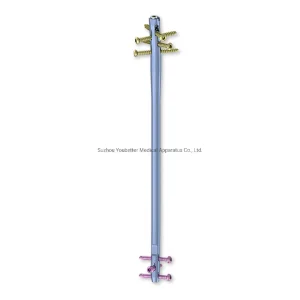
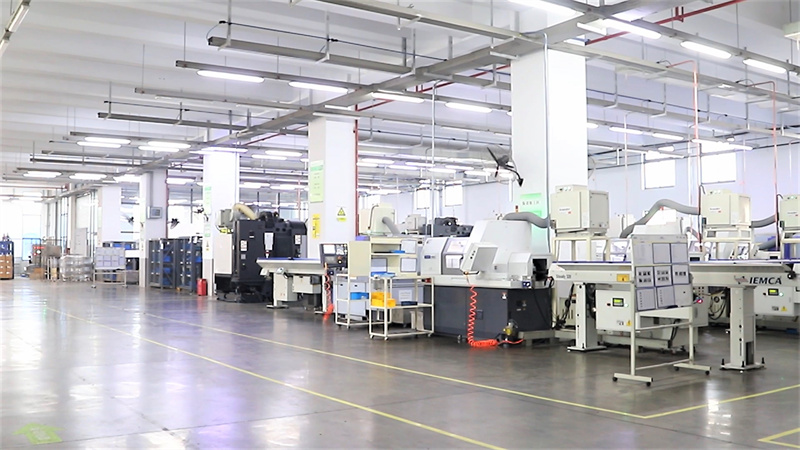
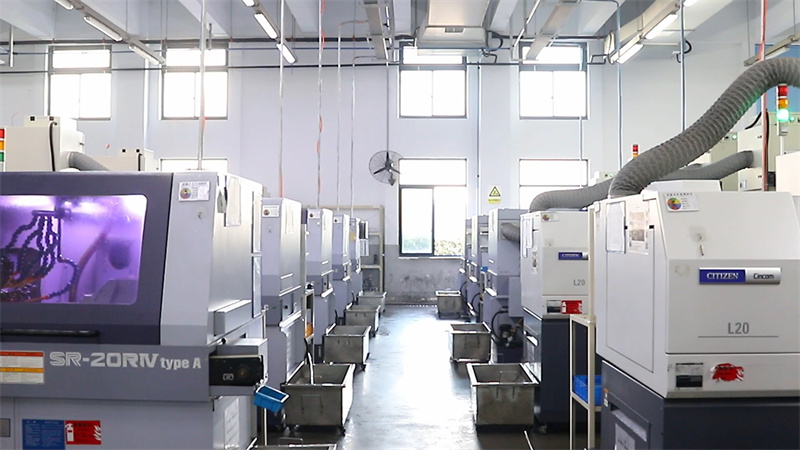
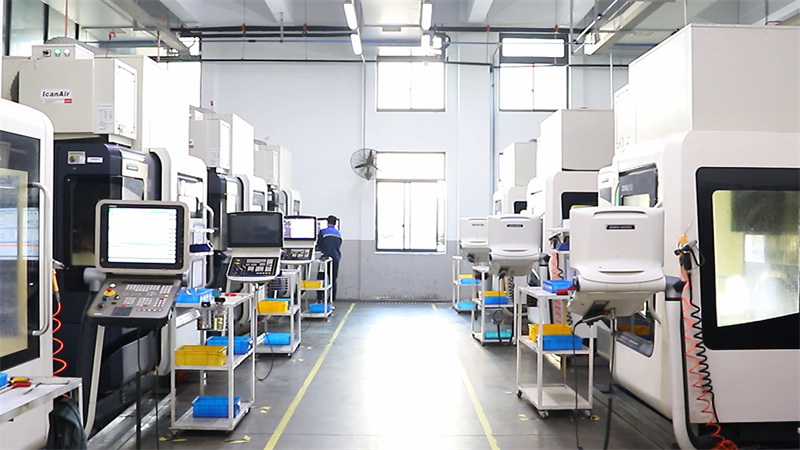
Through precise CNC milling and anodized color coding, our systems provide clear identification for surgeons working in high-stress trauma environments. Our design optimizes the proximal and distal locking screw holes to facilitate absolute stability, preventing rotation of the distal fragment and allowing compression where clinical indicators favor it.
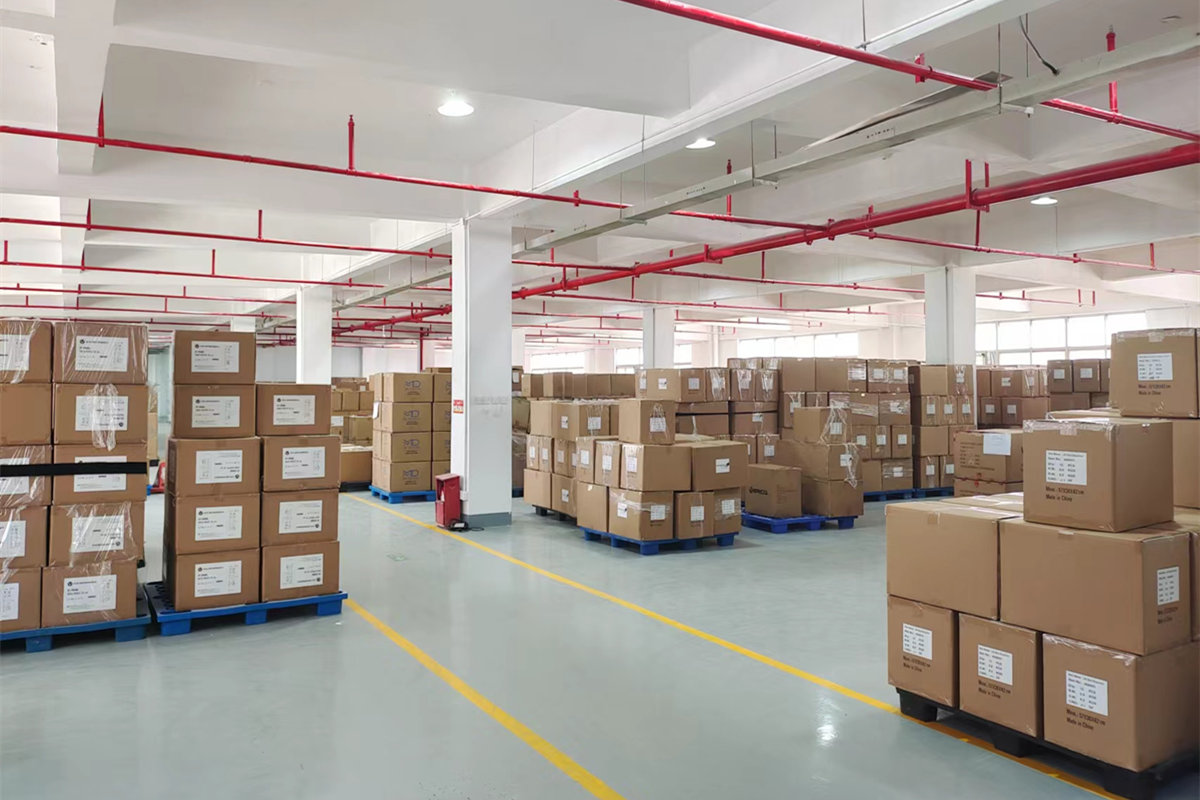
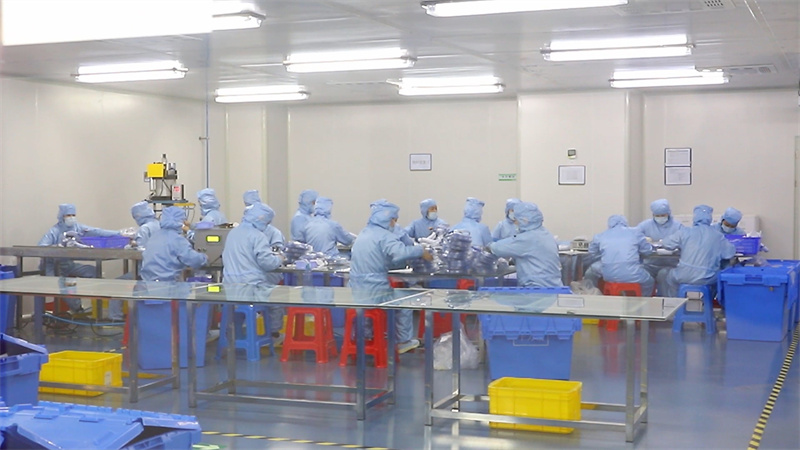
Our facility operates under rigorous international quality standards, maintaining strict process controls from raw titanium billets to sterilized clinical packaging.
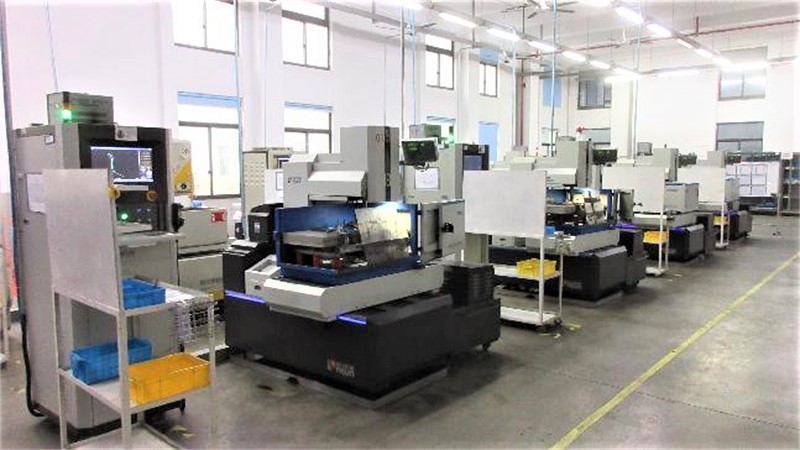
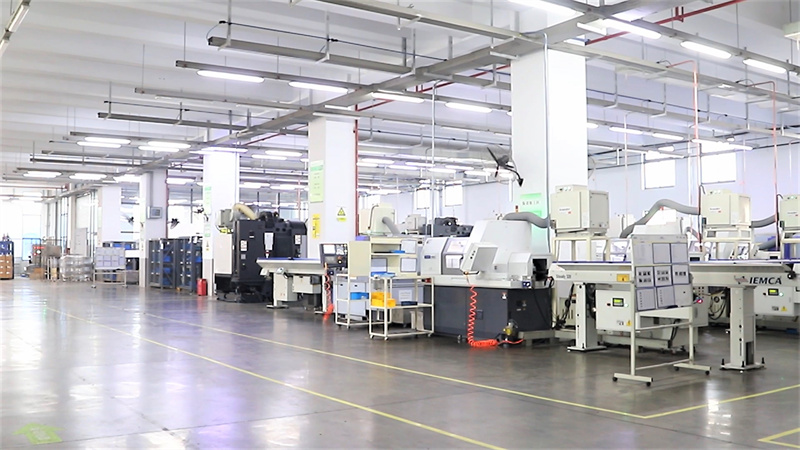
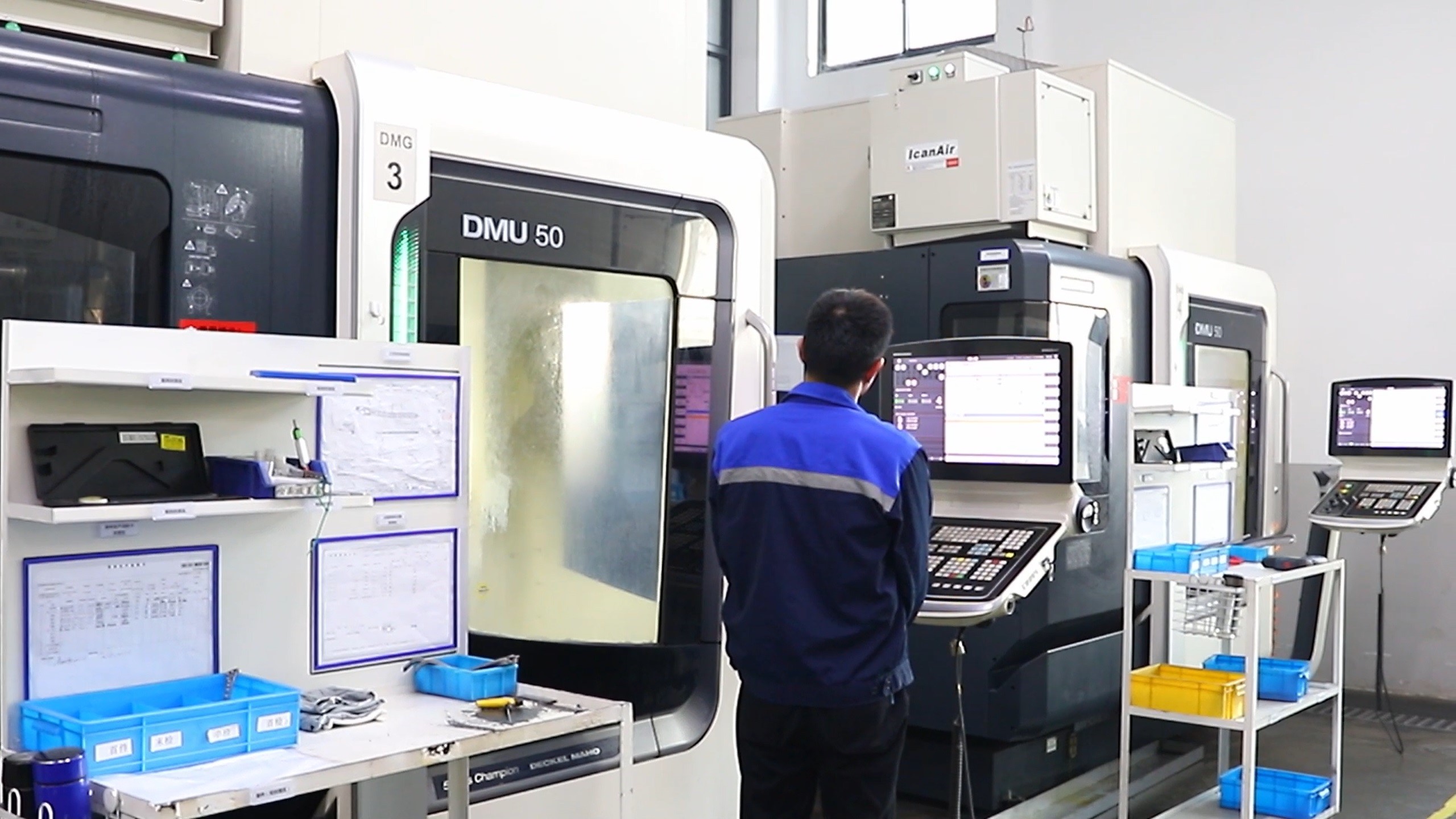
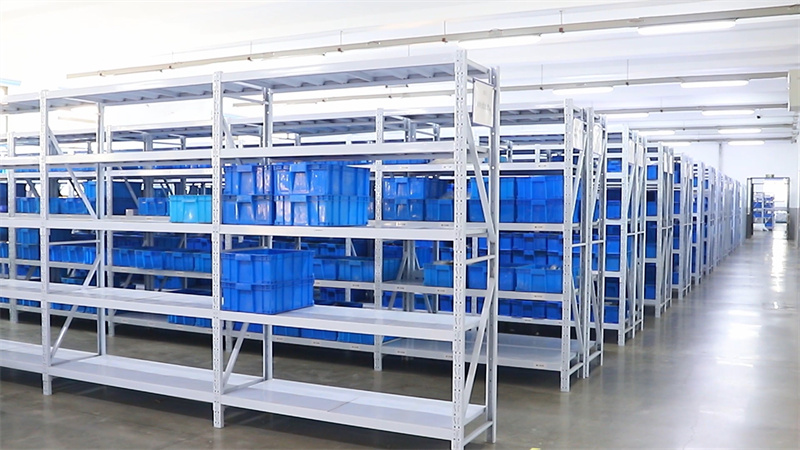
Operating out of a modern 15,000 m² factory certified to **ISO13485** and **BSCI** standards, our manufacturing lines employ over 500 staff members, including 8 senior biomedical engineers and 10 dedicated quality assurance (QC) specialists. We ensure full raw material traceability and perform semi-product and finished product inspections at every stage. We introduce 10 new orthopedic models monthly, maintaining over 300 active models to cover all anatomical trauma scenarios (femoral, tibial, humeral, and pediatric systems).
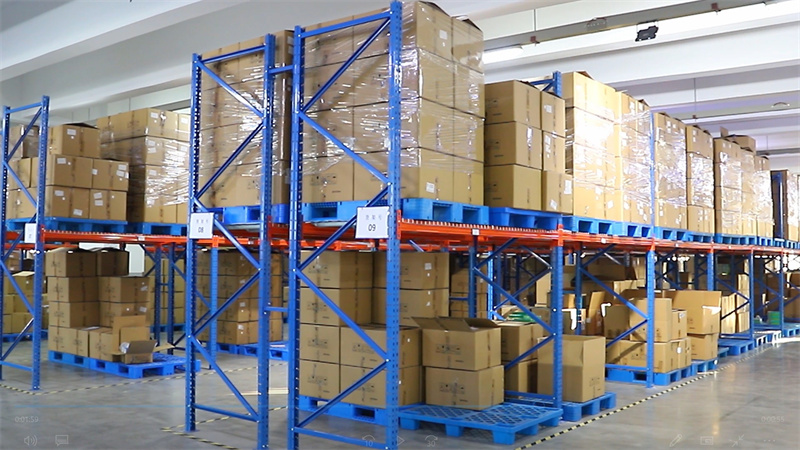
Importing medical equipment and implant devices into landlocked locations like Afghanistan requires meticulous logistics and extensive compliance documentation. Recognizing these challenges, we coordinate closely with regional logistics hubs across Pakistan, Uzbekistan, and direct air cargo carriers to Kabul International Airport. We supply comprehensive documentation packets for Afghan Customs clearing, including complete material mill certificates, sterilization records, Certificate of Free Sale (CFS), and validated declaration documents.
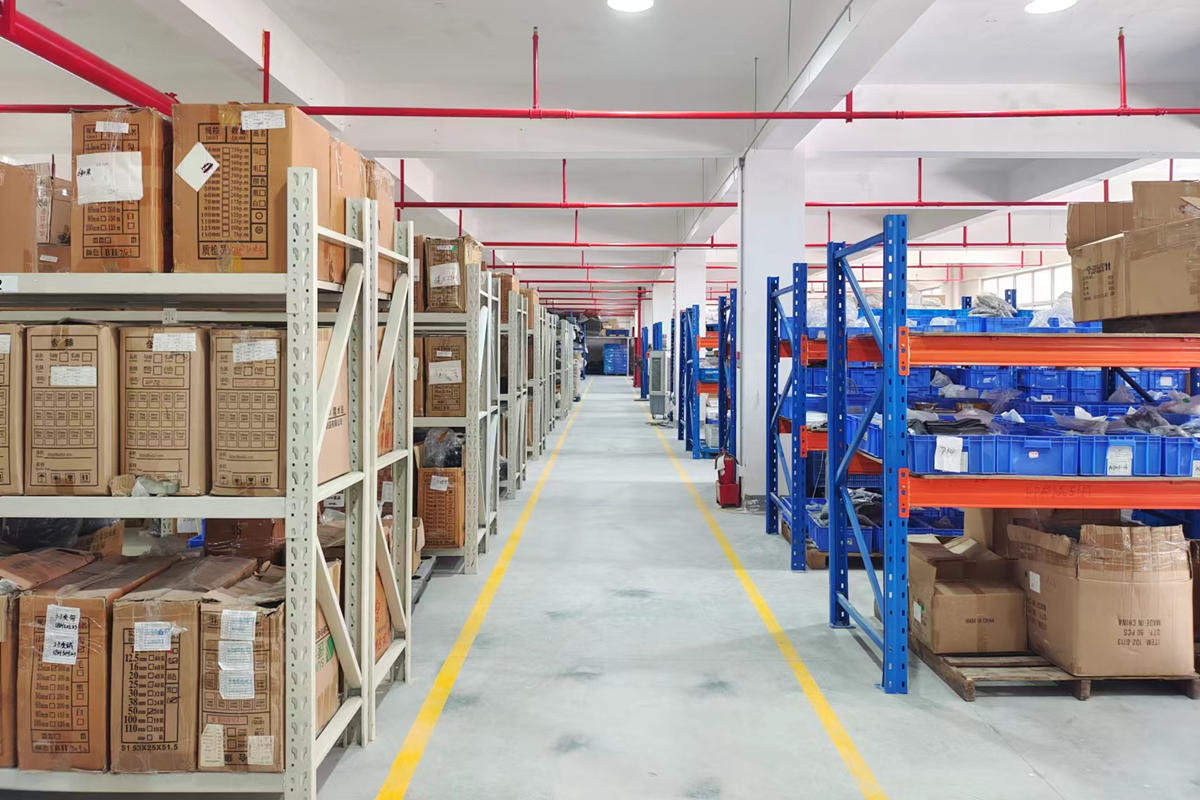
Additionally, for global non-governmental organizations (NGOs), humanitarian aid programs, and local healthcare distributors bidding on Ministry of Public Health (MoPH) tenders, we offer complete administrative assistance. Our implants are packed in sterile double-barrier medical packaging to endure long storage and varying temperature parameters without loss of sterility.
Selected high-demand models configured for lower and upper limb reconstruction, including proximal and distal interlocking options.
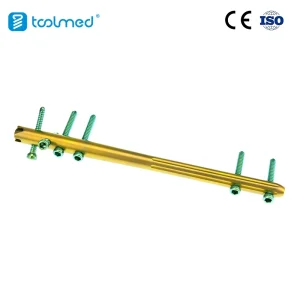
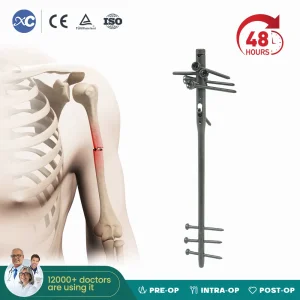
Complete anatomical systems developed for upper limb osteosynthesis and long-bone revision surgeries.
Our manufacturing workflow features active monitoring loops, verifying structural dimensions and metallurgical parameters to match CE & FDA specifications.
Expert clarifications regarding regulatory standards, material specifications, customs, and procurement workflows for Afghanistan.
What specific certifications back your intramedullary nails?
Our complete orthopedic trauma portfolio, including femoral, tibial, and humeral interlocking nails, is manufactured under strict ISO 13485 quality systems. We maintain valid CE (MDR) certifications and FDA registrations, allowing our implants to be utilized in both public hospital systems and international NGO-funded clinics throughout Afghanistan.
How is the logistical transport to Afghanistan coordinated?
We offer comprehensive shipping operations using reliable air freight routes directly to Kabul (KBL) or multimodal transit routes overland through regional trade borders. We provide full packing lists, Certificate of Origin, and chemical analysis certificates to prevent clearance issues at Afghan customs entry points.
Are the implants shipped sterile or non-sterile?
We accommodate both options depending on customer requirements. We supply non-sterile implants for hospitals with advanced autoclaving facilities, and we offer EO (Ethylene Oxide) sterilized products in sealed double-barrier Tyvek packaging for immediate surgical use.
What is the advantage of using Titanium over Stainless Steel in trauma reconstruction?
Titanium alloy (Ti6Al4V ELI) offers superior biocompatibility and a modulus of elasticity closer to human bone, which reduces stress shielding. It also provides excellent fatigue limit performance and resistance to body fluid corrosion, making it suitable for long-term internal fixation in active patients.
Can you custom-manufacture specific dimensions for medical tenders?
Yes, we provide minor customization services. If your procurement project requires specific lengths, distal screw configurations, or instruments optimized for local surgical methods, our R&D engineering team can modify design drawings to match your tender requirements.