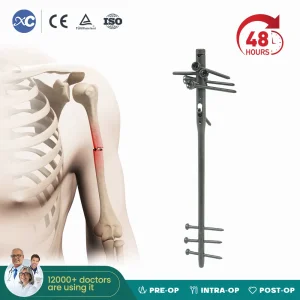
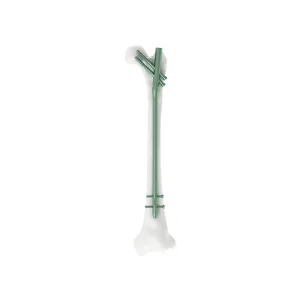
Grai Orthopedic Implants
Grai Orthopedic Implants
Grai Orthopedic Implants
Engineered for immediate stability, load-sharing performance, and optimal clinical outcomes for local hospitals in South Tarawa and nationwide clinical networks.
Kiribati, comprising 32 atolls and one raised coral island dispersed across 3.5 million square kilometers of ocean, faces exceptionally unique healthcare delivery challenges. With primary surgical centers like Tungaru Central Hospital in South Tarawa managing severe trauma cases from across the Gilbert, Line, and Phoenix island groups, medical transport constraints mean that internal fixation systems must be highly reliable.
In remote regions where emergency medical evacuation to Fiji, Australia, or New Zealand can take days and incur prohibitive costs, the utilization of expert-grade interlocking intramedullary nails offers a definitive local solution for long bone osteosynthesis. By enabling immediate postoperative load sharing, these advanced orthopedic implants drastically minimize hospital stay times, reduce standard complication rates (such as non-union or mal-union), and allow patients from outer islands to achieve early mobilization.
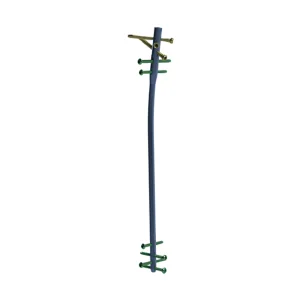
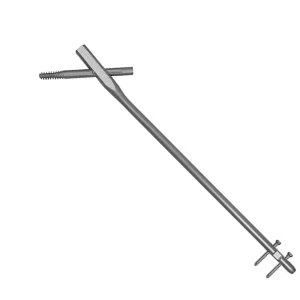
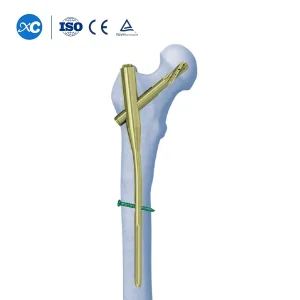
How our intramedullary nail systems implement cutting-edge material science to address proximal and distal shaft fractures.
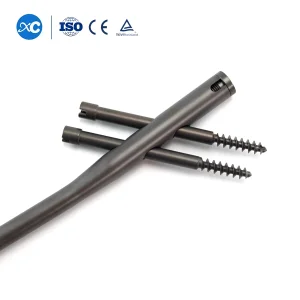
We source premium ELI (Extra Low Interstitial) Titanium, providing unmatched biocompatibility, a high strength-to-weight ratio, and a modulus of elasticity closely matching human cortical bone to reduce stress shielding.
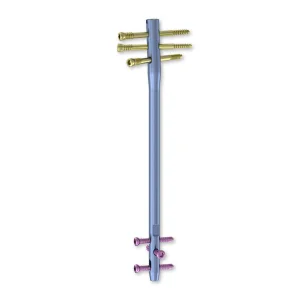
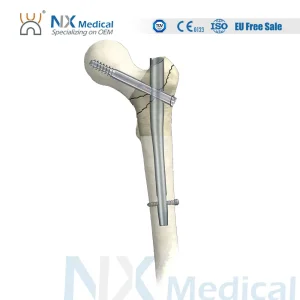
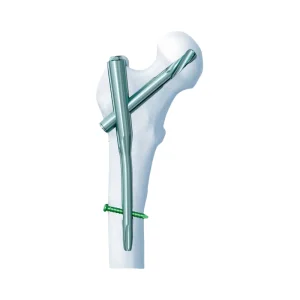
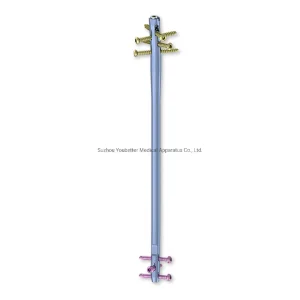
Multi-planar distal locking options permit dynamic or static locking configurations. This enables orthopedic surgeons to customize the physiological load distribution based on individual fracture configurations.
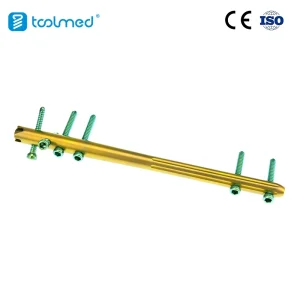
Controlled electrochemical anodization produces clear color coding (Blue, Green, Gold) for sizing identification and creates a dense oxide layer that enhances cellular attachment and minimizes metal ion release.
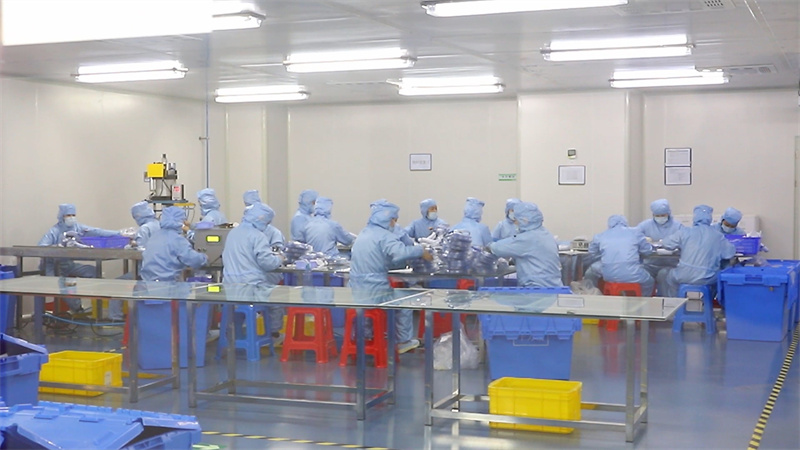
Combining rigorous raw material traceability with ISO 13485 certified sterile manufacturing protocols.
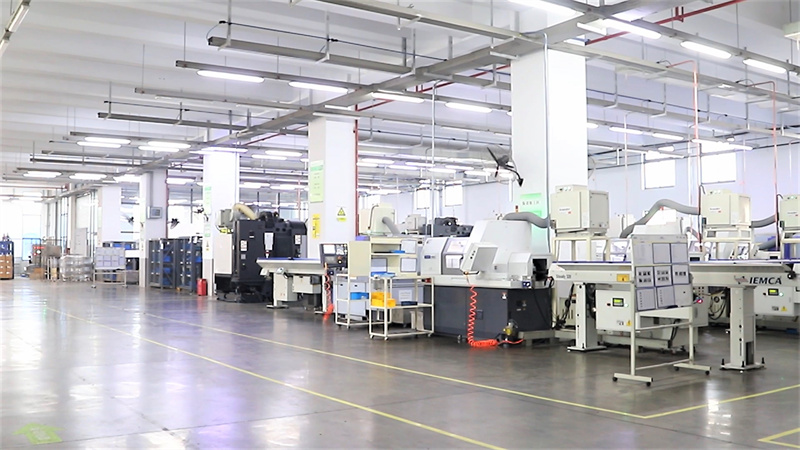
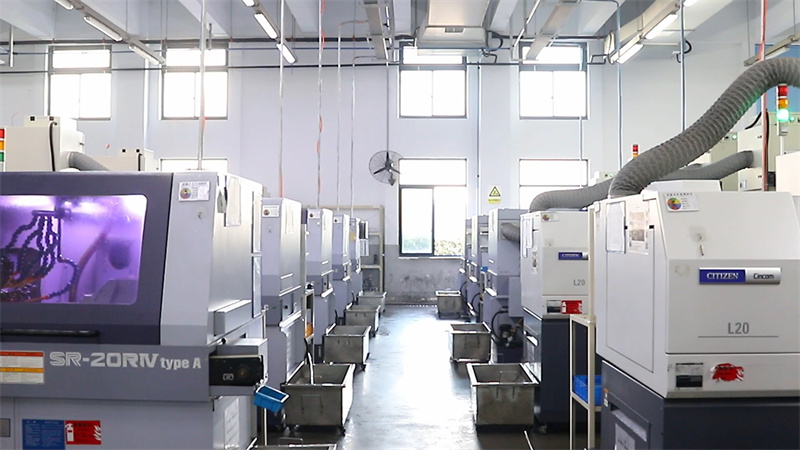
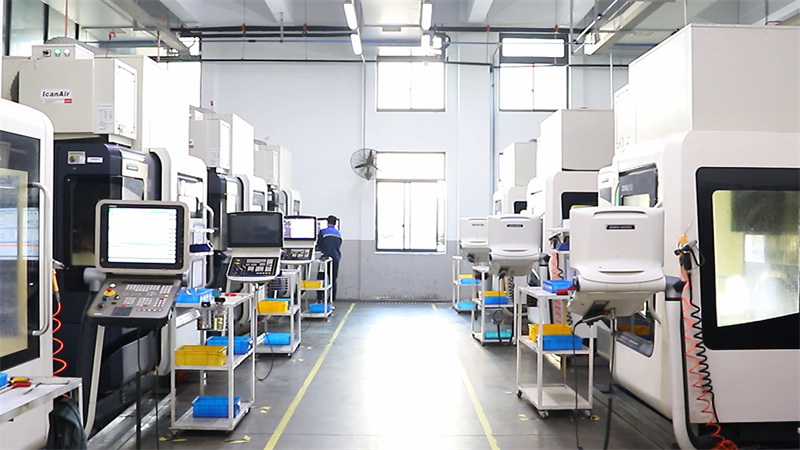
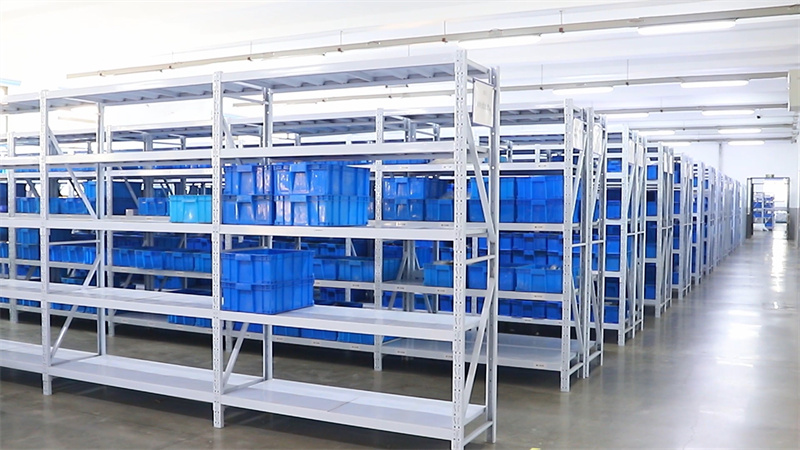
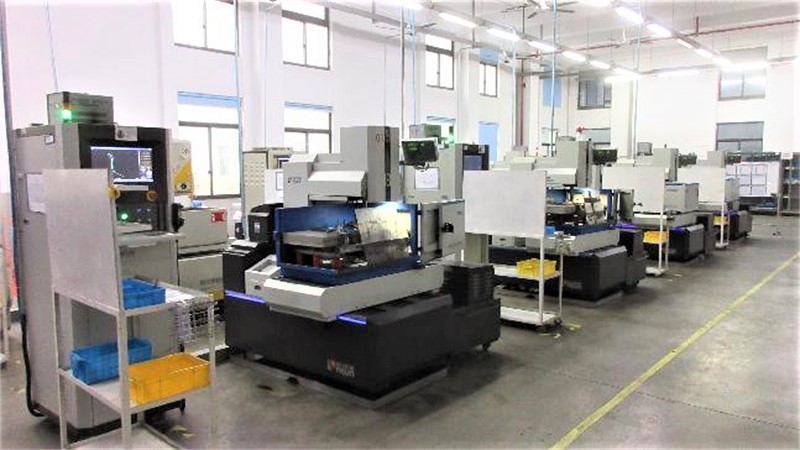
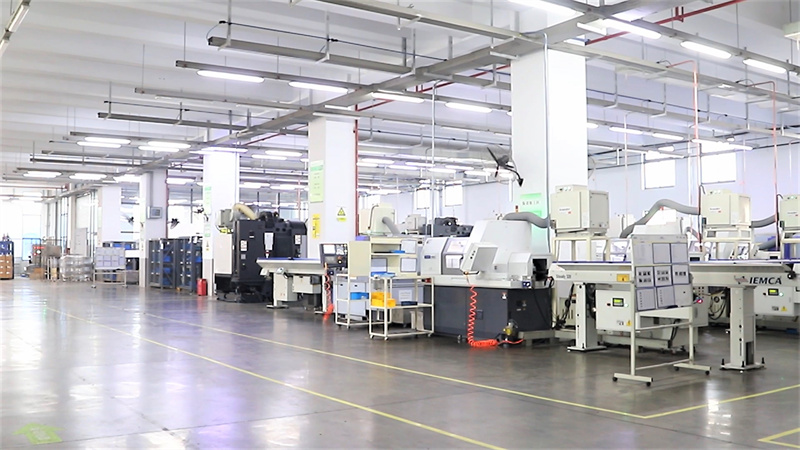
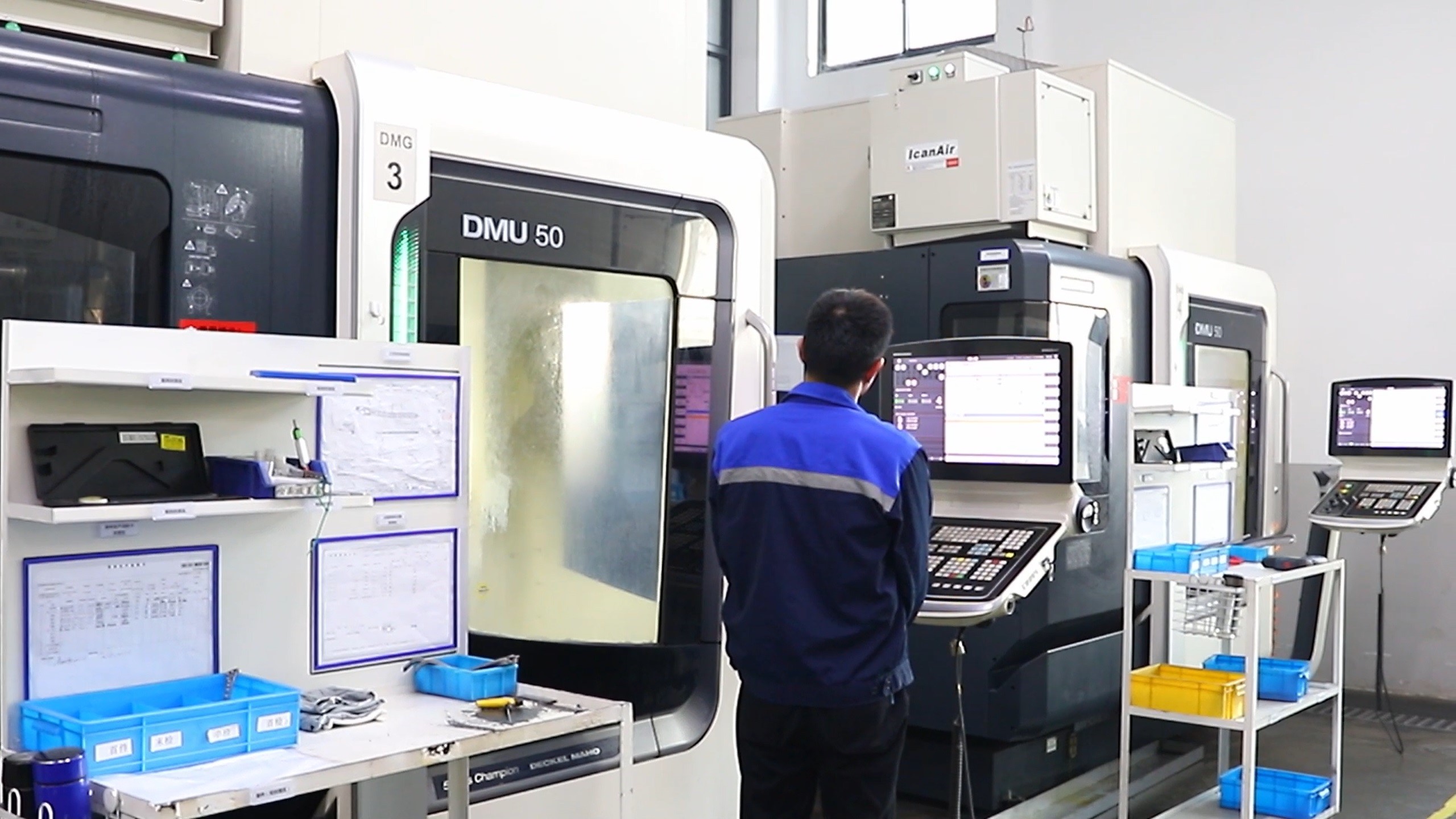
Our factory features highly specialized manufacturing capabilities certified under ISO13485 and audited according to BSCI guidelines. Supported by an elite team of 8 senior research engineers and 10 dedicated Quality Control (QC) officers, every implant batch undergoes extensive fatigue testing, dimensional analysis, and raw material traceability certification.
We offer specialized customization services alongside quick-response development pipelines, producing 10 new orthopedic solutions monthly. This ensures that unique clinical inquiries from international ministries, such as the Kiribati Ministry of Health and Medical Services (MHMS), can be accommodated from customized locking systems down to specific packaging labels.
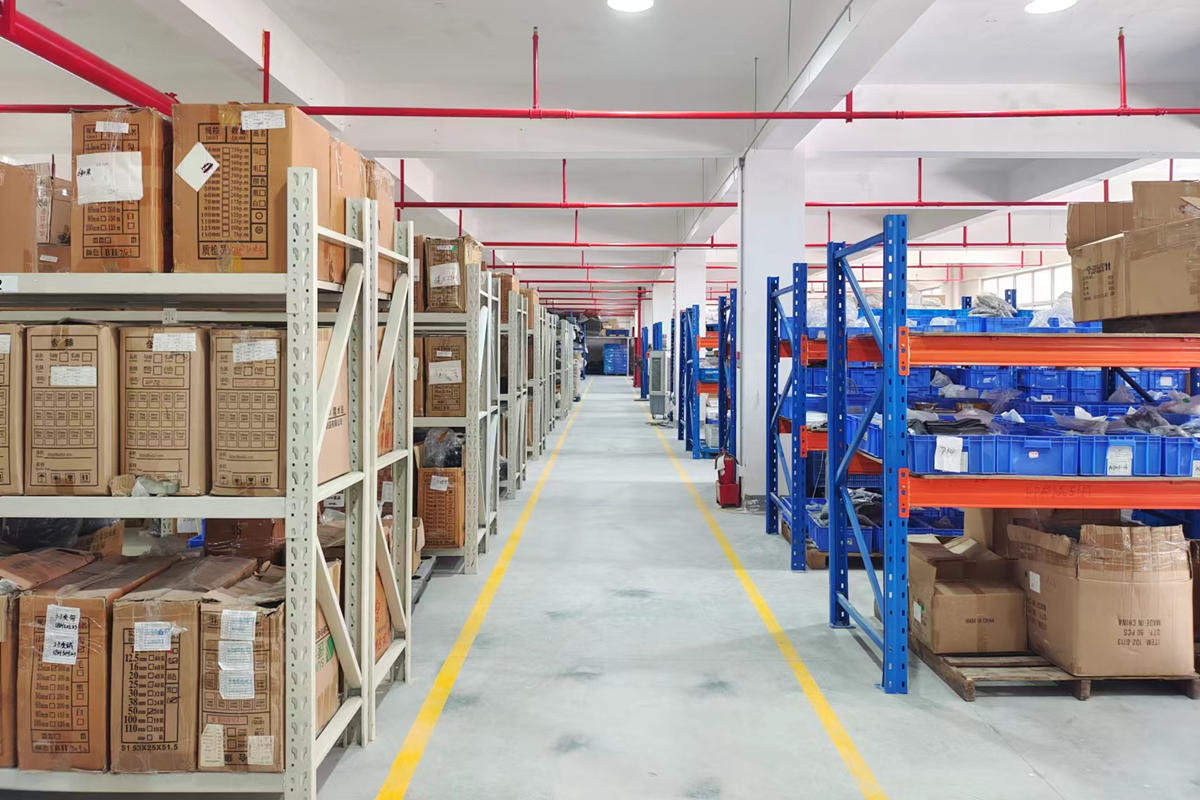
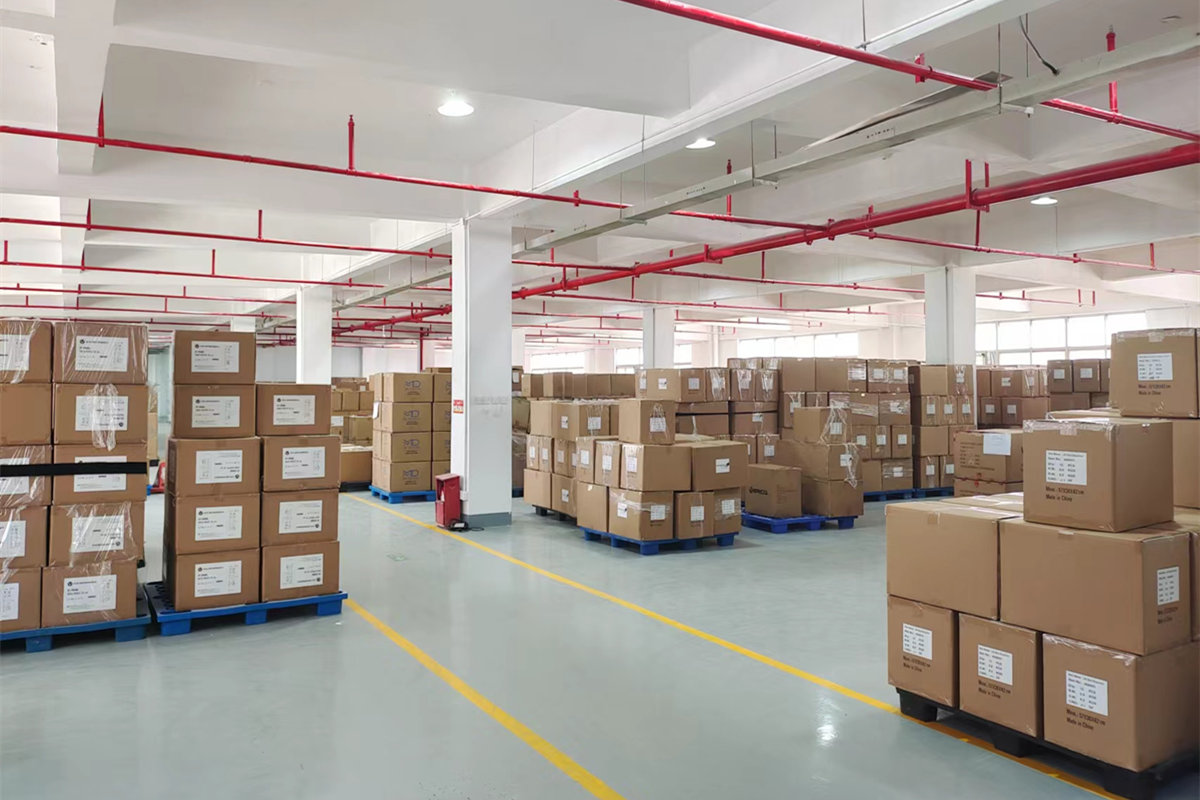
Ensuring robust delivery lines, customs clearance, and sterile-chain compliance across extensive maritime shipping channels.
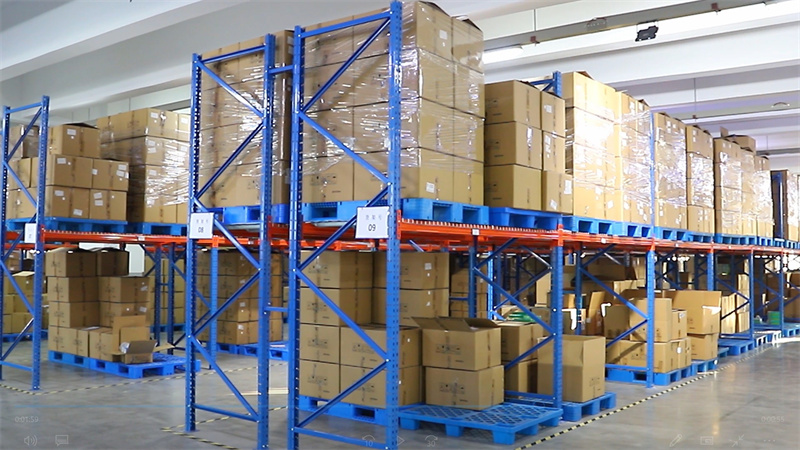
Transporting medical implants to islands like Tarawa or Kiritimati (Christmas Island) requires complex air-sea routing. We design custom shipping protocols using moisture-barrier, reinforced shock-proof outer packaging to protect sterile barrier seals. Our partnerships with top global air carriers and Pacific regional shipping lines guarantee predictable delivery timelines.
We supply complete commercial and regulatory documentation portfolios—including certificate of analysis, compliance declarations, customs harmonized codes (HS Code: 9021.90), and sterilization records. This documentation eliminates delay risks with Kiribati Customs and complies with regional medical procurement guidelines.
Recognizing the challenges of holding vast inventory in remote Pacific locations, we support local health boards to establish smart implant consignments. This ensures essential sizes (e.g., standard tibial and femoral nails ranging from 9mm to 11mm diameters) remain available in operating theaters, minimizing stockouts during unexpected trauma incidents.
Each nail system is supported by specialized, reusable instrumentation sets containing targeting guides, reamers, and extraction tools. We provide digital training manuals, biomechanical videos, and online technical support so surgical teams in Kiribati can safely use our systems with minimal technical guidance.
Advancing clinical efficacy, mitigating infection vectors, and improving mechanical outcomes in modern orthopedic trauma medicine.
Research is focused on applying silver-ion and polymer coatings to implant surfaces. These coatings prevent bacterial colonization and biofilm formation, which is vital in tropical areas where infection control requires extra care.
Our upcoming range of dynamic telescoping systems allows micro-movements across the fracture gap under physiological loading, stimulating early callus formation and accelerating natural bone healing cycles.
We are piloting web-accessible pre-operative planning software. This tool enables orthopedic surgeons in remote clinics to upload digital X-rays and receive precise recommendations on optimal nail diameter, length, and entry points.
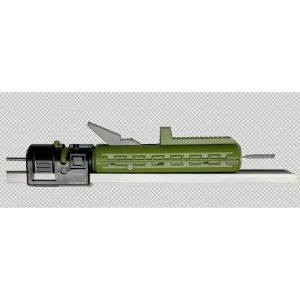
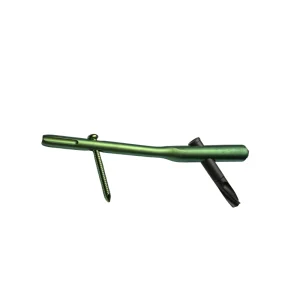
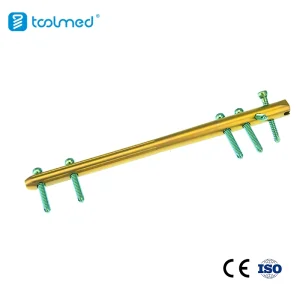
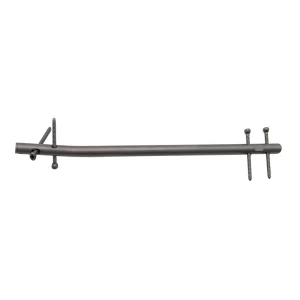
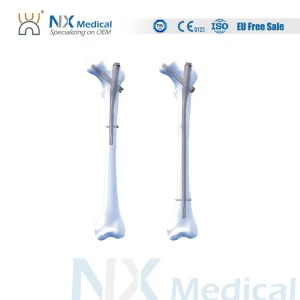
A complete selection of humeral, femoral, and tibial internal fixation systems designed for both pediatric and adult traumatology applications.
Clear insights regarding clinical indications, delivery mechanics, and customization for hospitals and procurement managers.
We cooperate with global freight forwarders specialized in healthcare transport, managing custom clearance routes through major regional transit points (such as Nadi, Fiji or Brisbane, Australia). All implants are shipped in protective export crates with detailed documents, reducing customs holding times to a minimum.
Yes, our facilities and manufacturing protocols hold CE, MDR (Medical Device Regulation), and US FDA registrations. We follow the strict ISO 13485 quality standard, providing complete raw material documentation and production stage testing reports.
Titanium alloy exhibits excellent resistance to stress corrosion and bio-chemical wear, which is crucial in coastal climates with high humidity and ambient salt concentration. Its lower density and structural elasticity also prevent stress shielding of bone segments during long-term integration.
Yes, we manufacture complete reusable targeting guides, screw-depth meters, dynamic reamers, and extraction tools. These sets are configured to match corresponding tibial, femoral, and humeral nails, ensuring precise mechanical alignment during surgery.
Yes. We support custom orders, including specialized length modifications, local system configurations, and custom packaging. Please reach out to our team with your surgical system drawings or specifications.