 Grai Orthopedic Implants
Grai Orthopedic Implants
Grai Orthopedic Implants
Immediate access to Class III sterilized revision components and high-precision trauma instrumentation engineered for immediate operative deployment.
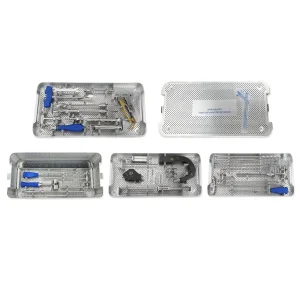
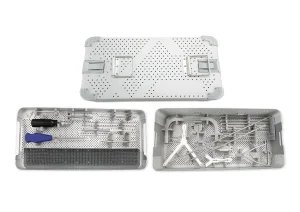
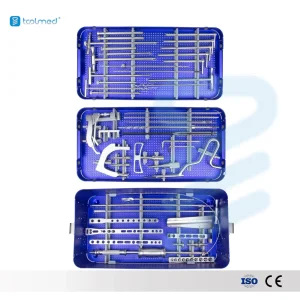
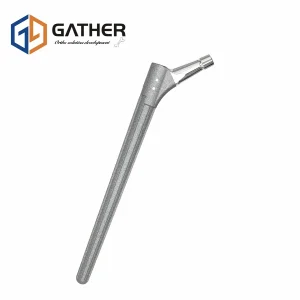
Evaluating the mechanical stress profiles, industrial epidemiology, and reconstructive joint burdens in Orkhon Province.
Erdenet, as the administrative capital of Orkhon Province and the second-largest municipal hub in Mongolia, holds a unique clinical demographic profile. Built around one of the world's primary copper and molybdenum mining infrastructure complexes, the regional workforce experiences severe physical biomechanical loads over prolonged operational cycles. The convergence of heavy manual labor, sub-zero continental climatic conditions (with winter temperatures dropping below -35°C), and elevated occupational joint strain has resulted in a marked incidence of advanced musculoskeletal degenerative disorders. Specifically, secondary osteoarthritis, severe post-traumatic joint deformities, and avascular necrosis of the femoral head (AVN) manifest at significantly higher rates in Orkhon Province than national baseline averages.
While primary Total Hip Arthroplasty (THA) and Total Knee Arthroplasty (TKA) procedures have scaled across regional medical centers—most notably within the Erdenet Med Regional Diagnostic and Treatment Center and affiliated healthcare institutions—the medical community faces a growing secondary wave: complex revision arthroplasty. Implants placed over the past two decades are reaching the end of their operational lifespan, suffering from aseptic loosening, osteolysis driven by ultra-high-molecular-weight polyethylene (UHMWPE) wear debris, mechanical implant fatigue, and periprosthetic fractures.
Revision surgeries in Erdenet frequently present with extensive bone defects (Paprosky Type II/III acetabular and femoral loss), compromised ligamentous stability, and structural osteopenia. Standard primary joint replacement systems are clinically insufficient. Success requires highly modular revision stems, porous trabecular titanium augments, offset sleeves, and constrained condylar knee (CCK) systems supplied through resilient, ISO 13485-certified international supply chains.
To meet this acute surgical demand, healthcare providers and medical equipment importers across Erdenet require direct access to advanced China Factory 4.0 medical device manufacturers capable of delivering CE-MDR and FDA-compliant revision implant sets with full raw material traceability and emergency supply capability.
Addressing severe osseous deficits, periprosthetic joint infections (PJI), and mechanical instability in revision cases.
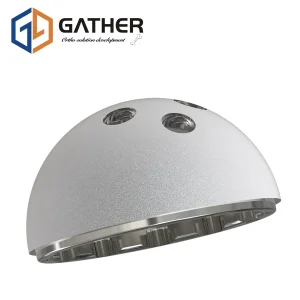
Integrated acetabular cages, modular trabecular titanium augments, and structural hemispherical shells engineered to bridge extensive cavity defects. Enables biological osteointegration and primary mechanical stability in severely compromised pelvises.
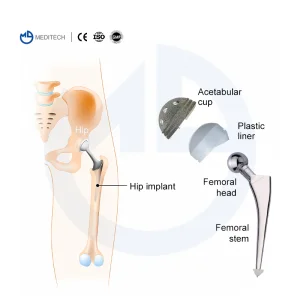
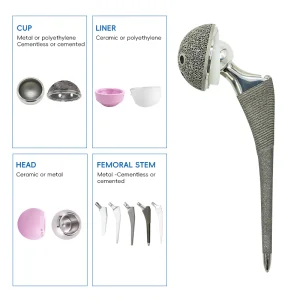
S-ROM titanium alloy cementless revision stems featuring fluted tapered geometry and metaphyseal sleeves. Achieves rotational restraint and distal cortical anchorage independent of compromised proximal femoral bone quality.
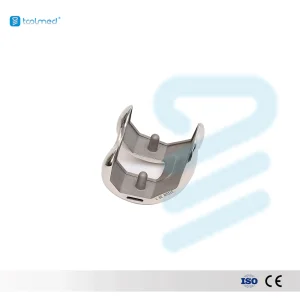
High-constraint Total Knee Arthroplasty (TKA) systems with intermodular stem extensions, femoral/tibial metal wedges, and rotating hinge mechanisms to restore sagittal and coronal alignment in knees with complete collateral ligament failure.
Infection management represents one of the most severe challenges in joint revision surgery. Effective treatment in Erdenet requires a standardized two-stage revision strategy. The primary stage involves radical joint debridement, implant explantation, and continuous high-pressure irrigation using Disposable Pulsed Lavage Systems. Antibiotic-loaded polymethylmethacrylate (PMMA) spacers are temporarily implanted to preserve joint space and maintain local antibiotic eluting concentrations before final reconstructive implantation.
Pioneering additive manufacturing, highly cross-linked polymers, and micro-structuring for extended implant survival.
The biomechanical stability of revision joint systems relies on advanced material sciences. Our R&D division continuously introduces innovations designed to reduce wear debris, prevent osteolysis, and encourage rapid osseointegration under severe biomechanical environments:
Utilizing Electron Beam Melting (EBM) additive manufacturing to produce trabecular structures with 60-70% porosity and 300-500 µm pore size, mimicking natural human cancellous bone to promote deep vascularized bone ingrowth.
Infusing Highly Cross-Linked Polyethylene (HXLPE) with Vitamin E (α-tocopherol) to neutralize free radicals, eliminating oxidation degradation and reducing volumetric wear rates to under 1.8 mm³ per million cycles.
Integrating pre-operative CT digital modeling software with patient-specific cutting blocks (PSI), enabling surgeons in Erdenet to achieve exact anatomical axial restoration and precise bone resection depth.
15,000 m² state-of-the-art medical production campus backed by ISO 13485, CE MDR, and FDA international certifications.
Our manufacturing complex operates at the pinnacle of orthopedic biomedical engineering. Covering an expansive footprint of 15,000 square meters, the facility employs over 500 specialized personnel, including a dedicated core of 8 Senior Biomedical & Metallurgical Engineers and 10 Quality Control Inspectors. Every revision implant and instrument set is produced under cleanroom conditions adhering strictly to ISO 13485, BSCI, CE (MDR), and Class III FDA quality management standards.
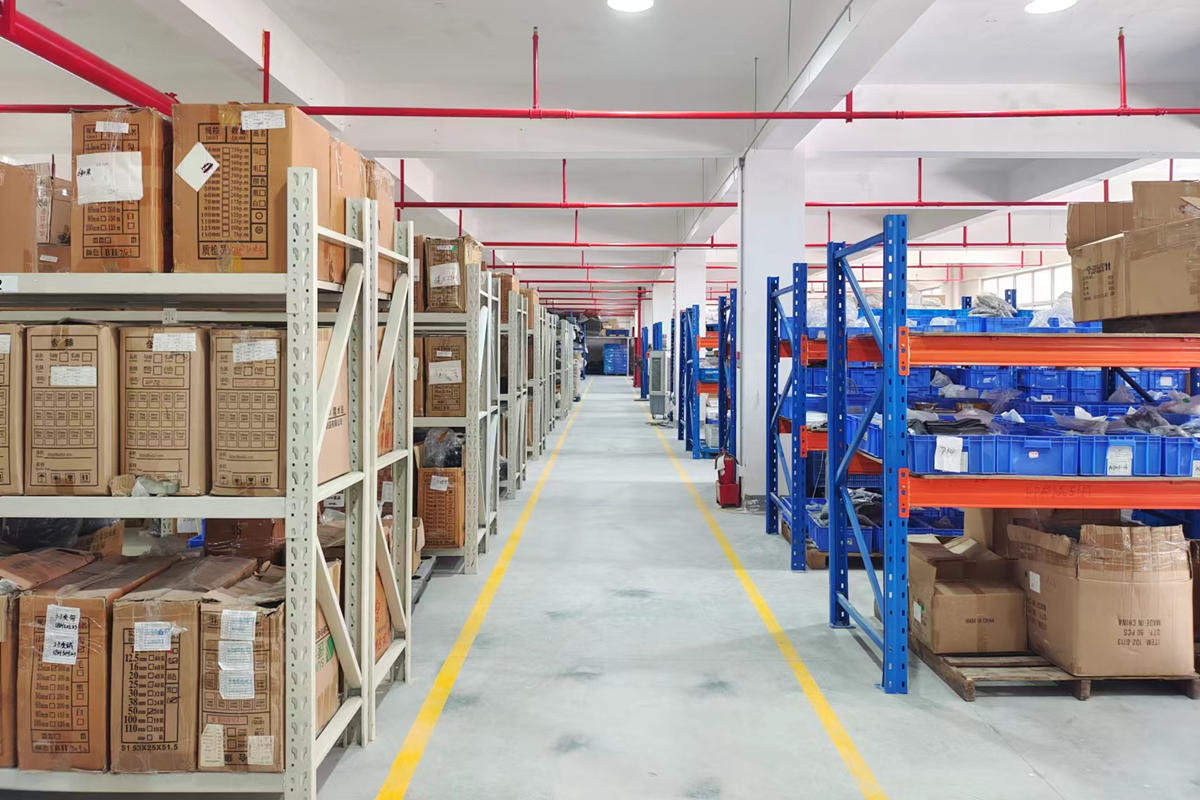
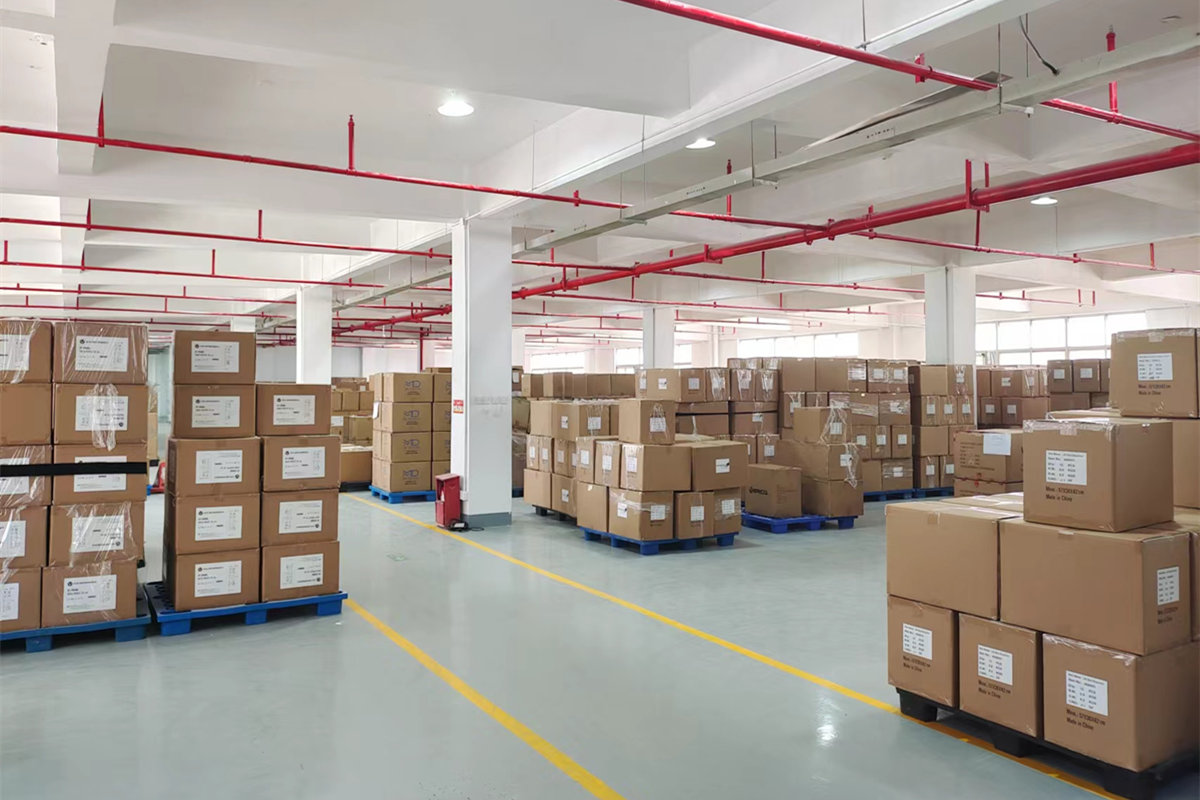
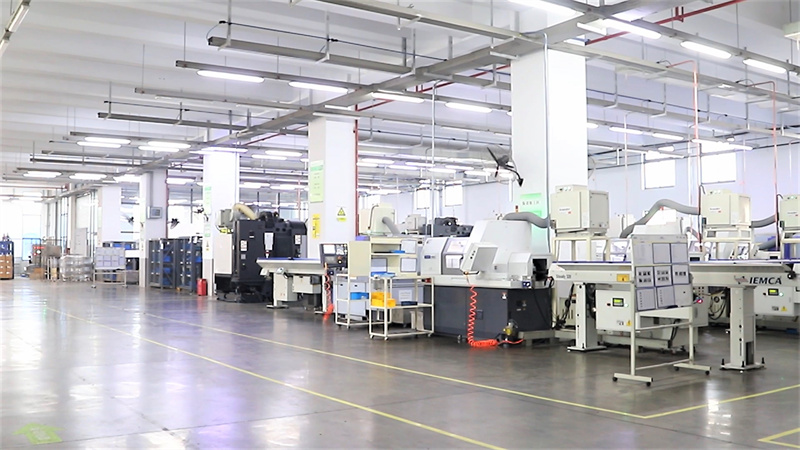
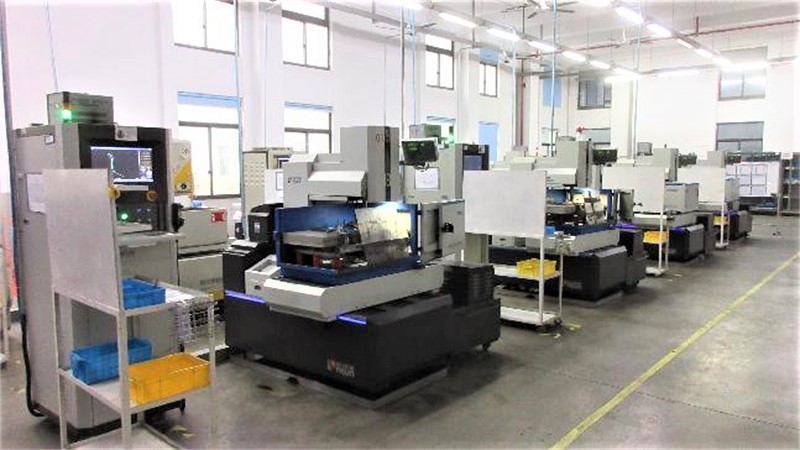
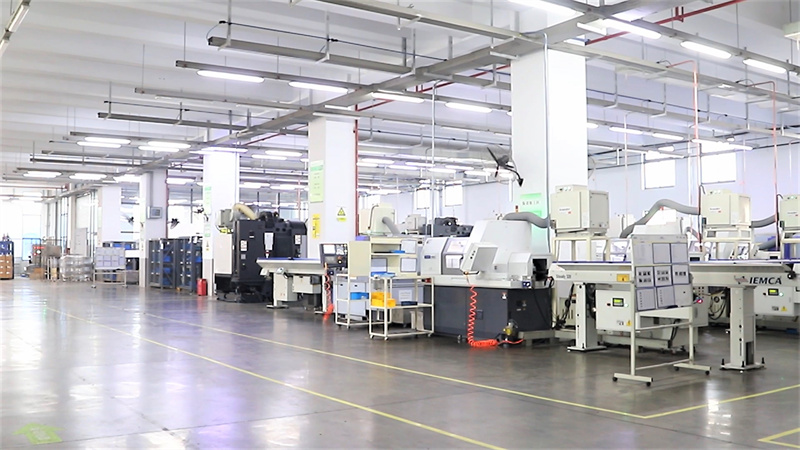
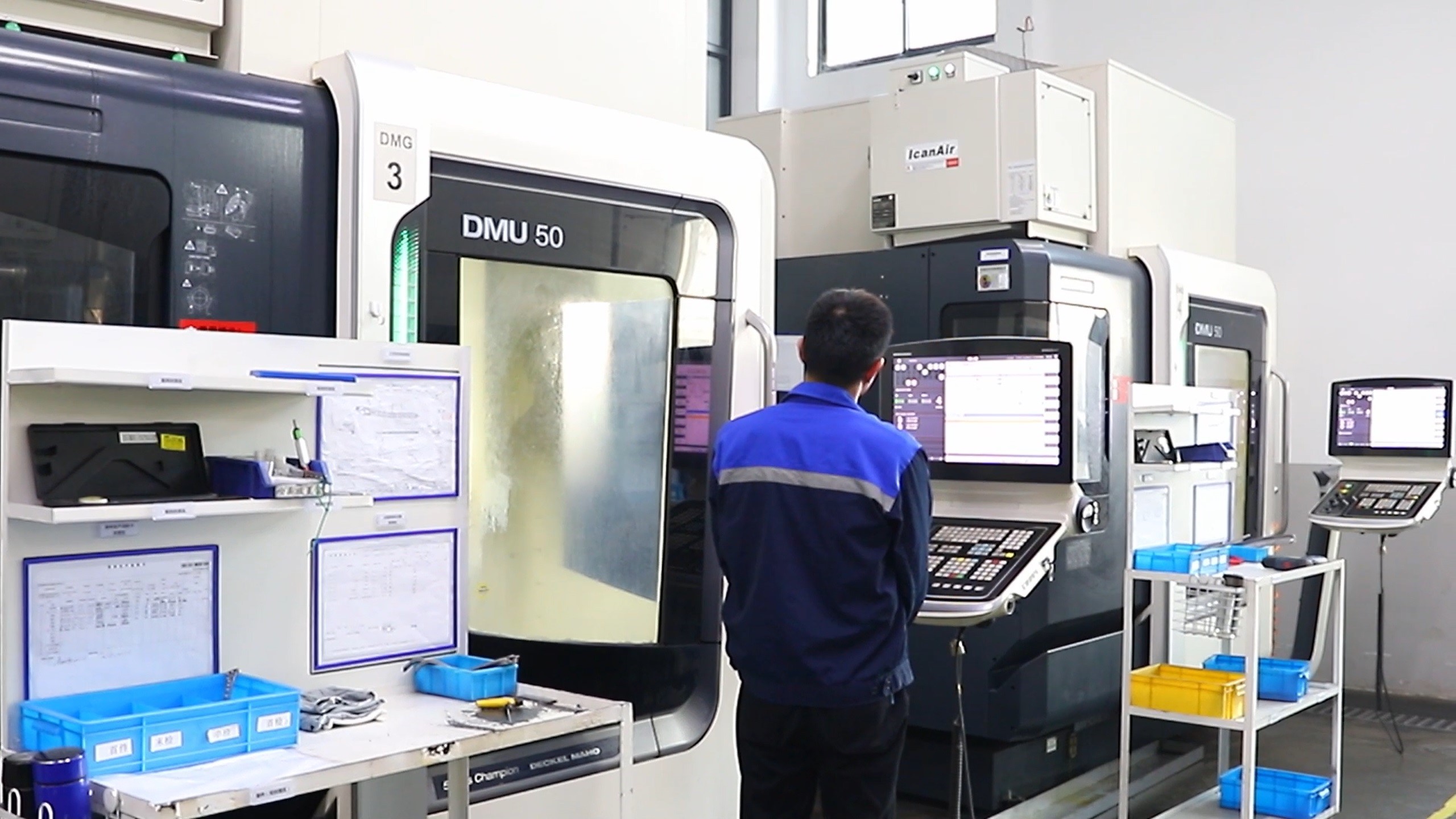
Quality assurance begins at the raw material stage. We utilize exclusively medical-grade Titanium Alloy (Ti-6Al-4V ELI conforming to ASTM F136), Cobalt-Chromium-Molybdenum (CoCrMo ASTM F75), and certified UHMWPE resins. Every material batch undergoes optical emission spectrometry analysis, mechanical tensile testing, and microstructural verification. Full bar-code tracking ensures 100% end-to-end traceability from raw ingot to finished sterile implant pack delivered to hospitals in Erdenet.
Streamlined MOH registration protocols, expedited customs clearance, and sterile packaging protection.
Importing Class III medical devices and complex revision joint systems into Mongolia demands strict regulatory adherence to the guidelines established by the Mongolian Ministry of Health (MOH) and the General Agency for Specialized Inspection (GASI). Our export team provides full regulatory dossiers—including Free Sale Certificates (FSC), ISO 13485 documentation, CE declaration of conformity, bio-compatibility test reports (ISO 10993), and sterilization validation certificates (ISO 11137)—to ensure frictionless registration and customs processing.
Implants are sealed in double-layer Tyvek/PET blisters and gamma-sterilized. Packaging is drop-tested and validated to withstand extreme cold-chain transport conditions down to -40°C without compromising barrier integrity.
Direct supply lines connecting our central manufacturing hub to Ulaanbaatar and onward to Orkhon Province via dedicated logistics partners, offering emergency 72-hour air-freight delivery for urgent revision trauma cases.
Comprehensive surgical technique guides, 3D animated surgical workflow videos, and hands-on sawbone model demonstration sets supplied directly to orthopedic departments and chief surgeons in Erdenet.
Flexible manufacturing arrangements, buffer stock agreements, and comprehensive warranty coverage for international distributors.
We provide institutional procurement partners and medical equipment distributors in Mongolia with flexible procurement frameworks tailored to institutional tenders and private healthcare group requirements:
Explore our certified range of knee prostheses, revision hip stems, pulsed lavage systems, and orthopedic trauma kits.
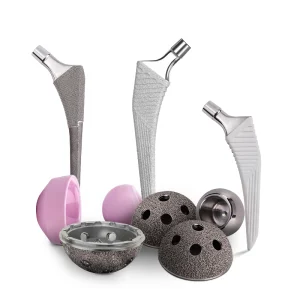
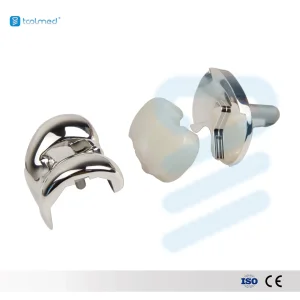
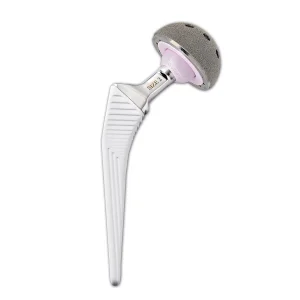
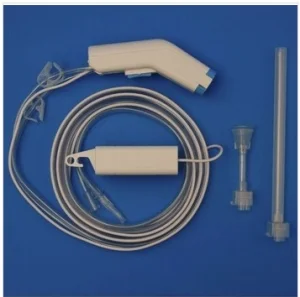
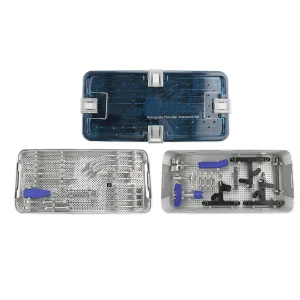
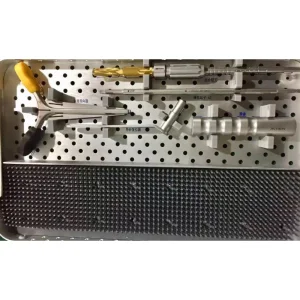
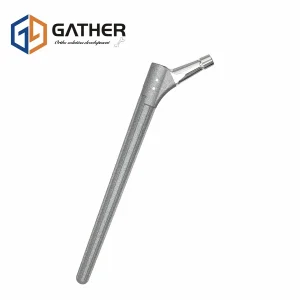
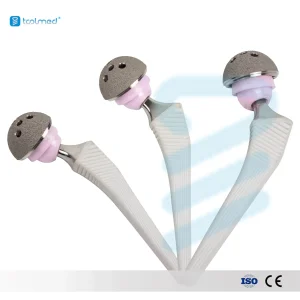
Addressing surgical, logistical, and technical compliance inquiries for importers and orthopedic surgeons in Erdenet.
Access high-precision revision hip and knee joint replacement systems, dedicated surgical instrument sets, and reliable localized supply chain support for Orkhon Province.
Contact Our Global Export Team Now