Grai Orthopedic Implants
Grai Orthopedic Implants
Grai Orthopedic Implants
Advanced spine fixation components utilized for corrective surgery configurations and pediatric deformity stabilization in clinical networks.
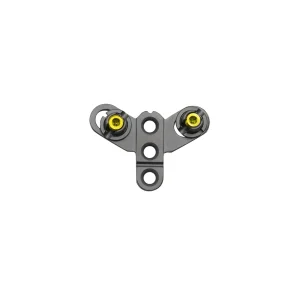
Evaluating regional logistical channels, healthcare demands, and procurement protocols for complex spinal instrumentations.
Samoa’s healthcare system, steered primarily by the National Health Services (NHS) and clinics based in Apia (such as the Tupua Tamasese Meaole Hospital), relies heavily on robust international supply partnerships to access highly specialized orthopedic devices. Because localized smelting or raw medical titanium processing is absent in the South Pacific island nations, establishing a direct pipeline to certified Spinal Hooks & Rods factories is critical. Devices used for posterior spinal instrumentation require stringent biological compatibility and mechanically sound properties to withstand regional physiological loads.
Given Samoa's remote geographic profile, surgical delay caused by implant failure or sizing discrepancies is a significant clinical risk. This makes the procurement of versatile spinal kits containing various laminar hooks, pedicle screws, and crosslinks indispensable. Spinal correction operations, particularly those treating severe congenital scoliosis or degenerative instabilities, necessitate modular constructs. Implants must feature an excellent strength-to-weight ratio, typical of medical-grade titanium alloys (Ti-6Al-4V ELI), to prevent hardware fatigue. By working directly with factory channels, healthcare agencies in Samoa can bypass intermediate brokers, securing custom instrumentation configurations and comprehensive raw material traceability certificates essential for local regulatory clearance.
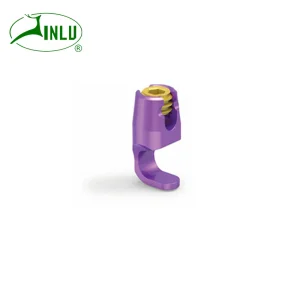
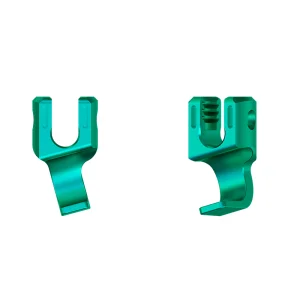
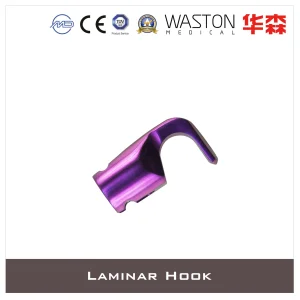
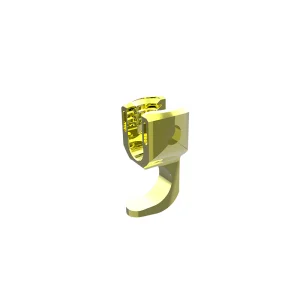
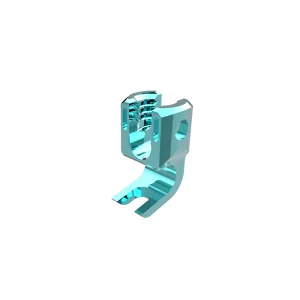
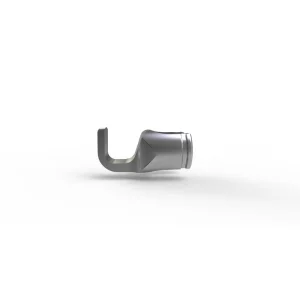
Unlike standard pedicle screws, which rely entirely on the cancellous and cortical bone of the pedicle, spinal hooks utilize the structural integrity of the lamina, transverse processes, or pedicle notch to secure the vertebral construct. This mechanical distribution is crucial in pediatric patients with fragile bone mineral density or in patients with severe vertebral deformities where anatomy is compromised.
Our production facilities employ advanced Finite Element Analysis (FEA) to simulate dynamic physiological stresses, assuring that all hooks and rods conform to international ISO and FDA benchmarks. The rounded edges of our hooks are meticulously polished using automated vibratory systems to eliminate micro-abrasions, preventing localized metal debris and reducing the incidence of post-operative metallosis.
Connecting the biomechanical constructs requires spinal rods that balance flexibility with rigidity. During spinal deformity correction surgeries, surgeons bend the titanium rods to replicate sagittal lordosis and coronal alignment. The rods must resist notch sensitivity, meaning any superficial scratches caused by benders must not propagate into macro-cracks under cyclical loading.
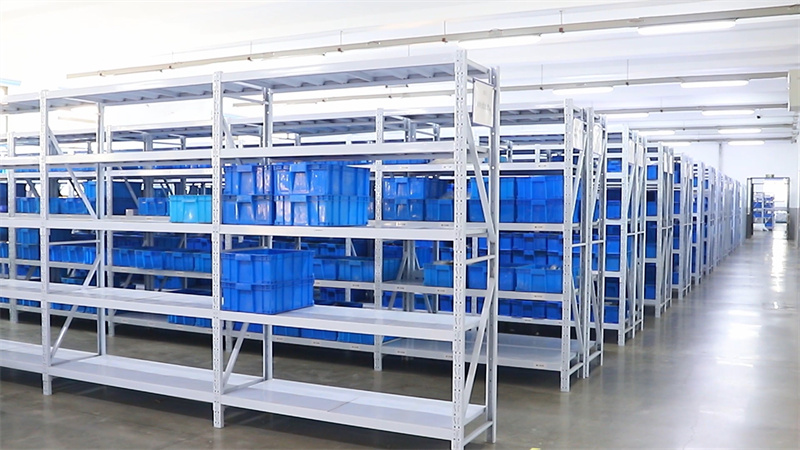
All titanium and cobalt-chromium rods manufactured in our state-of-the-art facility are subjected to rigorous ultrasonic testing. We implement a barcoded raw material verification system, ensuring every rod and hook can be traced back to its specific titanium ingot batch. This level of quality assurance is critical for surgeons demanding reliable performance in high-risk spinal procedures.
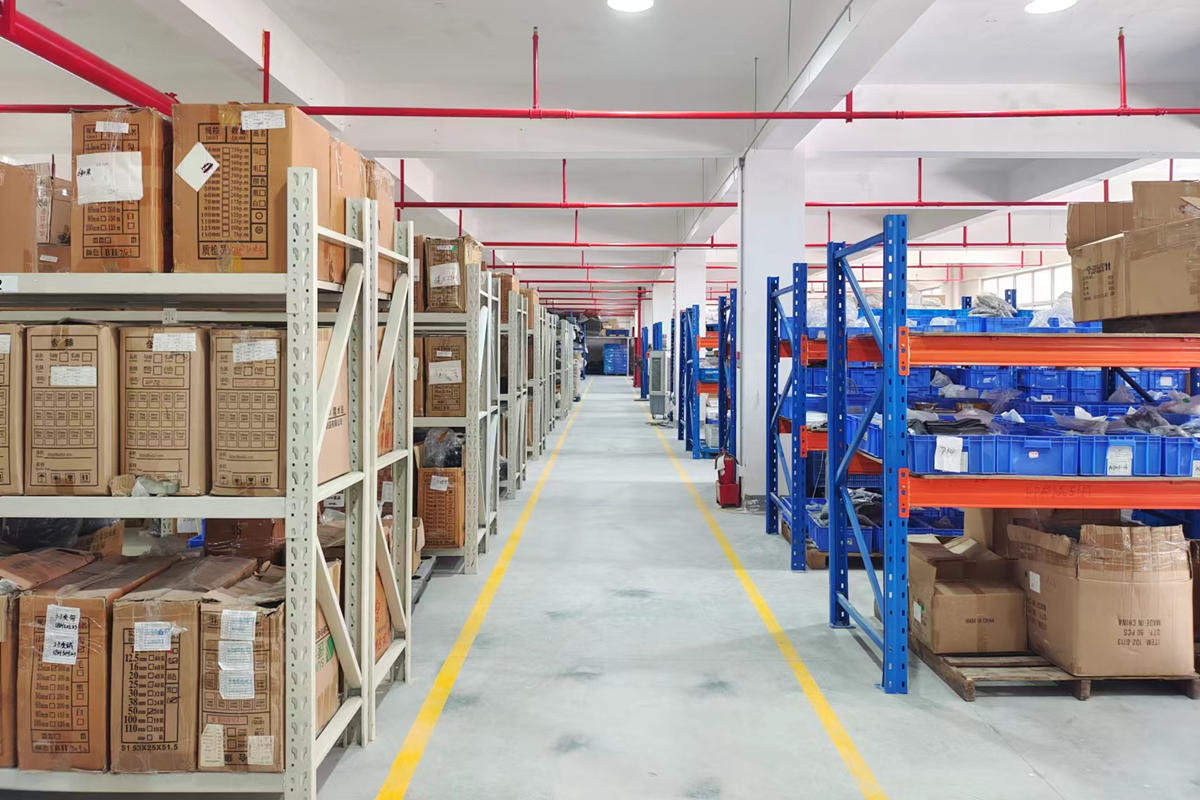
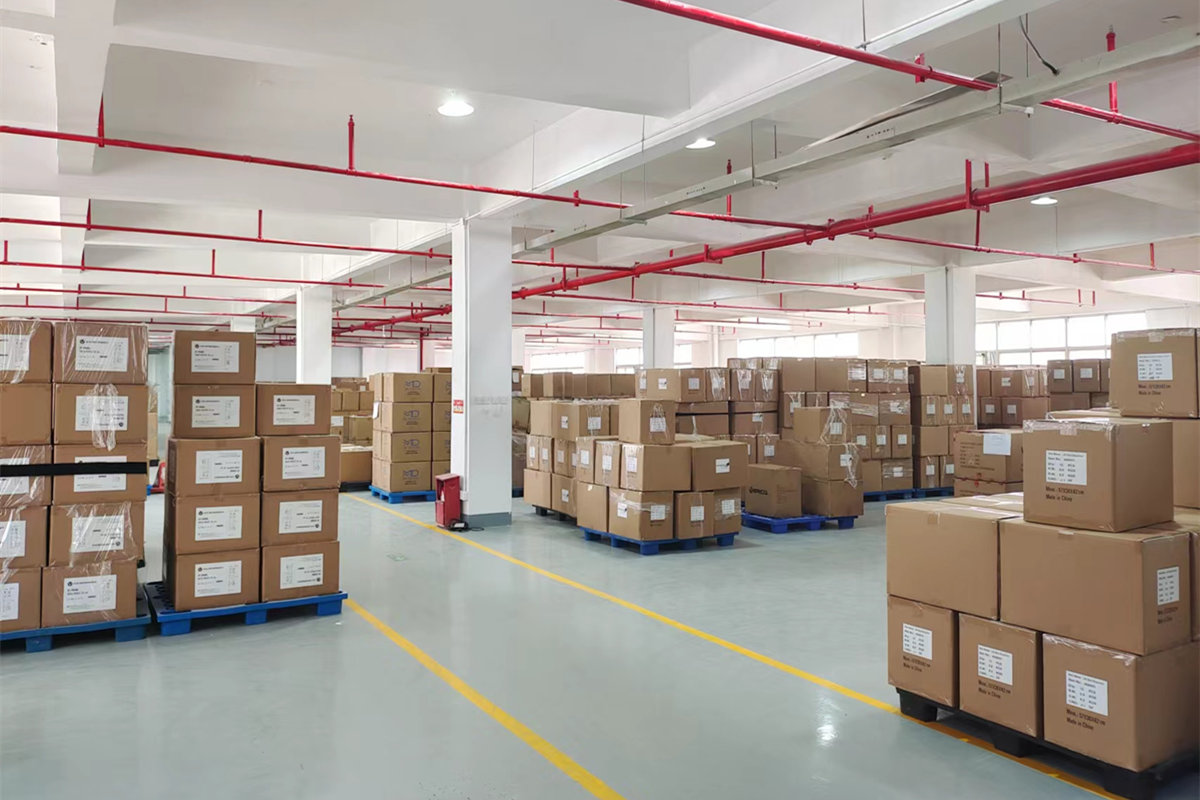
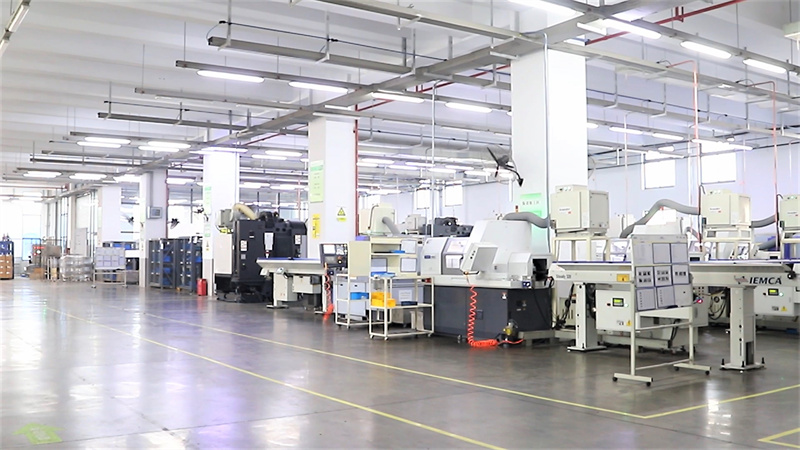
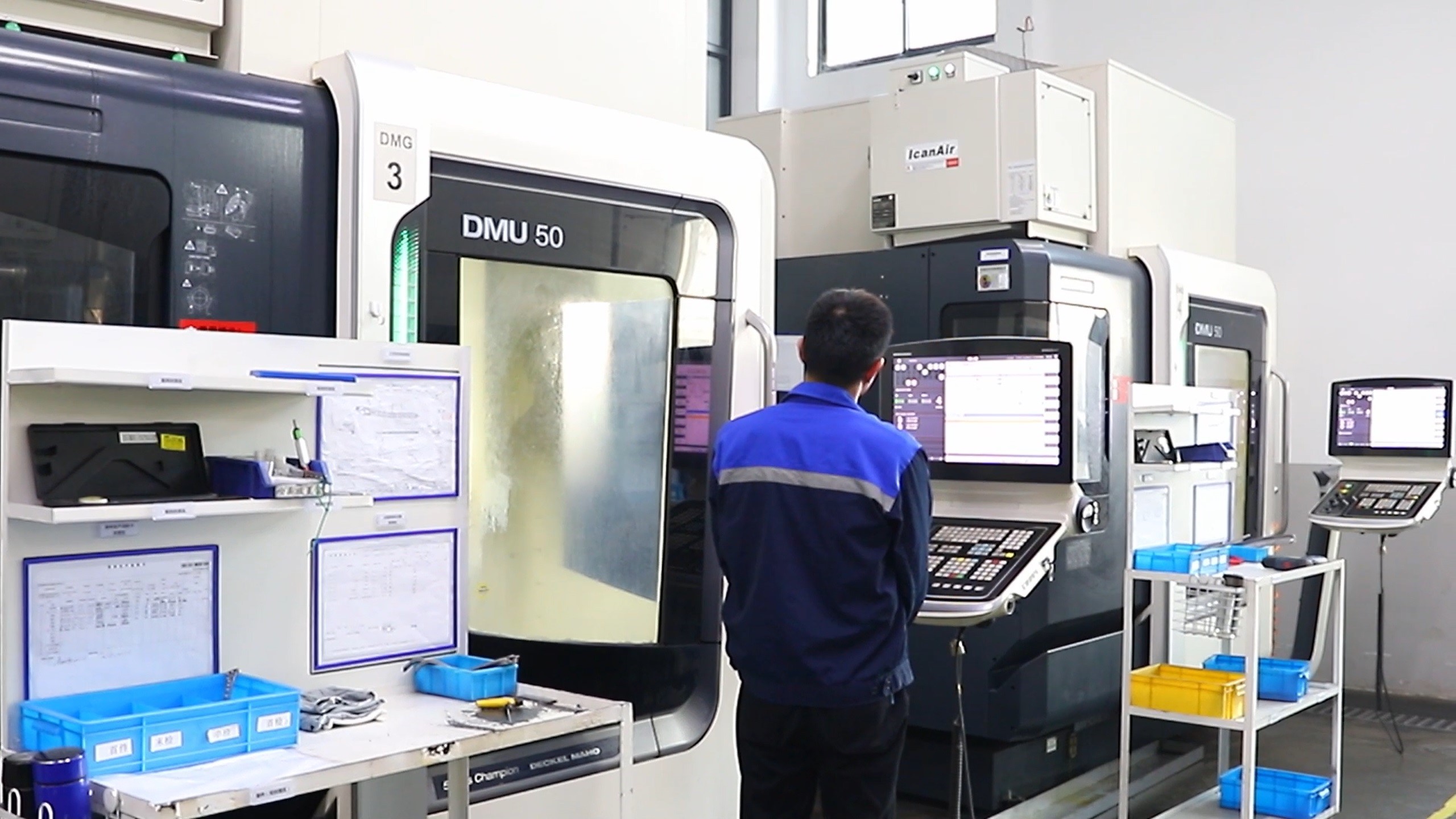
Operating a 15,000 m² factory equipped with precision machinery to manufacture spinal devices compliant with FDA and MDR standards.
Our orthopedic factory employs 500 skilled professionals, including 8 senior research and development engineers and 10 quality control officers. Operating under strict ISO 13485 regulations, the plant ensures minor customizations can be safely integrated to fit unique anatomical needs. Through raw material traceability identification, semi-finished product inspections, and comprehensive testing in advanced laboratory facilities, we maintain defect-free yields across all 300+ models available.
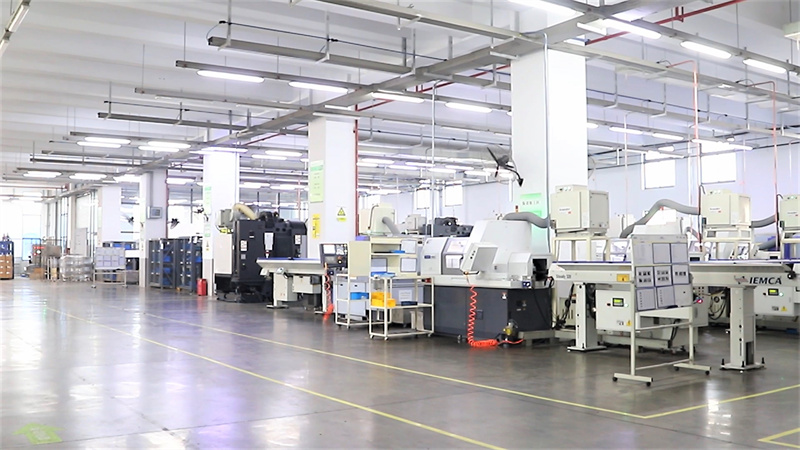
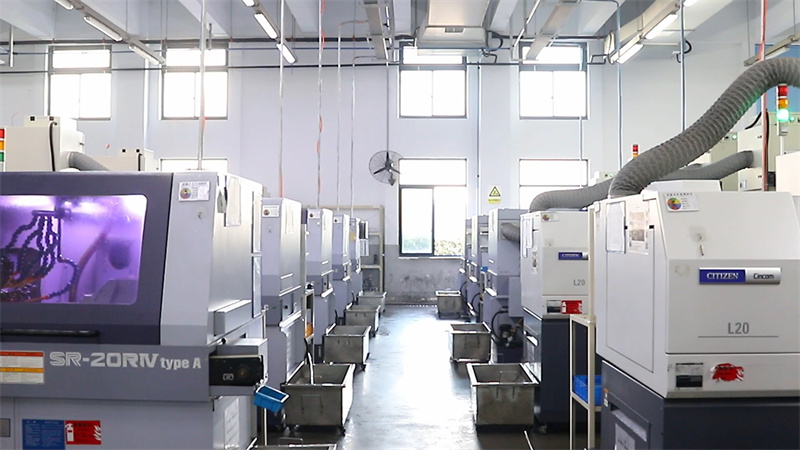
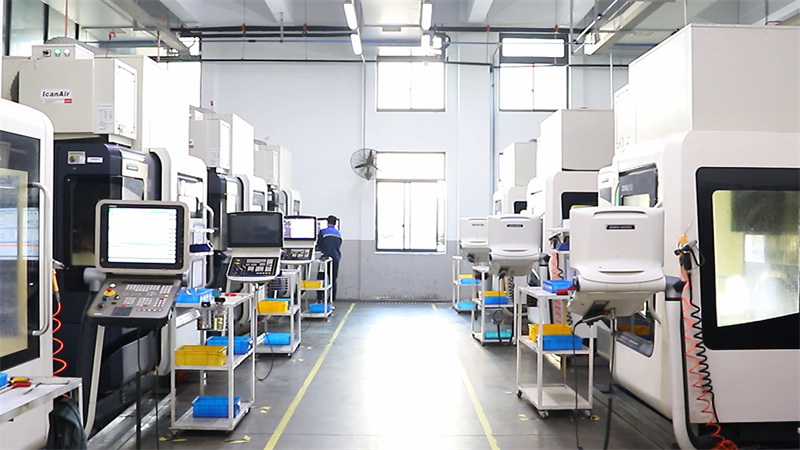
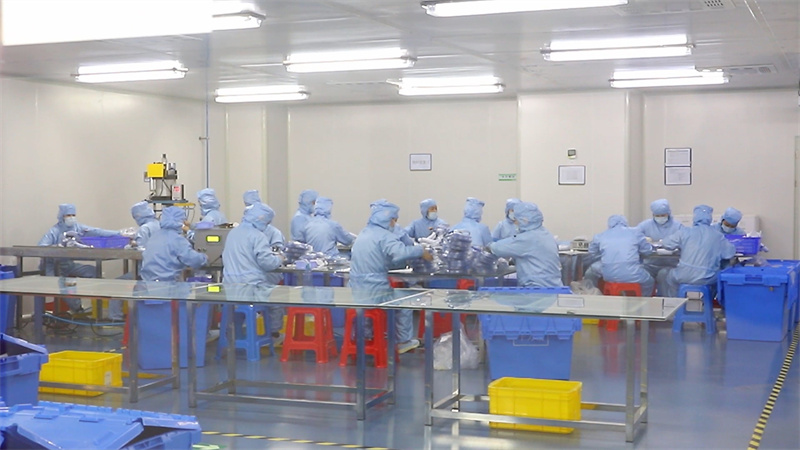
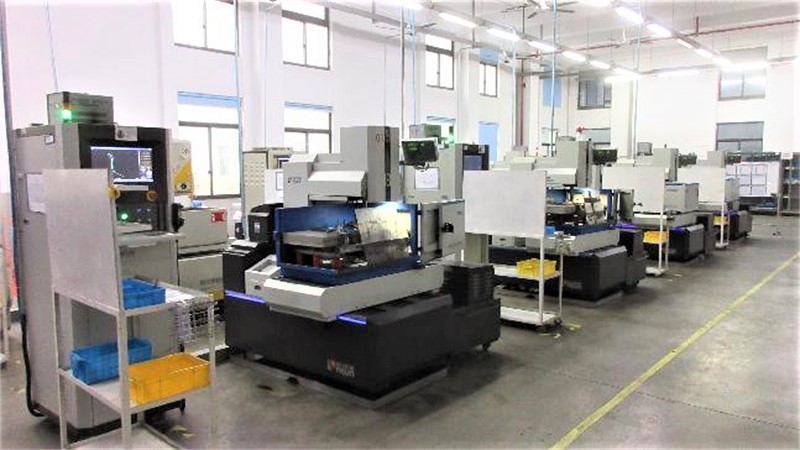
Pioneering advanced metallurgical and surface engineering technologies to optimize long-term clinical integration.
As spine surgery advances toward minimally invasive surgery (MIS) and computer-assisted navigation, the designs of spinal hooks and rods are transitioning. Next-generation systems will incorporate additive manufacturing (3D printing) to customize bone-contact interfaces. By fabricating porous titanium lattices on the inner surface of laminar hooks, implants can stimulate rapid osseointegration, reducing reliance on mechanical friction alone.
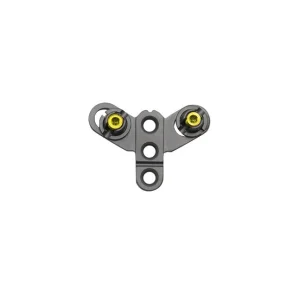
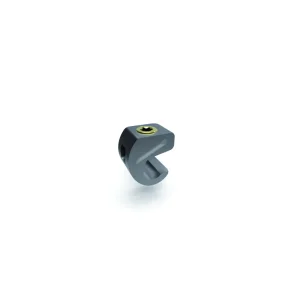
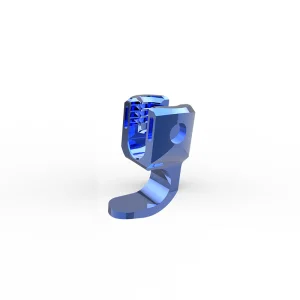
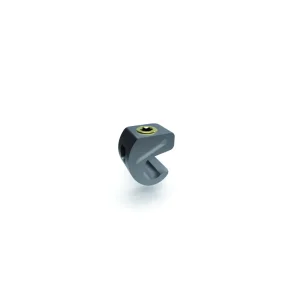
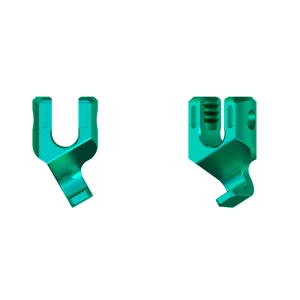
Explore our extensive medical device list, including pedicle connectors, laminar systems, and specialty hooks tailored for complex spine operations.
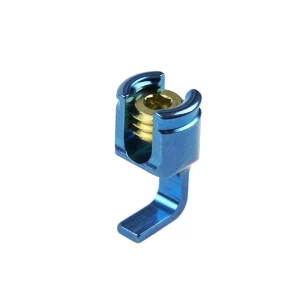
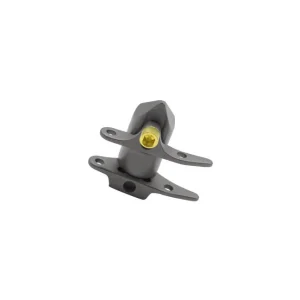
Addressing key engineering, regulatory, and shipping questions for medical buyers in Samoa and the APAC region.
Our spinal hooks and rods are manufactured exclusively from high-strength Titanium Alloy (Ti-6Al-4V ELI) conforming to ASTM F136 standards and Cobalt-Chromium-Molybdenum alloys. These materials offer superb biocompatibility, high fatigue limits, and resistance to corrosion inside the human body.
Every batch of spinal implants undergoes chemical composition verification, metallurgical analysis, and mechanical stress tests (such as static and dynamic compression fatigue testing). Our factory is certified under ISO 13485, and each product undergoes manual and automated optical inspection before sterile cleanroom packaging.
Yes, all our spinal implant ranges are certified with CE (under EU MDR regulations) and FDA clearances. We supply full documentation packs, including Certificates of Conformity and Material Traceability Reports, to facilitate custom clearance processes at Apia ports.
Yes. Our engineering division of 8 senior R&D specialists can perform minor sizing customizations, low-profile modifications, and contouring services based on surgical templates. Please send us your design files and requirements via our contact form to coordinate directly with our engineering team.
We provide a one-year product replacement warranty. If any component exhibits manufacturing defects or fails to meet the specifications indicated in the product data-sheet prior to surgical deployment, we will provide replacements free of charge.
Partner with an ISO 13485 and CE certified factory. Get transparent pricing, material certifications, and reliable delivery to Samoa and global healthcare facilities.
Send Inquiry Now