Grai Orthopedic Implants
Grai Orthopedic Implants
Grai Orthopedic Implants
Advanced hooks optimized for modern surgical requirements in the Alberta Health network.
Understanding the demand for high-integrity instrumentation in Southern Alberta and worldwide.
As a core center of clinical excellence in Western Canada, Calgary serves as the premier hub for complex spine surgeries. Facilities like the Foothills Medical Centre and the University of Calgary Spine Program drive demand for biocompatible spinal rods, transverse hooks, and pedicle systems. Ensuring a reliable local supply chain reduces surgery lead times and optimizes inventory management under Alberta Health Services (AHS) regulations.
The global market for orthopedic fixation devices is migrating toward ultra-traceable raw materials (such as ASTM F136 implantable titanium) and strict manufacturing standards. With the transition to the Medical Device Regulation (MDR) in Europe and rigorous FDA 510(k) clearances in the US, suppliers must guarantee structural stability and chemical purity through comprehensive lot control and certificate tracking.
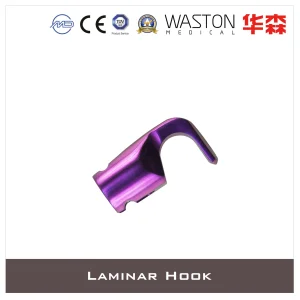
Modern biomechanical studies support hybrid posterior configurations that combine laminar hooks with pedicle screws. This approach reduces stress concentrations at the ends of long construct instrumentation. It also minimizes the incidence of Proximal Junctional Kyphosis (PJK), a primary concern for Calgary's spine specialists who perform corrective surgeries for degenerative disorders.
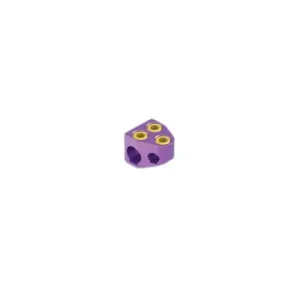
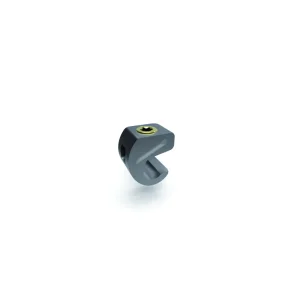
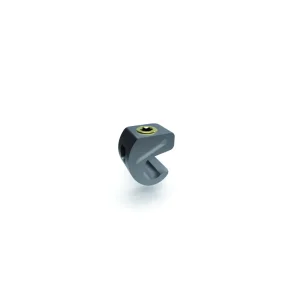
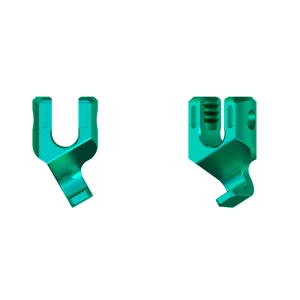
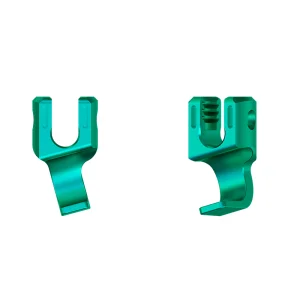
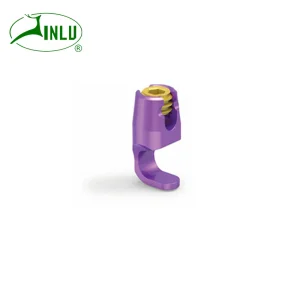
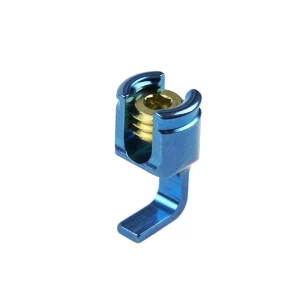
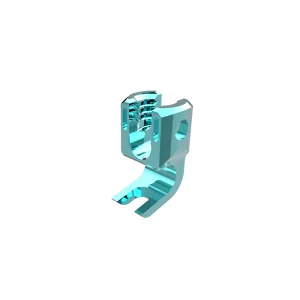
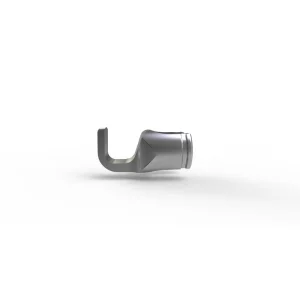
Historically, the development of spinal fixation systems began with hooks positioned on the lamina, transverse processes, and pedicles. While pedicle screws have become the dominant standard for lumbar fixation, spinal hooks remain essential for thoracic constructs and pediatric deformity corrections (such as early-onset scoliosis). Hooks distribute corrective forces across the posterior elements without risking breach of the spinal canal, especially in patients with extremely narrow pedicles. By utilizing a combination of pediatric spinal hooks and pedicle screws, spine surgeons in Calgary can establish multi-point fixation that balances mechanical rigidity with clinical safety.
Uncompromising compliance and state-of-the-art manufacturing facility statistics.
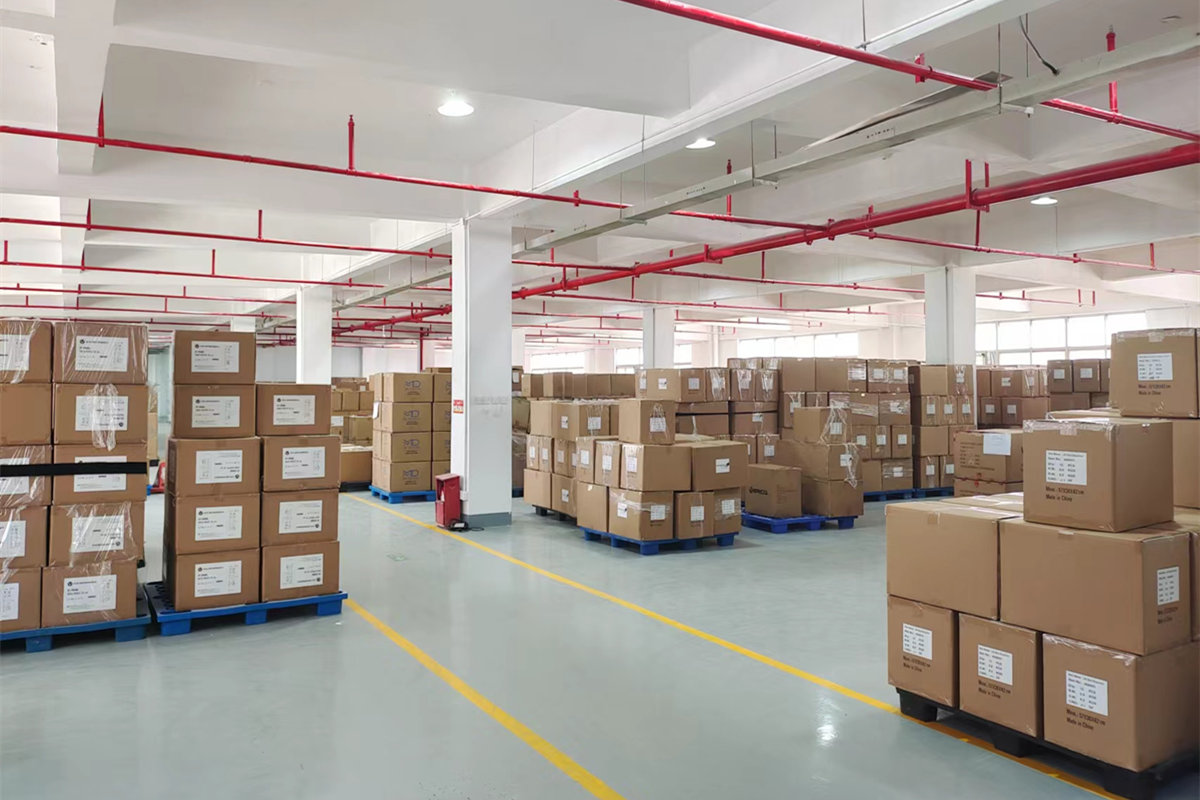
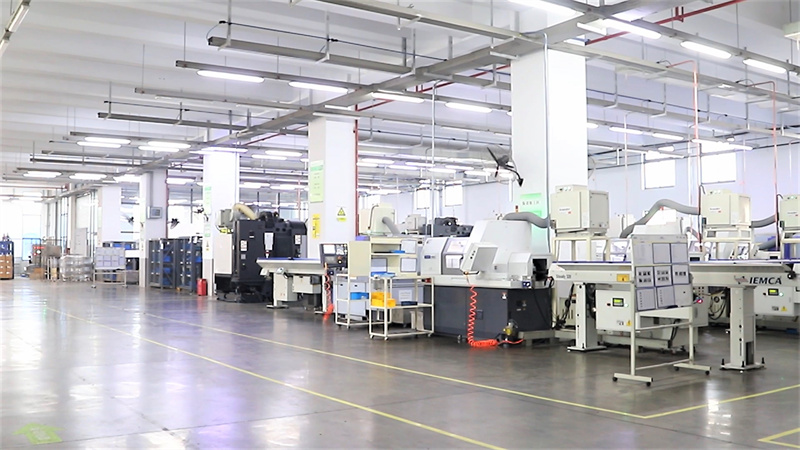
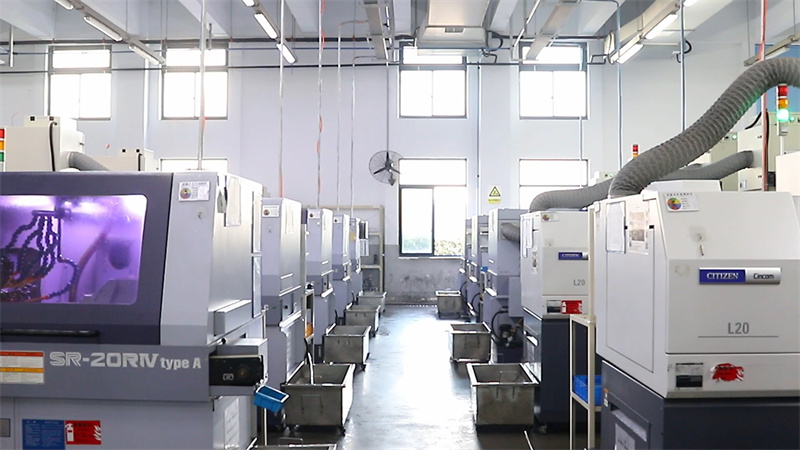
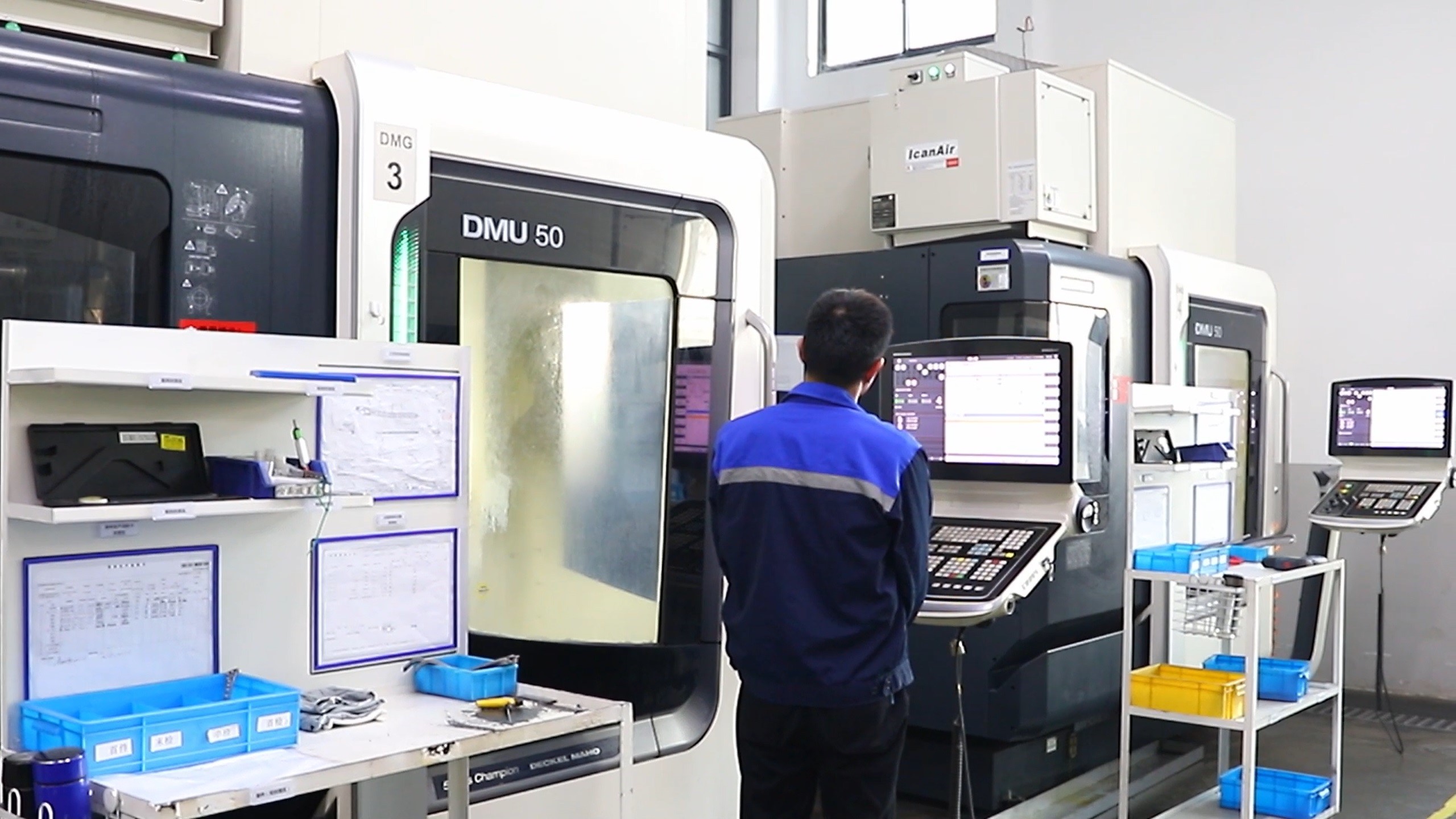
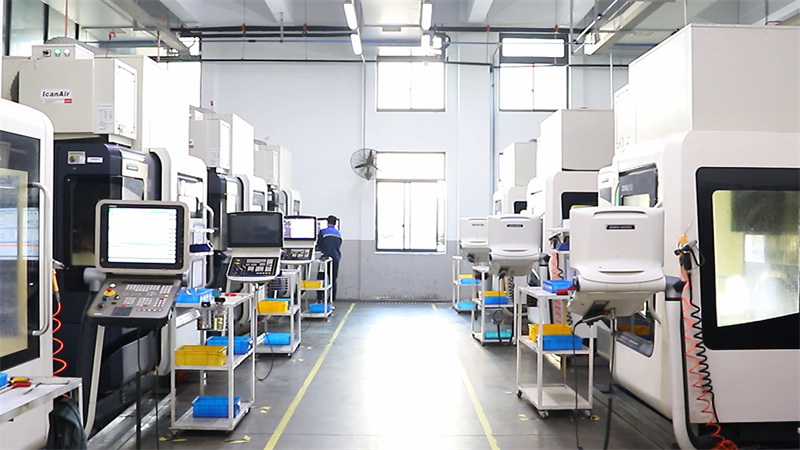
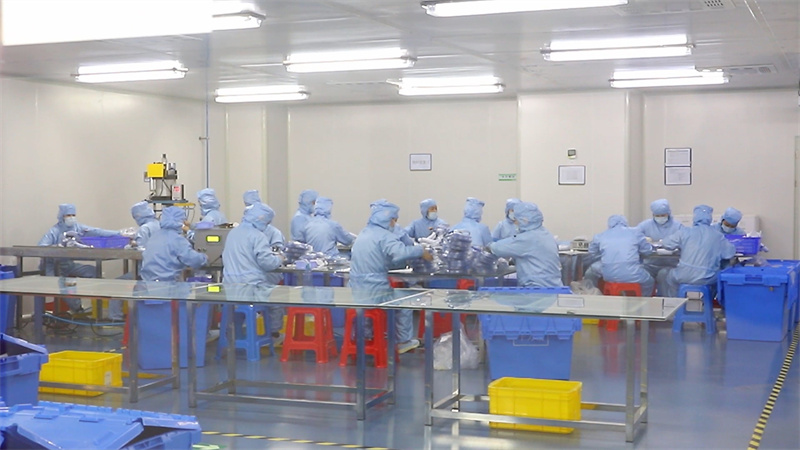
Our manufacturing facility represents the pinnacle of modern orthopedic fabrication. Certified under ISO 13485, BSCI, and fully registered to meet the regulatory mandates of the FDA and the European Union's MDR, we maintain a dedicated staff of 500 personnel. This team includes 8 senior research and development engineers and a 10-member Quality Control department. We ensure complete transparency through raw material batch analysis, semi-finished structural stress assessments, and 100% final dimensional inspections.
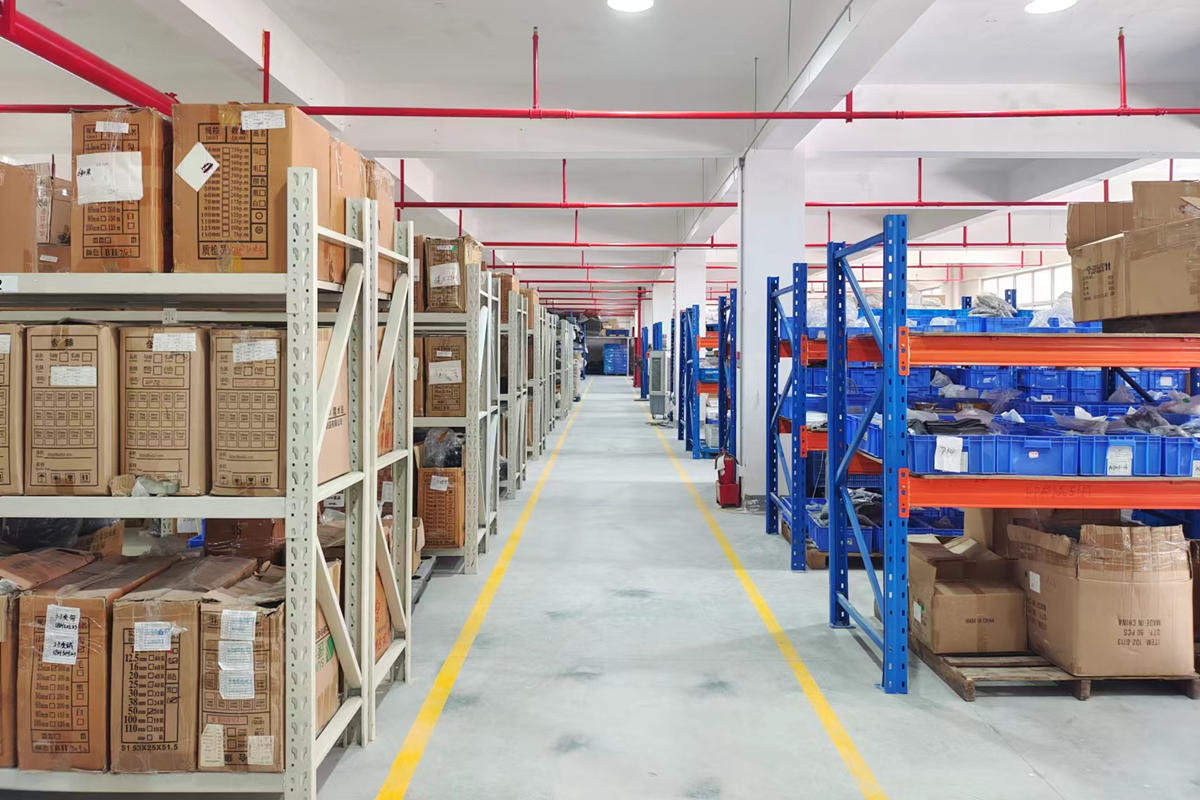
With more than 300 distinct orthopedic models available and 10 new innovations introduced monthly by our R&D team, we support hospitals and distributors in Calgary with minor customization options. This includes customized packaging, surface anodization finishes, and custom-angled hooks designed for specific clinical trials or anatomical anomalies.
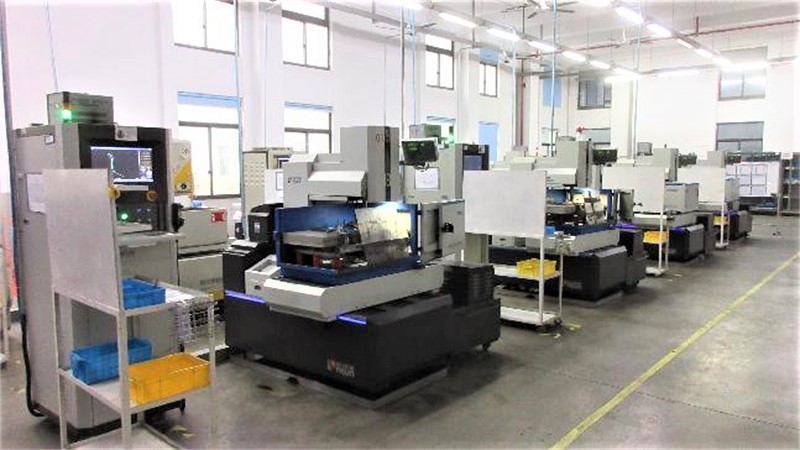
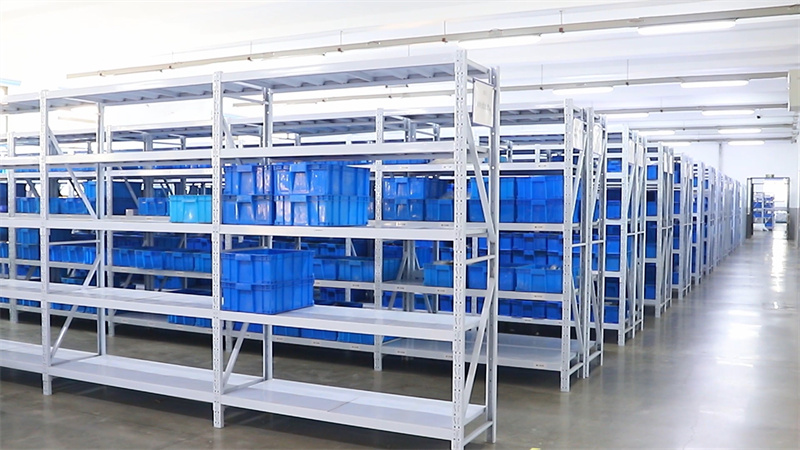
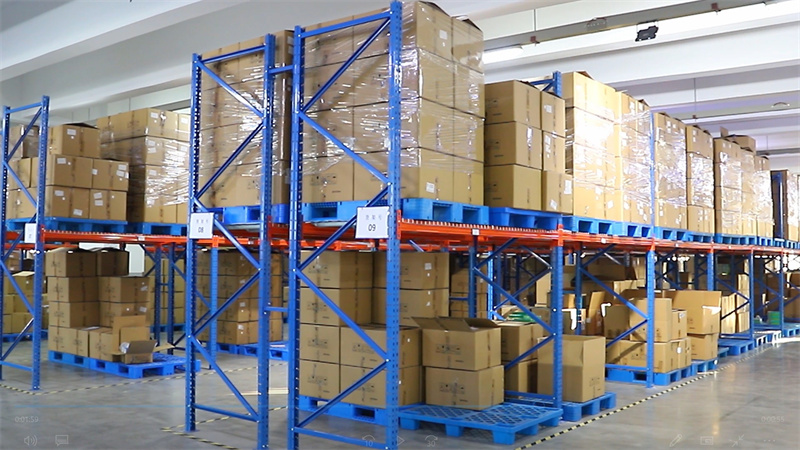
To maintain micro-tolerance thresholds required for implantable spinal systems, our factory uses advanced precision manufacturing methods:
Engineered for complex lumbosacral fusion, cervical alignment, and revision surgeries.
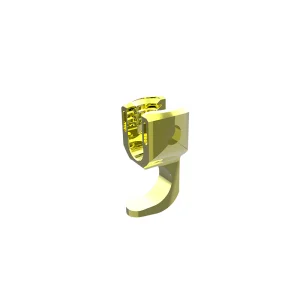
From rigid instrumentation to biomechanically dynamic, load-sharing implants.
The field of spinal instrumentation is shifting toward systems that mimic natural spinal flexibility while maintaining structural support. Rigid posterior constructs can lead to adjacent segment degeneration. To mitigate this risk, modern engineering focus has shifted to material optimization and geometrical design variations in laminar and pedicle hook components.
Early iterations prioritized maximum construct stiffness. Stainless steel implants and oversized rods restricted all degrees of freedom. While successful in achieving arthrodesis, these constructs caused significant stress shielding of the grafted bone, leading to weaker fusion masses.
The introduction of Ti-6Al-4V ELI (Extra Low Interstitial) allowed for a lower elastic modulus closer to cortical bone. The clinical integration of hybrid systems—combining laminar hooks at the upper instrumented vertebra (UIV) and pedicle screws inferiorly—demonstrated a reduction in junctional stresses. This combination has become the preferred model for scoliosis correction in Calgary's clinical networks.
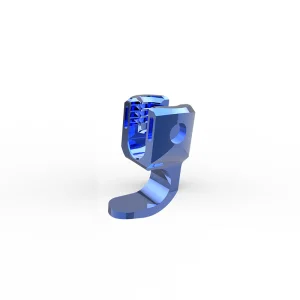
Modern development targets active osseointegration. Surface finishing technologies, such as acid etching and plasma-sprayed titanium coatings, are applied to the bone-facing contact zones of our laminar hooks. Additionally, offset designs permit lateral adjustment relative to the spinal rod. This minimizes bending stresses on the rod during assembly insertion, ensuring lower fatigue failure rates.
Tailored implant packages addressing specific spinal pathologies.
Designed for patients with low bone mineral density and small pedicle geometries. Pediatric hooks offer reliable purchase on the lamina without encroaching on the developing spinal canal.
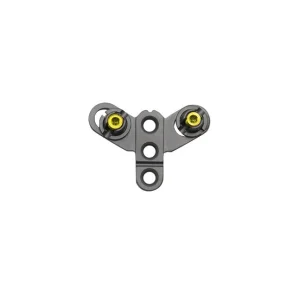
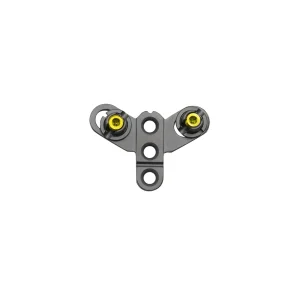
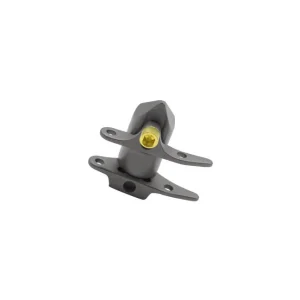
Provides immediate rotational stability for burst fractures and posterior column disruptions. High-torque crosslink connectors combined with offset hooks stabilize compromised vertebral structures.
Compact laminar hooks and rod connectors tailored for cervical spine anatomy, enabling stabilization of subluxations and reconstruction after multi-level laminectomies.
Answering technical inquiries for healthcare procurement coordinators and surgeons.
Certified posterior instrumentation systems designed to cover diverse clinical scenarios.