Grai Orthopedic Implants
Grai Orthopedic Implants
Grai Orthopedic Implants
Precision-engineered implants, fixation assemblies, and surgical instrumentation designed for international clinical deployment.
The global landscape of arthroscopic sports medicine is undergoing a profound paradigm shift. Anterior Cruciate Ligament (ACL) reconstruction, once categorized as a specialized specialized surgical intervention for elite athletes, has evolved into a standard, high-volume outpatient orthopedic procedure. This transition is fueled by an exponential rise in global participation in recreational sports, an aging yet highly active global population, and sophisticated diagnostic tools like high-field MRI making ligamentous tear identification precise and immediate.
Clinically, the market has pivoted from traditional open-joint techniques to minimally invasive, high-stability arthroscopy. The modern orthopedic surgeon demands fixation modalities that not only provide exceptional immediate mechanical pull-out strength but also facilitate native bone-to-tendon healing. Historically, metallic interference screws dominated the domain; however, the contemporary biomechanical landscape favors diversified fixation paradigms. This includes cortical suspension loops (both fixed and adjustable length) for femoral fixation, paired with ultra-high performance bioabsorbable or polyetheretherketone (PEEK) interference screws for tibial anchoring.
From an industrial perspective, material science innovation guides product lifecycles. Medical device developers and global brands must deliver systems capable of mitigating the "windshield wiper" and "bungee cord" effects within the osteal tunnels. Consequently, there is an accelerating demand for contract manufacturers capable of handling challenging exotic polymers and micro-machining profiles with sub-micron repeatable tolerances. As surgical methodologies shift toward customized anatomical tunnels, the demand for highly adaptive OEM manufacturing partners has never been more urgent.
Medical device distributors, group purchasing organizations (GPOs), and multinational orthopedic brands encounter a volatile regulatory and commercial procurement environment. Under the updated European Medical Device Regulation (EU MDR 2017/745) and stringent US FDA 510(k) review frameworks, the burden of data transparency, continuous post-market surveillance, and clinical equivalence has increased. Procurement directors can no longer source from unverified tier-2 workshops; the mandate requires deeply integrated manufacturing partners whose quality management systems are flawlessly aligned with international statutory laws.
Crucial commercial pain points include margin compression within public hospital tenders and extreme delivery vulnerabilities caused by cross-border logistics bottlenecks. B2B buyers actively seek methods to optimize their total cost of ownership (TCO) without sacrificing structural integrity. This requires a shift toward agile OEM/ODM manufacturers who provide flexible production scalability, localized regulatory documentation support, and minor customization capabilities that bypass the exorbitant overhead typically associated with Western medical device contract packagers.
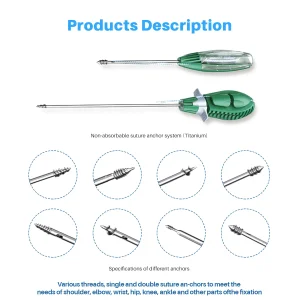
Furthermore, structural accountability is essential. Procurement teams now deploy extensive audits to verify material batch histories. A cross-linked or non-absorbable suture anchor failure during insertion can result in devastating product recalls and litigation. Thus, absolute traceability—from the initial titanium bar or PEEK pellet ingot source up through final validated gamma-irradiation sterilization packaging—stands as a non-negotiable prerequisite for enterprise-level vendor onboarding.
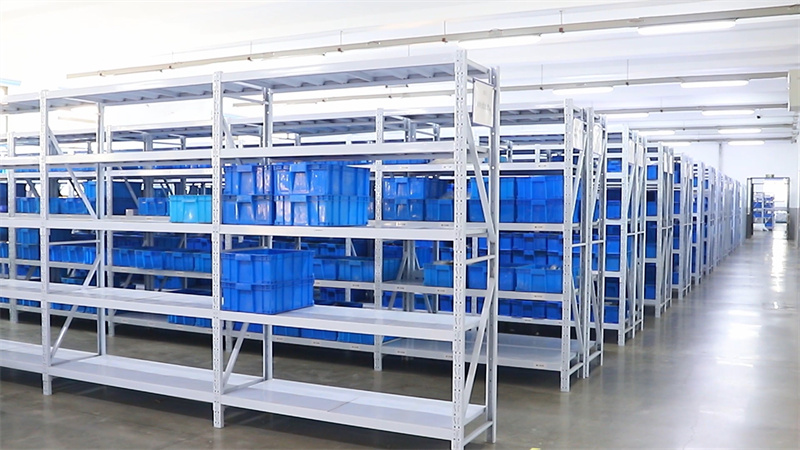
Our operations operate under a fully validated clinical-grade production matrix. The corporate infrastructure spans a 15,000 m² advanced manufacturing complex certified rigorously under ISO 13485 (Medical Devices - Quality Management Systems) and audited by BSCI. Product classes maintain active certifications across CE (MDR compliance) and FDA registers, ensuring immediate compliance with global tender requirements.
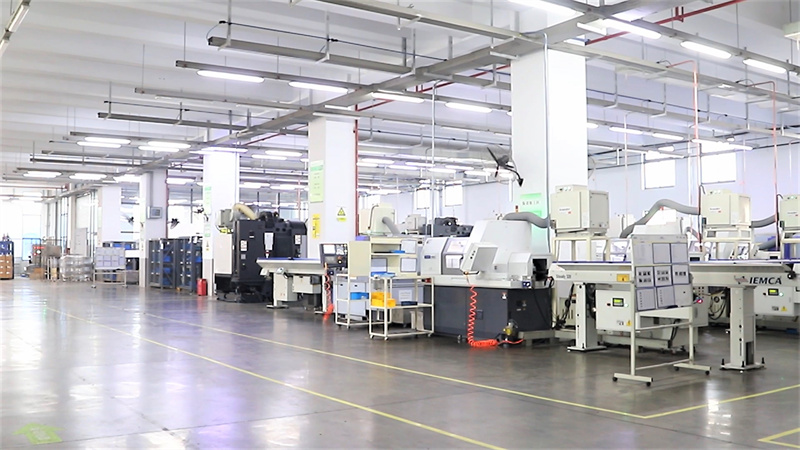
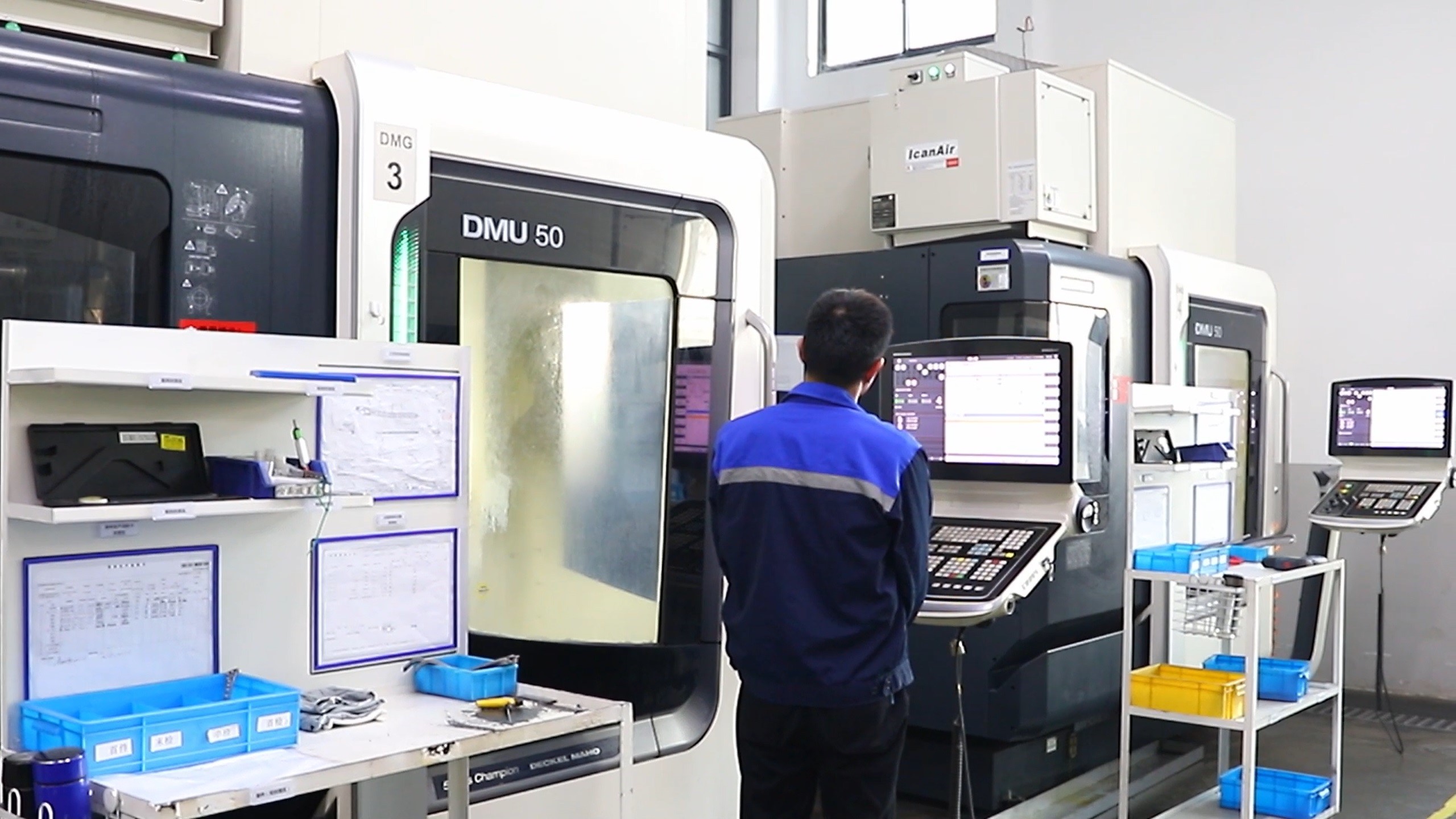
The realization of true cost-efficiency combined with clinical excellence is executed through our China Factory 4.0 production framework. By integrating advanced multi-axis CNC Swiss machining complexes with proprietary multi-stage cleanroom assembly protocols, we have digitized the entire orthopaedic implant manufacturing lifecycle. This industrial ecosystem bypasses the manual labor variables of legacy manufacturing, replacing them with robotic feed-stocks and automated optical inspection configurations that evaluate geometric profiles across 24 critical metrics down to the micron.
Our engineering ecosystem comprises 500 highly trained employees, anchored by 8 senior biomedical engineers and 10 dedicated Quality Control (QC) supervisors managing our advanced laboratory facilities. This specialized task force oversees multi-tier verification workflows: Raw Material Traceability Identification, Semi-Product Inspections, and Finished Product Dynamic Testing. Our in-house testing facilities perform multi-axial fatigue testing, structural torsion monitoring, and pull-out resistance assessments to ensure every product batch exceeds ASTM and ISO orthopedic implant baselines.
With an active portfolio exceeding 300 standardized models and an agile R&D team generating 10 entirely new clinical designs every month, we provide unmatched versatility. Whether your market requires custom-length adjustable loops, specific pitch configurations on interference screws, or complex laser-etched branding, our minor customization workflows adapt swiftly to client requests. This agility minimizes typical lead times by up to 45% compared to conventional casting and machining plants.
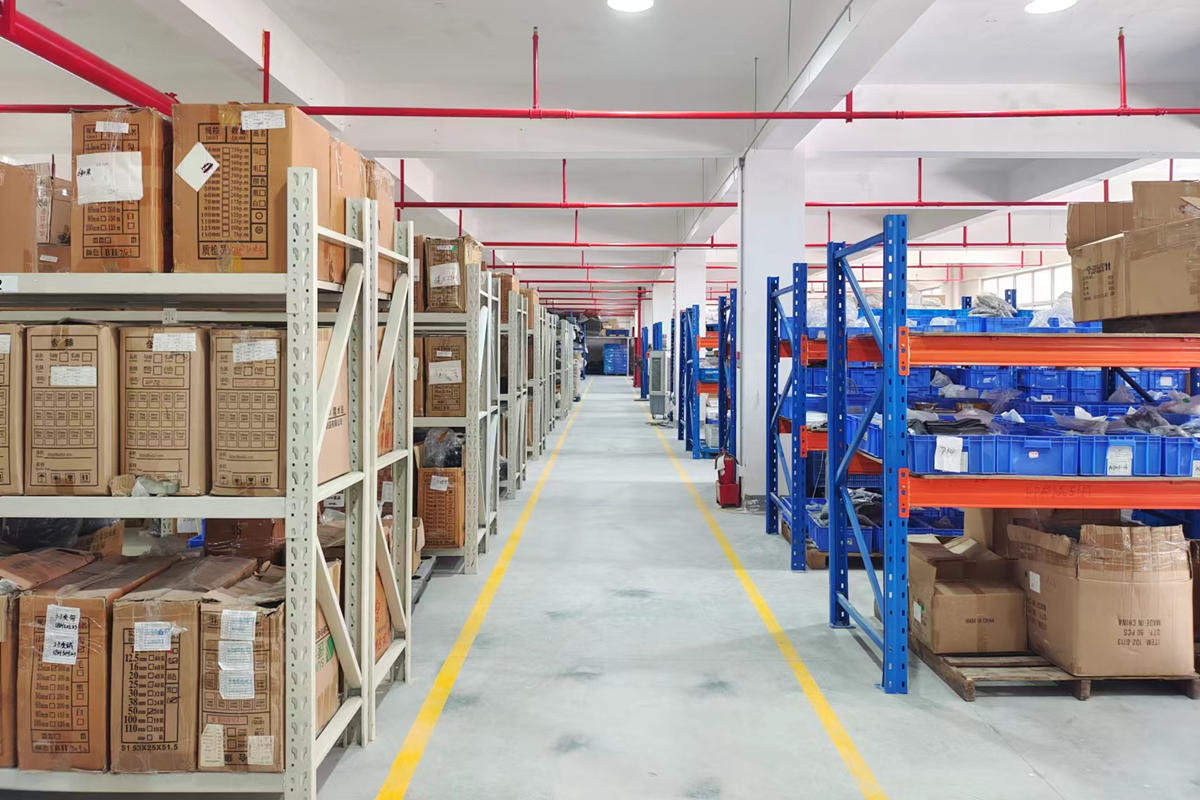
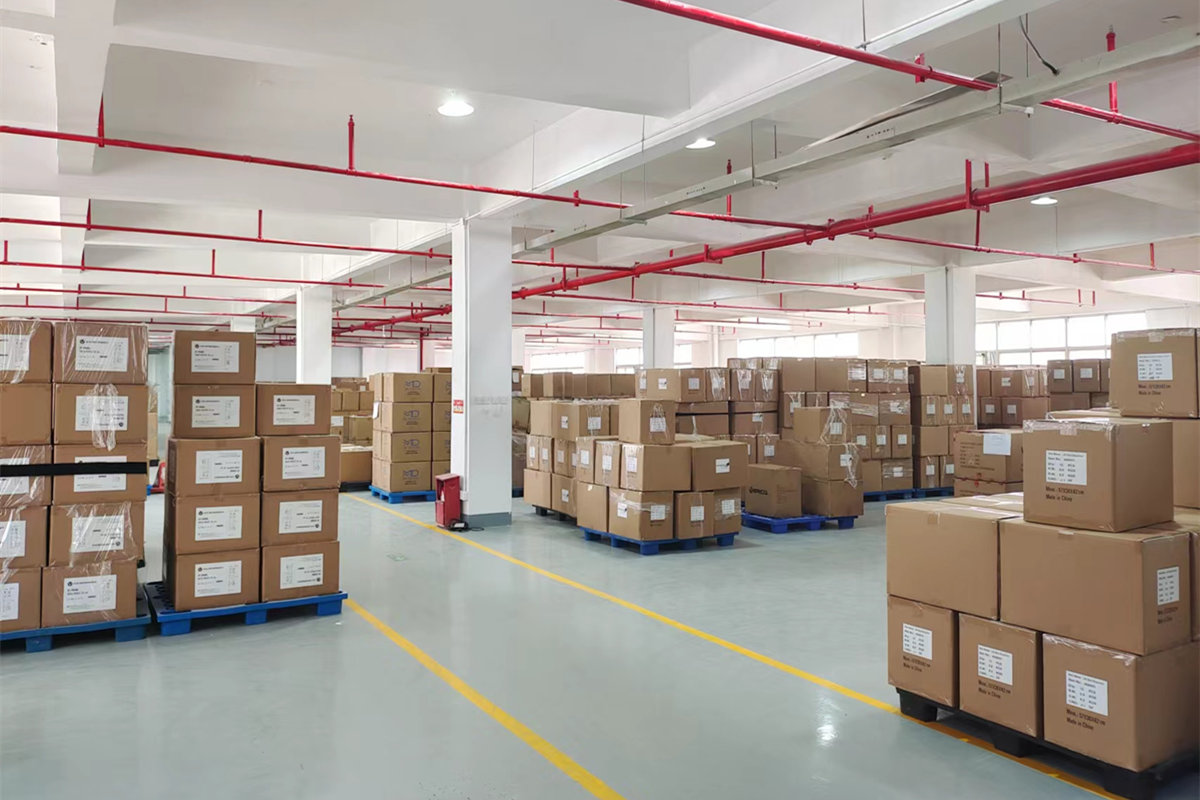
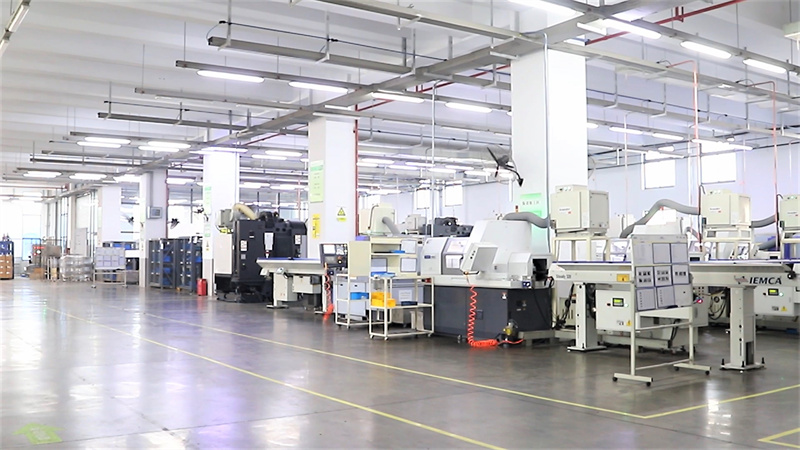
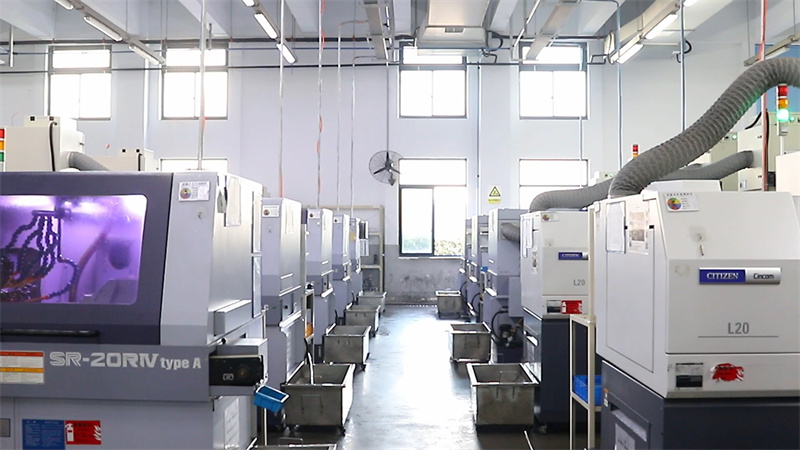
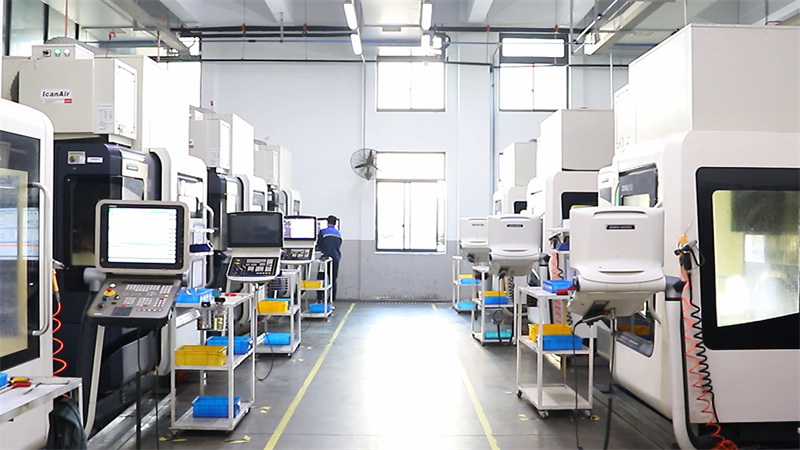
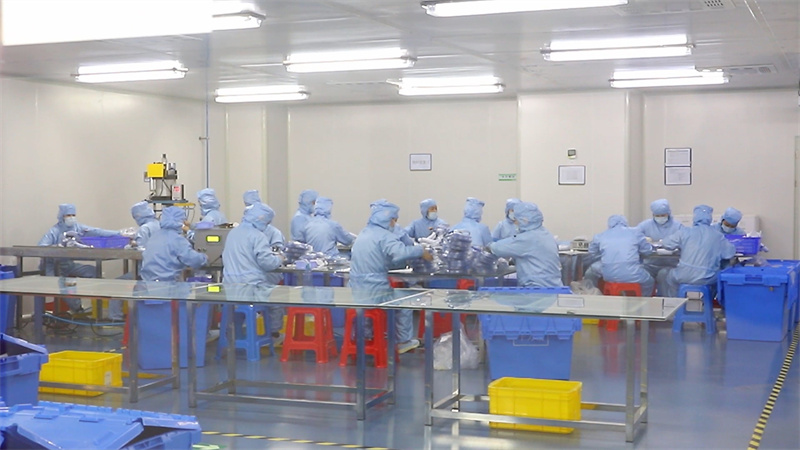
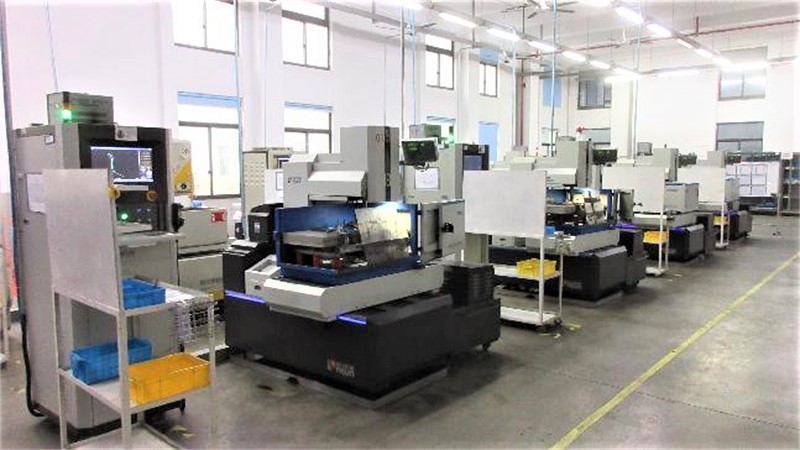
The execution of clinical-grade structural performance requires highly specialized manufacturing phases. We operate distinct, micro-monitored manufacturing units to convert raw medical titanium and high-molecular-weight crystalline polymers into optimized orthopaedic solutions:
The real-world application of ACL fixation devices requires a clear understanding of regional clinical infrastructure variations. In developed healthcare markets, such as North America and Western Europe, the rapid transition toward independent Ambulatory Surgical Centers (ASCs) dictates procurement choices. ASCs operate on fixed reimbursement schedules, which creates high demand for pre-sterilized, single-use procedure kits that reduce hospital processing labor and mitigate cross-contamination risks. Our OEM kits consolidate the cortical loop, target implants, and passing sutures into a single sterile blister pack, reducing perioperative preparation times by up to 20 minutes.
Conversely, across emerging healthcare economies within Latin America and the Asia-Pacific region, cost optimization paired with long-term implant durability remains the primary driver. Public healthcare networks in these areas prioritize high-strength titanium alloy configurations (Ti6Al4V ELI) that offer exceptional pull-out resistance when handling diverse patient bone densities. By engineering varying pitch profiles on our interference screws, we ensure optimal fixation stability across both osteopenic and highly dense bone environments.
To support global partners, we provide a Free Replacement Policy within One Year from delivery for any manufacturing variances, backed by comprehensive after-sales agency policy assistance. This protective framework shields international distributors from operational risk, ensuring rapid replacement support during hospital evaluation cycles and public tender reviews.
Answering critical engineering and supply chain questions from international medical device procurement directors and technical stakeholders.
Complete surgical components and specialized orthopedic hardware lines supporting global clinical distribution networks.