Grai Orthopedic Implants
Grai Orthopedic Implants
Grai Orthopedic Implants
The global Vertebral Body Replacement (VBR) market is currently experiencing a period of unprecedented expansion. As the global population ages, the incidence of spinal conditions—ranging from degenerative disc diseases to complex traumatic injuries—has surged. VBR systems are no longer just emergency interventions for severe fractures; they have become a standard of care for oncology patients suffering from spinal tumors and for those with advanced osteoporosis. The industry is valued in the billions, with a Compound Annual Growth Rate (CAGR) that reflects the critical need for reliable, biocompatible spinal stabilization.
Leading healthcare markets in North America and Europe continue to set high benchmarks for clinical outcomes, while emerging economies in Asia-Pacific and Latin America are rapidly modernizing their surgical facilities. This global shift has created a massive demand for high-quality, cost-effective orthopedic implants that can provide immediate mechanical stability and promote long-term osseointegration. As a premier manufacturer in China, we are at the intersection of this global demand, providing surgical-grade titanium and PEEK solutions that meet international standards.
Historically, spinal surgeries were highly invasive with lengthy recovery times. Today, the focus has shifted toward Minimally Invasive Surgery (MIS). Modern VBR systems are designed to be expandable, allowing surgeons to insert them through smaller incisions and then expand them to the required height once positioned within the vertebral space. This technological leap reduces patient blood loss, minimizes muscle damage, and accelerates the rehabilitation process.
Furthermore, the integration of 3D-printing technology (Additive Manufacturing) has revolutionized the industry. We can now produce porous lattice structures that mimic human bone, encouraging the patient's own cells to grow into the implant. This bio-mechanical harmony is the future of spinal surgery, and our factory is at the forefront of implementing these high-tech production methods.
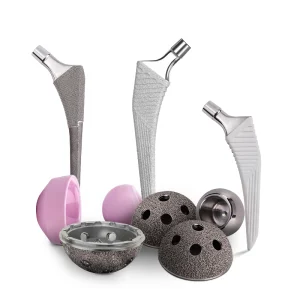
The transition from standard Titanium (Ti6Al4V) to advanced Carbon-Fiber PEEK is accelerating. These materials provide radiolucency, allowing surgeons to see the healing process clearly under X-rays without the metal interference ("halo effects") common with traditional implants.
Artificial Intelligence is being integrated into surgical navigation systems. Manufacturers are now designing VBR components that are optimized for robotic-assisted surgery, ensuring placement precision within millimeters to protect the spinal cord.
Customization is the ultimate goal. By using preoperative CT scans, we can manufacture VBR cages that fit the unique anatomy of a specific patient, ensuring better weight distribution and reducing the risk of implant subsidence.
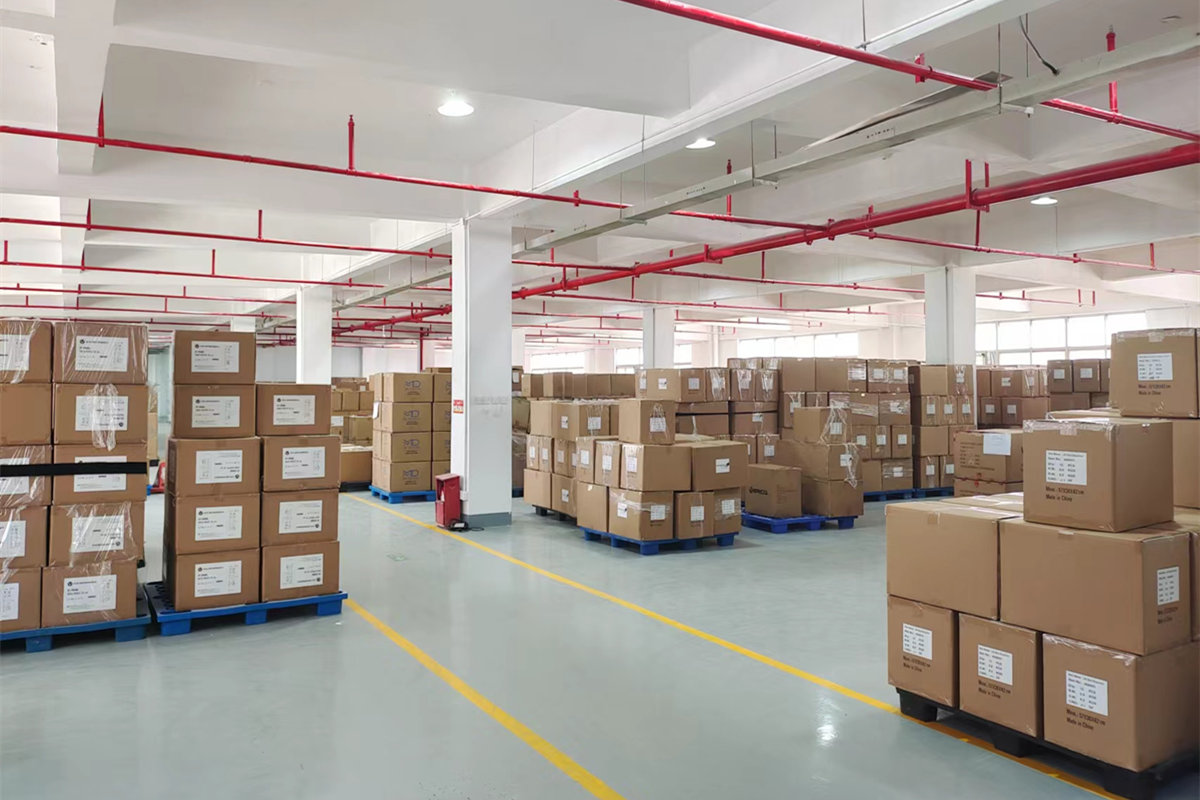
International distributors and hospital procurement officers have strict criteria. They require ISO13485 certification and comprehensive documentation (CE/FDA). However, beyond certification, they demand Supply Chain Stability. In a post-pandemic world, the ability of a factory to maintain raw material traceability and consistent production timelines is paramount.
Our partners in Southeast Asia, the Middle East, and South America often seek "Value-Based Healthcare" solutions—implants that offer premium Western performance but at a price point that makes them accessible to the general population. This is where our Chinese factory excels, bridging the gap between high technology and economic viability.
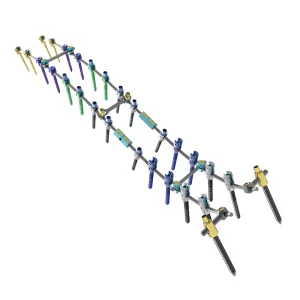
When a tumor destroys a vertebral body, the entire segment must be replaced. Our VBR systems provide the structural integrity needed to allow patients to remain mobile during radiation therapy.
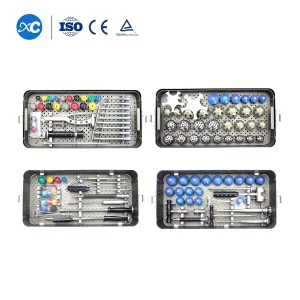
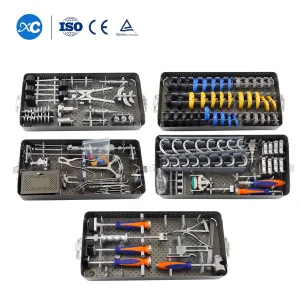
Burst fractures from accidents require immediate stabilization. Our rapid shipping and modular instrument sets ensure that surgeons have the tools they need for emergency reconstructions.
When primary fusions fail, revision surgery is necessary. Our comprehensive range of hooks, rods, and cages provides the versatility needed for complex secondary procedures.
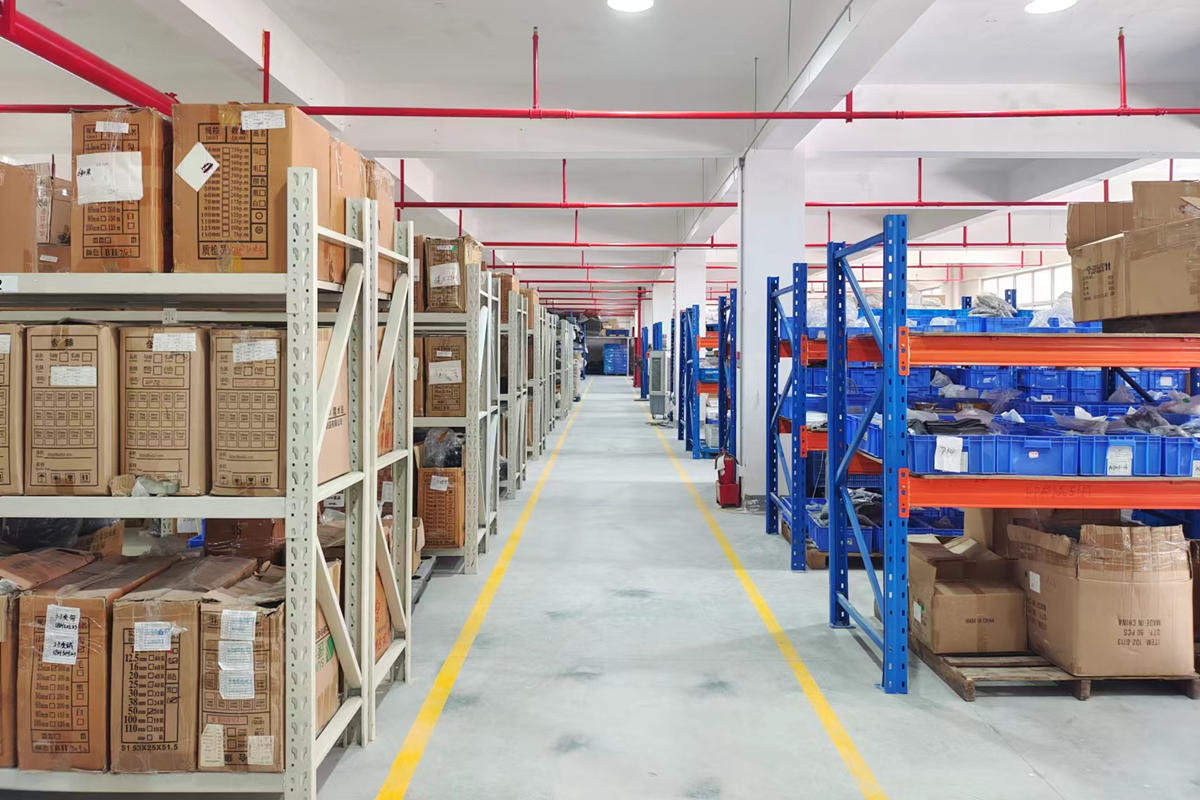
Our factory is certified with ISO13485 and BSCI. We adhere to the most stringent international regulations, ensuring every implant is traceable back to its raw material heat lot. With 8 senior engineers and 10 dedicated QC specialists, we maintain a zero-defect culture.
We utilize advanced laboratory facilities for comprehensive fatigue testing, corrosion resistance analysis, and biomechanical validation. Our products are already certified with CE, MDR, and FDA, making them ready for immediate use in global markets.
We don't just manufacture; we innovate. Our R&D team introduces 10 new products every month, keeping us at the cutting edge of orthopedic design. We offer Minor Customization to meet specific surgical preferences or regional regulatory requirements.
From customizable packaging to private labeling (OEM), we provide a full-service experience for our international partners. Plus, our after-sales support includes a one-year free replacement policy and dedicated agency assistance.