Grai Orthopedic Implants Grai Orthopedic Implants
OEM/ODM Endobuttons Factories & Supplier

Next-Generation Sports Medicine Implants, ISO 13485 Manufacturing, and Clinical-Grade Cortical Fixation Systems for Global Orthopaedic Distributors.

15,000 m²
Factory Area
500+
Employees
300+
Models Available
100%
Raw Material Traceability

Regulatory Compliance

State-of-the-art facility certified with ISO13485 and BSCI. All implantable medical devices are fully compliant with CE, MDR, and FDA regulations, facilitating seamless import transitions for global brands.

Precision Engineering

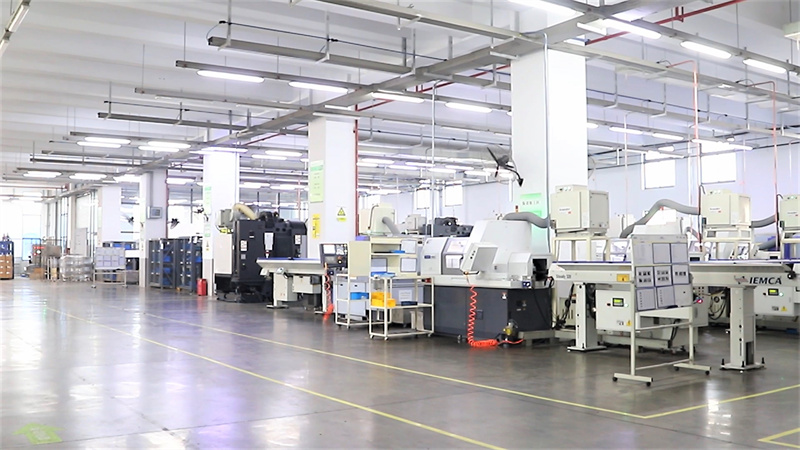
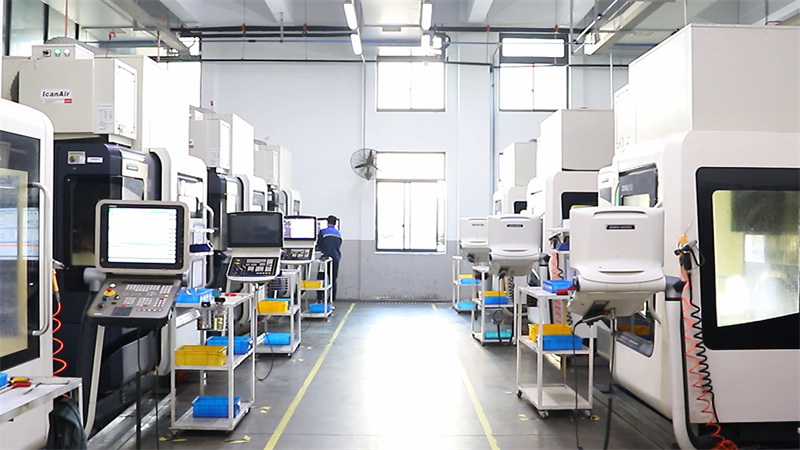
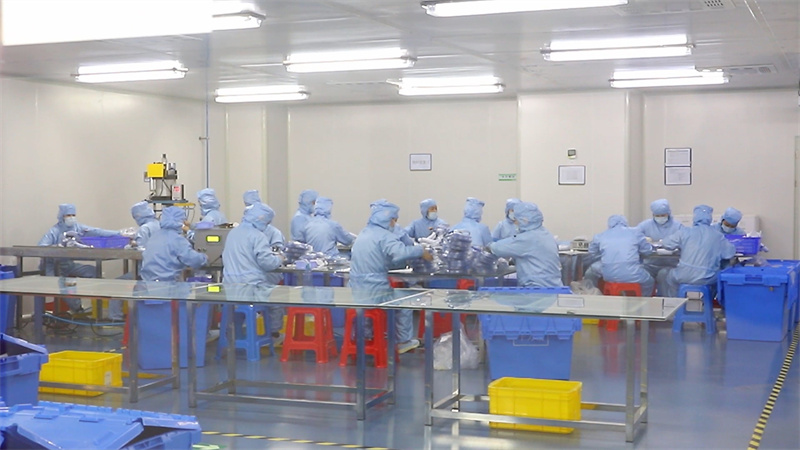
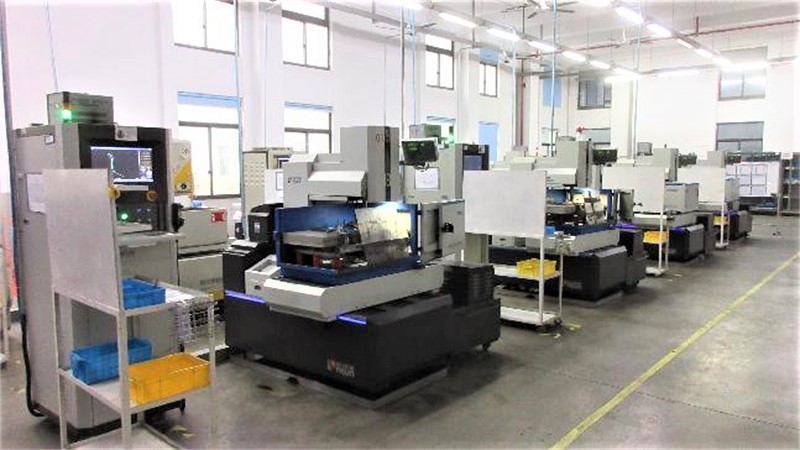
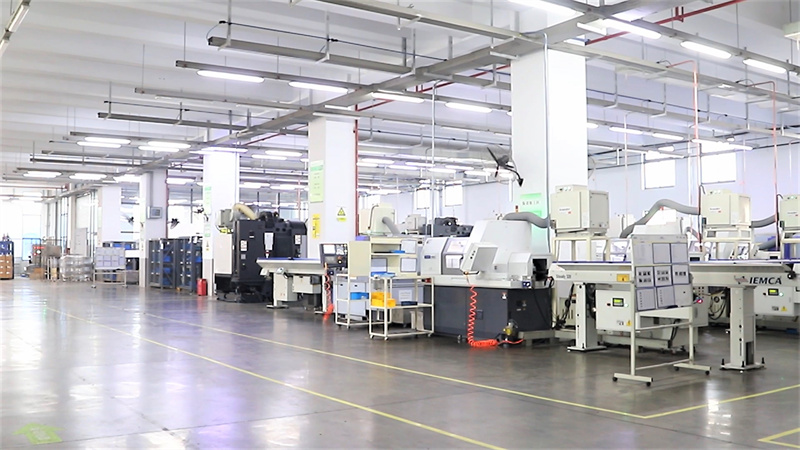
Equipped with ultra-precision CNC tooling, wire-electrode cutting, and computerized automated inspection machines. Strict quality control process covering raw materials, semi-finished components, and finished sterilized packaging.

Scalable OEM/ODM

Leverage our experienced R&D department of 8 senior engineers and 10 quality assurance officers. We introduce more than 10 new products monthly, supporting custom packaging, bespoke dimensions, and private labeling.

The Evolution of Endobuttons in Sports Medicine: Biomechanical Demands & Manufacturing Realities

In reconstruction of the anterior cruciate ligament (ACL), the mechanism of graft fixation is the single most critical factor determining early post-operative stability. Among the array of cortical fixation options, loop-and-button assemblies, widely known in the clinical space as "Endobuttons," have emerged as the gold standard. Historically, femoral fixation relied heavily on interference screws, which posed risks of graft laceration and offered limited pull-out strength in osteopenic bone. Modern sports medicine has transitioned toward suspensory fixation because of its vastly superior mechanical properties, including high ultimate load failure, minimal graft slippage, and simplified endoscopic insertion protocols.

The engineering requirements of a medical-grade endobutton are uncompromising. The button itself must be fabricated from biocompatible materials—predominantly Titanium Alloy Grade 5 (Ti-6Al-4V ELI) or polyetheretherketone (PEEK)—providing maximum yield strength with negligible radiopacity. The suture loop must endure cyclical loading patterns representative of patient rehabilitation. Under dynamic testing, these components must demonstrate less than 1.0mm of displacement after 100,000 cycles at physiological loads. From an OEM/ODM perspective, creating such robust implants demands high-precision CNC manufacturing tolerances measured in micrometers, validated electrochemical cleaning, and high-performance cleanroom packaging.

"The clinical success of ACL reconstruction depends not just on the surgeon’s technique, but on the micromachining precision of the cortical button. A difference of 5 microns in edge radius can mean the difference between suture longevity and catastrophic intra-operative loop rupture."

Global Sourcing & Market Trends: The Quest for Supply Chain Security

The global orthopedic implant market is currently undergoing a structural transformation. Increased demand for outpatient surgeries, coupled with a surging geriatric population wishing to remain active, has pushed reconstructive sports surgeries to all-time highs. For medical device distributors and hospital groups, this volume growth translates to a massive procurement challenge. Cost pressures from public healthcare reimbursement structures, such as the European MDR and municipal GPO pricing matrices in North America, have forced brands to look beyond traditional legacy manufacturers. They are seeking out certified OEM/ODM partners capable of delivering equivalent clinical outcomes at competitive unit costs.

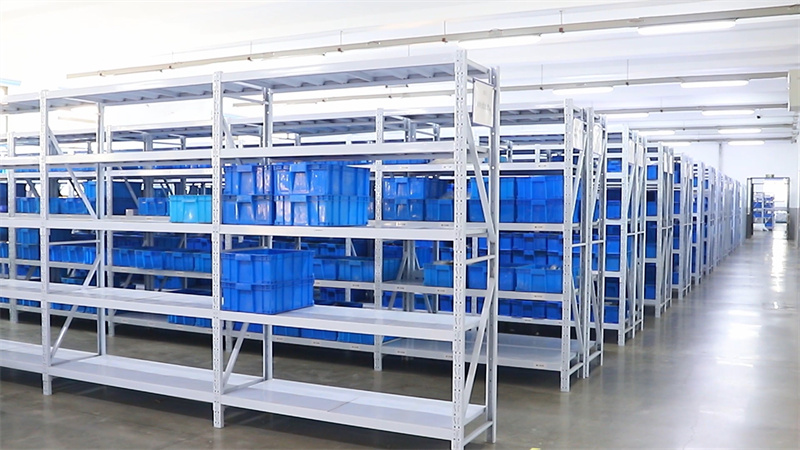
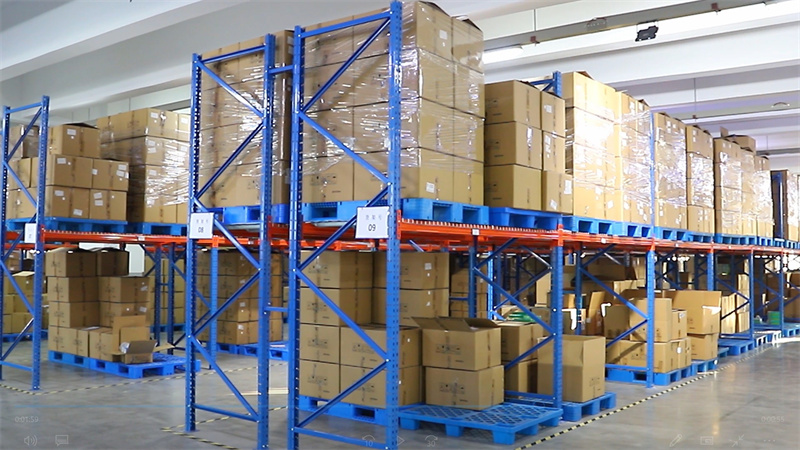
Crucially, procurement officers are no longer just looking at product price. Risk management is now the priority. Buyers evaluate suppliers based on comprehensive criteria including chemical compliance, biocompatibility certification (ISO 10993), raw material melt-source traceability, and sterilisation validation (ISO 11137). Supply chain resilience has become paramount; a factory's ability to maintain raw material inventory reserves, absorb logistical shocks, and scale production volume on demand is the defining line between a transactional vendor and a strategic growth partner.

China Factory 4.0: Merging Automation, Regulatory Compliance, and Efficiency

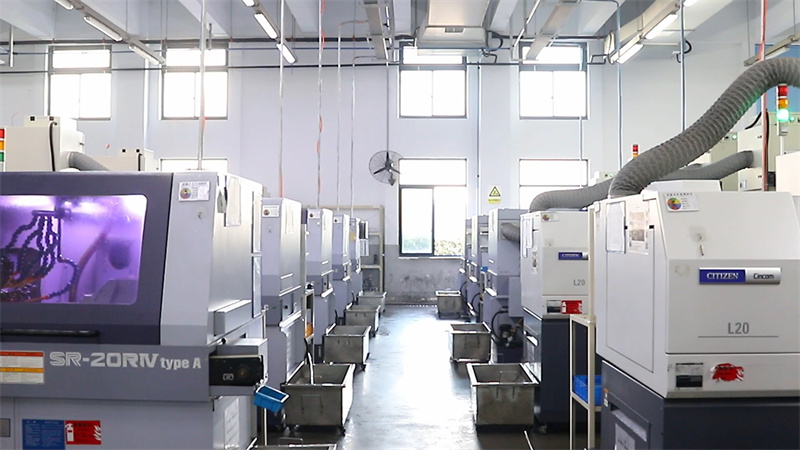
For decades, China's manufacturing sector has been known for volume. However, the modern Chinese medical device industry operates under the "Factory 4.0" paradigm. The transition from manual tooling to automated, smart-manufacturing ecosystems has redefined what is possible in implant production. Modern production facilities incorporate robotic loading systems, precision laser marking units, and closed-loop multi-axis Swiss CNC machines. This integration dramatically minimizes the human error margin, resulting in high process capability values (Cpk) across massive production runs.

Our 15,000 m² state-of-the-art facility stands at the intersection of this technology and rigorous compliance. Operating under ISO 13485:2016 quality systems, our workflow guarantees 100% material traceability from the initial titanium bar stock down to the sterile blister pack. Our automated cleanrooms ensure that bioburden counts are kept far below standard regulatory limits, laying the groundwork for seamless FDA 510(k) clearances and CE MDR technical audits. Through lean manufacturing methodologies, we minimize material scrap rate and improve tool utilization, passing these economic advantages directly to our OEM partners without sacrificing clinical quality.
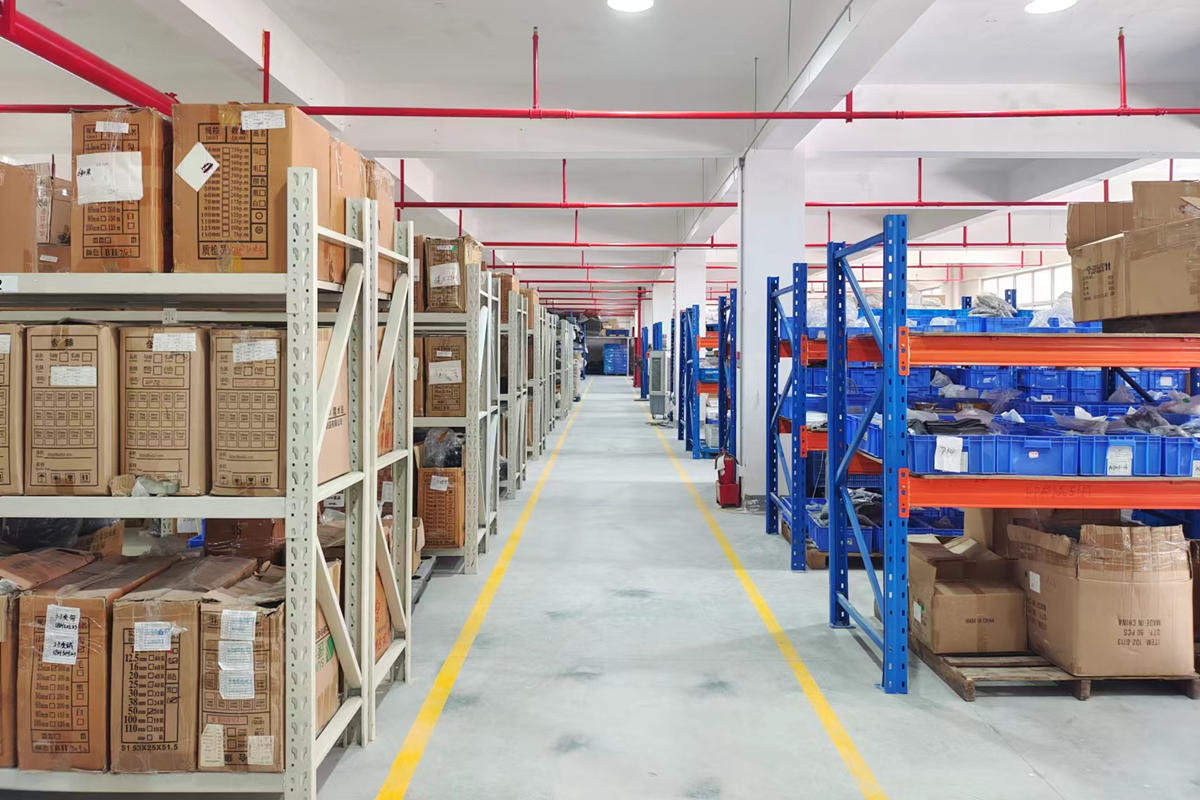
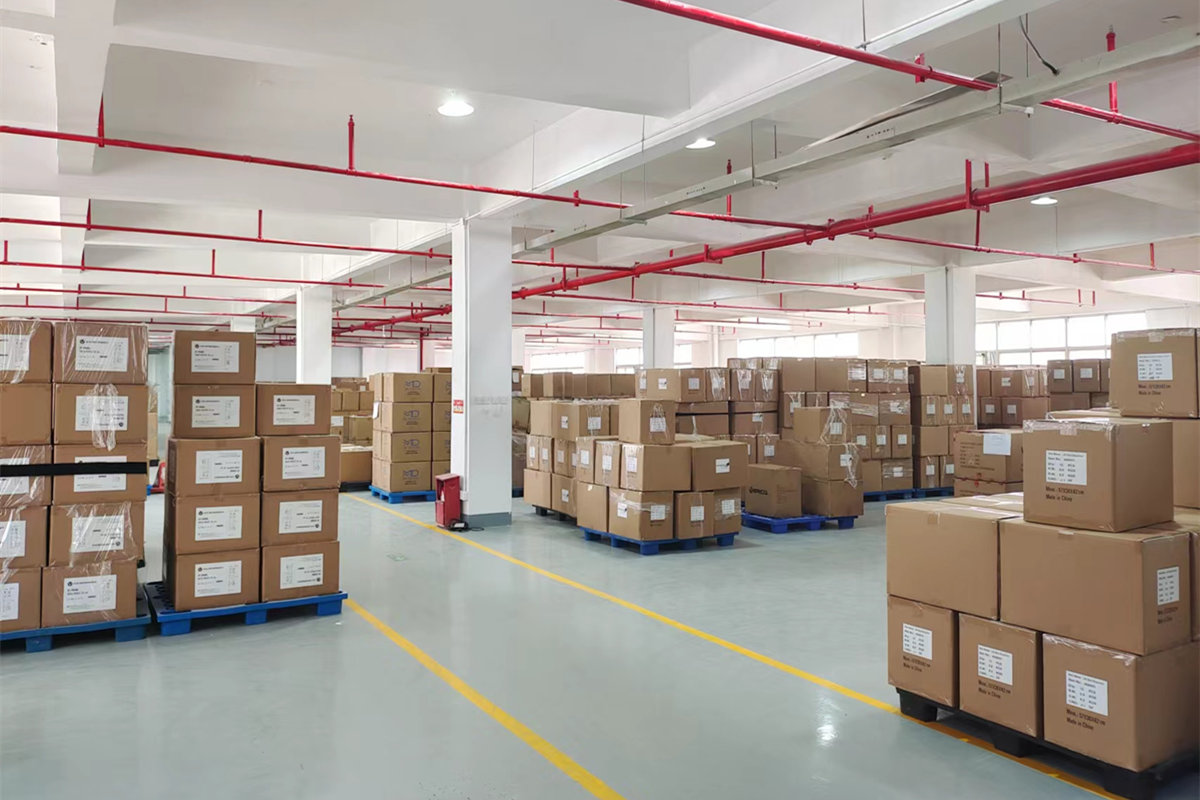
Advanced Production Facility & Quality Control

Step inside our specialized medical manufacturing unit where ISO 13485 standards guide every stage of production from raw titanium block to finished orthopedic implants.

Machining Area

Machining Phase

Utilizing high-precision multi-axis tooling to shape medical devices with exceptional structural integrity.

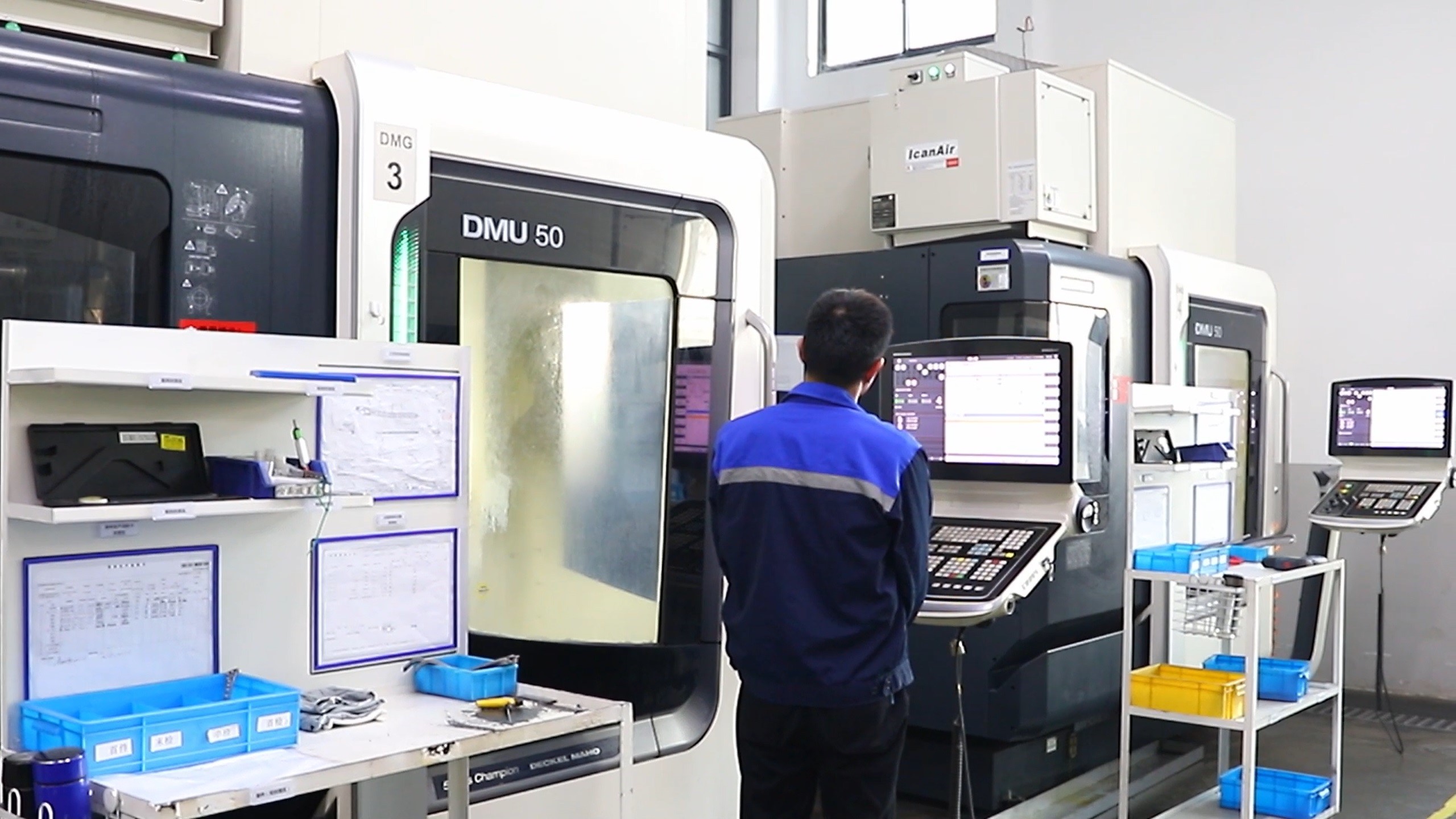
Carving & Profiling

Executing precision geometry carvings and corner radiuses to avoid micro-damage to surgical sutures.

Precision Machining

Precision Machining

Microscopic-level tolerance checking using advanced visual coordinate measurement systems.

Localized Application Scenarios: Meeting Specific Regional Needs

The design of cortical suspensory devices must adapt to varying clinical practices around the globe. In Western European surgical units, there is a strong preference for adjustable loop systems. These systems allow surgeons to completely pull the graft into the socket and eliminate empty space, which reduces the potential for graft micromotion. In contrast, many established Japanese clinical protocols prefer fixed loop lengths. They value the mechanical rigidity and simplicity of pre-determined sizing, which eliminates any risk of post-operative loop slippage. For our OEM/ODM clients, our engineering division offers customized configurations for both options.

Furthermore, local environmental conditions and the patient's lifestyle influence choice. In tropical developing regions, post-operative infection rates can be higher because of high humidity levels and limited sterile follow-up facilities. In these situations, medical companies request endobutton loops treated with active silver-ion antimicrobial coatings or custom braided suture lines with embedded antiseptic properties. In animal care fields, veterinary orthopedic specialists require smaller button sizes (1.5mm to 2.5mm length) with high tensile resistance. These are used to repair cranial cruciate ligament (CCL) ruptures in active, working dogs, showing the wide range of settings where these devices are used.

Bespoke OEM/ODM Customization Capabilities

As a leading supplier, we provide comprehensive end-to-end customization. We start with a concept sketch or a detailed CAD drawing. Our engineers perform Finite Element Analysis (FEA) to evaluate the stress distribution under loads up to 1000N. Next, we use rapid CNC prototyping to create samples for physical verification within 5 working days. Clients can customize key parameters: laser-etched depth indicators on the suture threads, custom-colored anodized buttons for fast intra-operative size tracking, and custom blister pack configurations. Our facility adapts to your exact specifications, offering flexible MOQ structures to match your local market entry strategy.

Technical & Regulatory FAQ

Get answers to critical technical, clinical, and regulatory questions when planning your OEM/ODM orthopedic sourcing projects.

What grade of titanium is used in your Endobutton manufacturing?
We exclusively utilize medical-grade Titanium Alloy Grade 5 ELI (Extra Low Interstitials), complying with ASTM F136 specifications. This alloy features reduced levels of oxygen, nitrogen, and hydrogen, which significantly improves fatigue resistance and fracture toughness compared to standard Grade 5 titanium. This is vital for implants subjected to cyclic loading inside the human body.
How is the mechanical loop strength and suture slippage tested?
Every production batch undergoes dynamic cyclic tensile testing according to ASTM standards. The assemblies are subjected to 100,000 cycles of dynamic load between 50N and 450N at a frequency of 1.5 Hz. Loop elongation must not exceed 1.0mm, and the ultimate static load failure must exceed 900N. We provide mechanical validation test certificates with every batch.
What regulatory certifications support your export capability?
Our factory is ISO 13485 (Medical Device Quality Management Systems) and BSCI certified. Our products maintain active CE (MDR compliant) certificates, FDA 510(k) registrations, and local medical agency approvals. We offer complete technical documentation dossiers (CTD) to support your registration in target international markets.
Can you provide sterilized packaging ready for hospital use?
Yes, we provide both non-sterile bulk packaging and sterilized, shelf-ready double-blister Tyvek packaging. Our cleanroom facilities operate under ISO Class 7 (Class 10,000) air cleanliness standards. Sterilization is completed via validated Ethylene Oxide (EO) or Gamma Irradiation processes, ensuring a Sterility Assurance Level (SAL) of 10^-6.
What is the typical lead time for custom OEM projects?
For standard customizations (such as customized laser markings, custom sizing, or packaging modifications), lead time is typically 15 to 30 days. For new product designs requiring dedicated engineering, mold creation, and biomechanical validation, the complete cycle from drawing approval to shipping the first batch is 45 to 60 days.
What is your warranty and return policy for defective implants?
We provide a free replacement within one year of shipment delivery. Every shipment includes physical test certificates and material composition reports. If any component fails to meet the agreed specifications, our QC team will initiate a corrective action plan within 48 hours and dispatch replacements immediately.