Grai Orthopedic Implants
Grai Orthopedic Implants
Grai Orthopedic Implants
Explore our CE & FDA certified surgical equipment, orthopedic implants, and operating room accessories engineered for global medical standards.
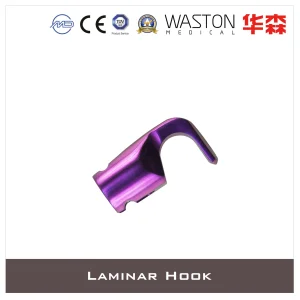
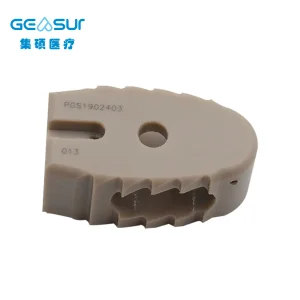
Underpinning world-class surgical care with state-of-the-art medical textile production lines, rigorous regulatory compliance, and scalable OEM manufacturing infrastructure.
In modern clinical environments, surgical sponges (including lap sponges, gauze swabs, abdominal pads, and radiopaque neurosurgical patties) represent the core line of defense in fluid management, hemostasis, and tissue isolation during invasive procedures. As global healthcare infrastructure expands, hospital procurement departments demand unprecedented levels of safety, material purity, zero fiber shedding, and strict X-ray detectability to prevent Retained Surgical Sponges (RSS) events. Leading China surgical sponges manufacturers have evolved from simple textile weavers into high-tech bio-compatible medical device producers adhering to international ISO 13485 standards, US FDA 510(k) clearances, and EU Medical Device Regulation (MDR 2017/745) frameworks.
Deconstructing the structural shift toward high-capacity, automated manufacturing hubs in East Asia and their role in stabilizing the global medical supply chain.
Top Chinese manufacturers source 100% long-staple virgin cotton and advanced viscose-polyester nonwoven fibers. Utilizing hydrogen peroxide non-chlorine bleaching processes ensures zero optical brighteners, low bioburden baseline counts, and ultra-high absorbency rates exceeding 5 times dry weight within less than 5 seconds.
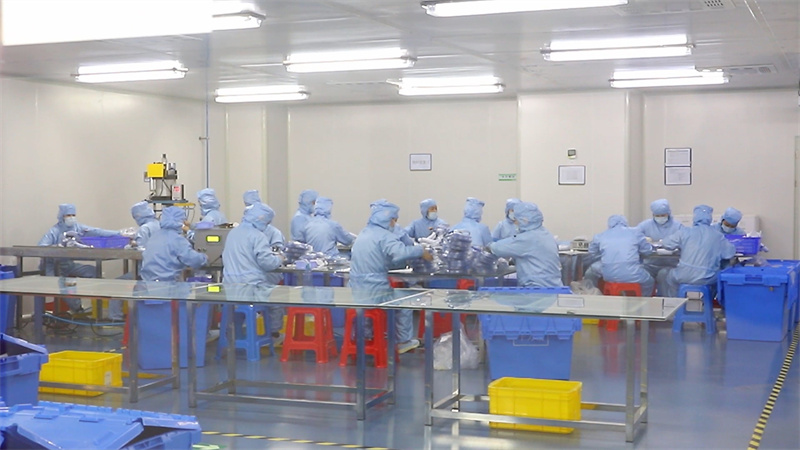
From spinning, weaving, and degreasing to automated folding, ultrasonic sealing, X-ray detectable ribbon weaving, and final Ethylene Oxide (EO) sterilization—Chinese facility automation eliminates manual contamination touchpoints and guarantees consistent dimensional specifications.
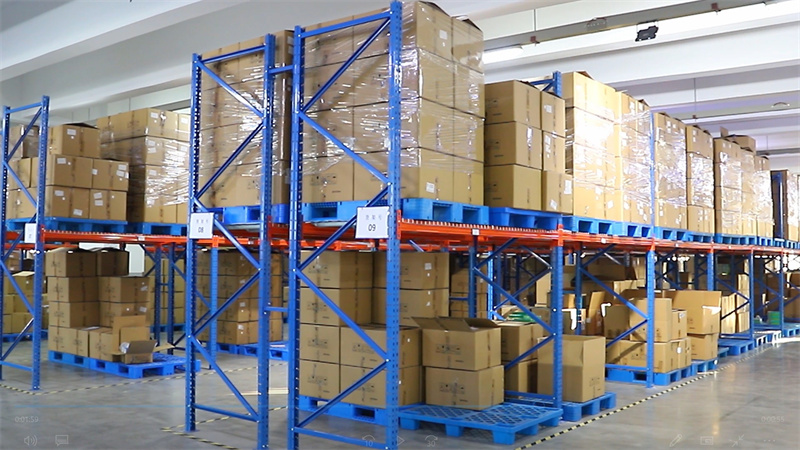
Leading suppliers hold complete ISO 13485 Quality Management System certification, BSCI social compliance, EU CE Certificates under MDR, and FDA 510(k) clearances. Rigorous raw material traceability identification ensures batch integrity from cotton field to cleanroom delivery.
A granular comparative breakdown of material properties, weave densities, radiopaque marker integration, and sterility assurance metrics required for operating room safety.
| Parameter / Specification | Abdominal Laparotomy Sponges | Gauze Swabs / Sponges | Non-Woven Surgical Sponges | Radiopaque Neurosurgical Patties |
|---|---|---|---|---|
| Base Material Structure | 100% Purified Natural Cotton (13/17/20 threads/cm²) | 100% Absorbent Woven Cotton Mesh | 70% Viscose / 30% Polyester Spunlace | Ultra-soft Microfiber / Fine Rayon Matrix |
| X-Ray Detectable Feature | Barium Sulfate (BaSO4) Monofilament or Blue Ribbon | Heat-sealed BaSO4 Thread / Woven Element | Ultrasonically Bonded Radiopaque Element | Full-Length Radiopaque Dual-Marker Thread |
| Absorbency Rate & Ratio | < 5 sec; Absorbs > 600% dry weight | < 10 sec; Absorbs > 500% dry weight | < 3 sec; Absorbs > 800% dry weight | < 2 sec; High capillary suction capacity |
| Folded Edges & Linting | Pre-washed, Folded Edges Prevent Loose Fibers | Machine Folded, Internal Edges (No Fraying) | Lint-Free Ultrasonic Edge Sealing | Non-linting Micro-sheared Edge Finish |
| Sterilization Standard | ISO 11135 EO Sterilization (SAL 10⁻⁶) / Gamma | EO Sterilized / Steam Autoclave Packaging | EO Sterilized (SAL 10⁻⁶) | EO Sterilized in Double Peelable Pouches |
| Primary Surgical Application | Major Abdominal & Cavity Surgery Hemostasis | General Wound Care, Exudate Absorption | Minimally Invasive Care & Burn Dressing | Craniotomy, Spine & Delicate Neurological Surgery |
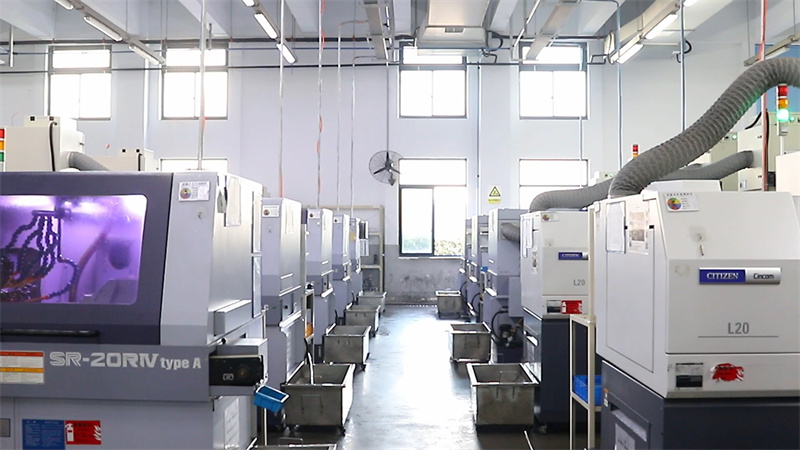
Inside our 15,000 m² ISO 13485 facility: Strict quality control processes, raw material traceability, advanced laboratory testing, and precision engineering.


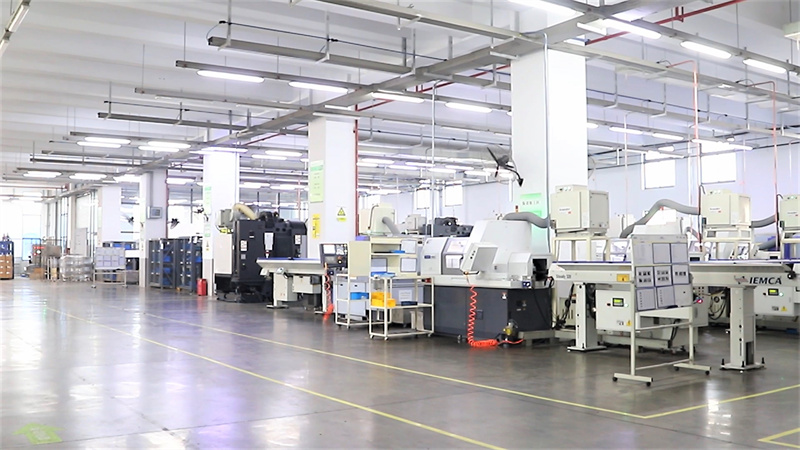
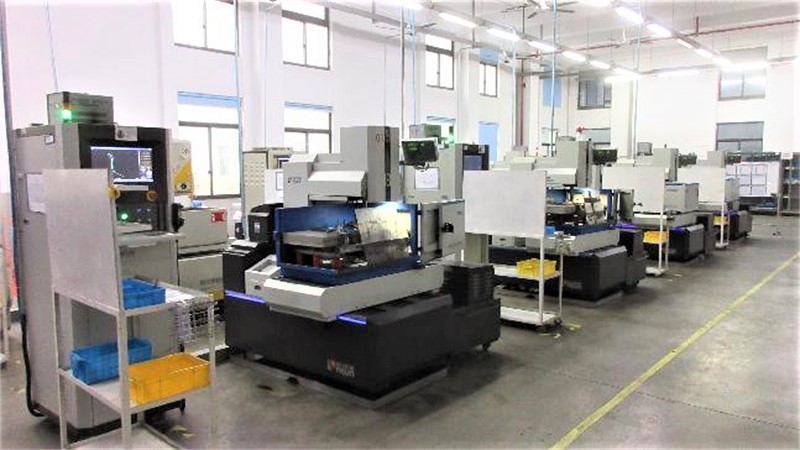
Ultra-high precision CNC wire erosion for titanium and stainless surgical instruments.
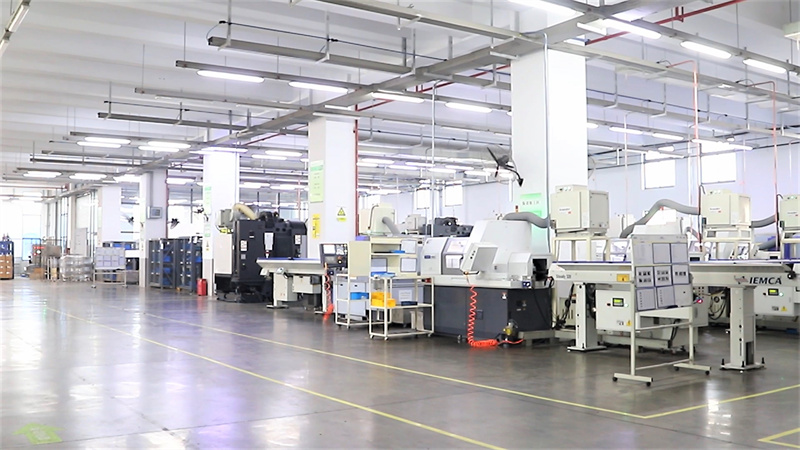
High-speed multi-axis turning and milling for complex orthopedic hardware.
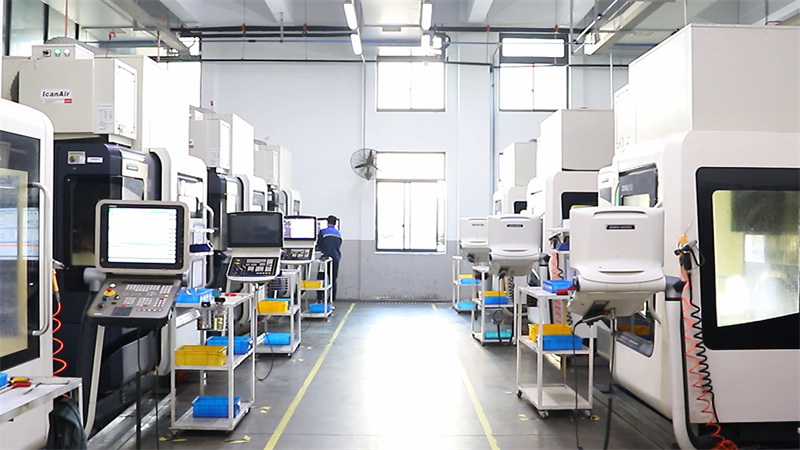
Detailed micro-engraving and laser etching for product identification codes.
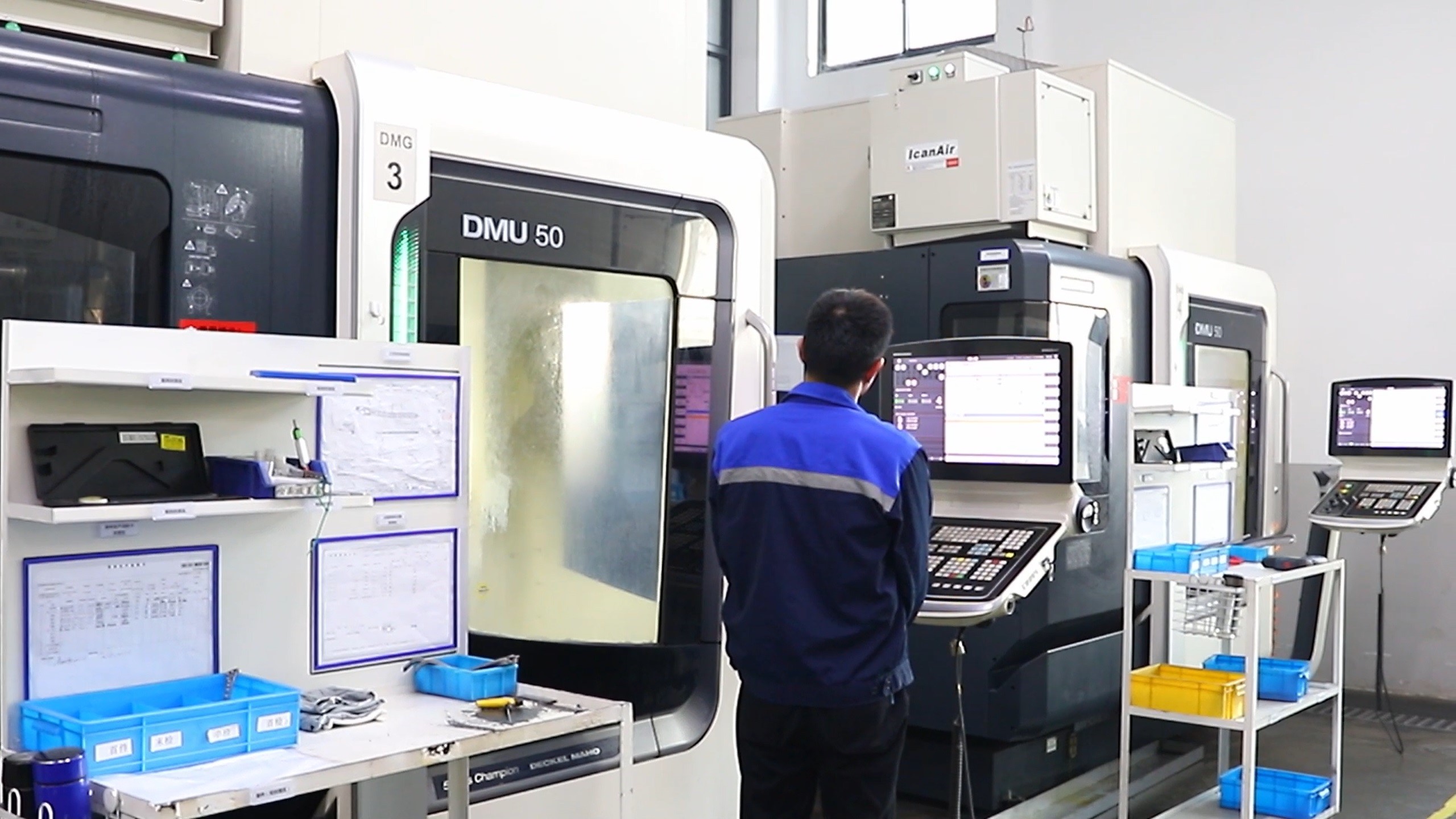
Micron-level quality tolerance verification and post-machining surface treatment.

Customizing medical textile parameters to match specific surgical disciplines, fluid viscosity requirements, and anatomical constraints.
Requires large-format lap sponges (e.g., 30x30cm, 45x45cm) equipped with securely sewn cotton loops and heat-sealed X-ray ribbons. Pre-washed 100% cotton construction provides maximal liquid absorption capacity, holding internal organs and packing abdominal walls during long procedures without leaving lint residue.
Used for heavy joint irrigation, bone marrow fluid absorption, and site clearing. High thread density (20 threads/cm²) and reinforced woven edges ensure that sponges retain structural integrity when contacting sharp bone fragments or mechanical retractors.
Demands non-woven micro-patties (Patties/Cottonoids) featuring extreme softness, zero linting, attached radiopaque monofilament, and surgical silk locator threads. Designed to protect delicate neural tissues and fine vascular structures while gently absorbing micro-bleeding.
Essential compliance protocols and evaluation checklists for medical device distributors, hospital groups, and OEM procurement managers.
Always verify the manufacturer's ISO 13485 certificate scope, CE certification under EU MDR (2017/745), and US FDA 510(k) establishment registration. Ensure that sterilization validation reports according to ISO 11135 (for EO) or ISO 11137 (for Gamma) are available for audit.
Confirm that the factory employs raw material traceability systems. Every master carton must detail lot numbers, sterilization indicators, expiration dates (typically 5 years), and bioburden baseline testing reports prior to release.
Evaluate packaging seal integrity (peelable paper-plastic pouches, thermoformed rigid trays). Premium factories offer minor customization, private label branding, barcoded packaging, and agency support policies including free replacements within one year for verified defects.
Emerging technologies enhancing operating room efficiency, reducing human error, and raising safety standards.
Integration of ultra-miniature, flexible Radio-Frequency Identification (RFID) microchips directly into surgical sponge borders. Paired with intelligent OR scanning consoles, this allows surgical staff to perform instant, 100% accurate count reconciliations in seconds, virtually eliminating Retained Surgical Sponge (RSS) sentinel events.
Transitioning toward totally chlorine-free (TCF) bio-bleaching methods and high-absorbency sustainable cellulosic fiber matrices. These materials significantly lower chemical residues, minimize patient tissue irritation, and align with global green hospital procurement directives.
Developing ultra-low linting hydro-entangled spunlace nonwovens that match the fluid absorption speed of purified cotton while offering superior tensile strength in moist environments, reducing fiber particle release into open surgical cavities.
Addressing technical, regulatory, and supply chain queries from international hospital buyers and medical equipment distributors.
Explore additional specialized medical instruments, orthopedic external fixators, and precision manufacturing systems.