 Grai Orthopedic Implants
Grai Orthopedic Implants
Grai Orthopedic Implants
Advanced craniomaxillofacial reconstructive components configured specifically for trauma centers, public hospitals, and private surgical suites across the Democratic Republic of Congo.
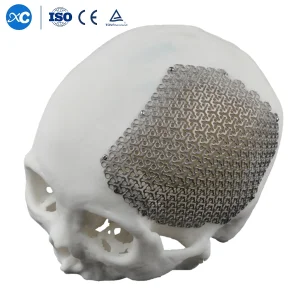
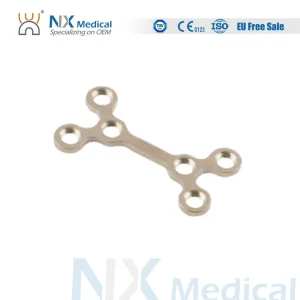


The demand for specialized cranio-maxillofacial (CMF) reconstruction in the Democratic Republic of Congo (DR Congo) is experiencing a major transformation. Rapid population expansion in key cities like Kinshasa, Lubumbashi, and Goma has led to an increased need for advanced healthcare solutions. Traditionally, medical centers relied on basic wiring or simple orthopaedic splints. Today, there is a clear shift toward locking plate systems, custom titanium mesh, and patient-specific implant (PSI) technologies to treat complex facial structures.
This evolution is driven by both public healthcare expansion and the growth of private clinics. As local surgical teams gain advanced training, the availability of precise osteosynthesis devices is critical. However, local sourcing in Central Africa remains limited. Reliable international supply partnerships are essential to ensure surgeons have access to safe, biocompatible titanium and PEEK devices when treating severe facial trauma, congenital conditions, or oncological defects.
The clinical environment in DR Congo presents unique challenges that influence how maxillofacial implants are specified and used:
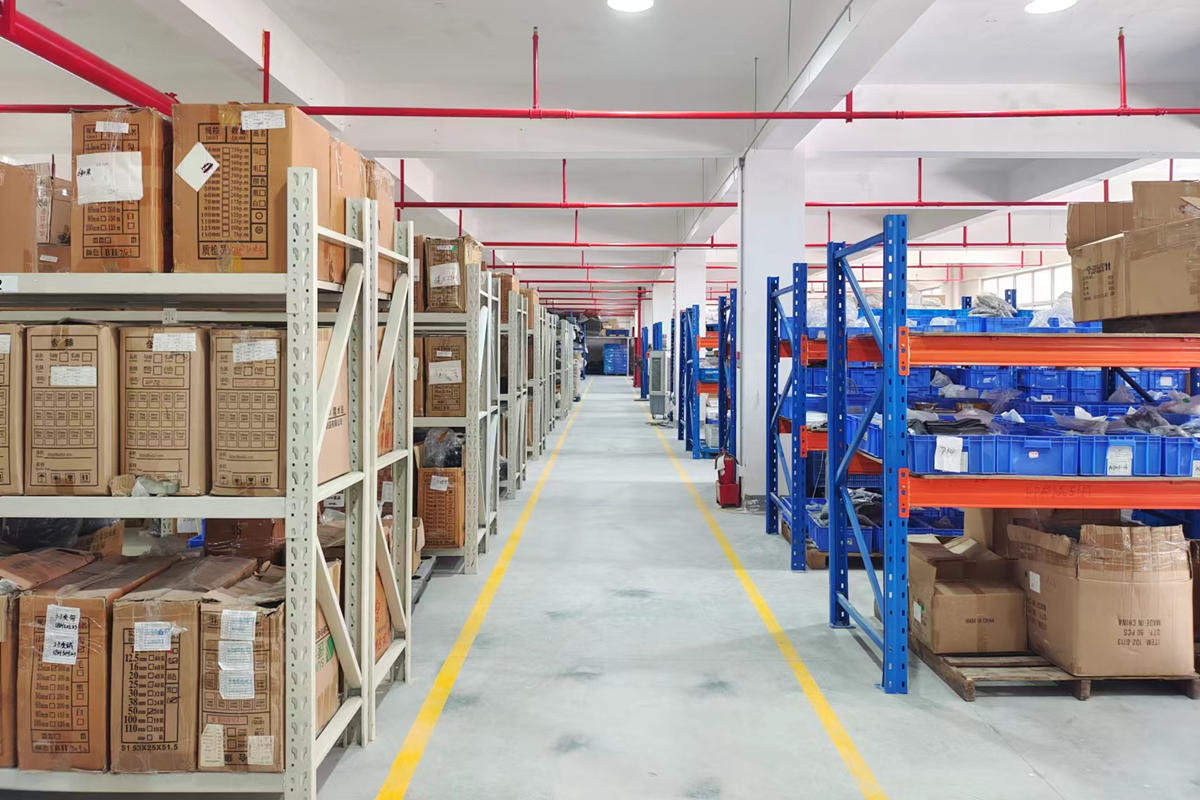
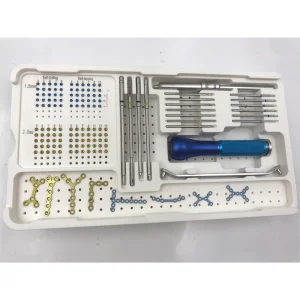
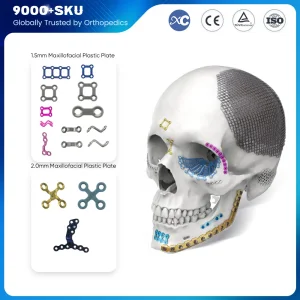
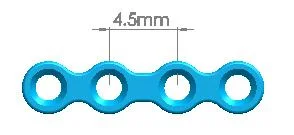
Highly biocompatible mini-locking assemblies, sagittal split systems, and cranial fracture mesh lines configured for easy contouring and long-term stability.
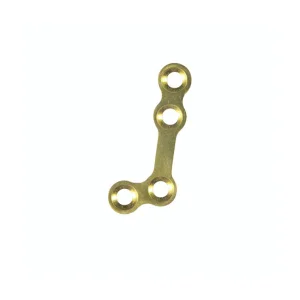
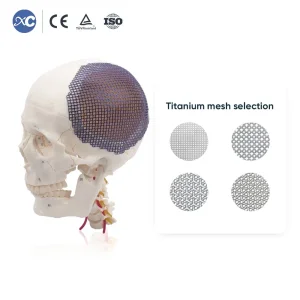
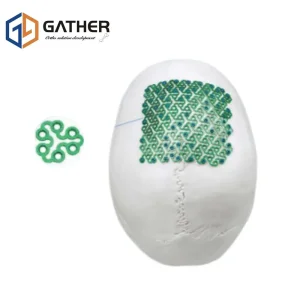
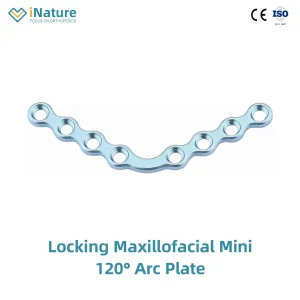
Choosing the right implant material is critical to patient recovery. Our CMF systems use premium biocompatible materials engineered to reduce surgical complications:
Titanium remains the industry standard for fracture fixation due to its excellent strength-to-weight ratio and biocompatibility. It promotes natural osseointegration, helping the bone fuse securely with the implant surface. Titanium is highly resistant to corrosion in bodily fluids, ensuring long-term stability without causing adverse reactions.
PEEK is an advanced polymer that closely matches the elasticity of human bone, reducing stress-shielding effects. It is completely radiolucent, meaning it does not block X-rays or CT scans. This allows surgeons to monitor bone healing clearly after surgery. PEEK is ideal for custom cranial plates and patient-specific reconstructions.
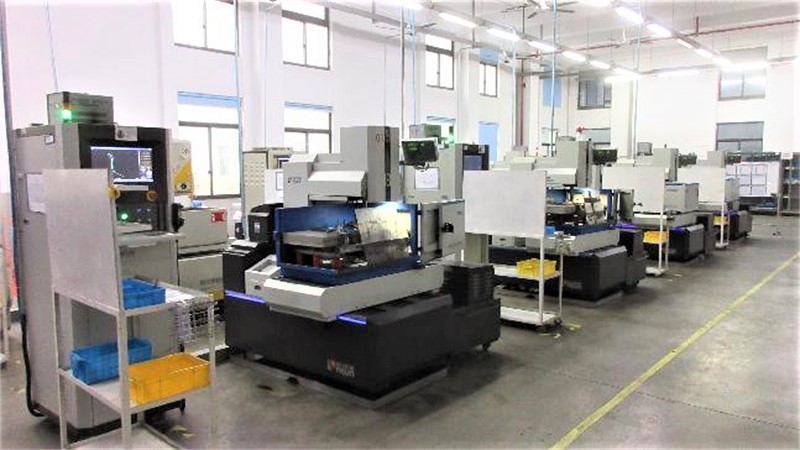
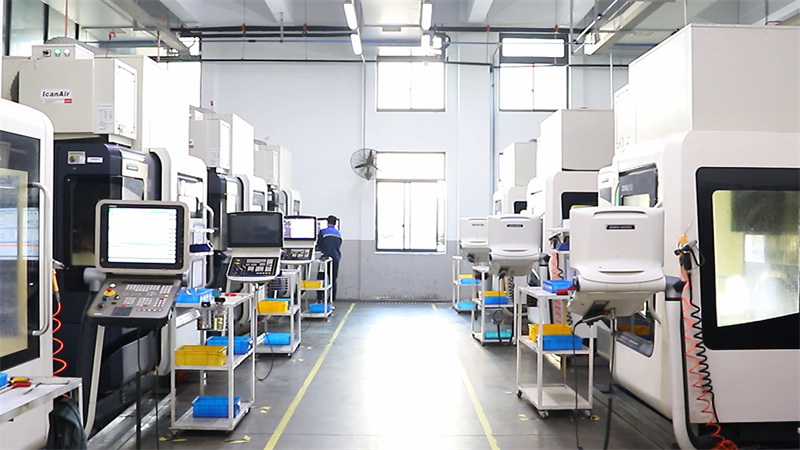
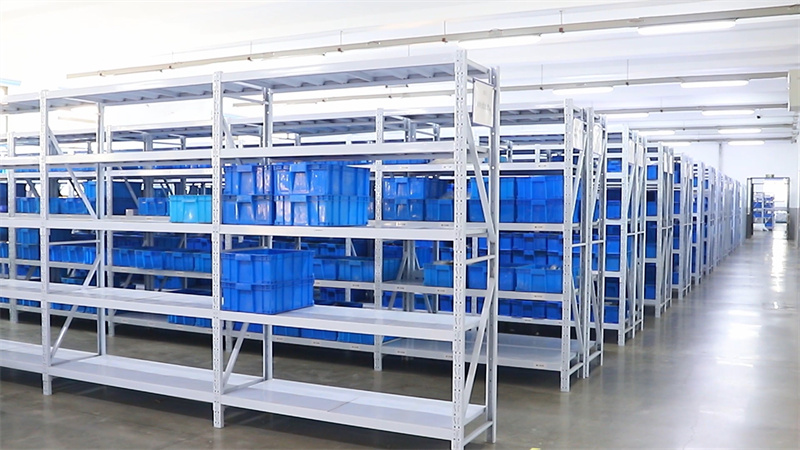
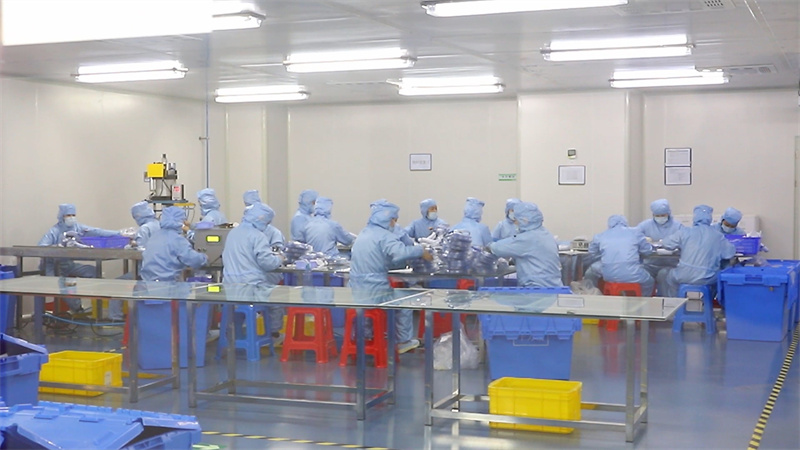
To maintain a reliable flow of medical supplies to DR Congo, our modern manufacturing facility operates with strict quality control and high capacity. By using raw material traceability and advanced inspection systems, we ensure every batch meets international safety requirements.
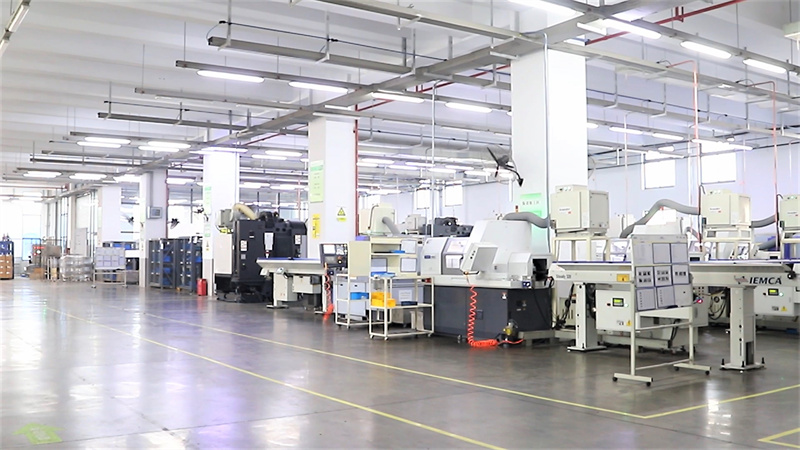
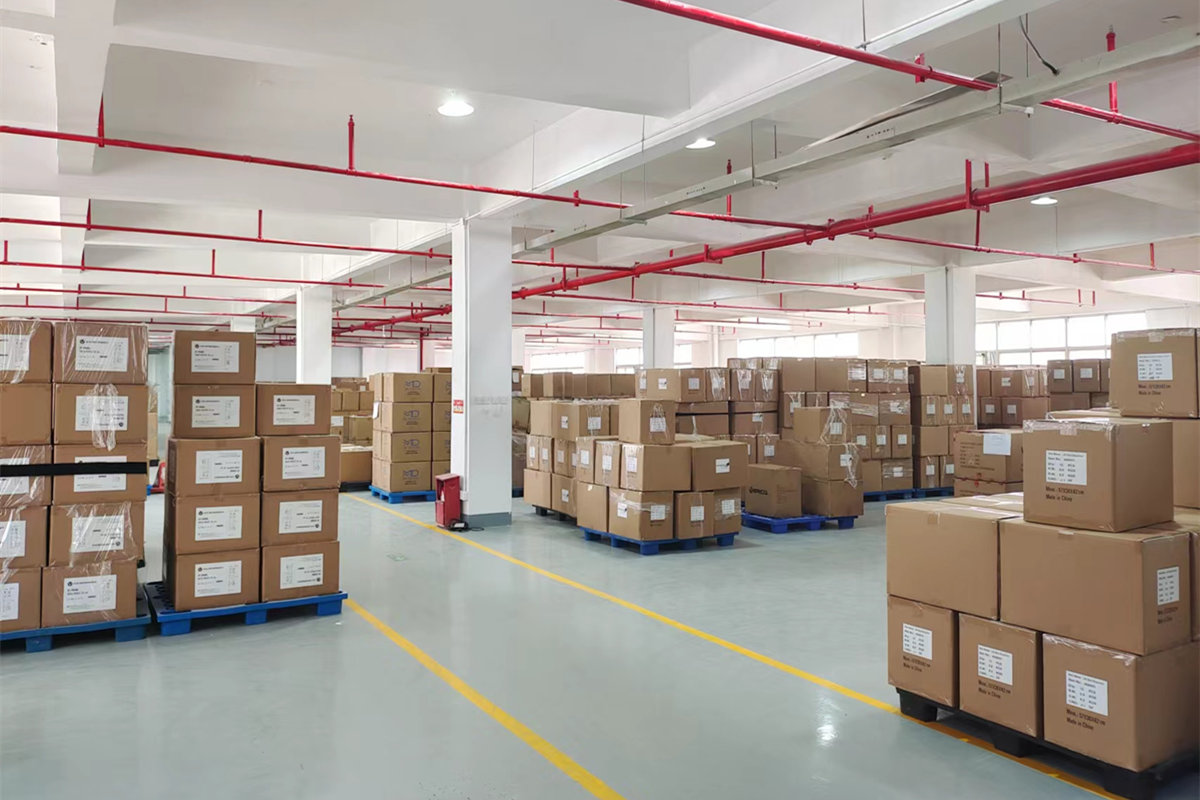
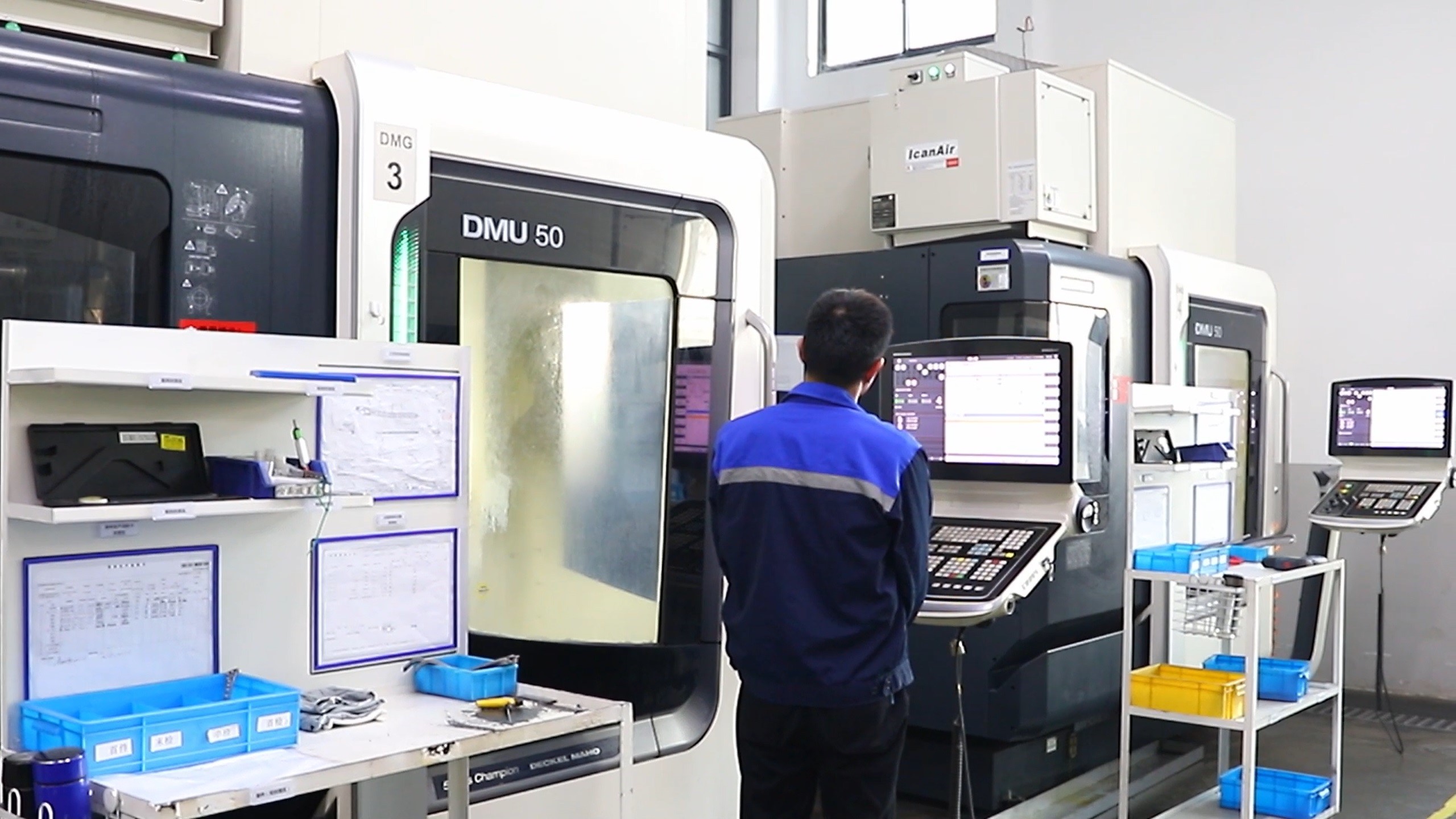
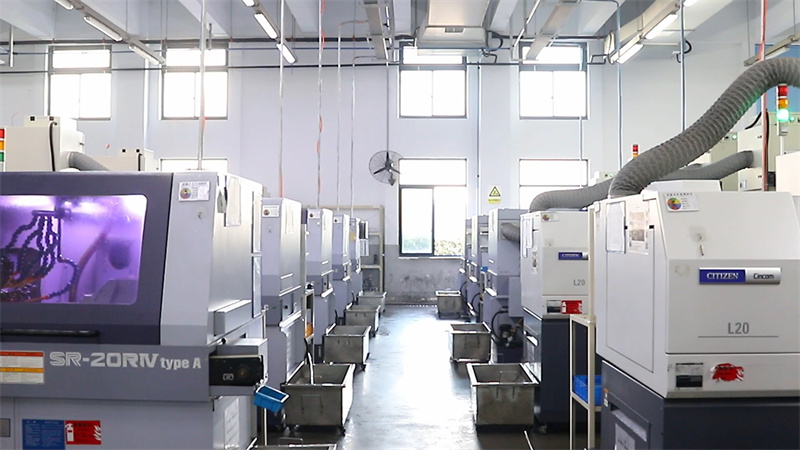
Explore our complete range of CE, MDR, and FDA-certified implants, designed to provide stable fixation for both standard trauma cases and complex reconstructive surgeries.
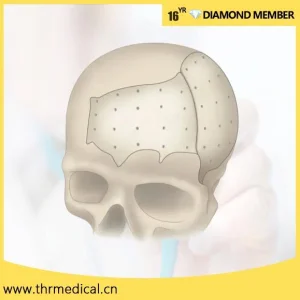
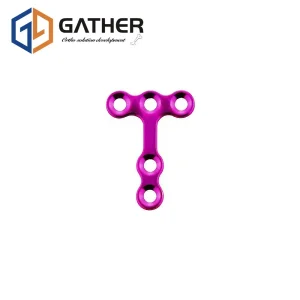
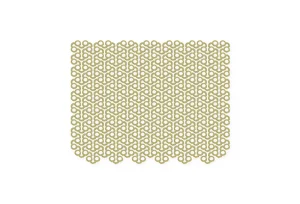
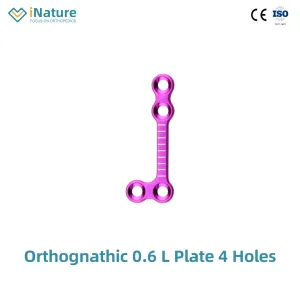
Importing medical devices into the Democratic Republic of Congo requires strict adherence to national health guidelines. Maximizing clinical availability in Kinshasa or Lubumbashi means coordinating with regulatory agencies early. The primary authorization body is the Ministry of Public Health (Ministère de la Santé Publique), which requires proof of registration and valid international quality certificates, such as ISO 13485 and CE marks.
Additionally, shipments must undergo import verification by the Office Congolais de Contrôle (OCC) to verify quality and quantity before leaving the exporting port. Working with an experienced medical exporter helps streamline this process, avoiding customs delays and ensuring that vital trauma kits and reconstructive plates reach regional hospitals safely.
The future of reconstructive surgery in Central Africa lies in the adoption of digital workflows and localized planning. As internet access improves and 3D medical imaging (CT/MRI) becomes more common in urban centers like Goma and Kinshasa, surgeons can design patient-specific implants remotely.
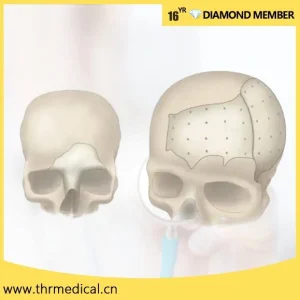
By sharing digital DICOM files with our manufacturing team, customized plates can be designed and machined to fit a patient's exact anatomy. This shift from standard implants to customized, patient-specific solutions helps shorten surgery times, lowers the risk of post-operative infections, and improves overall reconstructive outcomes for patients across the region.
Common questions about our CMF implants, regulatory compliance, custom ordering processes, and shipping procedures for the DR Congo market.
Get in touch with our team for detailed product catalogs, price quotes, and support with import regulations for the DR Congo market.
Send Inquiry Now