Grai Orthopedic Implants
Grai Orthopedic Implants
Grai Orthopedic Implants
Poland has emerged as a significant hub for medical technology in Central and Eastern Europe. As the demand for advanced orthopedic solutions grows, the role of Linear External Fixators suppliers and exporters in Poland has become increasingly vital. The Polish healthcare system, driven by both the National Health Fund (NFZ) and an expanding private sector in cities like Warsaw, Krakow, and Wroclaw, demands high-performance surgical instruments that comply with stringent European MDR (Medical Device Regulation) standards.
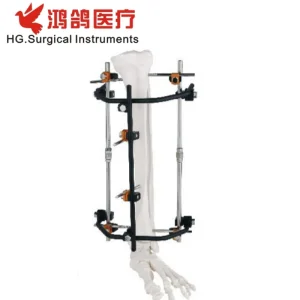
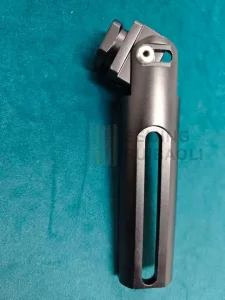
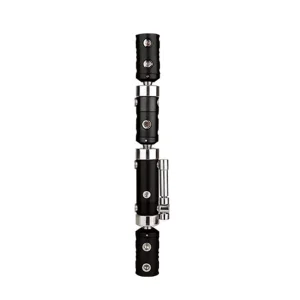
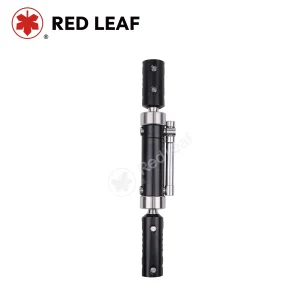
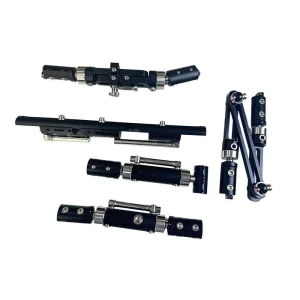
External fixation remains a cornerstone in the treatment of open fractures, non-unions, and complex limb deformities. In Poland, the clinical application of these devices has seen a paradigm shift. Surgeons are no longer just looking for stability; they are looking for modularity, ease of use, and patient comfort. Our range of linear and ring fixators is designed to meet these exact requirements, offering micro-mobility and precision distraction that are essential for successful osteogenesis.
Utilizing high-grade Titanium alloy and stainless steel to ensure biocompatibility and radiological transparency where needed for Polish trauma centers.
Every product exported to Poland meets the latest EU Medical Device Regulations, ensuring safety for both the surgeon and the patient.
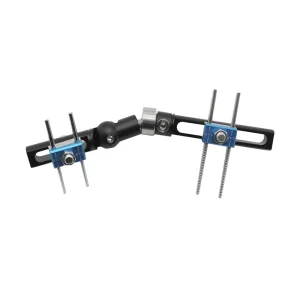
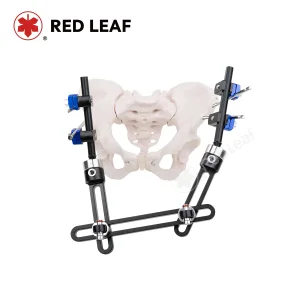
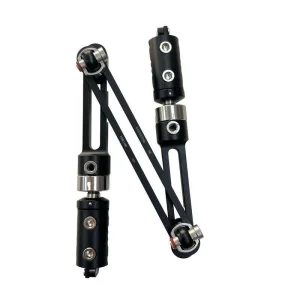
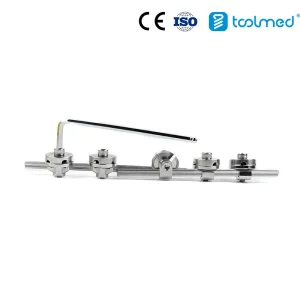
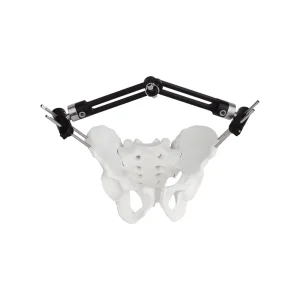
From simple linear fixators for long bones to complex three-section pelvic systems, our inventory covers the full spectrum of trauma surgery.
Factory Area
Certified Quality
Device Models
Global Staff
The industrial landscape in Poland for medical devices is characterized by a strong emphasis on R&D and collaboration with technical universities. Suppliers operating in the Polish market must navigate a competitive environment where cost-effectiveness must be balanced with cutting-edge technology. Our export services to Poland focus on providing "Minor Customization" options, allowing Polish hospitals to request specific configurations that suit their local surgical protocols.
In terms of commercial trends, there is a visible shift toward minimally invasive procedures. Linear external fixators are preferred for their "biological" approach to bone healing—minimizing soft tissue disruption while providing rigid internal stability. This is particularly relevant in Poland’s specialized orthopedic hospitals, such as the Otwock Orthopedic Hospital, where complex limb reconstruction is a daily occurrence.
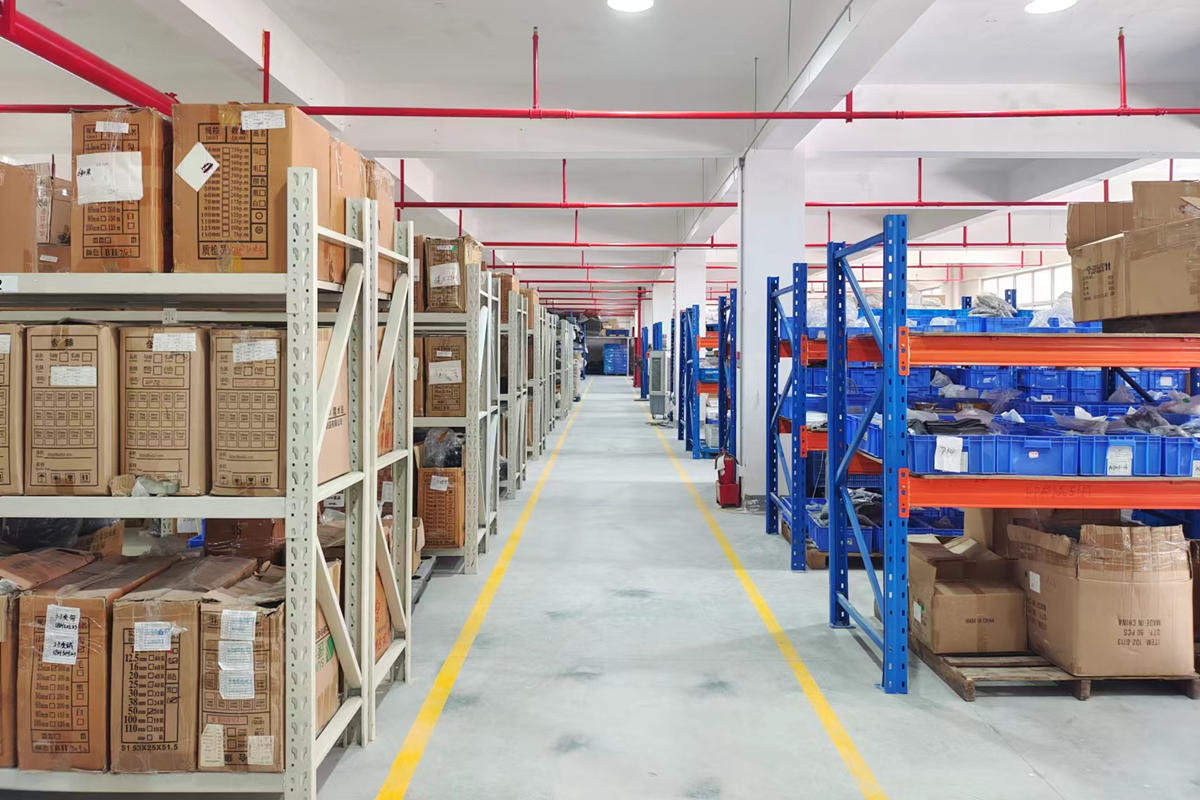
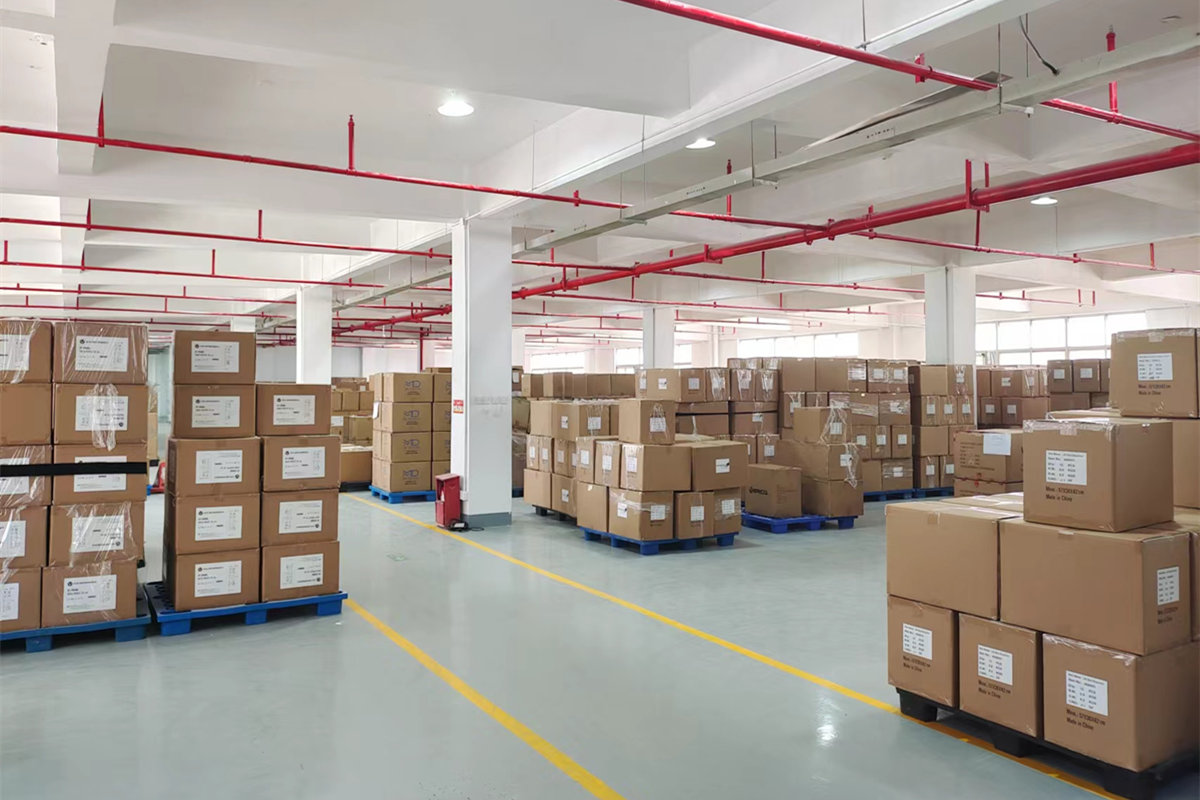
Our factory covers an area of 15,000 m², certified with ISO13485 and BSCI. We ensure full raw material traceability identification for every linear fixator shipped to Poland. With 8 senior engineers and 10 QC specialists, every orthopedic instrument undergoes semi-product and finished product inspection.
The application of Linear External Fixators in the Polish clinical environment is diverse. One major scenario is high-energy trauma resulting from traffic accidents on major transit routes like the A1 or A2 motorways. In these cases, rapid stabilization with a "Tube External Fixator" is the gold standard for damage control orthopedics (DCO).
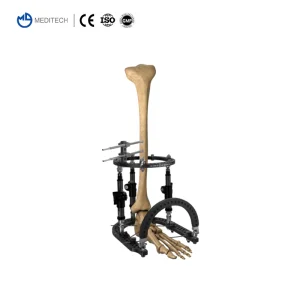
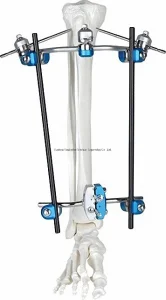
Another significant area is the correction of congenital or post-traumatic limb length discrepancies. The Ilizarov method, which has deep roots in Eastern European history, remains highly respected in Poland. Our modern Ilizarov Ring External Fixators integrate traditional principles with modern materials like lightweight titanium, reducing the burden on Polish patients during the long recovery process.
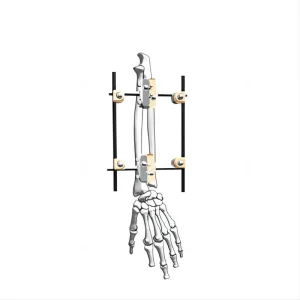
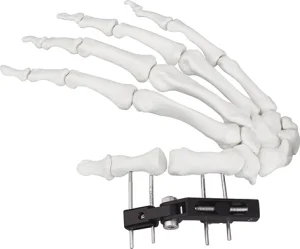
Furthermore, the aging population in Poland has led to an increase in fragility fractures. Our "Wrist Joint External Fixators" and "Radius External Fixators" provide the necessary stability for elderly patients who may not be candidates for prolonged internal fixation surgeries. These devices allow for early mobilization, which is a critical factor in geriatric care within the Polish healthcare framework.
Looking toward the future, the Polish market is expected to integrate more AI-driven pre-operative planning. Linear external fixators that can be virtually simulated before the first incision will become the new standard. Our R&D team is already exploring carbon-fiber components to enhance radiolucency, a feature highly requested by leading Polish trauma surgeons for better intraoperative imaging.
As a leading supplier and exporter, we are committed to supporting Poland's medical community by providing not just products, but comprehensive clinical solutions. Our after-sales support with agency policy assistance ensures that Polish distributors and medical institutions have a reliable partner for long-term growth.